Introduction to the Basic Principles of Outer Layer Graphic Transfer in PCB Manufacturing (Part 1)
Introduction to the Basic Principles of Outer Layer Graphic Transfer in PCB Manufacturing (Part 1)

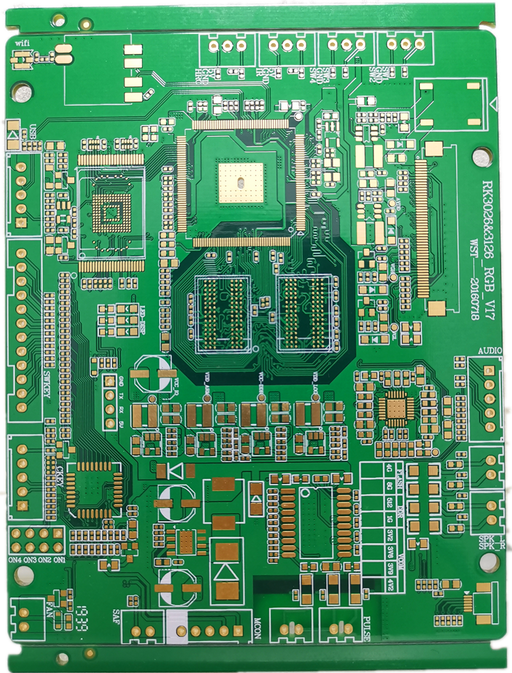
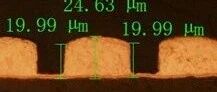
Wherever there is electricity, printed circuit boards (PCBs) are needed. Today, we will introduce the basic process and principles of outer layer graphic transfer. The outer layer graphic process has several names; some factories call it dry film, others call it dry film transfer, some refer to it as the outer layer, and others as … Read more
Complete PCB Manufacturing Process

Complete PCB Manufacturing Process

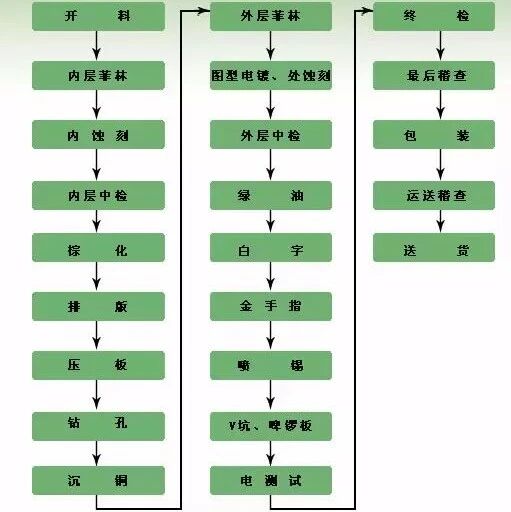
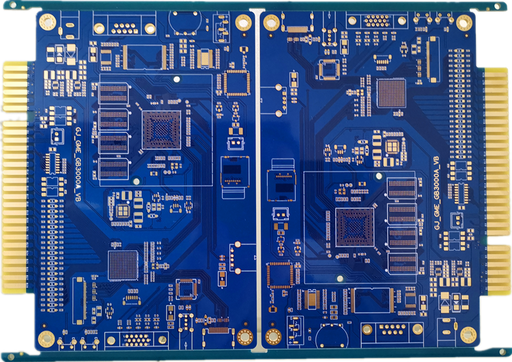
Most engineers send the PCB files or Gerber files to the manufacturer and then wait for the boards to be returned. However, many hardware development professionals may work for years without the opportunity to visit a PCB manufacturing facility to see the entire production process. Today, I will take you on a tour to see … Read more

12-Layer Industrial Control Circuit Board Prototyping: Consultation with Shenzhen PCB Manufacturers

12-Layer Industrial Control Circuit Board Prototyping: Consultation with Shenzhen PCB Manufacturers

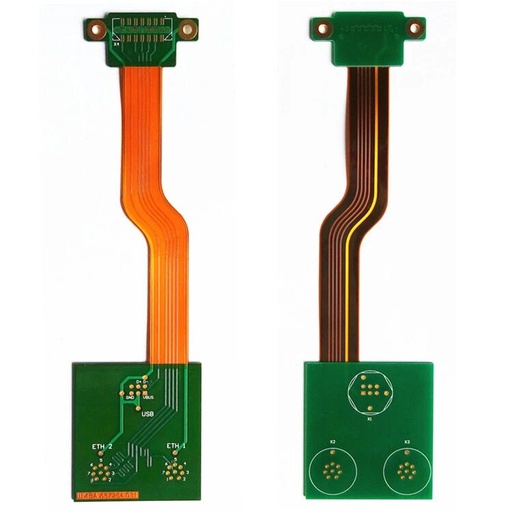
12-layer boards achieve high-density wiring through fine stacking (such as FR-4 substrates or polyimide insulation layers), combined with blind and buried via designs to reduce signal interference. In industrial control applications (such as automation equipment or power management modules), their advantages include multi-power layer distribution, impedance control (±10% tolerance), and optimized thermal management. However, the … Read more

Finding Reliable Manufacturers for 12-Layer Industrial Control Circuit Board Prototyping

Finding Reliable Manufacturers for 12-Layer Industrial Control Circuit Board Prototyping

In the field of industrial control, 12-layer industrial control circuit boards play a core role, undertaking complex signal processing and power transmission functions. These multilayer boards must meet high-frequency, high-speed, and reliable heat dissipation requirements, and the efficiency and quality control during the prototyping phase directly affect the product development cycle. Choosing a reliable partner … Read more

Introduction to the Basics of PCB/HDI Manufacturing: Plating Process (Part 2)

Introduction to the Basics of PCB/HDI Manufacturing: Plating Process (Part 2)

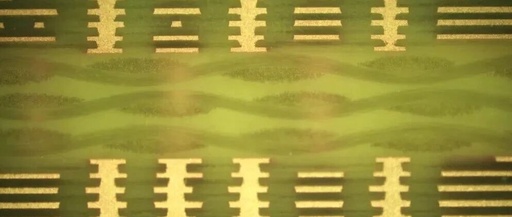
Continuing from the first part, we will further introduce the basics of HDI plating. 4.3.2 Plasma – Key Control Points: 4.3.3 Plasma – Quality Inspection: 4.4.1 Copper Deposition – Subprocess Function: By using swelling to remove the drilling debris inside the holes, the charge inside the holes is adjusted to deposit activated palladium ions, which … Read more

Integrating Uniplate PLBCu6 with Digital Factory Suite in PCB Manufacturing

Integrating Uniplate PLBCu6 with Digital Factory Suite in PCB Manufacturing

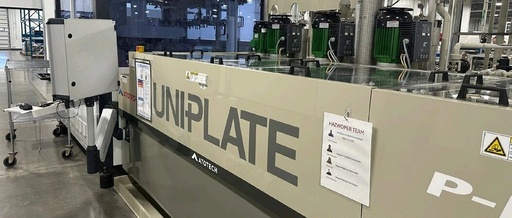
PCB manufacturing is rapidly evolving, driven by factors such as miniaturization, stringent reliability requirements, and increasing pressure for sustainable production. Addressing these challenges requires not only incremental improvements but also a combination of sophisticated equipment and real-time process intelligence. The integration of Uniplate® PLBCu6 with the Digital Factory Suite (DFS) demonstrates how hardware and software … Read more

Quick Overview of Financial Reports – Leaders in the PCB Manufacturing Industry

Quick Overview of Financial Reports - Leaders in the PCB Manufacturing Industry

1. Let’s first discuss the background of the PCB manufacturing industry Since 2006, China has surpassed Japan to become the world’s largest PCB producer, with both production volume and value ranking first globally. In the medium to long term, the PCB industry continues to follow development trends of high frequency, high speed, high precision, and … Read more

How to Choose a Multilayer PCB Manufacturer

How to Choose a Multilayer PCB Manufacturer

When selecting a multilayer PCB manufacturer, it is essential to consider the vendor’s scale, experience, responsiveness, and service compatibility. Printed Circuit Boards (PCBs) serve as the “skeleton” and “nervous system” of electronic devices, undertaking core functions such as mechanical support, electrical interconnection, and thermal management. Their development has witnessed an evolution from single-sided boards to … Read more

Three Major Models in PCB Manufacturing: Technical Applications and Management of OEM, ODM, and OBM

Three Major Models in PCB Manufacturing: Technical Applications and Management of OEM, ODM, and OBM

In the ecosystem of the electronics manufacturing industry, OEM (Original Equipment Manufacturer), ODM (Original Design Manufacturer), and OBM (Original Brand Manufacturer) constitute three distinctly different yet interrelated business models. These models not only differ in their business forms but also exhibit significant differences in the technical applications, management focus, and value creation in PCB processing. … Read more

Analysis and Improvement Measures for Adhesive Residue Issues in PCB Manufacturing

In the PCB (Printed Circuit Board) manufacturing process, the issue of “adhesive residue” is like an inescapable ghost, permeating multiple key processes from inner layer lamination to final electroplating, circuit, and solder mask. It not only directly affects the appearance of the product but also leads to fatal defects such as copper sinking blockage, electroplating … Read more