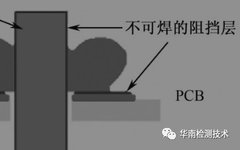
Analysis of Key Factors Causing BGA Voids in Automotive Electronics PCBA SMT Soldering
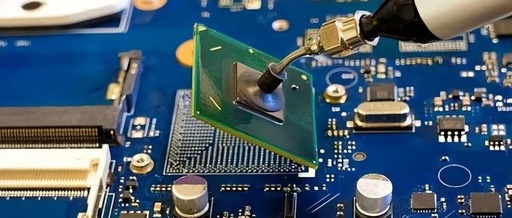
Analysis of Key Factors Causing BGA Voids in Automotive Electronics PCBA SMT Soldering

In surface mount technology (SMT), internal voids in solder joints are one of the main defects affecting the reliability of electronic components. Voids can weaken the mechanical strength, conductivity, and thermal conductivity of solder joints, which may lead to catastrophic failures, especially in high-reliability fields such as automotive electronics and aerospace. This article systematically analyzes … Read more
Comprehensive Guide to Circuit Board Fly-Wiring Techniques

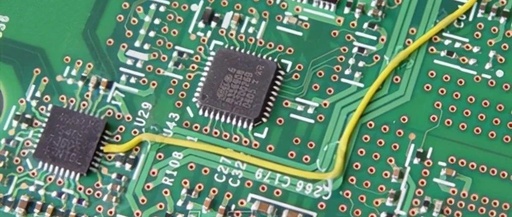
Comprehensive Guide to Circuit Board Fly-Wiring Techniques

Click the blue text to follow us Recently, I took on an urgent repair task; a control board had multiple broken fly wires, and the client requested a repair within 24 hours. This posed a challenge for me, as 0.1mm enameled wire is difficult to handle under a microscope, not to mention ensuring reliability. However, … Read more

Consequences of Inadequate Cleaning of Electronic Circuit Boards

Consequences of Inadequate Cleaning of Electronic Circuit Boards

The residues from soldering electronic integrated circuit boards that are not thoroughly cleaned can lead to serious consequences in multiple aspects, mainly involving electrical performance, chemical corrosion, and mechanical reliability. The specific analysis is as follows: 1. Deterioration of Electrical Performance Short Circuits and Leakage Current Issues The conductive ions (such as halogens and organic … Read more

Common Surface Treatment Methods for PCBs

Common Surface Treatment Methods for PCBs

Long-term slow changes will lead to significant transformations. With the increasing calls for environmental protection, the surface treatment processes for PCBs will undoubtedly undergo tremendous changes in the future. The Purpose of Surface Treatment   The most fundamental purpose of surface treatment is to ensure good solderability or electrical performance. Since natural copper tends to exist … Read more

PCB Industry Terminology and Definitions

PCB Industry Terminology and Definitions

Solder Bridging An excess conductive pathway formed by solder between wires. The bridging phenomenon is a type of soldering problem in PCBs, referring to the excessive solder that causes PCB pads to connect together. Unlike tombstone defects, bridging is not easily detected. However, it can cause fatal damage to the PCB. Tombstone refers to a … Read more

Failure Analysis of Poor Solder on Connector Pins

Failure Analysis of Poor Solder on Connector Pins

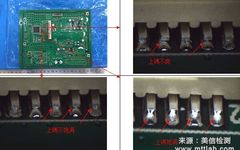
1. Case Background The sample sent for inspection is a certain type of PCBA board. After SMT, it was found that some pins on a connector had poor soldering and unstable failure. Each side of the connector has a total of 50 pins, made of copper with nickel and tin plating. The PCB pad surface … Read more

FPC Production Process Overview

FPC Production Process Overview

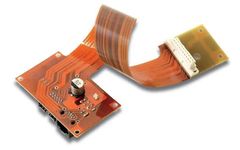
FPC, also known as flexible printed circuit board, has a significantly different PCBA assembly and soldering process compared to rigid circuit boards. Due to the insufficient hardness of the FPC boards, which are relatively soft, it is impossible to complete the basic SMT processes such as printing, mounting, and reflow without using a dedicated carrier … Read more

Proper Component Placement for Long-lasting PCBA

Proper Component Placement for Long-lasting PCBA

PCB design is both a science and an art. There are many technical specifications related to trace width, layer stacking, schematics, etc. However, when it comes to the artistic aspects of component placement in PCB design, the issue becomes interesting. In fact, there are very few restrictions on component placement, and there are no “absolutely … Read more

Common Issues and Solutions in Wave Soldering

Common Issues and Solutions in Wave Soldering

Click the Blue Text Above | Follow Us The wave soldering process of PCBA components is a major stage that leads to defects, with a defect rate as high as 50% throughout the PCBA assembly process. The defects that occur during wave soldering can be seen as a concentrated manifestation of problems in previous manufacturing … Read more

PCBA Soldering: How to Reduce Surface Tension and Viscosity?

PCBA Soldering: How to Reduce Surface Tension and Viscosity?

In electronic manufacturing, the quality of PCBA (Printed Circuit Board Assembly) soldering is crucial for the reliability and performance of the product. Surface tension and viscosity are key factors affecting the soldering effectiveness. If not handled properly, it can easily lead to soldering issues. So, how can we reduce the surface tension and viscosity in … Read more