
At the MADE exhibition, the application of 3D printing is very extensive, but perhaps none is as eye-catching as the latest work from TBD Bikes. TBD Bikes is the company name of Dylan Banera, who focuses on 3D printed bicycle design.
If this name sounds familiar, it may be because we reported on Dylan’s work earlier this year at the Otter exhibition. At that time, Dylan told us that the new bicycle showcased at the MADE exhibition had not even begun production. Dylan was able to design the bicycle frame, print the design files in China, and assemble the bicycle, all just in time for the MADE exhibition. This was eye-opening, demonstrating the rapid transition of a bicycle from concept to finished prototype using 3D printing technology.
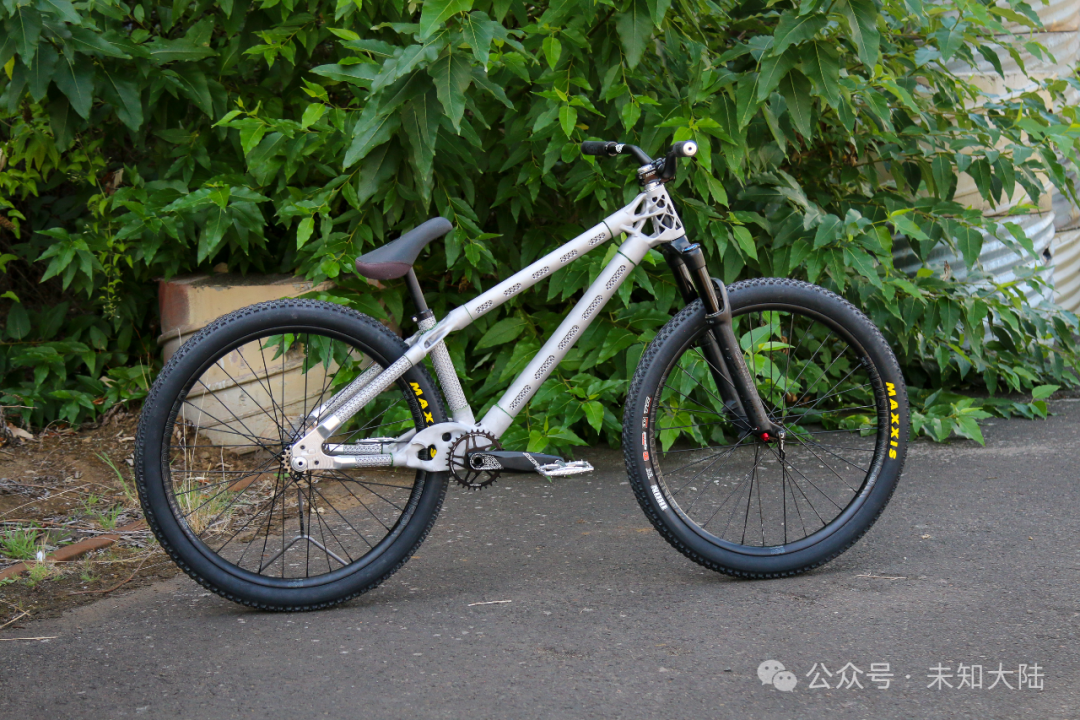
3D Printed Aluminum Alloy Off-Road Bicycle
Compared to his previous non-ridable prototype frame, Dylan aimed to create a frame that could be ridden. Therefore, the new bicycle no longer uses carbon fiber tubes and nylon 12 hubs, but is almost entirely made of 3D printed aluminum alloy.
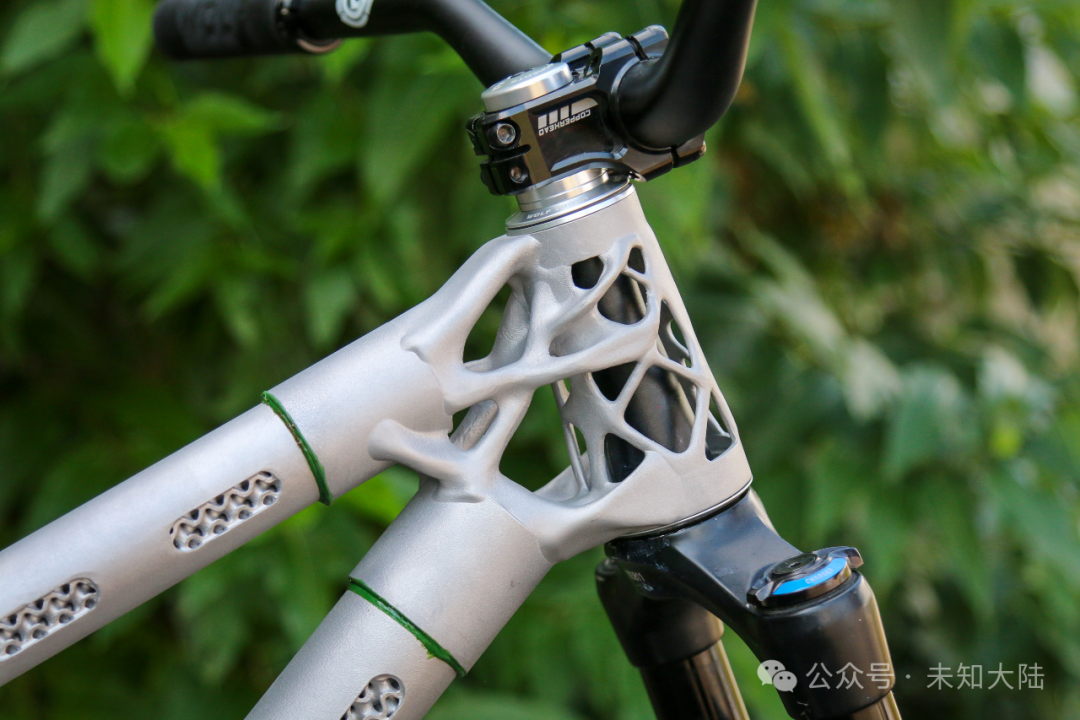
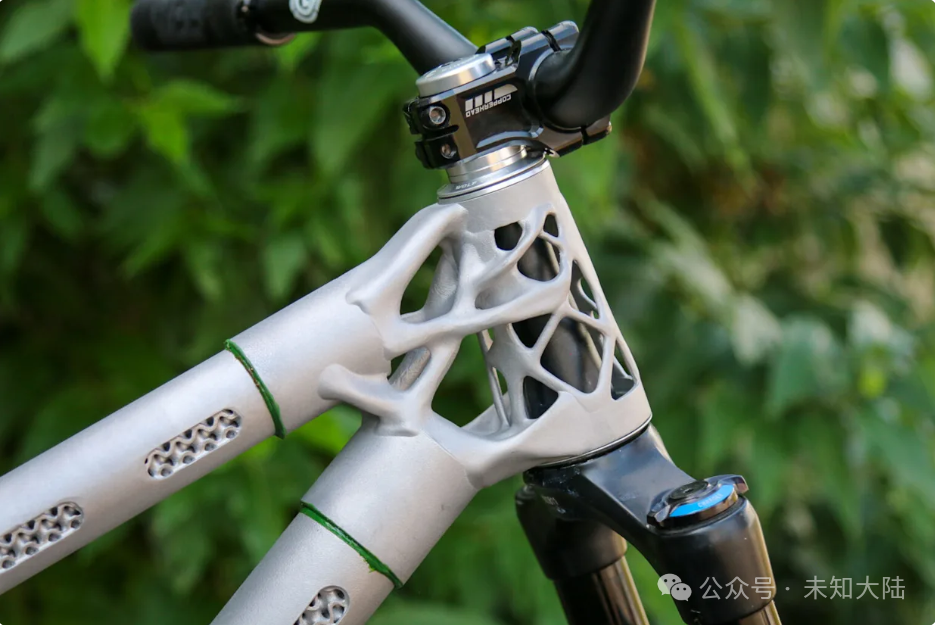
3D Printed Aluminum Alloy Off-Road Bicycle Head Tube
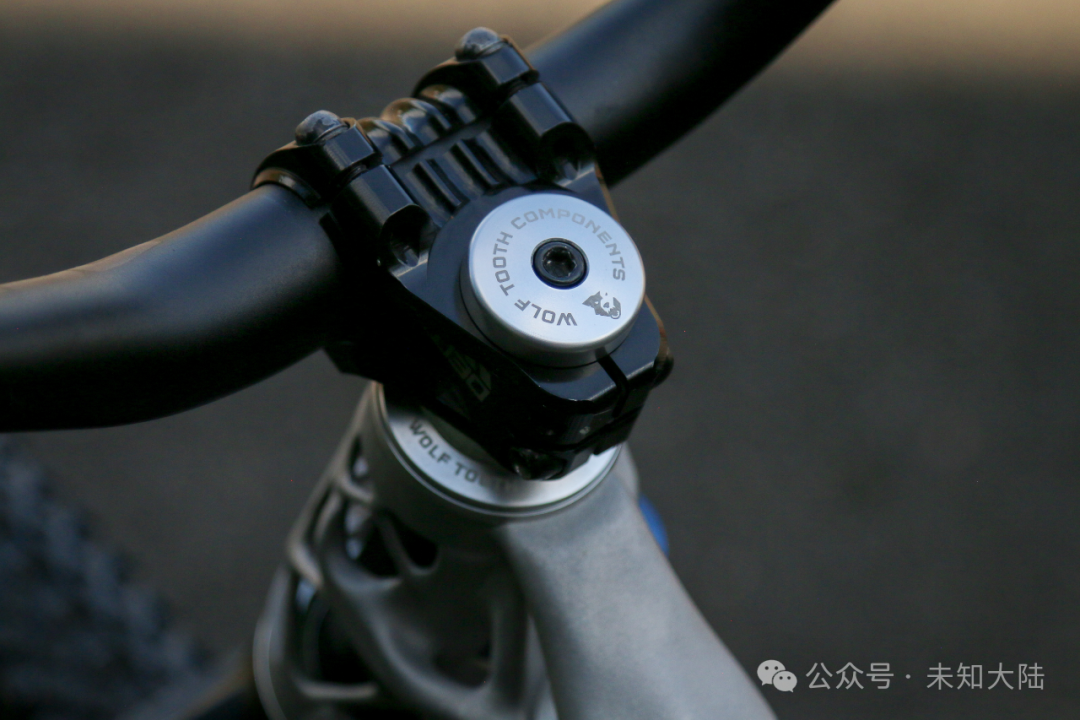
3D Printed Aluminum Alloy Off-Road Bicycle
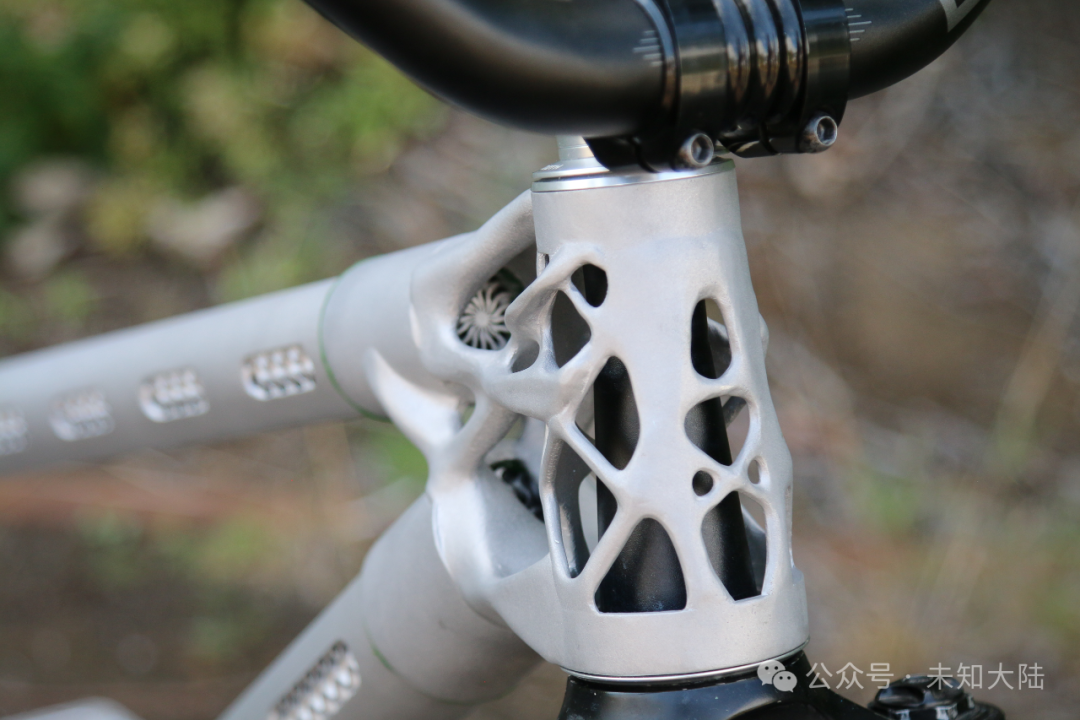
3D Printed Aluminum Alloy Off-Road Bicycle Head Tube
This design has many highlights, but the most striking elements may be the head tube and bottom bracket area, both created using AI-based design software. According to Dylan, he simply explored this feature in his design software and then wanted to give it a try.
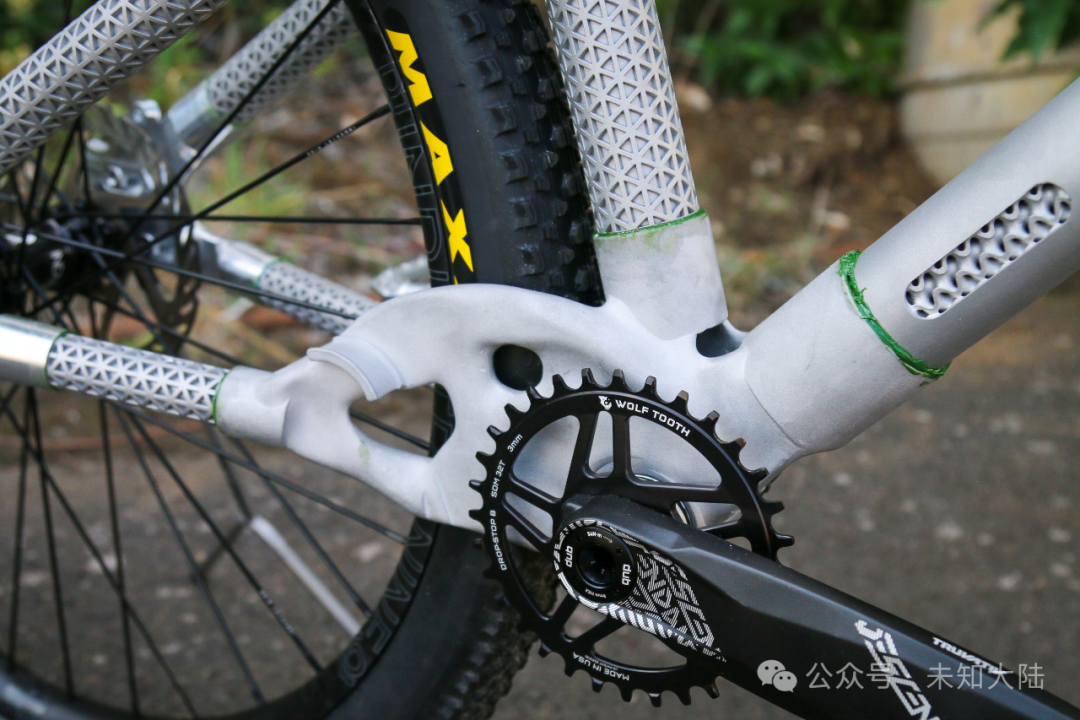
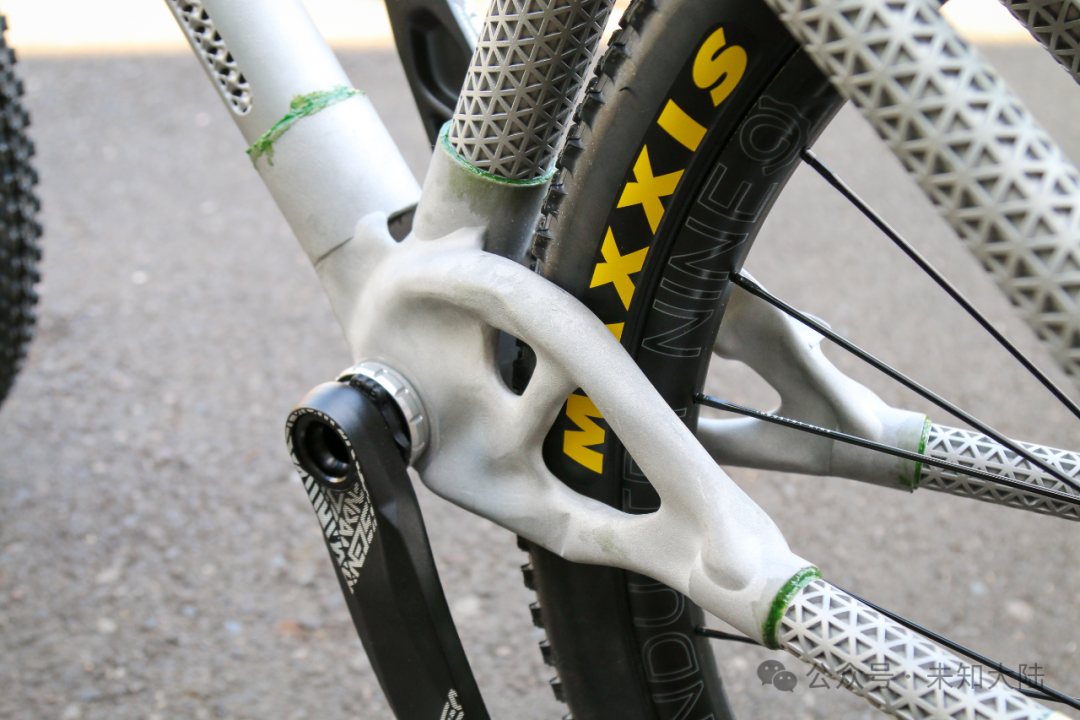
3D Printed Aluminum Alloy Off-Road Bicycle Bottom Bracket
The final product is a bottom bracket that resembles a human pelvis, equipped with a bracket to increase belt drive tension. There seems to be no openings reserved on the frame for belt use, so it is unlikely to be utilized.
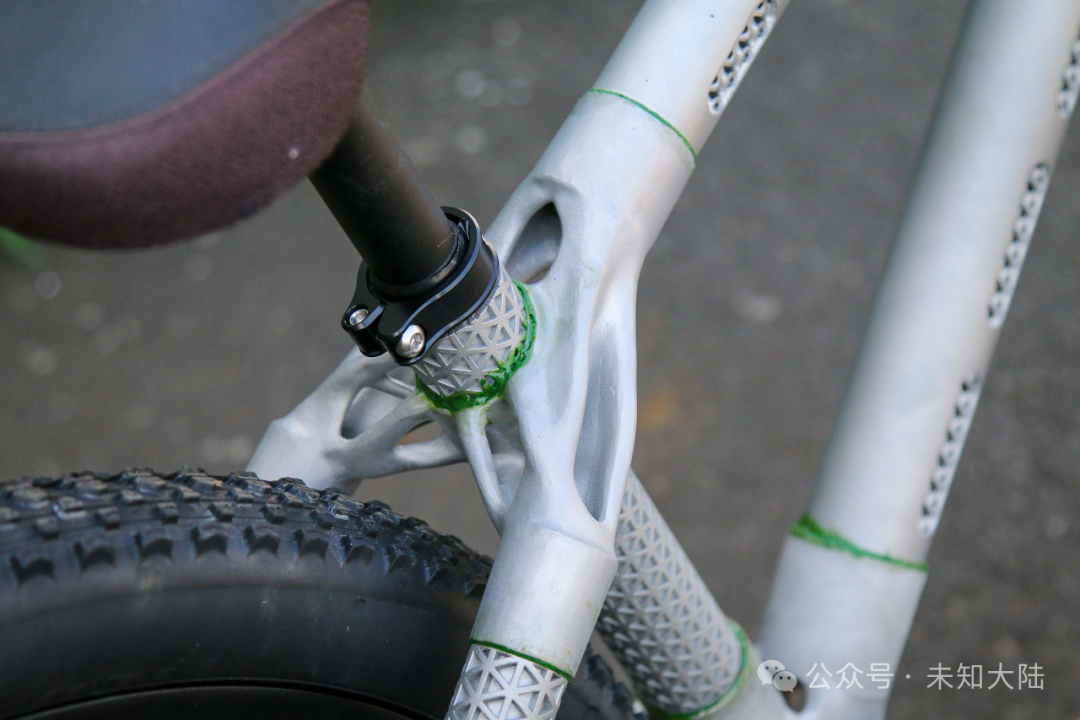
3D Printed Aluminum Alloy Off-Road Bicycle Seat Post Assembly
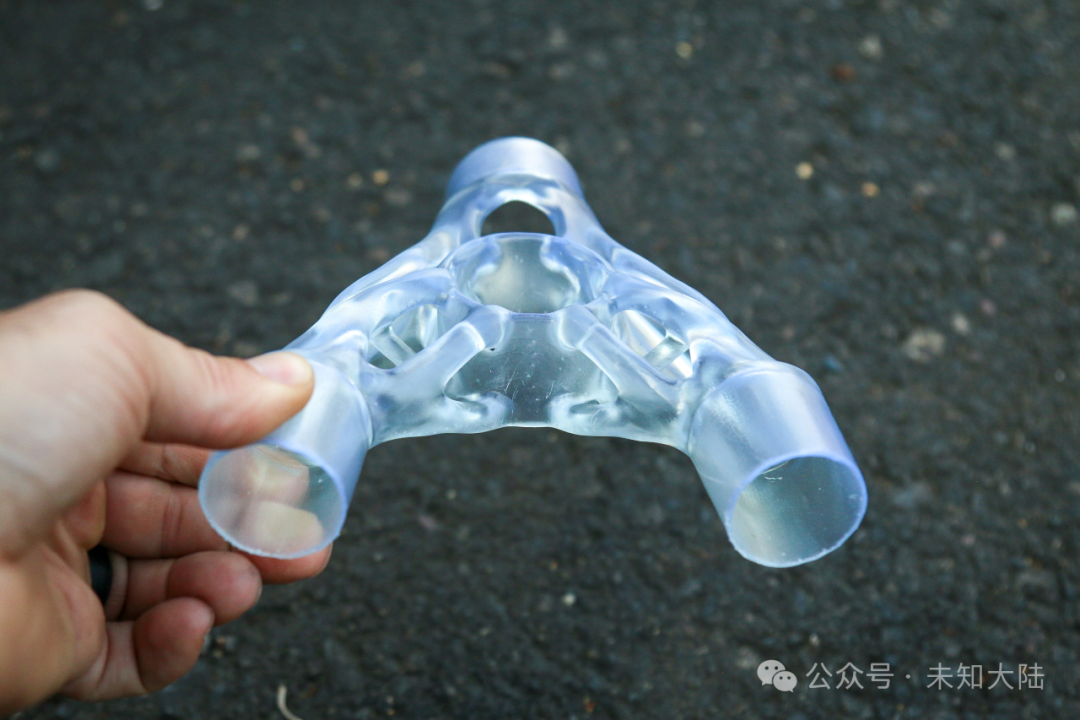
Seat Post Assembly 3D Printed Model
Before sending the files for metal printing, Dylan first printed some parts in plastic to ensure they would work properly.
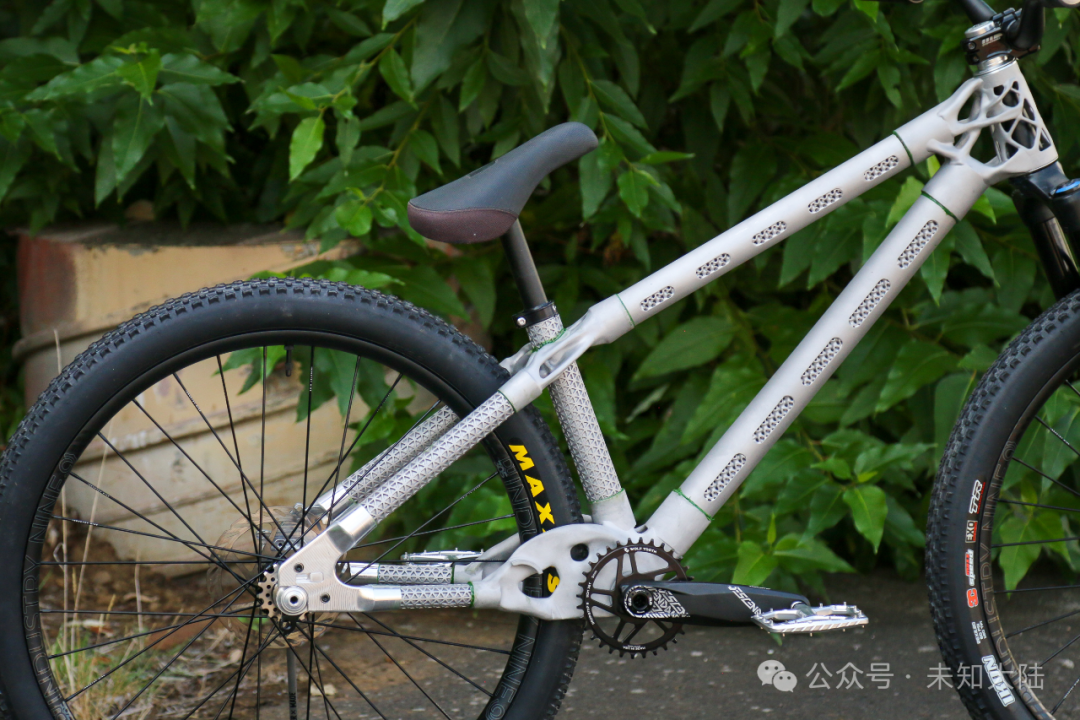
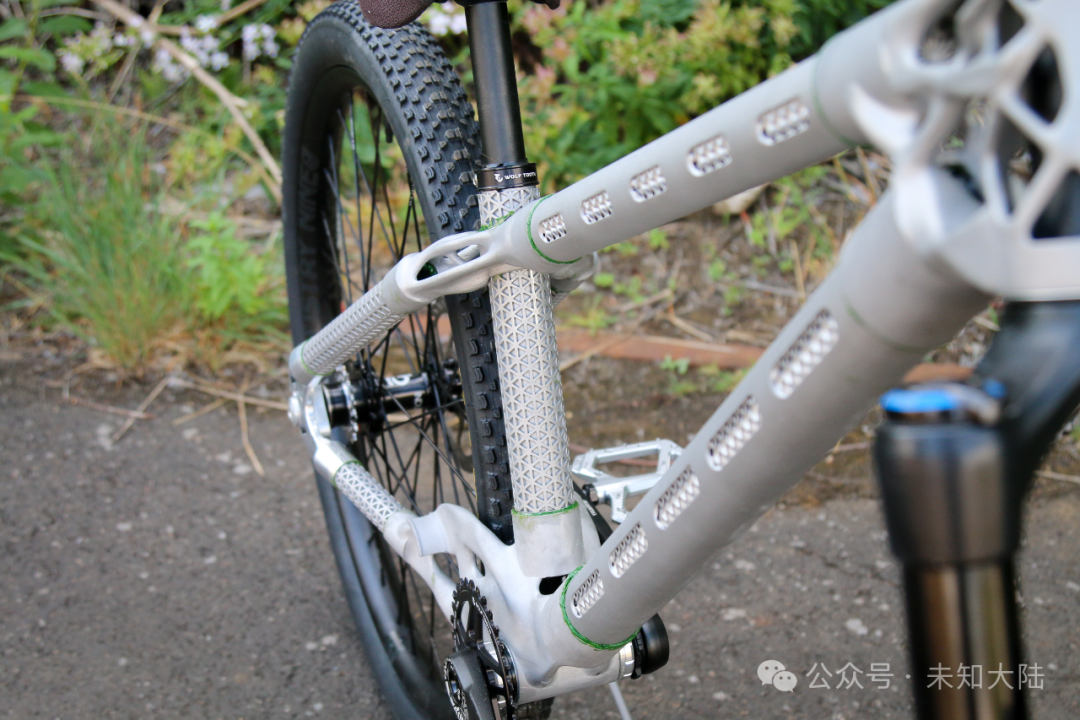
3D Printed Aluminum Alloy Off-Road Bicycle Tubes
Another interesting design feature is that the tubes utilize TPMS (Triple Periodic Minimal Surface) technology. Dylan admits that this is somewhat excessive compared to the intended use. These continuously interconnected surfaces are very suitable for devices like heat exchangers due to their high surface area and structural efficiency, but may not be necessary when hollow tubes would suffice. However, they look cool.
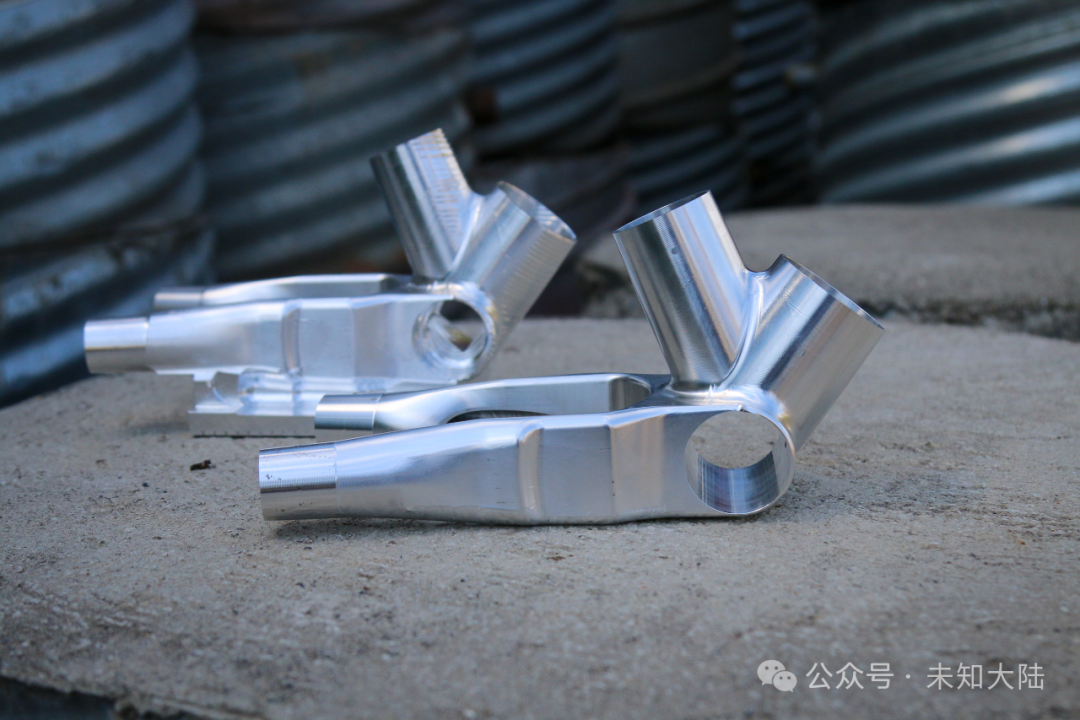
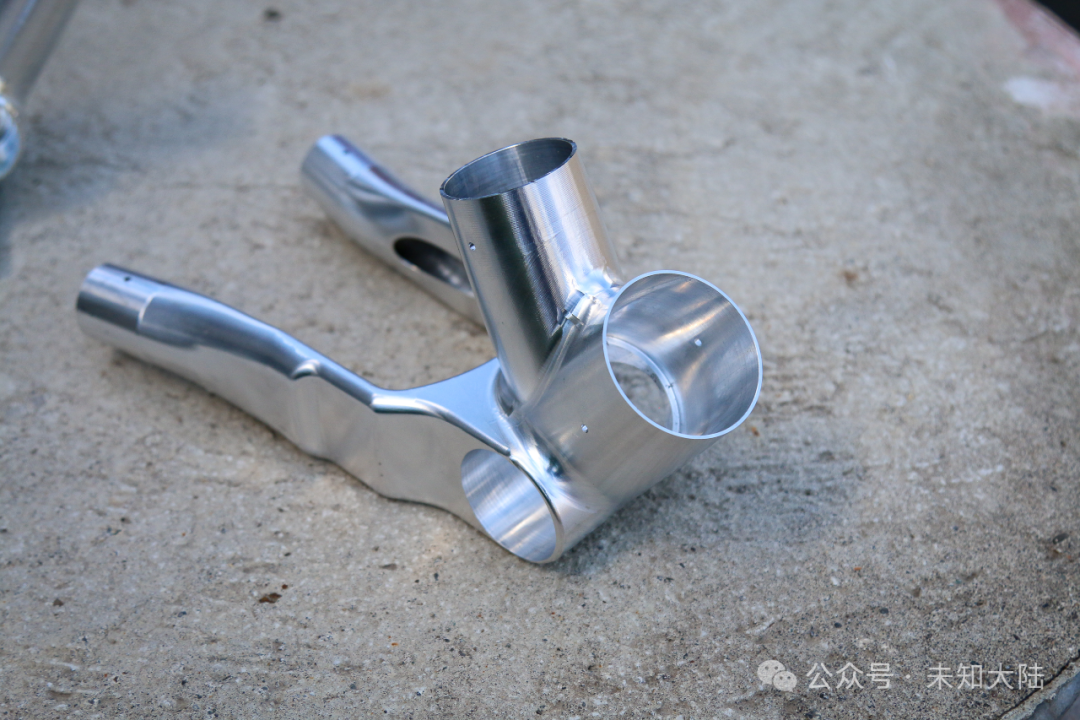
Machined Bottom Bracket Section
If this isn’t enough for the average teenager, Dylan is also researching a frame that will utilize fully 3D printing and be bonded with carbon tubes for another rideable bicycle.