Abstract: After interviewing the laser product solution provider Baochenxin, Polar Bear has a vague feeling that in the future, whether for industrial-grade 3D printing with metals or non-metals like nylon, innovations and explorations in laser performance parameters of hardware will become one of the important breakthrough directions in the qualitative change process of 3D printing equipment.
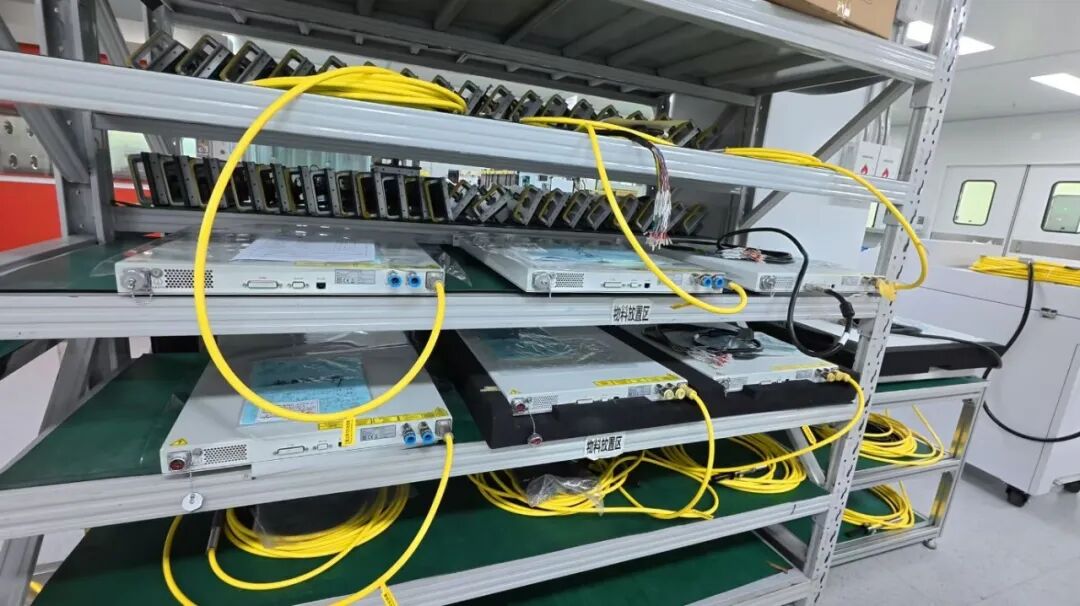
△ Baochenxin’s laser for the 3D printing industry, equipped with rich interfaces such as CTRL, RS232, and RJ45
“Our lasers adopt a modular design, and manufacturing has also achieved modularization, allowing for rapid customization based on different application needs, with very flexible responses.”
“Currently, we have independently mastered the core technologies and key processes, and the laser 3D printing light source products have basically achieved full domestic production, achieving true autonomy and control.”
“We see that foreign technologies like Seurat’s regional sintering metal 3D printing technology actually focus on the optical system. We are also very eager to collaborate with domestic metal 3D printing equipment manufacturers to jointly promote the application and development of such technologies in China.”
“Since 2015, we have engaged in deep cooperation with 3D printing equipment manufacturers to jointly advance the research and application of laser technology in the field of additive manufacturing. Over the past ten years, we have shipped more than 10,000 sets of 3D printing laser product solutions. As an important strategic segment within the Chuangxin Laser system, Baochenxin has always regarded additive manufacturing as one of its core development directions. Currently, we have assembled a professional team of hundreds of engineers and researchers, continuously focusing on key technological breakthroughs in laser 3D printing to provide customers with more reliable and efficient solutions.”
“Existing laser metal 3D printing systems still have considerable optimization potential. By vertically integrating the optical system, we can provide customers with highly integrated optical solutions that not only effectively reduce overall system costs but also significantly enhance printing performance and reliability. At the same time, this integrated solution can greatly simplify system configuration, further enhancing the ease of use and operational efficiency of the equipment.”
In recent years, industrial-grade metal 3D printing (additive manufacturing) has been increasingly recognized in the global manufacturing industry. However, to truly achieve large-scale industrial applications, the collaborative upgrade of the entire industry chain, including equipment, materials, processes, and software, is indispensable. As the core “heart” of 3D printing equipment—the laser—its performance improvement directly determines the efficiency, precision, and yield of printing.
In late August 2025, Polar Bear visited Baochenxin, a laser solution provider located in the Baoan District of Shenzhen. Through exclusive interviews with the company’s R&D and industry leaders and a visit to its production and R&D base, we clearly saw how domestic laser solutions are stepping into the spotlight, gradually becoming leaders in the upgrade and industrialization of industrial-grade 3D printing technology.

△ Director of Laser R&D at Baochenxin, Li Yongjian
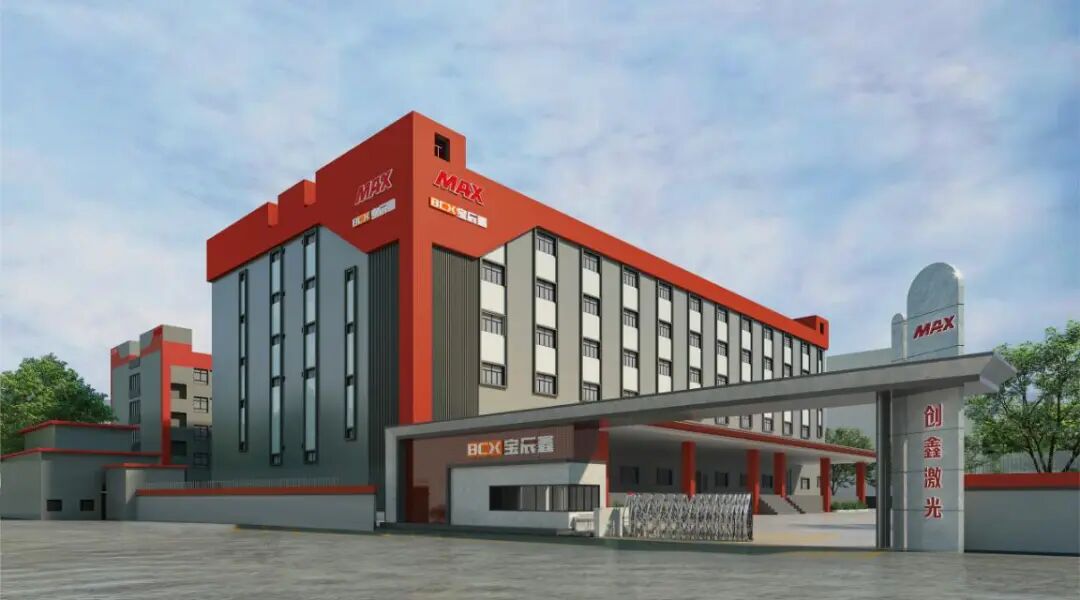
△ Exterior view of Baochenxin’s factory in Baoan, Shenzhen
The Rise of Domestic Laser Solutions: From Catching Up to Parallel, and Then to Surpassing
Baochenxin’s parent company, Chuangxin Laser, was established in 2004 and is one of the first companies in China to achieve vertical integration of fiber lasers and core optical components. As a subsidiary, Baochenxin focuses on providing one-stop, intelligent laser solutions for niche industries. This vertical integration advantage allows Baochenxin to achieve 100% self-research and production of core optical components such as pump sources, combiners, optical fibers, and gratings, ensuring the stability and cost control of product solutions.
During this interview, Baochenxin’s R&D Director Li Yongjian shared an exciting perspective: “After years of development, domestic laser solutions are no longer just ‘catching up’ in many fields, but have achieved ‘surpassing.'”
He pointed out that this achievement is inseparable from the fierce market competition environment in China and the urgent demand from customers for rapid iteration. Compared to foreign equipment manufacturers, who may take one or two years for a product iteration, domestic laser 3D printing companies have shortened this cycle to six months or even less. This remarkable “Chinese speed” is becoming an important engine for driving continuous innovation in the industry.Li Yongjianadded: “From a technical principle perspective, our lasers have the capability to achieve numerous functions, but in actual products, to balance costs with customer needs, we optimize the functional configuration and do not reflect all functions in the delivered solutions.”
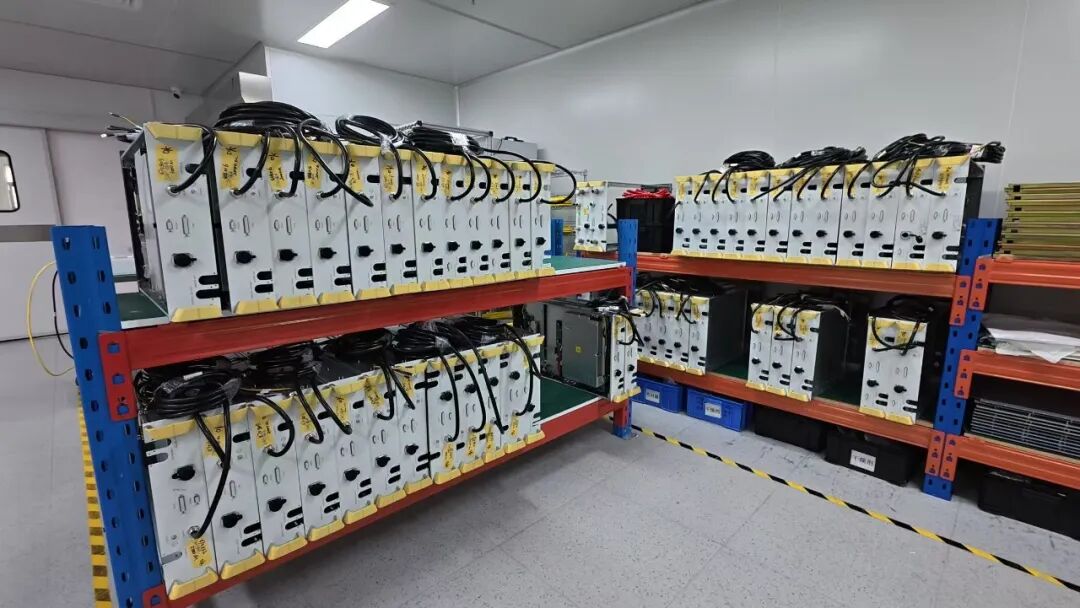
△ Laser device testing area
“The customer demands we face are highly diverse; even for the same model of laser, customers may propose different process adjustment requirements. Baochenxin must have the ability for rapid customization and optimization,” added Zhang Hongxia, Director of the Additive Manufacturing Industry at Baochenxin.
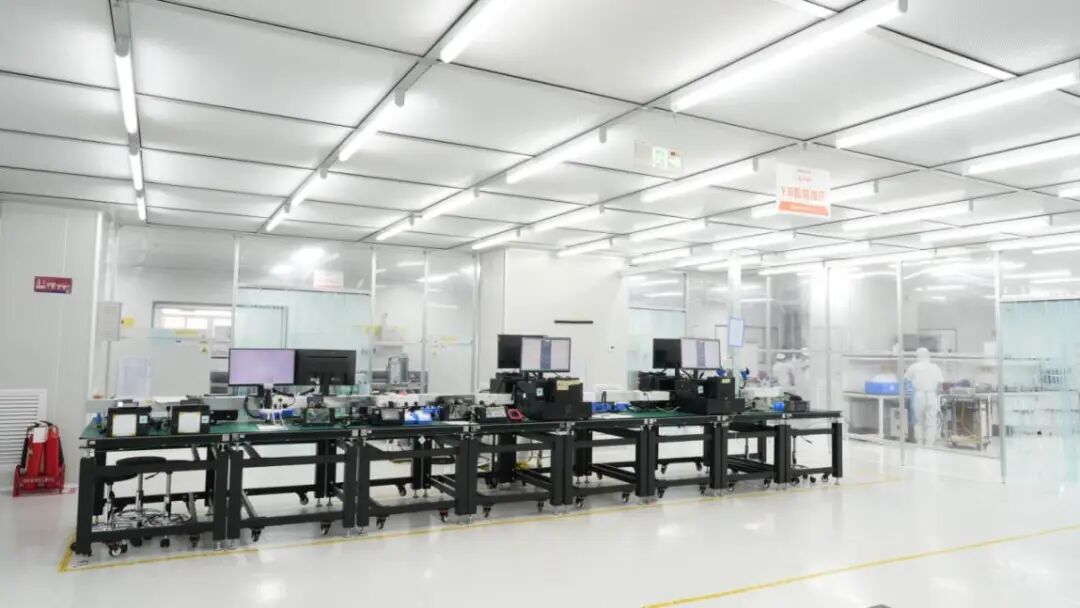
△ Baochenxin’s new cleanroom in Shenzhen’s second factory
In recent years, Baochenxin has gradually established a foothold in stability, consistency, and batch delivery capability through continuous iteration and co-creation with customers. From the initial single-laser and dual-laser systems to now stably supporting 40 laser heads for parallel metal 3D printing, Baochenxin has proven through practical cases that domestic lasers can fully support large-scale industrial applications.
This is thanks to Baochenxin’s long-term innovation and accumulation in the field of additive manufacturing, as well as the parent company Chuangxin Laser’s over 20 years of laser R&D and production experience and forward-looking industrial layout.
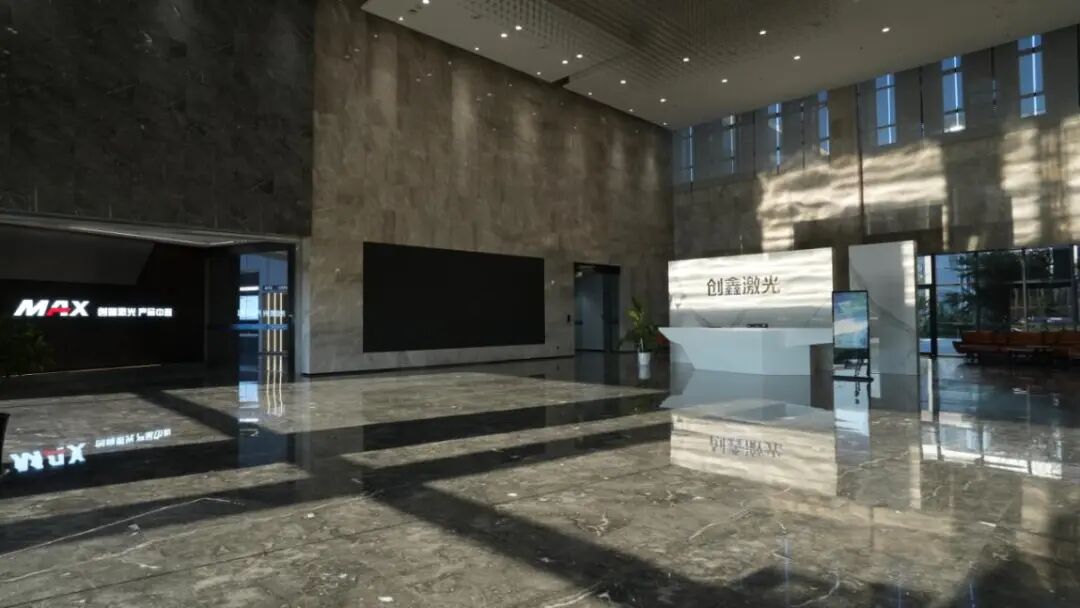
△ Chuangxin Laser’s Suzhou Park
In-depth Research on Niche Applications: Multiple Breakthroughs in Laser Technology Indicators
During the conversation, Li Yongjian revealed to Polar Bear that the core task of laser manufacturers is to continuously pursue “high efficiency and high precision.” This is not only the direction of academic research but also the key to solving practical application problems.
Baochenxin has launched several highly targeted laser products for the additive manufacturing field:
(1) BFSC series continuous fiber lasers: Targeting the mainstream metal printing market, offering air-cooled 300-500W and water-cooled 300-1000W products. These lasers feature high stability (short-term power stability ≤ ±1.5%), high electro-optical conversion efficiency (up to 40%), and extremely fast response times (turn-on time < 10µs), which are crucial for improving printing speed and ensuring stability of the melt pool during the printing process.
(2) Point-ring spot laser (BFMC-500/3000M): To address issues such as melt pool spattering and smoke in metal printing, Baochenxin developed point-ring spot technology. The central point-shaped spot provides high energy density, with independently controllable spots and adjustable output spot modes, achieving fine melting and improving printing efficiency and quality; the ring-shaped spot achieves uniform energy distribution, effectively stabilizing the melt pool and reducing spattering, thus enhancing printing quality and production efficiency. By adopting a dual-beam point-ring spot mode, different printing areas can select different spot modes (Gaussian/homogenized) to optimize the printing process, with compact and stable optical path design, simple operation, and easy debugging, compatible with various collimating focusing heads and galvanometers.
(3) Single-mode green continuous laser (green light 100-500W): For highly reflective metals such as pure copper, copper alloys, and aluminum alloys, a green laser with a wavelength range of 530-534nm has been provided. Its shorter wavelength and smaller focused spot make it an ideal light source for 3D printing of high-reflective materials. The beam quality is high and output is precise and stable; using spatial output helps ensure excellent beam quality, with better brightness of the output source; short-term power stability of ±1.5% ensures high processing quality; compact structure with rich interface compatibility, comprehensive software and hardware functions; low maintenance requirements, easily integrated into existing production lines, and can work in coordination with other automated equipment to improve production efficiency.
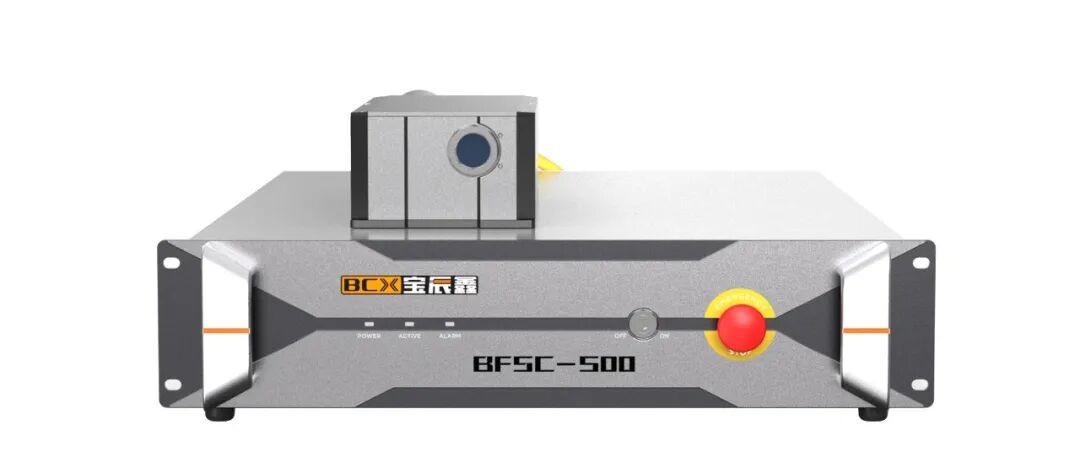
△ 3D printing dedicated green continuous laser (green light 100-500W)
(4) 2µm wavelength laser: For non-metal materials such as plastics, a laser with a wavelength of 1.940µm has been developed, which can be widely used for cutting and welding of non-metal materials such as plastics, wood, leather, microfluidic chips, as well as 3D printing of plastic materials and other scientific research applications: high beam quality and stable output performance ensure better processing results; lightweight design facilitates expansion and integration; compact design structure, small size, and light weight, with rich interface compatibility, and its flexible output characteristics greatly facilitate the integration process of the equipment.
(5) 3D printing subsystem with adjustable collimated spot: This series of products is specifically designed for the 3D printing industry, with the core light source being Baochenxin’s dedicated fiber laser for 3D printing, integrating collimation functions into the laser’s integrated output, directly outputting high-quality parallel beams through the collimated output head, eliminating the need for external beam expansion and collimation modules. After internal optical optimization, it aims to simplify the components of 3D printing equipment, enhance overall system performance parameters, and optimize comprehensive costs.
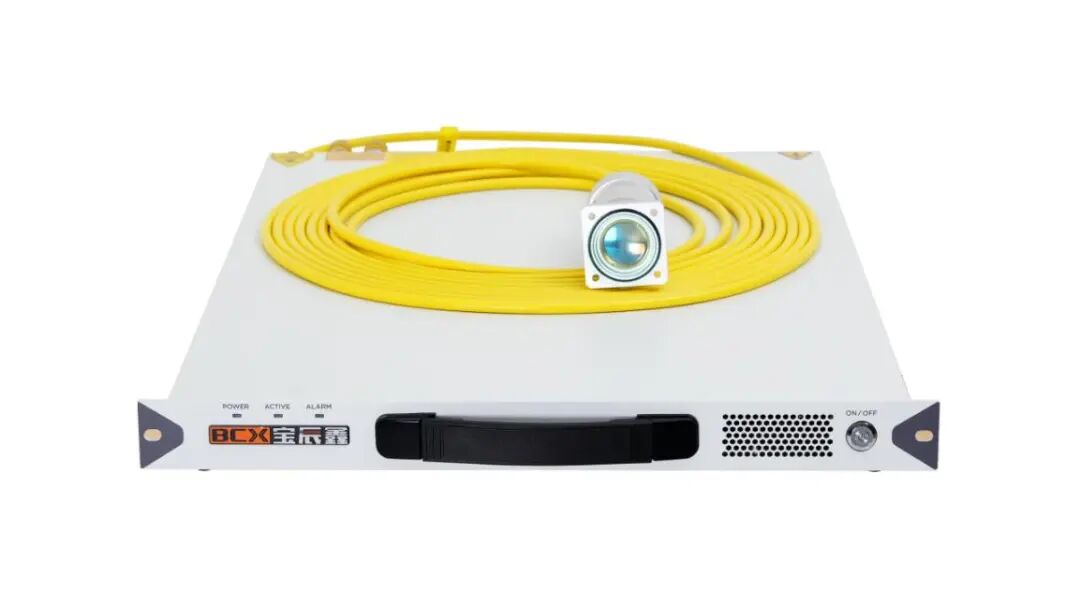
△ 3D printing subsystem with adjustable collimated spot
Stability and Consistency: The Key Threshold for Industrialization
As industrial-grade 3D printing truly moves towards large-scale production, the core requirement is not “can it print?” but “can it print stably and continuously?” Baochenxin emphasized multiple times during the interview that consistency and batch stability are the top priorities in the company’s R&D and quality control.
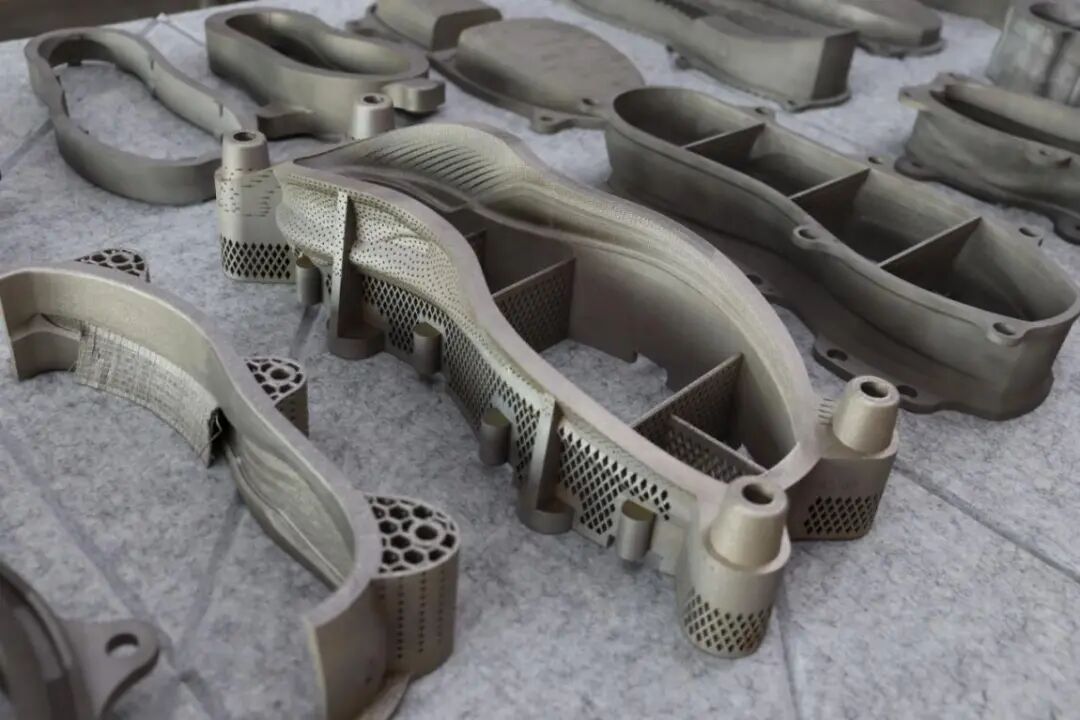
△ 3D printed shoe mold
The shoe mold industry is seen as a window for the mass application of metal 3D printing. However, during the interview, Polar Bear learned that shoe mold printing still faces bottlenecks such as low yield, high costs, and insufficient designers. “3D printing is not about producing one or two samples; it is about achieving stable supply of thousands of products. If there are differences in a batch of lasers, it will directly affect the yield of the formed parts and subsequent processing,” Li Yongjian explained.
“The output power linearity of the same model of laser, from 10% to 100% full power output, must be consistent to ensure application consistency. We realize that this indicator is very important and have spent a long time overcoming this difficulty. Now we have achieved controllable consistency in the time delay for power increase or decrease, ensuring process consistency.”
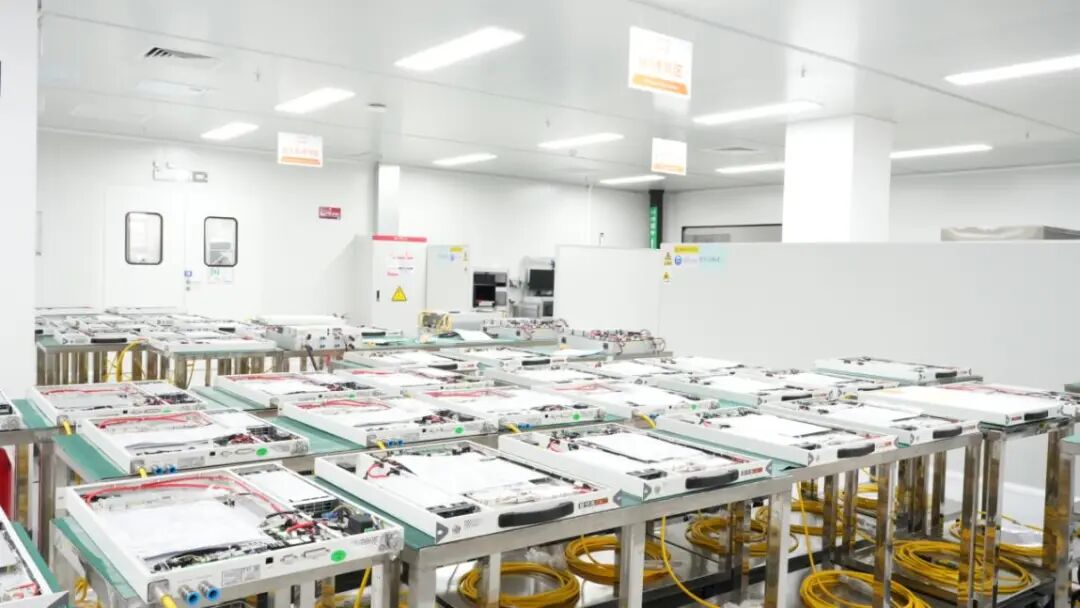
△ Batch manufacturing: 3D printing continuous 1000W water cooling
Zhang Hongxia, Director of the Additive Manufacturing Industry at Baochenxin, stated: “If the 3D printing yield in the shoe mold industry is below 80%, it is basically a loss. Achieving excellent performance of a single device is not difficult; the real core competitiveness lies in how to achieve cross-batch, cross-generation, and large-scale consistency on a scale of thousands or even tens of thousands.” Due to the complexity of shoe mold categories, the requirements for consistency and repeatability are extremely high. If the equipment, light source, or process database cannot ensure stable output, it is difficult to truly achieve large-scale production.
To this end, Baochenxin has established a quality management system that spans the entire product lifecycle. Based on product R&D quality management, 100% quality inspection of key incoming materials, strict process testing, and 100% performance and application testing before leaving the factory, high stability and consistency in production are achieved. In addition, through the accumulation of testing data for different materials and different power segments of the light source, Baochenxin is working with downstream manufacturers to establish a comprehensive process database to reduce defect rates and improve batch stability.
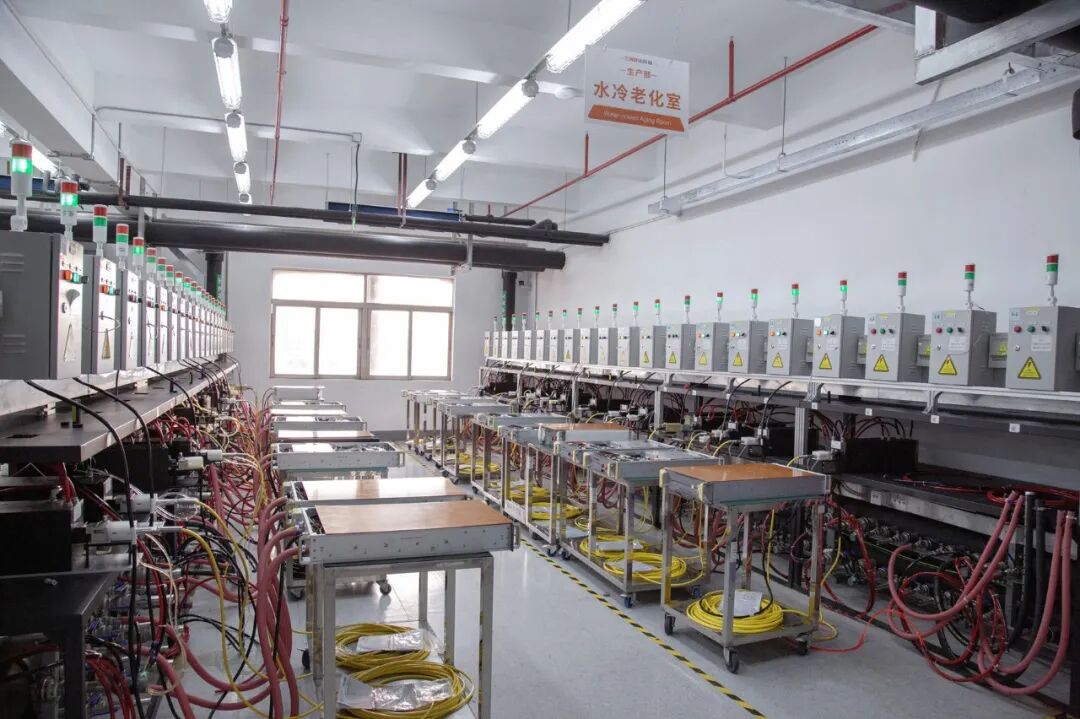
△ Every laser must undergo water cooling or air cooling aging tests before leaving the factory
Li Yongjian also stated that the challenges of industrializing 3D printing are not only present at the equipment and light source end but are also highlighted by the shortage of design talent. For example, in the shoe mold industry, traditional mold designers find it difficult to directly transition to 3D printing design, while the design requirements for shoe molds, lattice structures, and complex textures are highly demanding on talent.
In the coming years, as more universities offer additive manufacturing programs and AI is increasingly applied in the design phase, the industry is expected to see breakthroughs in talent and design, promoting the batch development of the industry.
Looking to the Future: Domestic Light Sources Are Leading the Direction of the Industry
To truly achieve large-scale replacement of traditional manufacturing with 3D printing, not only must the technical performance meet standards, but it is also crucial to have a significant cost-performance advantage, allowing 3D printing to be genuinely adopted across various industries. As the person in charge of Baochenxin stated during the interview: “Whether for shoe molds or other applications, users fundamentally care most about the final production yield and overall cost. This is precisely the core advantage of domestic lasers—Baochenxin can help OEM manufacturers effectively control costs while ensuring performance, making it easier for end users to accept 3D printing technology and accelerating its large-scale application.”
This concept also reflects the current strategic shift of domestic equipment manufacturers in market competition: more and more manufacturers are beginning to actively emphasize “the brand and performance of the lasers used.” In the early days, the industry generally regarded the number of lasers as a core selling point, competing to launch dual-laser, four-laser, or even dozens of laser configurations; however, as technology matures, the market gradually recognizes that the key to equipment competitiveness lies in the consistency of the light source, the optimization capability of the optical path, and the overall efficiency improvement. This cognitive upgrade is inseparable from the continuous promotion of domestic laser solution providers like Baochenxin—through deep collaboration and joint development, empowering OEM manufacturers to achieve breakthroughs in key optical technologies and jointly promoting the maturity and large-scale development of the 3D printing industry.
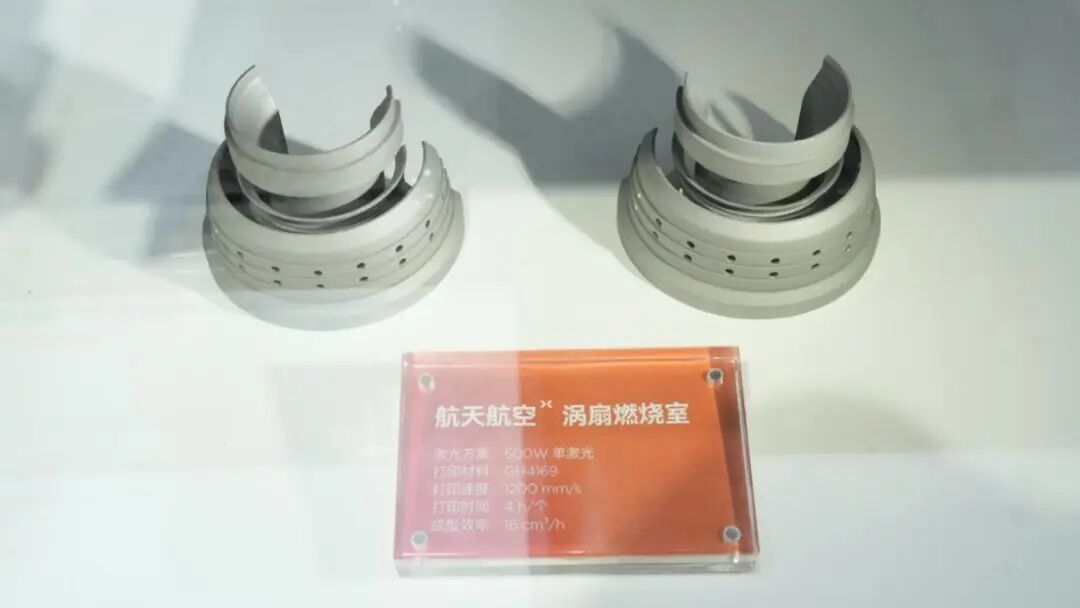
△ Sample parts manufactured with equipment using Baochenxin’s dedicated 3D printing light source
Looking ahead, Polar Bear and Baochenxin discussed the next breakthrough in metal 3D printing, which may focus on three directions:
(1) Higher efficiency and larger-scale parallel manufacturing—improving energy utilization through optical path shaping and intelligent control to achieve large-scale industrialization.
(2) Multi-material and composite material printing—solving the challenges of light absorption and high-precision printing in composite material systems such as metals and polymers, providing possibilities for various industries including new energy vehicles, electronics, and energy.
(3) Intelligent and AI-assisted design—breaking the bottleneck of designer shortages, allowing lasers to collaborate with design and processes for synergistic optimization, enhancing yield from the source.
In fact, from Baochenxin’s technological path and market practices, domestic lasers are not only the “engine” of industrial-grade 3D printing but also the key hub for whether large-scale applications can be realized in the future.
Conclusion by Polar Bear
Emerging from Baoan, Shenzhen, Baochenxin is using its innovation and practice to support the rapid development of industrial-grade 3D printing. Domestic laser manufacturers are no longer the “invisible players” in the industry chain but are beginning to lead the key forces in technological upgrades and large-scale development of the industry.
Polar Bear believes that with the continuous improvement of laser stability and consistency, as well as breakthroughs in multi-material applications, China’s industrial-grade 3D printing is expected to truly usher in a golden age of industrialization. In this transformation, domestic light source companies like Baochenxin are playing an indispensable core role.