Polysilazane resin, with its excellent properties and wide applicability, is driving 3D printing additive manufacturing technology towards high performance, personalization, and sustainability. Below is a comprehensive analysis:
1: Understanding Polysilazane Resin and 3D Printing Additive Manufacturing
- Polysilazane Resin
Polysilazane resin is an organic-inorganic hybrid polymer with a silicon-nitrogen (Si-N) backbone. Due to its unique chemical structure and properties, it has significant applications in various fields. Here are its core characteristics and application advantages:
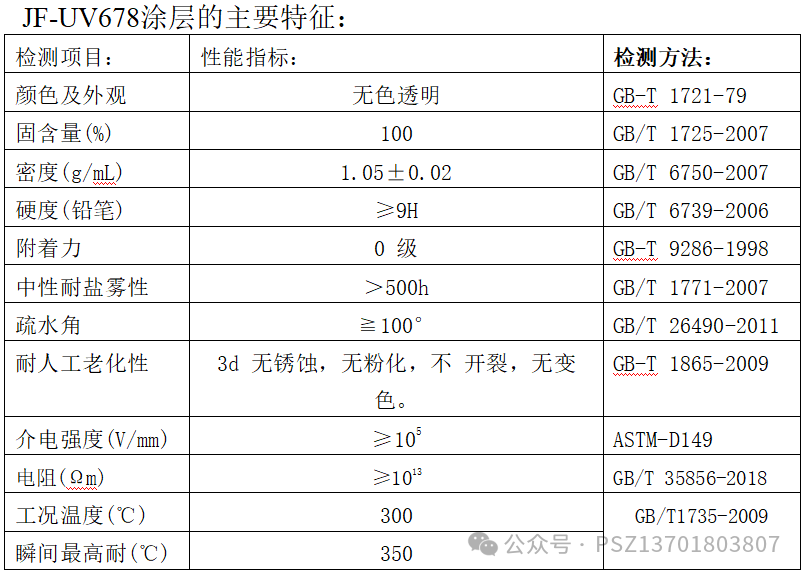
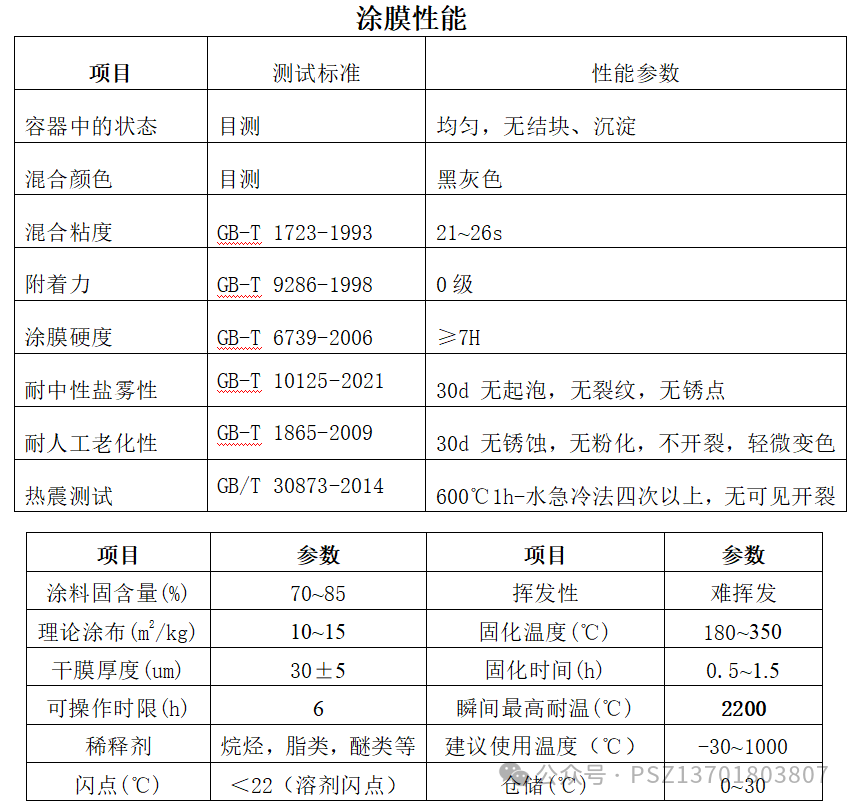
High Hardness and Wear Resistance: After curing, the hardness can reach above 8H, effectively resisting friction and wear, making it suitable for components with high wear resistance requirements.High-Temperature Resistance: It can withstand temperatures above 1800℃, with a low thermal weight loss rate and a ceramic yield of over 80%, suitable for applications in high-temperature environments.Corrosion Resistance: It has good resistance to acids, bases, solvents, etc., protecting printed parts from chemical erosion.Strong Adhesion: It bonds well with various substrates such as metals, glass, and ceramics, ensuring the stability of printed parts.Simplified Process: There is no need for traditional degreasing and high-temperature sintering processes; the transition from gel extrusion to curing is completed in one step, improving production efficiency.
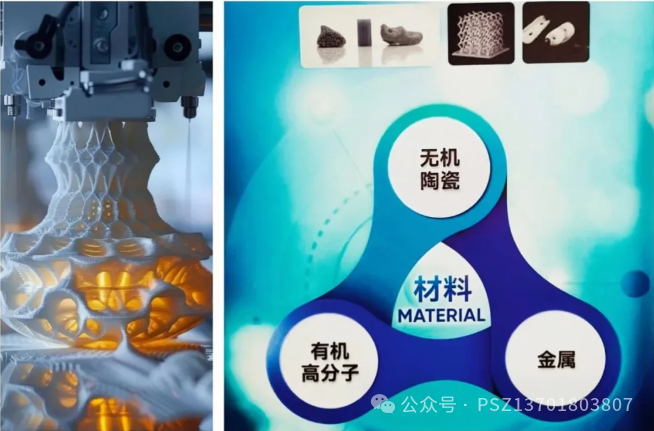
- 3D Printing Additive Manufacturing Technology3D printing additive manufacturing is a technology that constructs three-dimensional objects by adding materials layer by layer.
2: Application Principles
-
Photopolymerization Principle: Specific functional groups (such as acrylate groups) in polysilazane resin undergo photochemical reactions under specific wavelengths of light, triggering the crosslinking and curing of resin molecular chains. By layer-by-layer exposure of the photosensitive resin, the desired three-dimensional object is constructed.
-
Pyrolysis and Ceramization Principle: Polysilazane resin undergoes pyrolysis at high temperatures, where its organic components decompose and release gases while forming ceramic phases (such as SiC, Si₃N₄, etc.). This ceramization process endows the printed objects with excellent high-temperature and corrosion resistance, suitable for applications requiring high material performance.
3: Application Advantages
- Exceptional High-Temperature Performance
Polysilazane resin can achieve a hardness of over 8H after curing, withstand temperatures above 1800℃, with a low thermal weight loss rate and a ceramic yield of over 80%. Compared to traditional 3D printing materials, its high-temperature stability makes it suitable for aerospace, automotive, and other fields with extremely high temperature resistance requirements, allowing for direct printing of high-temperature components without subsequent high-temperature treatment.
- Simplified Process Flow
Traditional metal or ceramic 3D printing requires complex processes such as degreasing and sintering, while polysilazane resin can be converted into inorganic ceramics at only 900℃, eliminating the need for degreasing processes, significantly reducing high-temperature sintering temperatures, shortening production cycles, and lowering costs.
- Excellent Mechanical Properties
Polysilazane resin exhibits high strength and toughness after curing, and its mechanical properties can be adjusted through molecular design. For example, by introducing dynamic chemical bonds (such as urea bonds), toughness can be enhanced during the post-processing stage, improving the product’s impact resistance and fracture resistance, meeting the performance requirements of complex structural components.
- Material Compatibility and Multifunctionality
Polysilazane resin can be compounded with other materials (such as ceramic powders, metal powders) to achieve multi-material integrated printing. Additionally, its hydrophobic, wear-resistant, and corrosion-resistant properties make it widely applicable in fields such as anti-corrosion coatings and electronic packaging, allowing for direct printing of structurally functional components.
- Environmental Friendliness and Sustainability
Compared to traditional materials, the synthesis and use of polysilazane resin have a smaller environmental impact. Its low viscosity characteristics facilitate better flow during printing, reducing material waste and aligning with the trend of green manufacturing.
In summary, polysilazane resin, through its unique properties and process advantages, provides a new breakthrough direction for 3D printing additive manufacturing in the production of high-performance, complex structural components, especially in high-end manufacturing fields such as aerospace, automotive, and electronics.