- Starting Off: What Happens When the “Eyes” of the Engine, the Small Oxygen Sensor, Go Blind?
Who would have thought that a mere “small sensor” could lead to skyrocketing fuel consumption, loss of power, and exhaust emissions that are hard to ignore! The role of the oxygen sensor in the engine is truly indispensable. A sensor that costs just a dollar can cause a catalytic converter worth thousands to fail, turning your beloved car into a “fuel guzzler” and leading to maintenance issues that could result in failing inspections. Recently, as fuel prices have been dropping, some people are still facing higher fuel consumption due to a faulty oxygen sensor, which is quite absurd. Today, I will break down what happens when the oxygen sensor fails, what symptoms indicate a complete breakdown of the “good fuel economy” principle, how to repair it, and how to avoid pitfalls, along with money-saving tips from experienced drivers.
- Comprehensive Analysis of the Oxygen Sensor: What Are the “Dead Spots” After Failure?
2.1 Loss of Power and Increased Fuel Consumption: Becoming a “Fuel Guzzler”
When the oxygen sensor fails, the most direct result is that the Engine Control Unit (ECU) becomes “blind” and the air-fuel ratio goes haywire. Excess fuel injection can increase fuel consumption by 10% to 30%. This is not all; power drops, acceleration becomes weak, and the engine may occasionally shake like it’s undergoing “electrotherapy”. Idle becomes unstable, and stalling can happen unexpectedly. Data supports this: statistics from Shanghai Volkswagen’s after-sales service show that for vehicles over 80,000 kilometers, the failure rate of the oxygen sensor is extremely high, with fuel consumption potentially increasing by 15% to 25%. If you suddenly notice your fuel gauge dropping rapidly, the first thing you should consider is whether the oxygen sensor is “betraying” you.
2.2 Exhaust Emissions Turn into “Rotten Egg Smell”: Failing Inspections Directly Discourages
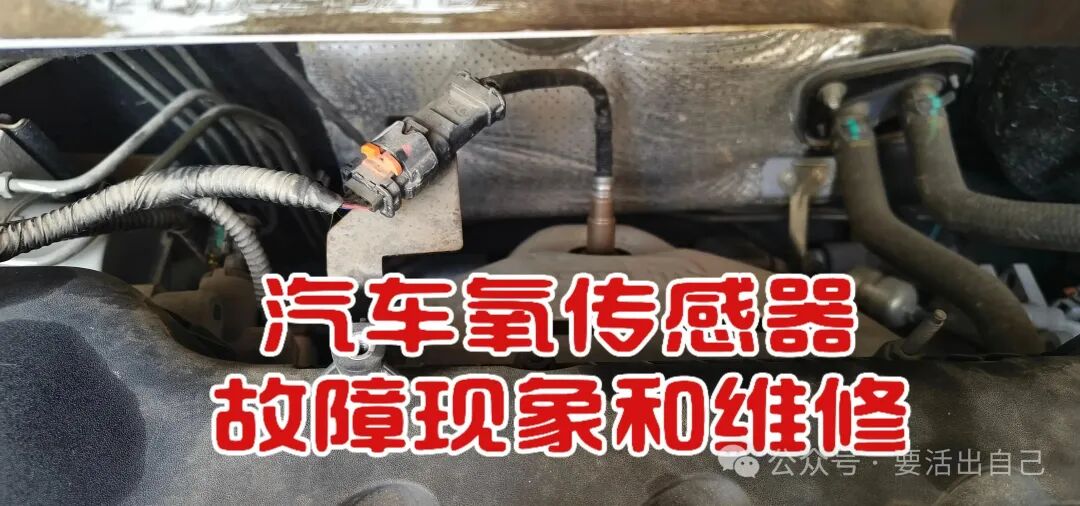
When the oxygen sensor fails, the air-fuel ratio becomes too rich, and the exhaust turns into “black smoke”—the exhaust pipe emits black smoke with a pungent rotten egg smell that can easily deter passersby. If the mixture is too lean, it can also produce blue smoke, burning oil, and the catalytic converter can be “burned out” by unburned fuel, leading to blockage and failure, costing thousands for a new catalytic converter. Failing emissions tests and having the environmental warning light constantly on will give you a firsthand experience of what it means to be “slapped in the face”. Meeting environmental standards? Not a chance!
2.3 Engine Warning Light Illuminated: The Hidden Culprit of Fuel Consumption Quietly Emerges
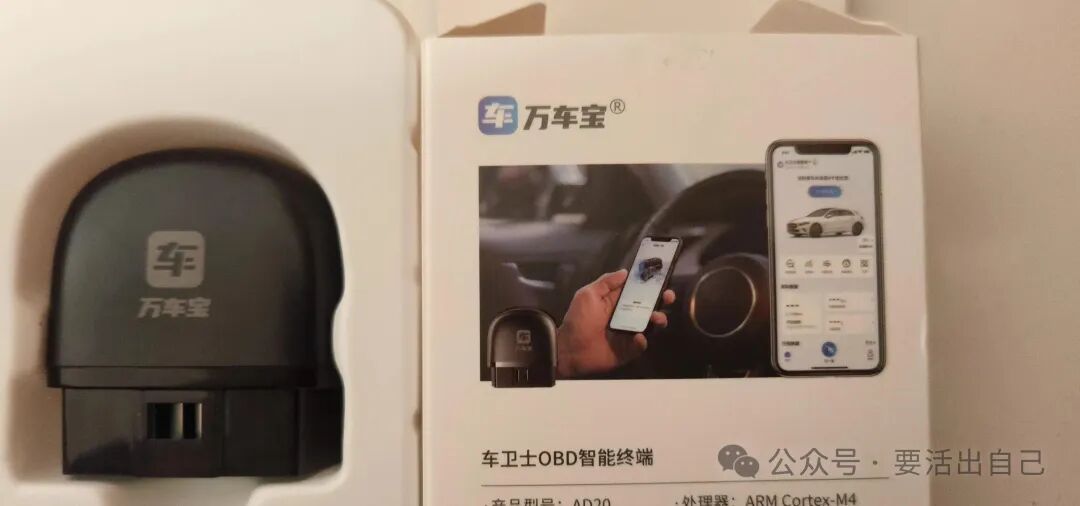
When the “Check Engine” light on the dashboard stays on, using an OBD scanner reveals a long list of fault codes like P0130-P0167, which basically pinpoints the oxygen sensor. Many car owners think it’s just a “minor issue”, but in reality, this is the “invisible fuel guzzler”—statistics from the China Automotive Maintenance Association show that over 30% of vehicles with abnormal fuel consumption are due to sensor failures. For popular models like the Toyota Camry, oxygen sensor failures are also common, typically triggered around 100,000 kilometers. The repair cost is not high, but the consequences of not repairing it can be significant.
2.4 Catalytic Converter “Blown Up” with Repair Costs Soaring
If the oxygen sensor fails and is not repaired, the ECU injects too much fuel, subjecting the catalytic converter to high temperatures and unburned fuel, which can halve its lifespan, leading to blockage, failure, and scrapping. Replacing a catalytic converter can easily cost thousands, turning a “budget car” into a “money-burning toy”. Some experienced drivers think they can delay repairs, only to find themselves at the dealership where the staff immediately present them with a “package deal”: catalytic converter plus oxygen sensor, leading to a lighter wallet.
- Technical Highlights: How Important is the Oxygen Sensor?
3.1 The Soul of Air-Fuel Ratio Adjustment
The oxygen sensor is the soul of engine emission control, continuously monitoring the oxygen content in the exhaust and feeding the signal back to the ECU, allowing the computer to precisely control the fuel injection amount and maintain the ideal air-fuel ratio (14.7:1). The response speed of this component directly affects fuel consumption and power; when functioning normally, the voltage signal fluctuates 5-8 times per second, with values ranging from 0.1V to 0.9V. If the fluctuations are slow and the amplitude is small, it indicates a decrease in sensitivity, and the vehicle will gradually “deteriorate”.
3.2 Three Systems Working Together: Balancing Environmental Protection and Performance
The oxygen sensor not only affects fuel consumption and power but also relates to the operating temperature range of the catalytic converter, acting as the “eyes of the engine’s brain”. Once it fails, the engine’s fuel injection relies on guesswork, and environmental data will directly “drop off”. For hybrid models like the Toyota Camry, where the three systems collaborate, the oxygen sensor is an indispensable key component. Its failure leads to a triple blow to fuel consumption, power, and environmental protection, turning from “good fuel economy” to “discouraging”.
- Real User Feedback and Comparative Analysis: How Do Classic Models Like the Toyota Camry Perform?
4.1 Toyota Camry: Reliable and Durable, but Oxygen Sensors Also Have Their “Old Age Diseases”
The Camry has always prided itself on being a “national car”, with low maintenance costs and high reliability. However, for older models produced between 1990 and 2014, oxygen sensor failures are not uncommon, typically occurring around 120,000 miles (190,000 kilometers). Fortunately, Toyota parts are inexpensive, and repairs are straightforward, with an average annual maintenance cost of $388, totaling less than $5,000 in ten years, making it a representative of the “good value” principle.
4.2 Honda Accord/Hyundai Sonata: Oxygen Sensors Are Also Wear-Prone Components
Models like the Honda Accord and Hyundai Sonata also have a high failure rate for oxygen sensors. After exceeding 80,000 kilometers, the probability of failure increases significantly. The replacement cost for the Accord’s oxygen sensor is slightly higher, but the structural differences are minimal. For certain years of the Hyundai Sonata (where the catalytic converter and oxygen sensor are integrated), the replacement cost can be higher. Overall, the Toyota Camry still has the best cost of ownership, but all three models have oxygen sensors that are prone to wear, and replacement is recommended every 80,000 to 100,000 kilometers.
- Oxygen Sensor Repair & Maintenance: Money-Saving Tips from Experienced Drivers
5.1 Fault Diagnosis & Repair Steps
-
First, use OBD to read the fault codes to confirm the culprit.
-
Observe the data stream to check if the voltage fluctuations are normal (0.1-0.9V, 5-8 times per second).
-
If there is slight carbon buildup, try cleaning it (using a specialized cleaner, being careful not to soak the wiring harness).
-
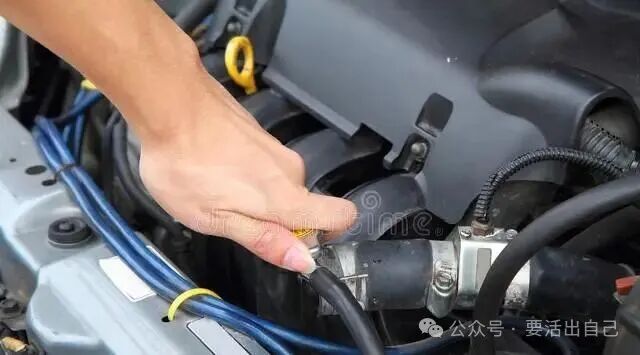
If cleaning is ineffective and the signal is abnormal, replace it directly; the operation is simple: disconnect power, remove, replace with a new one, tighten, and reset the ECU to get it back in shape.
-
Check for oxidation or breakage in the wiring harness connectors; don’t overlook small details.

5.2 Prevention is Key: Choose the Right Parts
-
Check the appearance and data every 20,000 kilometers, and replacement is recommended every 80,000 to 100,000 kilometers.
-
Only use genuine parts; don’t be tempted to buy “cheap knockoffs”.
-
Frequent short trips, using low-quality fuel, and leaded gasoline are all killers of oxygen sensors; don’t save on fuel only to end up with “big expenses”.
-
Regular maintenance is essential; don’t wait until the warning light comes on to regret.
- When the Oxygen Sensor Fails, Does the Good Fuel Economy Principle Break Down?—Analysis of Five Major Pain Points and Resale Value
6.1 Fuel Consumption “Skyrockets”, No Car Can Save You
It is not an exaggeration to say that when the oxygen sensor fails, whether you drive an Accord, Camry, or Sonata, fuel consumption can make the owner “jump up in anger”. The money saved on fuel is quickly “burned” away. Fuel prices rise, and you feel the pain; when prices drop, the car still consumes fuel—it’s not unfair, is it?
6.2 Resale Value Takes a Hit: Failing Emissions Tests Directly Discourages
Failing emissions tests and having the environmental warning light constantly on makes it difficult for car owners to sell their vehicles. When buying a used car, the condition of the oxygen sensor must be checked; otherwise, the “good fuel economy” principle can backfire. This is especially true for hybrid models, where the three systems have higher demands on the oxygen sensor, and resale value is closely related to maintenance.
6.3 User Experience Drops Significantly: Driving Becomes Embarrassing
Loss of power, weak acceleration, and unpleasant exhaust fumes make driving feel like “walking with your head down”. Want to show off? Fix the oxygen sensor first; otherwise, you might get “slapped in the face” at any moment.
Conclusion: When the Oxygen Sensor Fails, Is the Good Fuel Economy Principle Still Valid? What Will You Choose?
The oxygen sensor, though seemingly insignificant, is crucial for fuel consumption, power, environmental protection, and your wallet. Maintaining it well allows your car to perform optimally, saving fuel and ensuring smooth inspections, making you the first to enjoy the ride. Neglecting it leads to soaring fuel consumption, catalytic converter failure, excessive emissions, and a shrinking wallet, directly discouraging you. Will you ignore this “small eye”? When faced with oxygen sensor failure, will you choose to replace it promptly or endure until the end? With such repair costs and hidden risks, do you still love it? What will you choose? Feel free to share your thoughts in the comments!