The ARINC 429 bus protocol was proposed by the Airlines Engineering Committee in July 1977 and was published and approved for use in the same month. Its full name is the Digital Information Transfer System (DITS). The protocol standard specifies the requirements for digital information transmission between avionics equipment and related systems. ARINC 429 is widely used in advanced civil aircraft such as the B-737, B757, and B-767, and similar technology has been adopted in Russian military aircraft. The corresponding standard for us is HB6096-SZ-01.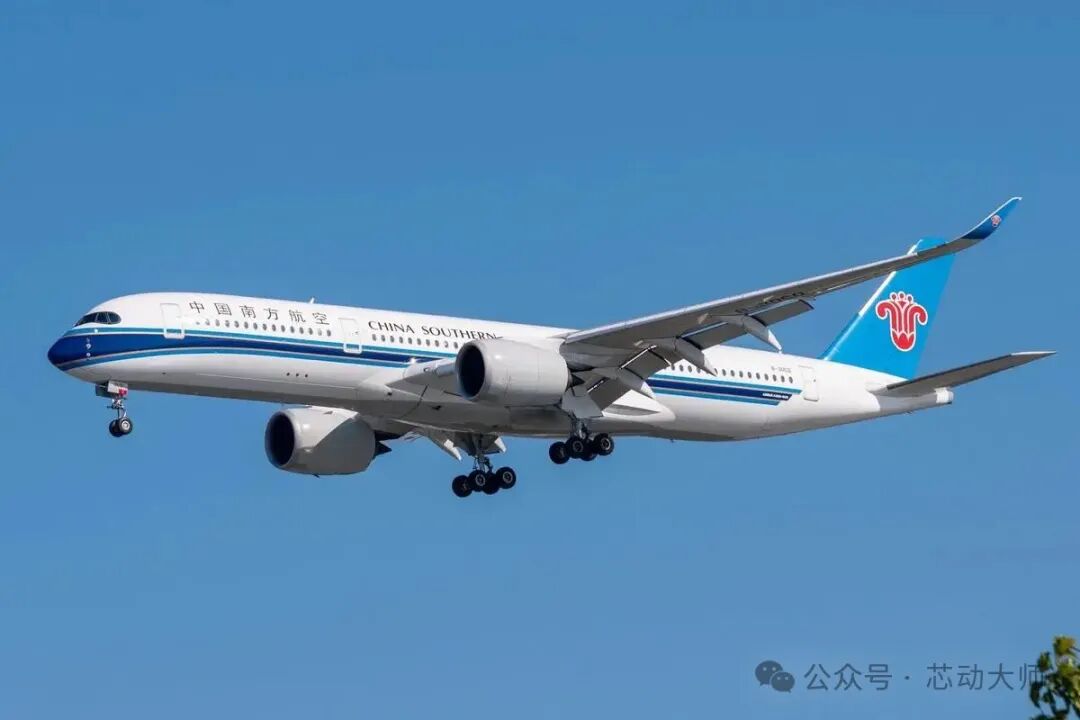
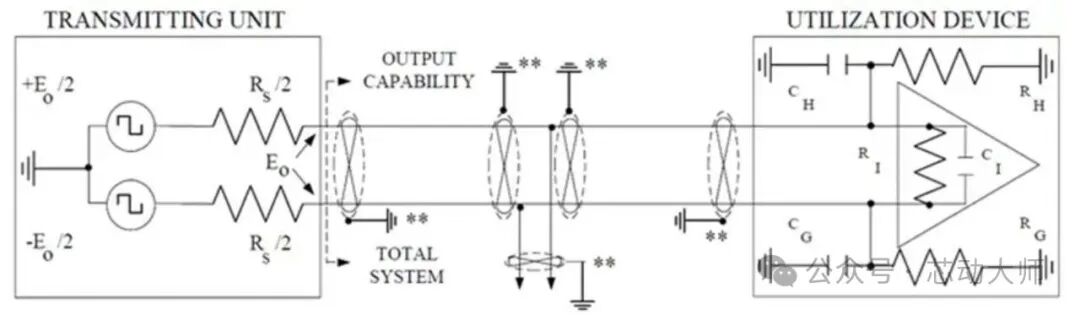
 ARINC 429is a commonly used bus protocol for exchanging data between electronic systems on civil/military aircraft and spacecraft. It employs a point-to-point transmission format, allowing a single transmitter to support up to 100 receivers, with a transmission rate of 12.5 kbps or 100 kbps, referred to as low-speed or high-speed, respectively.ARINC 429 uses twisted pair cables as the physical transmission medium, employing differential signaling (differential transmission) to enhance anti-interference capability. All interrupt points and connectors should be grounded.Twisted pair transmission not only reduces electromagnetic interference (EMI) but also improves the reliability of data transmission. The differential voltage signal ranges from +10V to -10V.
 ARINC 429 is a unidirectional communication protocol, meaning data can only be transmitted from one transmitter to one or more receivers. Each transmitter has its own independent bus pair. Therefore, there is no bidirectional communication between individual transmitters and receivers, which is one of the limitations of ARINC 429.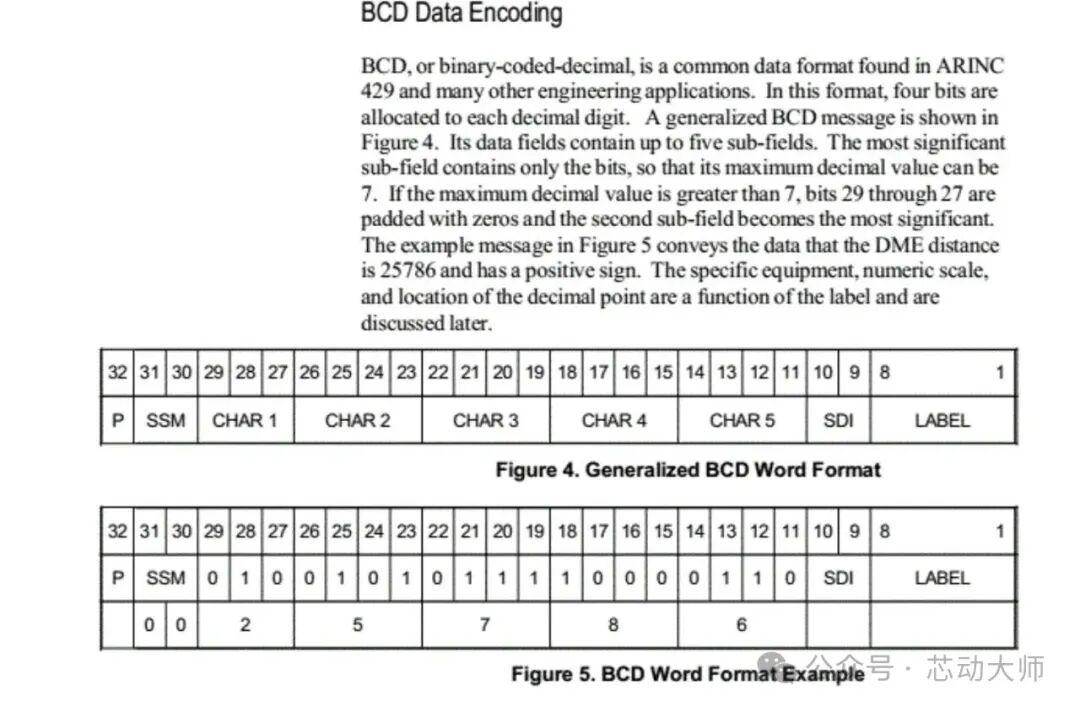
ARINC 429 supports two standard data transmission rates:
1. Low-speed (Lo-speed):
The transmission rate is 12.5 kbps. Low-speed mode is mainly used for subsystems that require relatively low-speed and reliable transmission, such as sensors or slower communication devices.
2. High-speed (Hi-speed):
The transmission rate is 100 kbps. High-speed mode is suitable for systems that require real-time, high-speed data transmission, such as flight control and navigation systems.
These two transmission rates allow the ARINC 429 bus to adapt to different types of communication needs.
ARINC 429 Data Frame Analysis
Data Frame Format
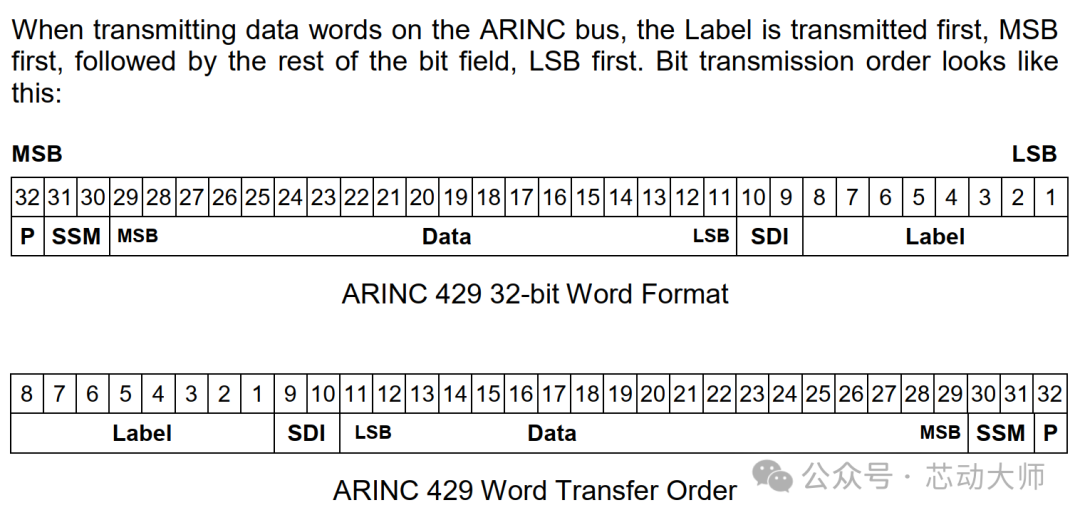
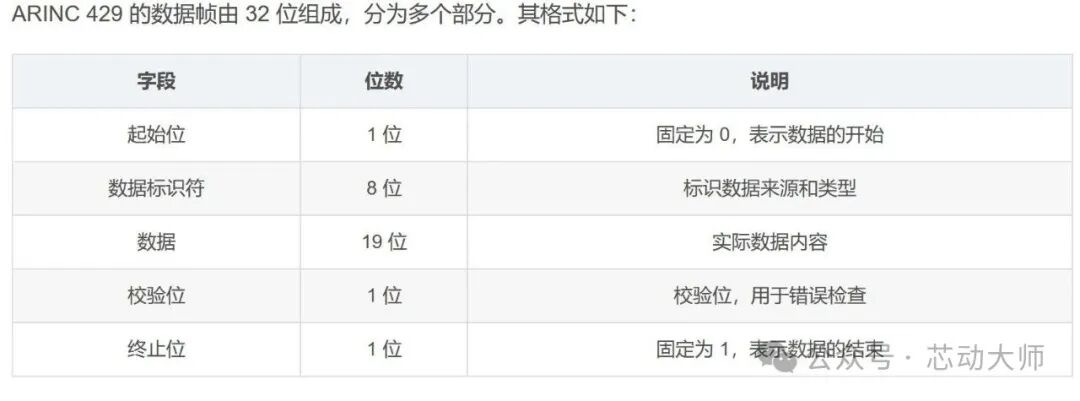 As mentioned earlier, the ARINC 429 data frame consists of 32 bits. We can break it down into several parts:
- Start Bit: Always 0, indicating the start of the data.
- Data Identifier: 8 bits, used to identify the data source and data type.
- Data: 19 bits, the actual data content being transmitted.
- Parity Bit: 1 bit, used to check whether the transmitted data is correct.
- Stop Bit: Always 1, indicating the end of the data frame.
Assuming we need to transmit flight data via the ARINC 429 protocol, such as flight altitude. Let’s say the data identifier is <span>0x7A</span> and the data is <span>15000</span> (i.e., an altitude of 15000 feet).
- Start Bit: 0
- Data Identifier:
<span>0x7A</span>(<span>01111010</span>) - Data:
<span>15000</span>(needs to be converted to binary,<span>15000</span>corresponds to binary<span>001110010100000</span>) - Parity Bit:
<span>1</span>(the parity bit is generated based on the data content) - Stop Bit:
<span>1</span><span>The data frame structure will look like:</span>0 01111010 001110010100000 1 1
How to Implement the ARINC 429 Bus ProtocolTo implement the ARINC 429 bus protocol, hardware modules (such as FPGA or microcontrollers) are typically required to handle data transmission and reception. Additionally, signal driving, voltage control, and other configurations are necessary. Below is a simple example illustrating how to implement an ARINC 429 bus protocol receiver and transmitter using Python.
Hardware Requirements
- FPGA or Microcontroller: Can simulate ARINC 429 signal transmission and reception through GPIO control lines.
- ARINC 429 Interface: A hardware interface module that supports data transmission and reception.
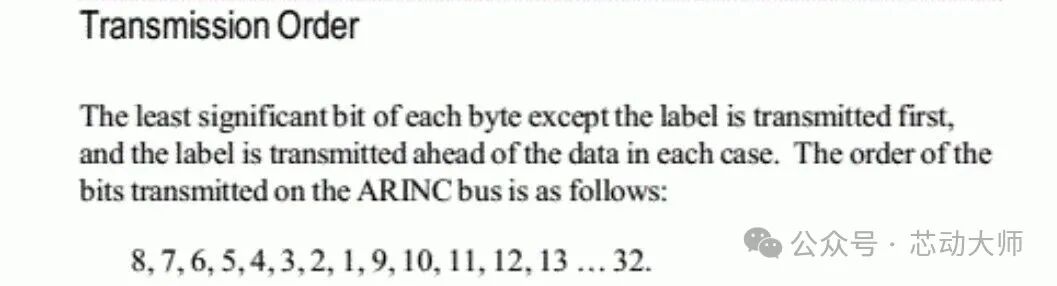
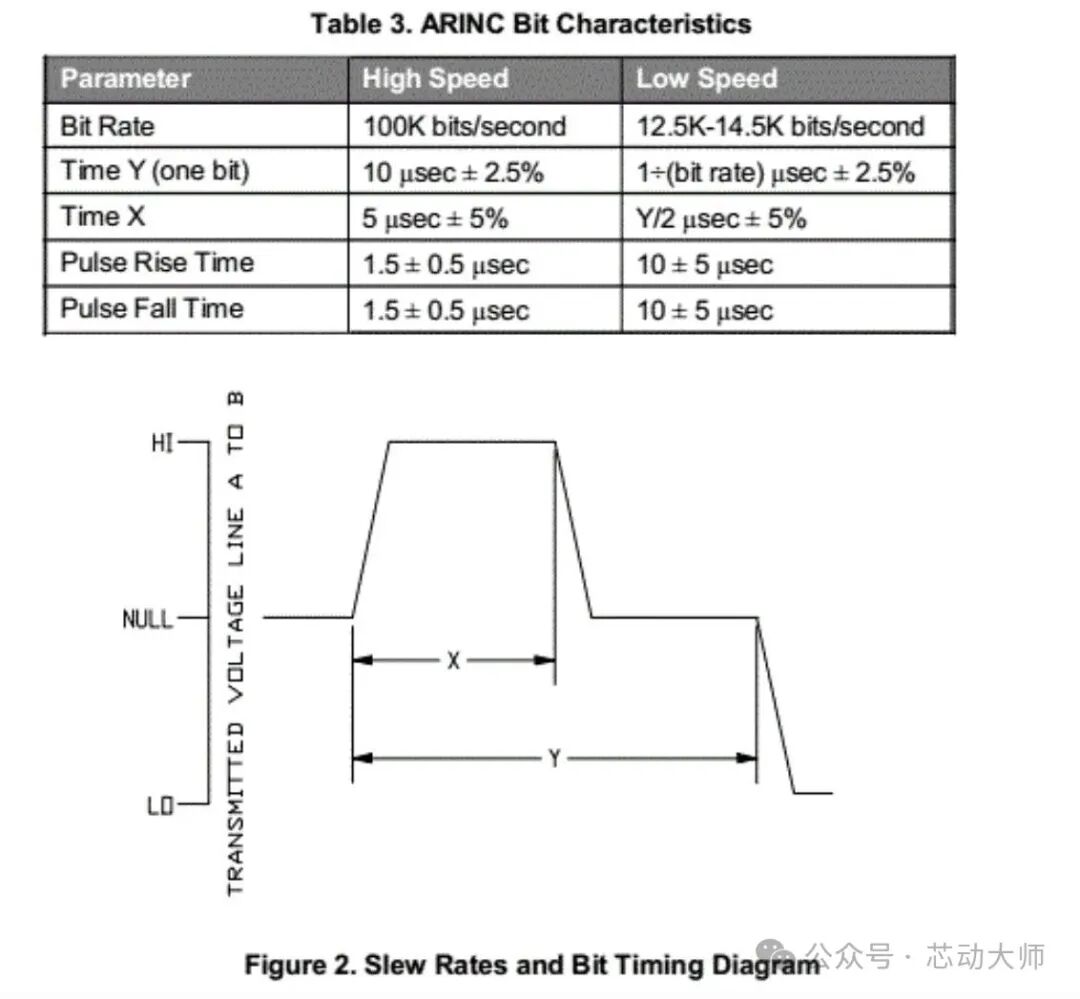
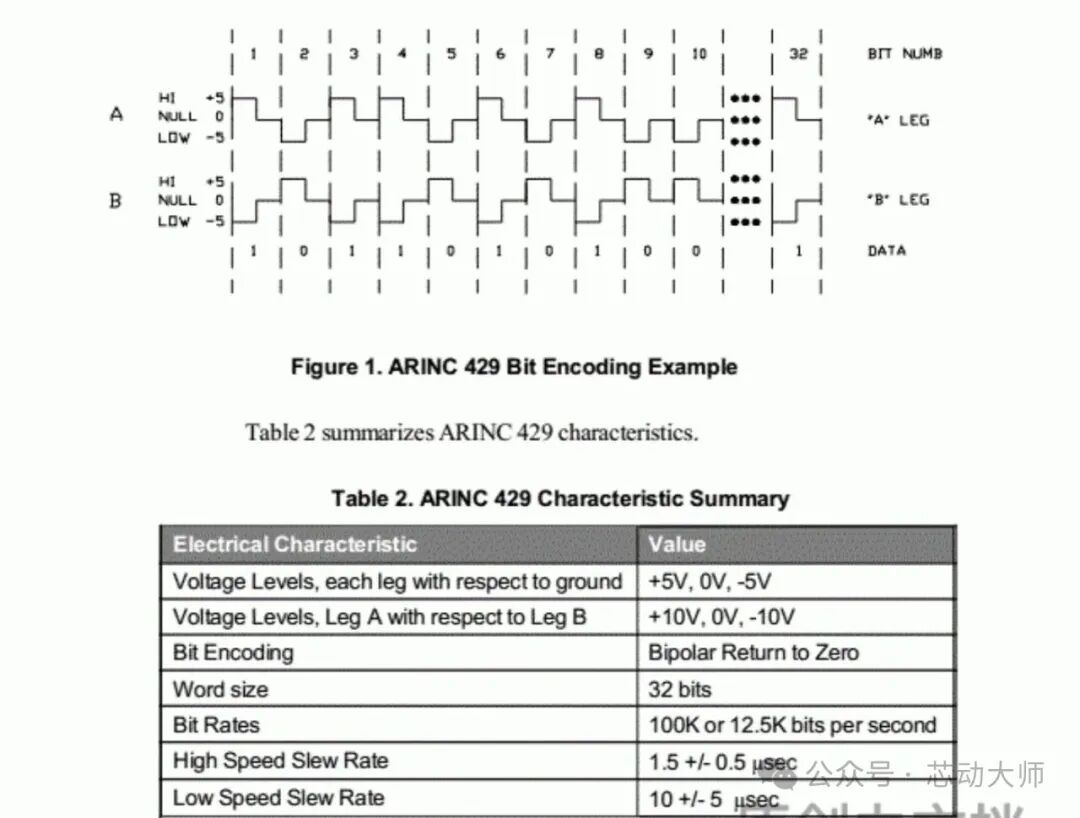
The ARINC 429 protocol is a widely used data communication protocol in avionics equipment, characterized by high reliability and strong anti-interference capabilities. This article introduces the working principles of ARINC 429, data frame formats, encoding methods, and how to implement simple ARINC 429 data transmission.
Through the simulated code, you can generate and send ARINC 429 data and understand the basic structure and application of the protocol. In actual development, you may need to combine hardware such as FPGA and microcontrollers to achieve efficient ARINC 429 bus communication systems.
Anyone familiar with the ARINC bus protocol? Feel free to share your suggestions in the comments! 👇
<strong><strong><img alt="What is the ARINC 429 Bus? Principles and Introduction!" src="https://boardor.com/wp-content/uploads/2025/11/544ddc69-ff45-4307-b113-53639d8aa550.png" /><p><span>Follow our public account to receive article updates in real-time.</span></p><p><span><span><span><span>For collaboration and communication, please add WeChat: <img alt="What is the ARINC 429 Bus? Principles and Introduction!" src="https://boardor.com/wp-content/uploads/2025/11/8a63e35d-f8ca-4e79-bd53-f4226fbdf9c9.png" /> </span></span></span></span></p><span><span>If you need to join the technical group, please reply "join group" in the background.</span></span><span><span>Good things are meant to be shared.</span></span><span><span>If you think this content is good, please forward or share it to your </span></span><strong><span><span>circle of friends</span></span></strong><span><img alt="What is the ARINC 429 Bus? Principles and Introduction!" src="https://boardor.com/wp-content/uploads/2025/11/7e14ac8d-8460-49ba-903c-a04ba08b1ad5.webp" /></span><pre><code>Copyright Statement: The content of Xindong Master, whether original or reprinted, is owned by the original author, and the views only represent the author's personal opinion. Xindong Master is only for knowledge sharing. If you need to reprint or quote, please contact the original author. Xindong Master cites online articles, all of which are credited to the source and author, except for untraceable articles. If there are any objections, please contact us.
Like
Collect
Share
Disclaimer: All articles, images, audio, video files, and other materials reprinted by this public account are owned by the copyright holder (those whose copyright cannot be verified or not indicated are all collected from the internet). If there is any infringement, please contact us for deletion. The purpose of reprinting is to convey more information and does not represent the views of this public account.