Robotic grippers, also known as robotic hands or claws, are referred to as end-of-arm tooling (EOAT). As part of robotic automation systems, robotic grippers connect to robotic arms, enabling robots to perform tasks such as handling, stacking, and loading/unloading, thereby improving production efficiency and quality, reducing labor intensity, and replacing workers in hazardous and repetitive tasks to ensure their safety. This article will introduce the main classifications and development trends of robotic grippers and provide an overview of major domestic and international robotic gripper manufacturers.
– Article Information – This article is an original publication by Yang Pei from the e-works editorial team.
Robotic grippers, also known as robotic hands or claws, are referred to as end-of-arm tooling (EOAT). They are components mounted on robotic arms that directly grasp workpieces or perform tasks, allowing robots to hold, grip, pick up, transport, and place objects, or achieve automated processing of workpieces. As part of robotic automation systems, robotic grippers connect to robotic arms, enabling robots to perform tasks such as handling, stacking, and loading/unloading, thereby improving production efficiency and quality, reducing labor intensity, and replacing workers in hazardous and repetitive tasks to ensure their safety.
Benefiting from the development of the robotics industry, robotic grippers, as an important component of industrial robots, have gradually gained attention in recent years. This article will introduce the main classifications and development trends of robotic grippers and provide an overview of major domestic and international robotic gripper manufacturers.
01Main Classifications of Robotic GrippersRobotic grippers can be classified in various ways. This article mainly introduces their classification based on four criteria: drive method, grasping method, morphological characteristics, and functional purposes.
01
Classification by Drive Method
According to different drive methods, robotic grippers can be mainly divided into hydraulic grippers, pneumatic grippers, and electric grippers.
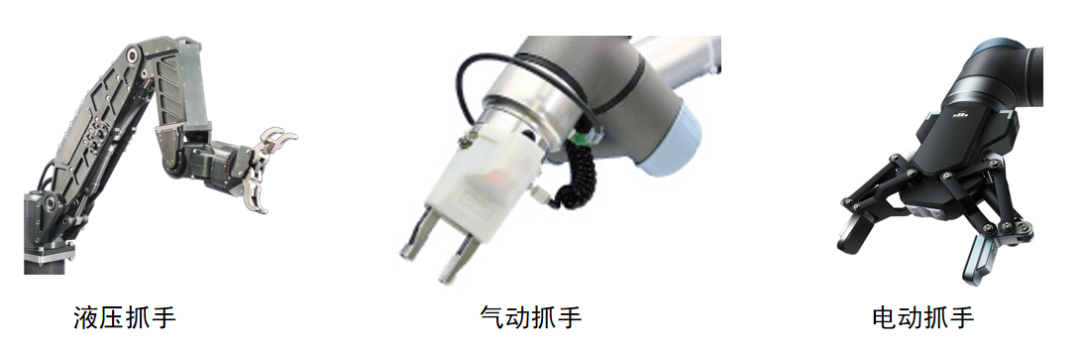
Figure 1: Hydraulic grippers, pneumatic grippers, and electric grippers (Image source: Kaifuboke, SMC, Dahuang Robotics)
Hydraulic grippers use hydraulic transmission to generate hydraulic pressure through a hydraulic system, which is then converted into mechanical energy, allowing the robotic gripper to grasp objects like a human hand. Their advantages include compact structure, wide speed range, easy speed adjustment, smooth transmission, quick response, high load rigidity, and high power-to-weight ratio, making them suitable for grasping heavier objects. However, their performance can be easily affected by temperature changes, making them unsuitable for extreme temperature conditions; hydraulic components require high manufacturing precision, leading to higher costs; and troubleshooting hydraulic transmission failures can be difficult.Pneumatic grippers use compressed air as power to grasp or hold workpieces and are currently the most widely used type of robotic gripper. Depending on their functional characteristics, pneumatic grippers can be further divided into parallel grippers, swing grippers (Y-shaped grippers), rotating grippers, and three-point grippers. The main features of pneumatic grippers include: simple structure, lightweight, easy installation and maintenance, low operating costs; convenient air source, simple exhaust treatment, and no environmental pollution; fast response speed, and easy automation control; diverse models and gripping forces to adapt to different applications; strong environmental adaptability, capable of working in harsh environments (high temperature, strong magnetism, radiation, vibration, etc.); high reliability and long service life. However, they have limitations such as single grasping point, insufficient force control precision, and difficulty in meeting multifunctional grasping needs; unstable air pressure output can lead to unstable gripping force, causing objects to slip.Electric grippers, driven by electricity, have emerged as a new type of robotic gripper in recent years. Their rise is largely attributed to the development of flexible production tools represented by collaborative robots. Electric grippers can achieve digital control, allowing for precise control of speed, position, and gripping force, and are highly flexible, making them more suitable for production lines requiring flexible manufacturing.
02
Classification by Grasping Method
Based on different grasping and holding methods, robotic grippers can be divided into internal support grippers, external clamping grippers, and internal-external clamping grippers.
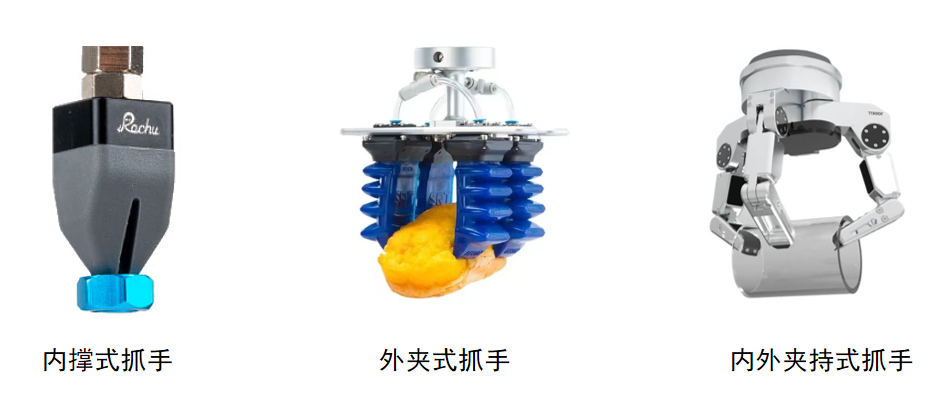
Figure 2: Internal support grippers, external clamping grippers, and internal-external clamping grippers (Image source: Soft Robotics, SRT Soft Robotics, JunTuo Robotics)
Internal support grippers use an internal clamping method. In certain applications, due to the geometric shape of the object, such as objects with holes, it is necessary to grasp and hold the object from the inside. In this case, the gripper uses expansion force to grasp and hold the object.External clamping grippers use an external clamping method. In this case, the gripper applies clamping force to grasp and hold the object. Since external clamping is a more common method of holding objects, external clamping grippers are more widely used.Of course, this classification is based on grasping methods, and some robotic grippers support both internal and external grasping methods. Additionally, there are internal-external clamping grippers that can combine both internal and external clamping methods to grasp and hold objects.
03
Classification by Morphological Characteristics
Based on different morphological characteristics, robotic grippers can be mainly divided into fingerless grippers and anthropomorphic grippers.
Fingerless grippers do not have fingers like human hands. Among them, suction cups are a typical example of fingerless grippers. Depending on their working principles, suction cups can be divided into magnetic suction cups, vacuum suction cups, electrostatic suction cups, and van der Waals force suction cups.
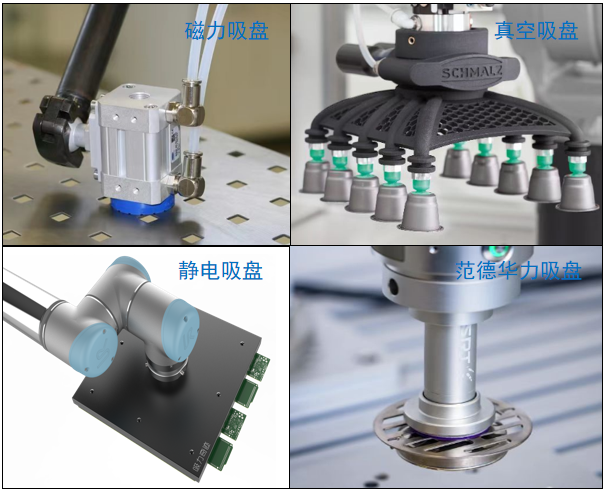
Figure 3: Applications of various suction cups (Image source: Schmalz, Suction Miracle, SRT Soft Robotics)
The principle of magnetic suction cups is to install an electromagnet on the hand, which uses magnetic force to hold ferromagnetic workpieces. Magnetic suction cups can be divided into electromagnetic suction cups, permanent magnetic suction cups, and electro-permanent magnetic suction cups. The characteristics of electromagnetic suction cups include that the workpiece’s attachment and detachment are controlled by a switch, which allows for high operational efficiency and easy automation integration with mechanical actions, and the suction force can be electrically controlled, allowing for large designs. Permanent magnetic suction cups do not require a power source, can maintain their attachment state for long periods without electricity, and do not cause thermal deformation of the workpiece. Electro-permanent magnetic suction cups have the characteristic that the attachment and detachment of the workpiece are controlled by a switch, using electricity only momentarily during attachment and detachment, and can maintain suction even during power outages.Vacuum suction cups operate by creating negative air pressure through vacuum equipment, allowing them to hold objects. They are suitable for transporting materials such as iron plates, aluminum plates, steel plates, stone plates, various types of glass, and other materials with relatively flat and regular surfaces. Vacuum suction cups are generally made of rubber materials, are easy to use, have low wear, and do not pollute the environment, and they do not damage the workpiece when picking up and placing it. Common types of vacuum suction cups include flat suction cups, corrugated suction cups, oval suction cups, and special suction cups.Electrostatic suction cups use electrostatic induction to attach to objects. The suction force generated by electrostatic suction cups comes from the uniform electric current generated across the entire suction surface, which has the advantage of not applying physical pressure to the workpiece, making them suitable for the production of advanced electronic products that require the attachment of thin and delicate workpieces (such as semiconductor wafers, glass, metal foils, films, etc.). However, if the workpiece is wet or too thick and warped, electrostatic attachment can be challenging.Van der Waals force suction cups are inspired by the microscopic features of gecko feet. Van der Waals force, also known as intermolecular force, is an electrical attraction that exists between molecules. The tiny hairs on a gecko’s foot can generate van der Waals force with the wall, and although the force generated by each hair is negligible, it accumulates to a significant amount. Van der Waals force suction cups achieve attachment through special materials and van der Waals forces, making them suitable for attaching flat micro-devices and applicable in the 3C electronics industry.Anthropomorphic grippers mimic the grasping ability of human hands and have fingers, allowing for more precise movements.Based on the number of fingers, they can be classified into two-finger grippers, three-finger grippers, four-finger grippers, and five-finger grippers. Among them, two-finger grippers are widely used; when two-finger grippers are unsuitable for handling workpieces, three-finger, four-finger, and five-finger grippers can provide better grasping support and stability. Based on their operating principles, anthropomorphic grippers can be further divided into 2-finger parallel grippers, 2-finger angular grippers, 2-finger horizontal rotating grippers, 2-finger long-stroke parallel grippers, 3-finger centering grippers, 3-finger long-stroke centering grippers, four-finger centering grippers, and anthropomorphic five-finger dexterous hands.
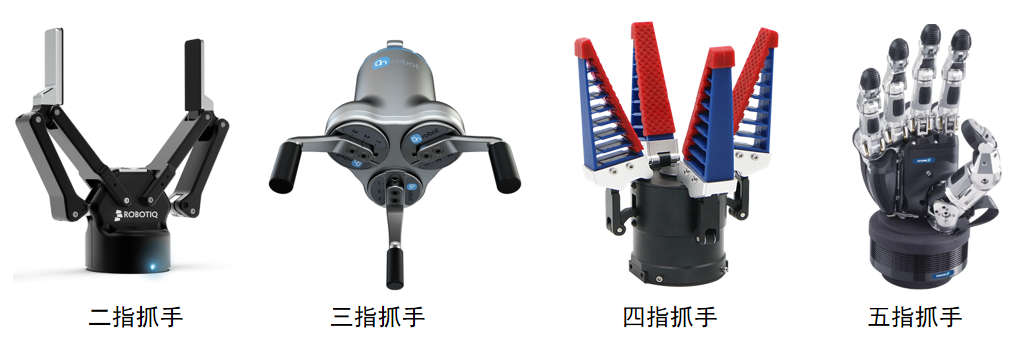
Figure 3: Anthropomorphic grippers (Image source: OnRobot, Robotiq, Yizhu Robotics, Schunk)
04
Classification by Functional Purposes
Based on different functions and purposes, robotic grippers can be mainly divided into handling grippers, processing grippers, and measuring grippers.
Handling grippers mainly complete the automated handling of workpieces through clamping, suction, and other methods, including grasping grippers, clamping grippers, suction cups, and magnetic grippers. Grasping grippers are widely used for stacking various soft bagged products, such as bagged fertilizers, feed, grains, and chemical raw materials. Clamping grippers are mainly used for handling and stacking items in whole boxes or regular box packaging, such as turnover boxes and cartons. Suction cups are suitable for transporting and stacking items with smooth, stable surfaces, such as plastic and glass; magnetic grippers are suitable for handling ferromagnetic materials such as steel and iron sheets.Processing grippers are equipped with processing tools such as spray guns, welding guns, grinding wheels, and milling cutters to complete tasks such as cutting, welding, polishing, grinding, and spraying, achieving automated processing of workpieces.
Measuring grippers are additional devices equipped with measuring heads or sensors that do not participate in handling or processing tasks, mainly used for measurement and inspection operations.
02Development Trends of Robotic Grippers
Industrial robots, as intelligent equipment capable of automatically performing various industrial tasks, play a very important role in modern factories, and their application range and functions are constantly expanding and improving. With the continuous expansion of the application fields of robots, the market demand for robotic grippers is also being released, and they are being applied in more and more fields. Moreover, driven by technological advancements and market demand upgrades, robotic grippers are currently developing towards “electrification, flexibility, bionics, dexterity, and intelligence.”
Electrification Compared to hydraulic and pneumatic grippers, electric grippers were developed later but have rapidly advanced. This is reflected in two aspects: on one hand, major pneumatic gripper manufacturers such as Schunk, SMC, Festo, and Zimmer have launched electric gripper products; on the other hand, a number of well-known manufacturers focusing on electric grippers have emerged in recent years. Among them, international manufacturers such as OnRobot and Robotiq are representative, while domestic manufacturers include JunTuo Robotics, ZhiXing Robotics, ZengGuang Intelligent, Dahuang Robotics, and YinShi Robotics. Moreover, the market share of electric grippers is gradually increasing, and new electric gripper manufacturers continue to emerge.This is because electric grippers outperform hydraulic and pneumatic grippers in terms of performance and structure. Compared to pneumatic grippers, they replace the air source, filters, and solenoid valves of pneumatic grippers with an electromechanical integrated structure, simplifying the system structure and making them suitable for environments without air sources, such as medical and laboratory applications. Compared to hydraulic grippers, their system maintenance is convenient, they do not require hydraulic energy, and they can reduce energy pollution. Additionally, electric grippers can achieve digital control, allowing for precise control of speed, position, and gripping force; through vector control and dynamic compensation, electric grippers can achieve force control at high speeds, making them more adaptable to flexible production needs.
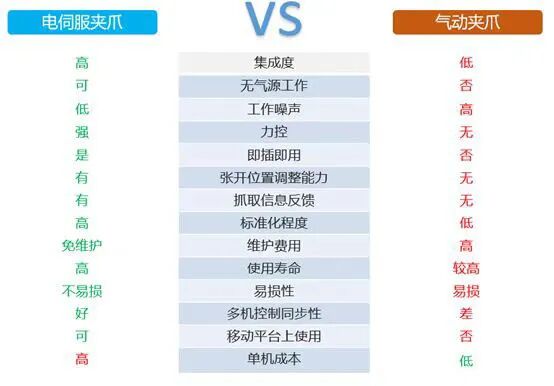
Figure 4: Comparison of electric grippers and pneumatic grippers (Source: JunTuo Robotics)
However, the current market for robotic grippers is still dominated by pneumatic grippers, and their dominant position is unlikely to change in the short term. According to statistics and forecasts from the High-tech Industry Research Institute (GGII), the market share of electric grippers in the Chinese market is currently less than 10%, and it is expected to exceed 14% by 2025. Moreover, some manufacturers focusing on electric grippers have also begun to explore pneumatic grippers and suction cup products, considering the current market situation and customer needs.
Flexibility
Traditional robotic grippers are mostly rigid grippers. The limitations of rigid grippers mainly lie in their clamping force, which is usually uncontrollable; if the clamping force is too great, it may damage the object during grasping or leave scratches on the product surface. Additionally, for some irregularly shaped objects that are prone to deformation, rigid grippers and suction cups may not effectively grasp them. This has also driven robotic grippers towards flexibility and soft robotics. Currently, some manufacturers have launched flexible gripper/soft gripper products that have addressed the grasping issues of irregular and fragile items to some extent, filling the gaps where rigid grippers and suction cups cannot be applied in certain situations.
For example, Schunk, as one of the global leaders in gripping systems and clamping technology, offers over 1200 types of gripper jaws, including base jaws, embedded jaws, step jaws, swing jaws, soft jaws, and QUENTES plastic jaws. Among them, QUENTES plastic jaws provide strong clamping force while maximizing surface protection, and the clamping inserts made of glass-reinforced plastic achieve a high coefficient of friction, making them very suitable for parts that require grinding or surface treatment, preventing clamping marks on the workpiece surface.
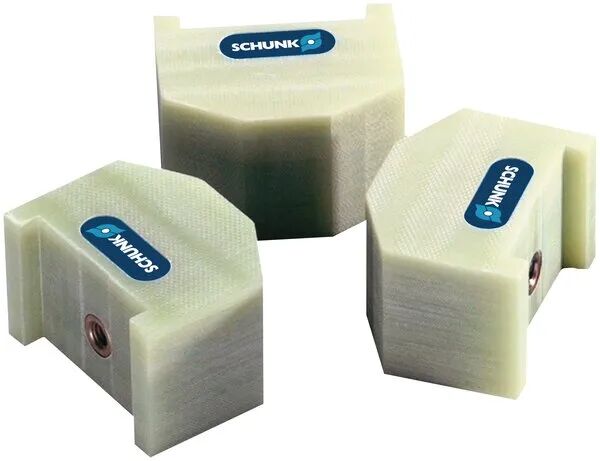
Figure 5: QUENTES clamping inserts made of glass-reinforced plastic (Image source: Schunk)
Soft Robotics in Suzhou is dedicated to providing flexible gripper solutions for industrial automation and intelligent manufacturing, with products including flexible gripper jaws, pneumatic gripper jaws, flexible robotic hands, and their controllers, which have been applied in various fields such as industrial automation, food, medical, automotive, clothing, 3C electronics, toys, packaging logistics, and education. In practical applications, their flexible gripper jaws can adaptively cover the target object without prior knowledge of its exact shape and size, achieving flexible grasping without damaging the object or leaving scratches on its surface.
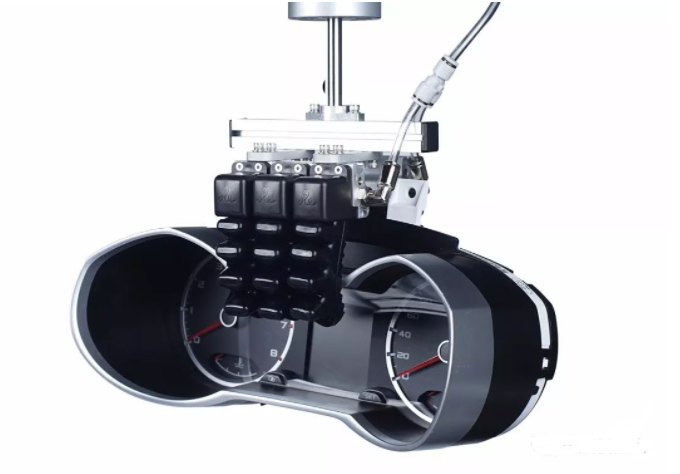
Figure 6: Flexible grippers used for sorting and handling automotive instrument assemblies (Image source: Soft Robotics)
Manufacturers such as Soft Robotics in the USA, OnRobot in Denmark, Beijing Soft Robotics Technology, and Dongguan Yizhu Robotics are also committed to the research and application of flexible soft grippers.
Bionics Biological organisms have evolved optimal solutions for survival in constant confrontation with their natural environment. Therefore, some manufacturers and research institutions have drawn inspiration from soft, flexible, and highly agile biological organisms to develop robotic grippers that mimic biological characteristics.For example, Festo, a world-renowned bionic robotics manufacturer, is dedicated to applying fundamental principles of nature to the field of automation technology and has made significant achievements in bionic robotic grippers. The bionic handling assistant developed by Festo mimics the structure and overall function of an elephant’s trunk; the gripper consists of three adaptive fingers, and its working principle is derived from fish fins, featuring a Fin Ray Effect structure that does not bend under lateral pressure but rather bends around the pressure point. In this way, the fingers gently close around the materials being grasped and can grasp fragile and differently shaped objects without damage.Related Videos

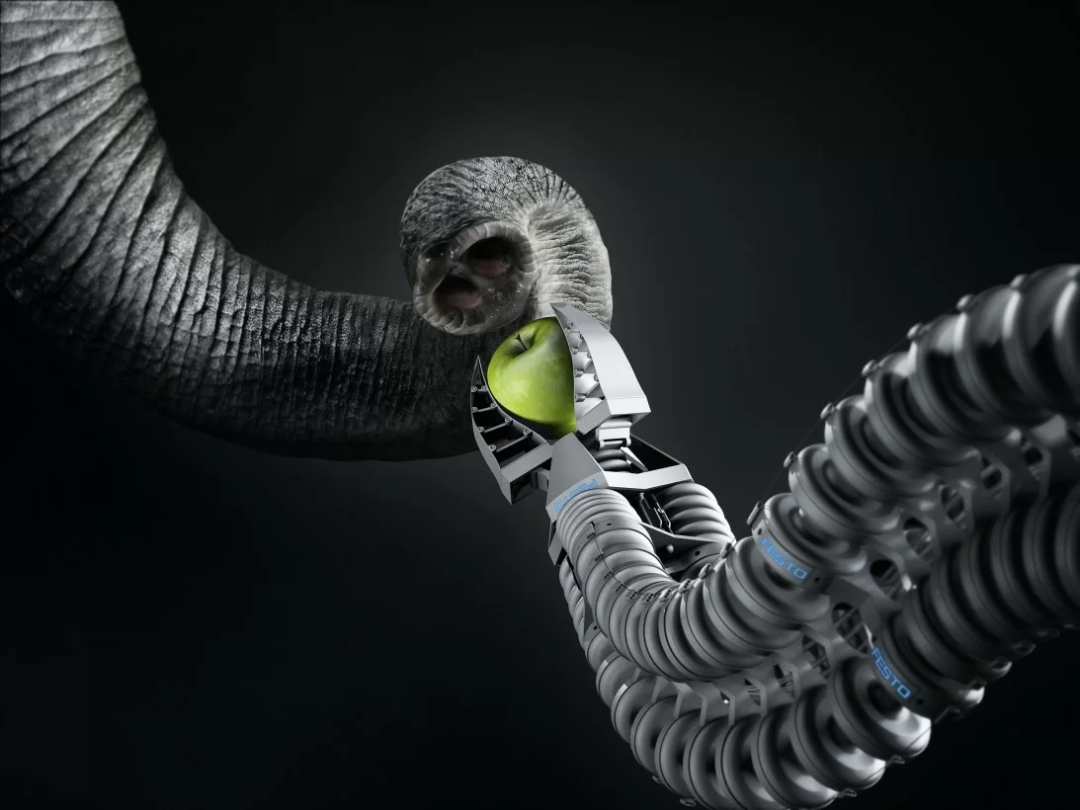
Figure 7: Bionic handling assistant (Image source: Festo)
The shape-adaptive gripper DHEF developed by FESTO is inspired by the chameleon’s tongue used to capture insects. This gripper is highly flexible and can grasp irregular shapes and round geometries; it has no sharp edges and can safely grasp fragile objects such as nozzles and interior strips, making it suitable for handling small parts (screws, nuts, washers, steel balls, etc.) in manufacturing industries (such as 3C electronics or automotive industries) and enabling human-robot collaboration in assembly tasks.
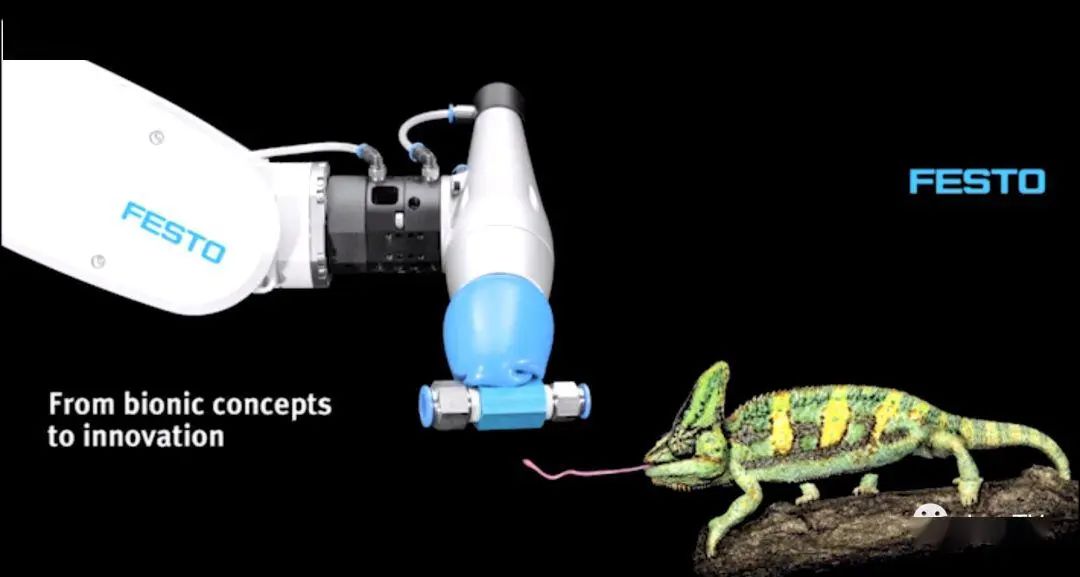
Figure 8: Shape-adaptive gripper DHEF (Image source: Festo)
Beijing Soft Robotics Technology (SRT) has also developed robotic gripper products inspired by various biological organisms in nature. Among them, the SFG series flexible grippers are made of polymer silicone flexible materials, mimicking the morphology of starfish arms, allowing for flexible and damage-free grasping of irregular and fragile items like a starfish. The ISC inflatable internal support gripper and OSC inflatable external support gripper are inspired by pufferfish, made of soft silicone, and can expand like a pufferfish by inflating the flexible airbag, achieving 360-degree contact with workpieces and grasping ring-shaped, bottle-shaped, and hole-shaped workpieces. The SLG series linear drive flexible grippers rely on electric power to perform opening and closing actions like crab claws, enabling quick grasping, specifically designed for narrow spaces, and solving issues related to the handling of jewelry or precision parts. The VFC van der Waals force suction cup is inspired by the microscopic features of gecko feet, and its suction cup tip can firmly attach to workpieces, even in a vacuum environment, without requiring additional air or power sources, leaving no marks on the workpiece surface.
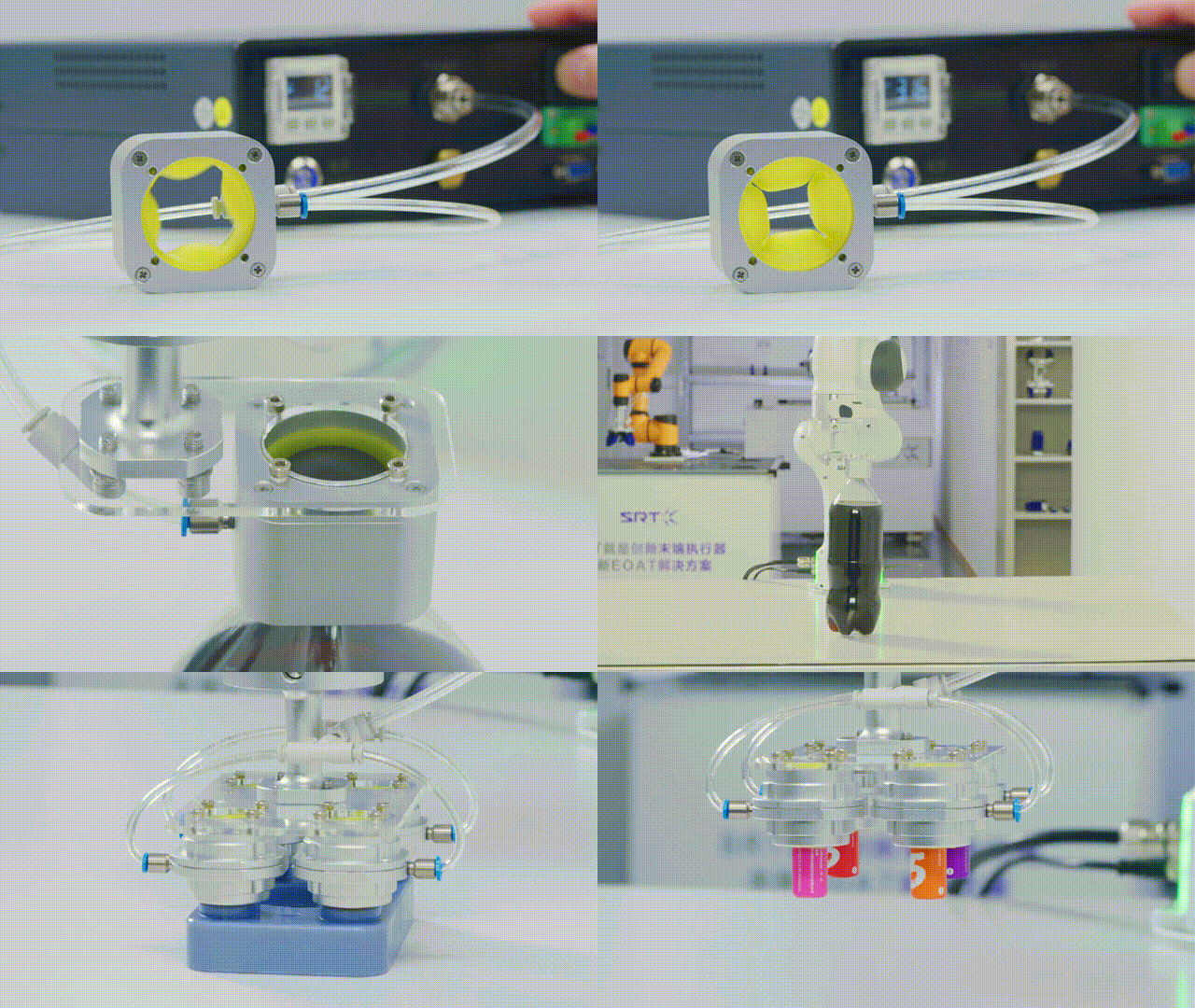
Figure 9: OSC inflatable external support gripper (Image source: SRT Soft Robotics)
Non-Xi Technology launched the Grav series of universal robotic grippers, which includes the standard version Grav and the enhanced version Grav Enhanced. Based on the single actuator and composite sensor module of the standard version Grav, the enhanced gripper (Grav Enhanced) retains the same rigid fingertip section while adding soft bionic gecko materials, supporting two modes of force control: rigid grasping mode and enhanced mode using flexible bionic materials, allowing for seamless switching.
Dexterity Due to the dexterity of human hands, which can perform various complex, flexible, and precise grasping operations, multi-finger dexterous hands that mimic human hands are also a key research and development direction for robotic grippers. Multi-finger dexterous hands mimic human hands in structure and function, enabling dexterous manipulation of various objects and precise force control, suitable for completing various flexible and precise operational tasks in dangerous, complex, and unstructured environments. Currently, some manufacturers and research institutions have launched multi-finger dexterous hand products.Schunk has developed the human-simulating five-finger mechanical hand VHS, which is the world’s first human-robot collaboration (HRC) mechanical hand, causing a sensation in the industry and becoming a landmark product in the field of flexible grasping products. The SVH five-finger mechanical hand is currently in mass production, available in left and right hand versions, allowing the mechanical hand to replicate operations performed by human hands within its technical range. It closely resembles human hands in size, shape, and flexibility. Each of the five fingers is equipped with nine drive motors, controlling 20 joints to perform a series of grasping operations. The elastic plastic surface at the fingertips ensures reliable grasping. It can not only unlock a door with a key but also easily pick up a needle, demonstrating its precision.
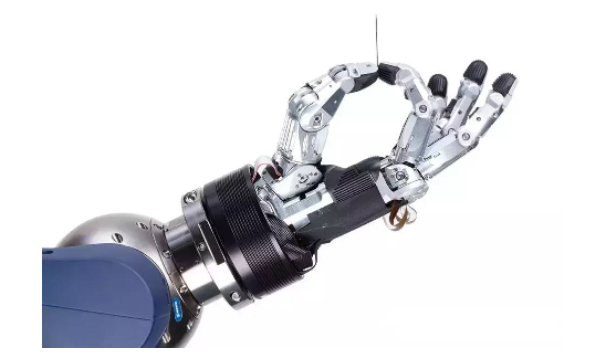
Figure 10: SVH five-finger mechanical hand (Image source: Schunk)
The UK-based Shawaow Robot has launched the Shadow Dexterous Hand series of anthropomorphic dexterous hands. The standard version of the five-finger dexterous hand has the same number of joints as a human hand (24 joints, including the wrist) and has 20 independently controllable degrees of freedom, designed to mimic the movement patterns of human hands, allowing it to perform actions similar to those of human hands. The Shadow dexterous hand is also equipped with 129 built-in sensors for tactile sensing of the environment. This means that when the operator wears a tactile glove and controls the dexterous hand, the glove can provide feedback on the force exerted on the dexterous hand, allowing the operator to easily grasp the magnitude, direction, and distance of the force.
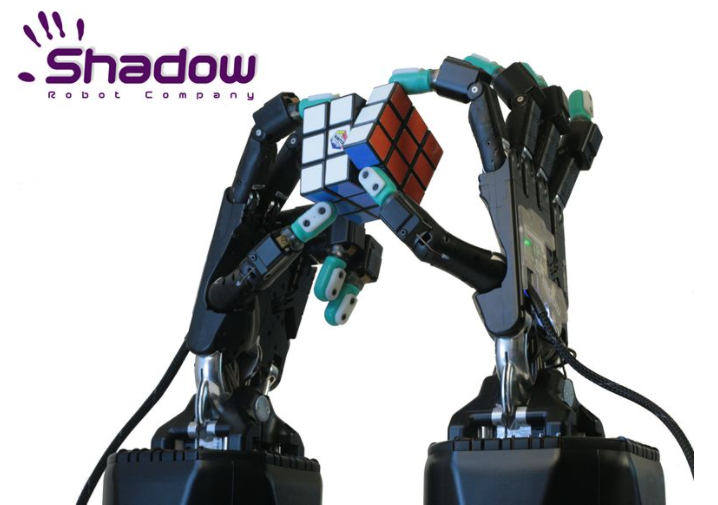
Figure 11: Shadow robot dexterous hand solving a Rubik’s cube (Image source: Shadow Robot)
Festo has launched the BionicSoftHand pneumatic dexterous hand, which uses flexible pneumatic kinematics and elastic materials and lightweight components. Its fingers are made of elastic air sacs with cavities, making it lightweight, highly flexible, adaptable, and sensitive, allowing for precise control of finger movements through proportional piezoelectric valves. Due to its modular design, it can also use gripper models with three or four fingers. Moreover, it can be combined with lightweight pneumatic robots (such as Festo’s BionicCobot or BionicSoftArm) to achieve safe and direct human-robot collaboration.
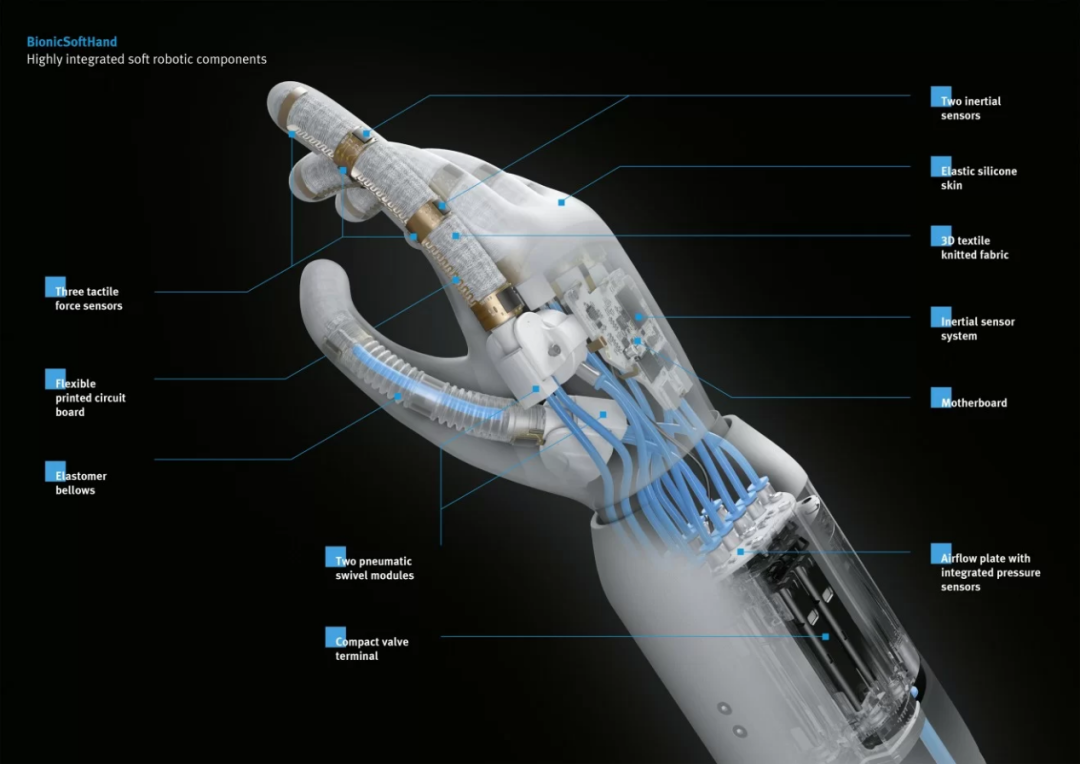
Figure 12: BionicSoftHand pneumatic dexterous hand (Image source: Festo)
Manufacturers such as RightHand Robotics in the USA, QB Robotics in Italy, and Wonik Robotics in South Korea have also launched their own anthropomorphic multi-finger dexterous hand products.
Domestically, there are also anthropomorphic multi-finger dexterous hand products. Among them, Siling Robotics has launched the Dexterity Hand, an anthropomorphic five-finger intelligent dexterous hand, featuring a highly integrated design consisting of four modular fingers and one thumb with active grasping functionality. Each finger has one independent degree of freedom and two coupled degrees of freedom, with all drive, transmission, sensing, and electrical modules integrated into the hand, characterized by integration, modularity, digitalization, and real-time control. Each finger can be independently controlled to perform flexible and precise grasping operations, comparable in functionality to human hands, mainly targeting applications in service, rehabilitation therapy, hazardous environment operations, and space exploration.YinShi Robotics has launched an anthropomorphic five-finger dexterous hand with six degrees of freedom and twelve motion joints per hand, allowing for flexible and rapid movements of the five fingers. Combined with a force-position hybrid control algorithm, it achieves sub-millimeter positioning accuracy and can handle loads of several kilograms, simulating human hands for precise grasping operations, suitable for humanoid robots, collaborative robots, medical robots, special robots, and prosthetics.Harbin Institute of Technology (HIT) has collaborated with the German Aerospace Center (DLR) to develop the HIT/DLR Hand and HIT/DLR Hand II. The HIT/DLR Hand II has five fingers, each with three degrees of freedom and four joints, with all drive, transmission, sensing, and electrical modules integrated into the fingers and palm of the dexterous hand. It can be installed on robotic arms to perform precise operations in complex and hazardous space environments, replacing astronauts for long-term maintenance and installation tasks in dangerous environments, and can also be integrated into ground robots for detection, sampling, assembly, and repair tasks in nuclear, biological, and chemical hazardous environments. This dexterous hand is currently commercialized by Wessling Robotics in Germany.Additionally, domestic universities such as Beihang University, Shanghai Jiao Tong University, and Tianjin University are also conducting research on dexterous fingers and have achieved corresponding results.
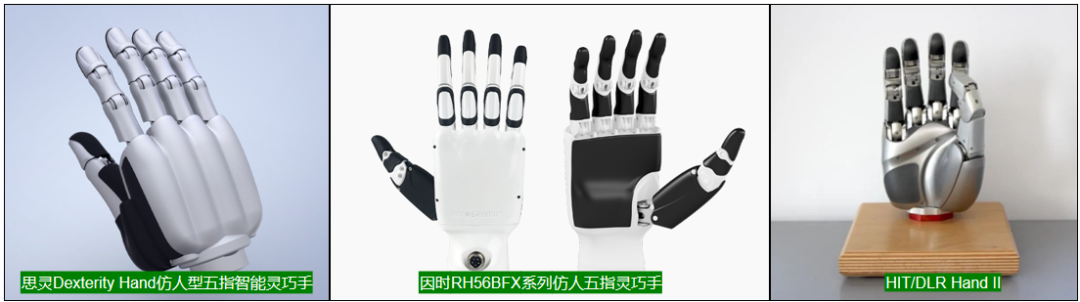
Figure 13: Domestic anthropomorphic multi-finger dexterous hand products (Image source: Siling Robotics, YinShi Robotics, Harbin Institute of Technology Robotics Group)
Of course, most anthropomorphic multi-finger dexterous hands are still in the research stage, with limited commercial applications. The main reasons are that, first, their flexibility is currently limited. Moreover, increasing the degrees of freedom of dexterous hands poses high demands on control algorithms, reliability, and cost. Second, safety must be ensured. When dexterous hands touch objects, it is essential to ensure that they do not harm the objects or cause damage to themselves. Third, there is a high requirement and dependency on sensors. The adaptability of dexterous hands to various environments and objects relies on rich sensor information, which poses high demands on the size, accuracy, response, and cost of sensors. In the future, breakthroughs are expected in the areas of sensors, flexibility, integration, safety, reliability, and practical applications for dexterous hands.
Intelligence Intelligence refers to the integration of robotic grippers with intelligent sensing, machine vision, and artificial intelligence technologies, enabling them to autonomously learn and adapt to different scenarios, suitable for human-robot collaboration and flexible grasping tasks, achieving more precise and controllable grasping actions and processing operations.For example, Schunk continuously develops and improves intelligent components to ensure maximum flexibility and compatibility with any production equipment, robots, and software, helping enterprises continuously expand into unknown application areas, providing numerous high-quality products in intelligent gripping systems and clamping technology for global users. The SCHUNK Co-act JL1, which won the Hermes Award at the 2017 Hannover Messe, is the world’s first gripping module for human-robot collaboration, capable of directly interacting and communicating with humans. It is equipped with innovative technologies such as tactile sensing systems, touch screens, cameras, and optical feedback, using various sensors to record, evaluate, and convey situational, environmental, and operational conditions, transmitting all relevant process data to control and production systems, focusing on intelligent material flow, process optimization, and continuous recording. A typical feature is the implementation of gripping force limits, which immediately activate upon accidental contact with a human, and by installing force sensors on the fingers, it can autonomously determine whether it has contacted a workpiece or a human hand to adjust its behavior in real-time. This gripper combines various system functions into an intelligent system, allowing for intuitive operation by users.
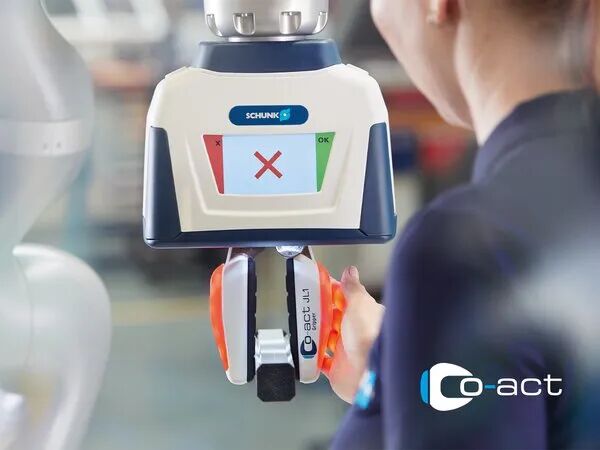
Figure 14: Co-act gripper suitable for intelligent collaboration applications (Image source: Schunk)
Additionally, Soft Robotics in the USA launched the mGripAI artificial intelligence picking solution in 2021, initially applied in the food industry, and has since expanded to key areas such as consumer goods, e-commerce, and logistics. This robotic grasping solution, which combines 3D vision, artificial intelligence, and soft grippers, provides industrial robots with dexterity and hand-eye coordination similar to humans, making them suitable for unstructured applications such as order fulfillment, sorting, dumping, and packaging. The mGripAI solution can track objects in real-time for maximum grasping accuracy; it also features grasping optimization, intelligent robot motion control, and embedded object understanding capabilities.
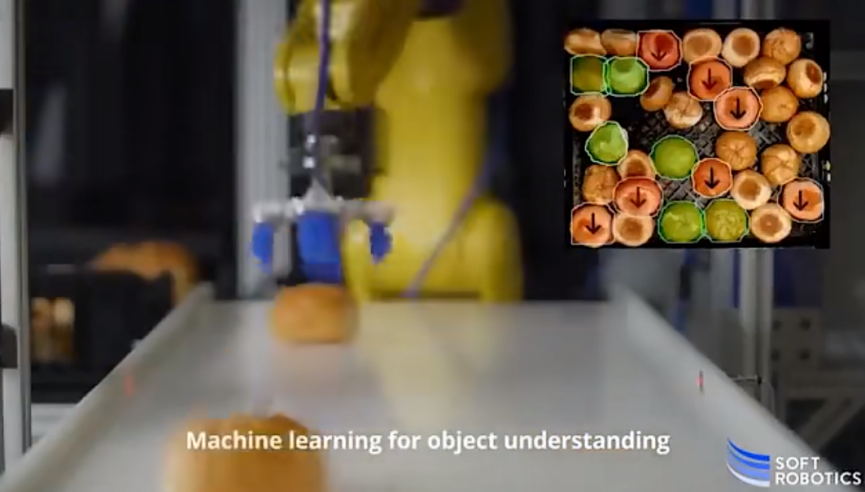
Figure 15: mGripAI solution (Image source: Soft Robotics)
Furthermore, Wuhan Kubert Technology launched the CGrasp high-speed flexible grasping solution in 2018 and the CGrasp-AI universal grasping platform in 2020. The CGrasp-AI universal grasping platform is an AI+3D vision intelligent grasping platform formed based on the experience and technology upgrades from the market application of the CGrasp unordered sorting system. Its highlight is the use of 3D vision to complete object pose estimation, supplemented by deep learning algorithms, transforming manual detection experience into algorithms for automatic identification and detection, thus achieving complex scene grasping point calculations, serving various industries such as logistics, pharmaceuticals, food, and automotive parts, providing precise, fast, and flexible grasping solutions.
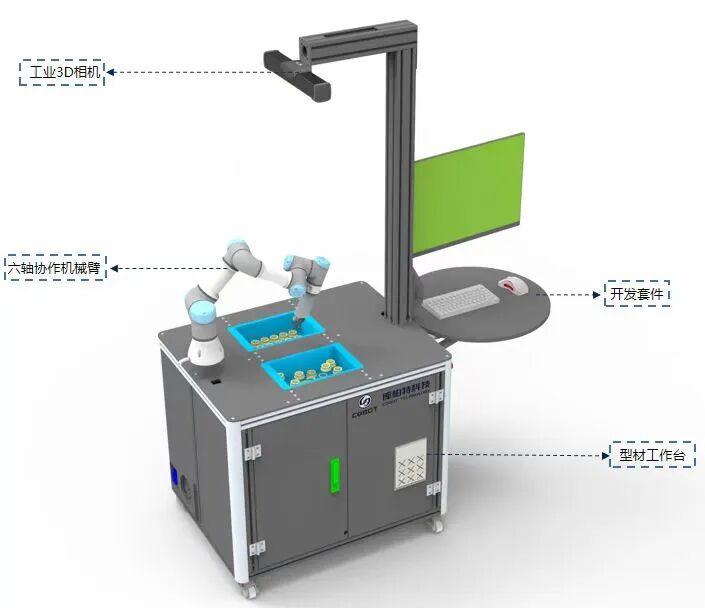
Figure 16: CGrasp-AI universal grasping platform (Image source: Kubert)
Additionally, the Shanghai Jiao Tong University-Non-Xi Technology Joint Laboratory independently developed the AnyGrasp universal object grasping algorithm, enabling robots to achieve universal high-speed grasping of any object in any scene, without restrictions on robotic arm hardware configuration or cameras, allowing robots to have the potential to match human grasping capabilities, with universality, high speed, stability, and low cost advantages. AnyGrasp can grasp any object in complex scenes that it has never encountered before, including rigid bodies, deformable objects, and textureless objects, generating thousands of stable grasping poses within tens of milliseconds; it is also insensitive to background, lighting, and table angles; and does not require high-precision industrial cameras, as a thousand-yuan depth camera (such as Intel RealSense) is sufficient.
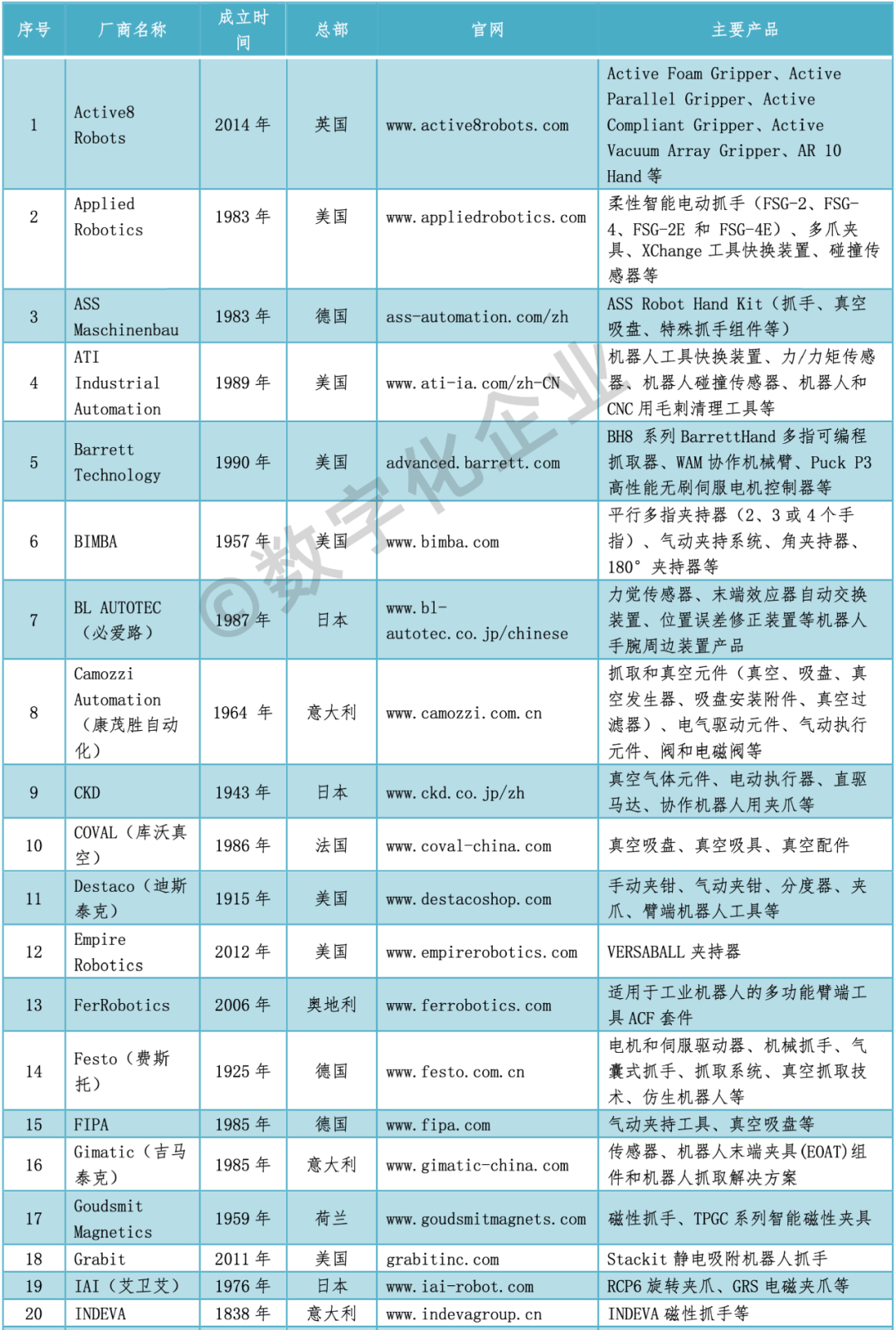
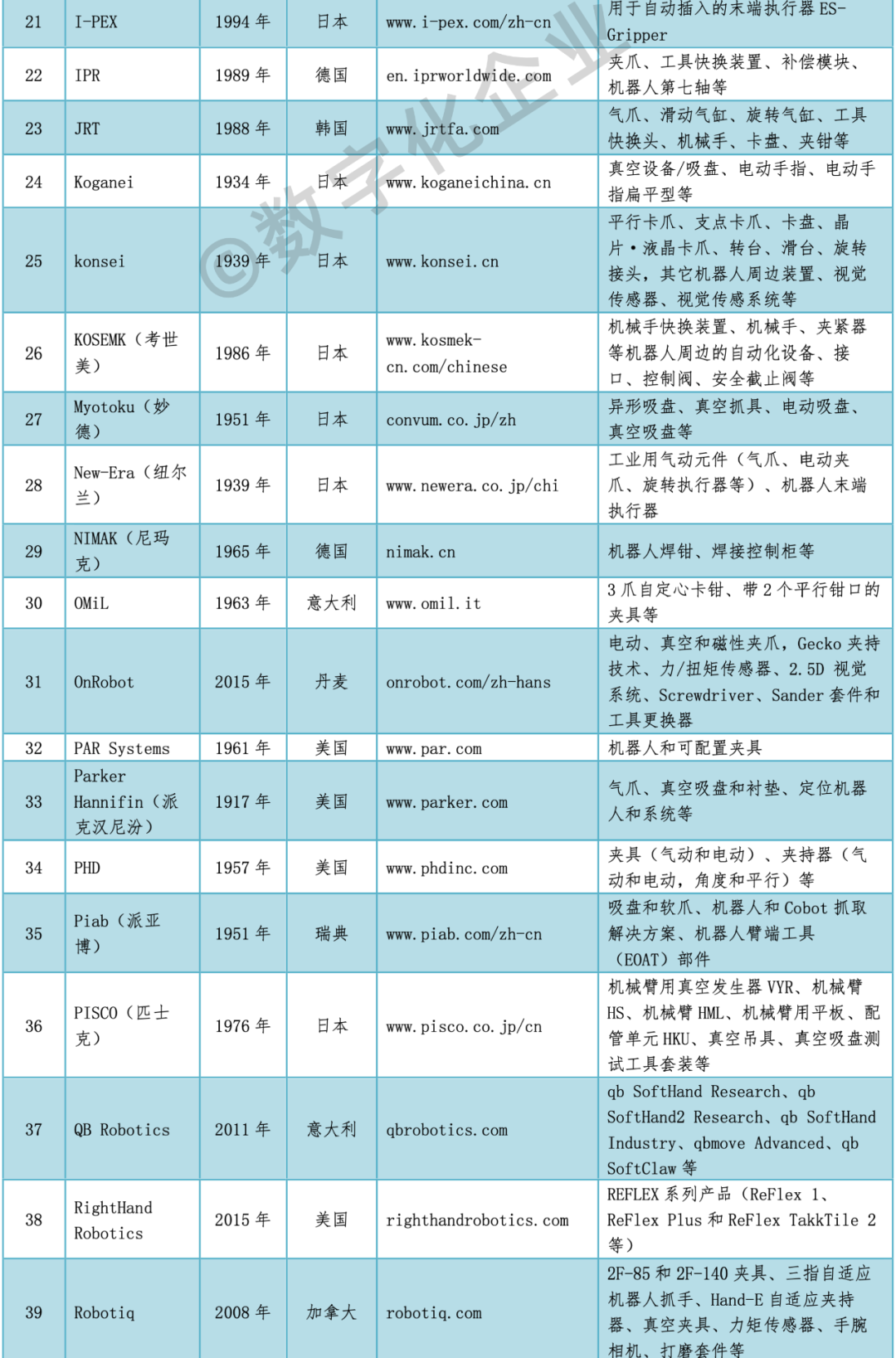
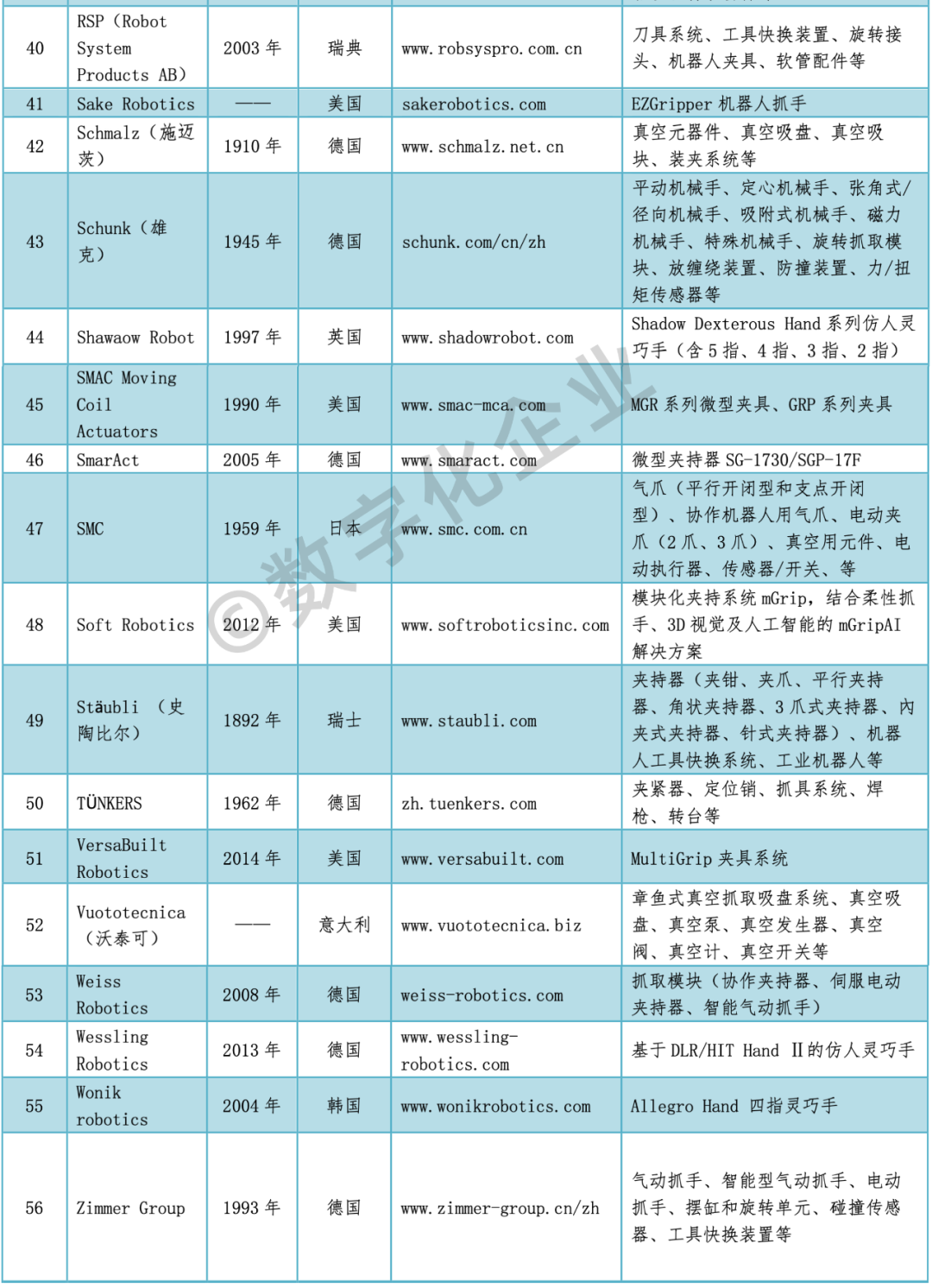
03Overview of Domestic and International Robotic Gripper ManufacturersInternational Manufacturer OverviewAccording to incomplete statistics from e-works, there are currently 56 international manufacturers in the field of robotic grippers. In terms of geographical distribution, the largest number of robotic gripper manufacturers are located in the USA, Germany, Japan, and Italy, with 15, 12, 11, and 6 manufacturers respectively.Among them, American manufacturers include Applied Robotics, ATI Industrial Automation, Barrett Technology (which was 30% acquired by Estun Automation in July 2017), BIMBA, Destaco, Empire Robotics, Grabit, PAR Systems, Parker Hannifin, PHD, RightHand Robotics, Sake Robotics, SMAC Moving Coil Actuators, Soft Robotics, and VersaBuilt Robotics.German manufacturers include ASS Maschinenbau, Festo, FIPA, IPR, NIMAK, Schmalz, Schunk, SmarAct, Weiss Robotics, Wessling Robotics, and Zimmer Group.Japanese manufacturers include BL AUTOTEC, CKD, IAI, I-PEX, Koganei, Konsei, KOSEMK, Myotoku, New-Era, PISCO, and SMC.Italian manufacturers include Camozzi Automation, Gimatic, INDEVA, OMiL, QB Robotics, and Vuototecnica.Additionally, manufacturers from the UK such as Active8 Robots and Shawaow Robot, France’s COVAL, Denmark’s OnRobot, Austria’s FerRobotics, the Netherlands’ Goudsmit Magnetics, Sweden’s Piab and RSP, Switzerland’s Stäubli, Canada’s Robotiq, and South Korea’s JRT and Wonik Robotics also provide robotic gripper products.Table 1: International Robotic Gripper Manufacturers
(Compiled by e-works, sorted by the first letter of the manufacturer’s name in English)
Domestic Manufacturer OverviewChina’s robotic gripper industry started relatively late. It was not until around 2015 that a batch of domestic robotic gripper manufacturers emerged. Before that, only a few domestic manufacturers were engaged in the research and production of robotic gripper products. However, benefiting from the continuous expansion of the industrial robot market and the deepening of applications, domestic robotic gripper manufacturers have developed rapidly in recent years, with new entrants continuously increasing.According to incomplete statistics from e-works, there are currently 47 robotic gripper manufacturers in mainland China. Among them, representative manufacturers include Beijing Soft Robotics Technology (SRT), Soft Robotics, ZhiXing Robotics, Dahuang Robotics, Huiling Technology, JunTuo Robotics, YinShi Robotics, Xirige Robotics, ZengGuang Intelligent, Yizhu Robotics, Linghang Robotics, and Non-Xi Technology.Table 2: Robotic Gripper Manufacturers in Mainland China
(Compiled by e-works, sorted by the first letter of the manufacturer’s name in Pinyin)
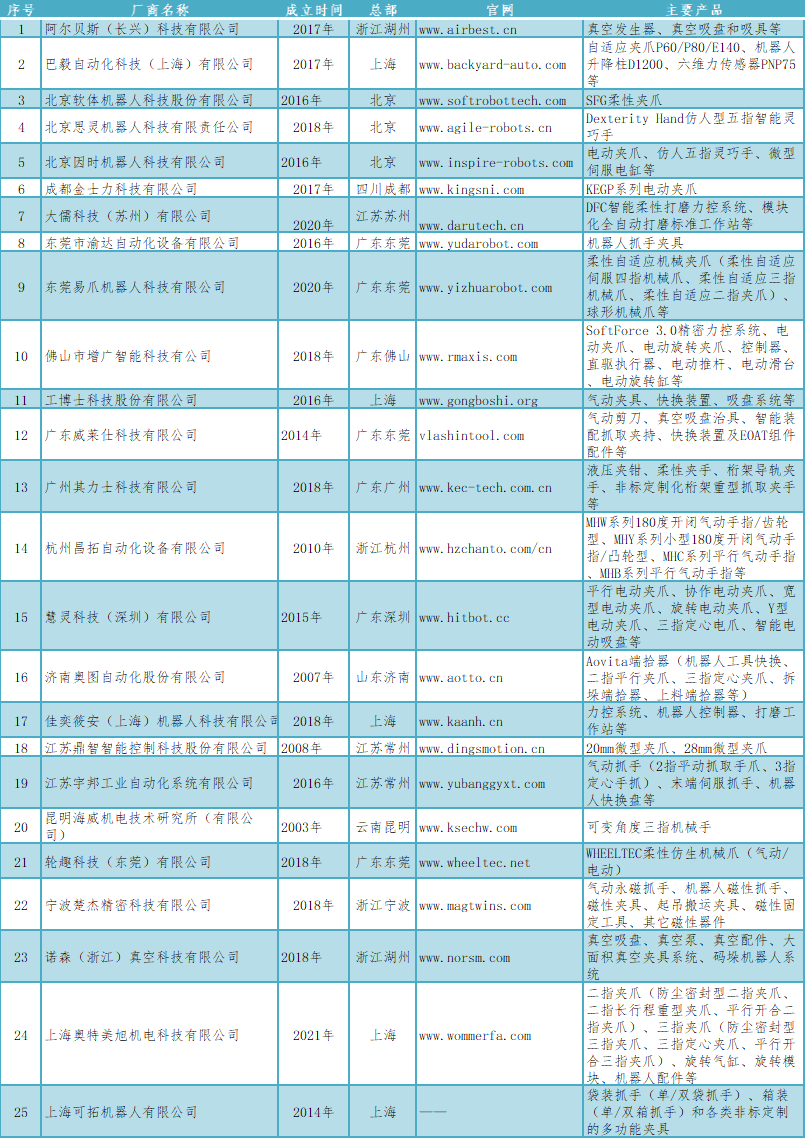
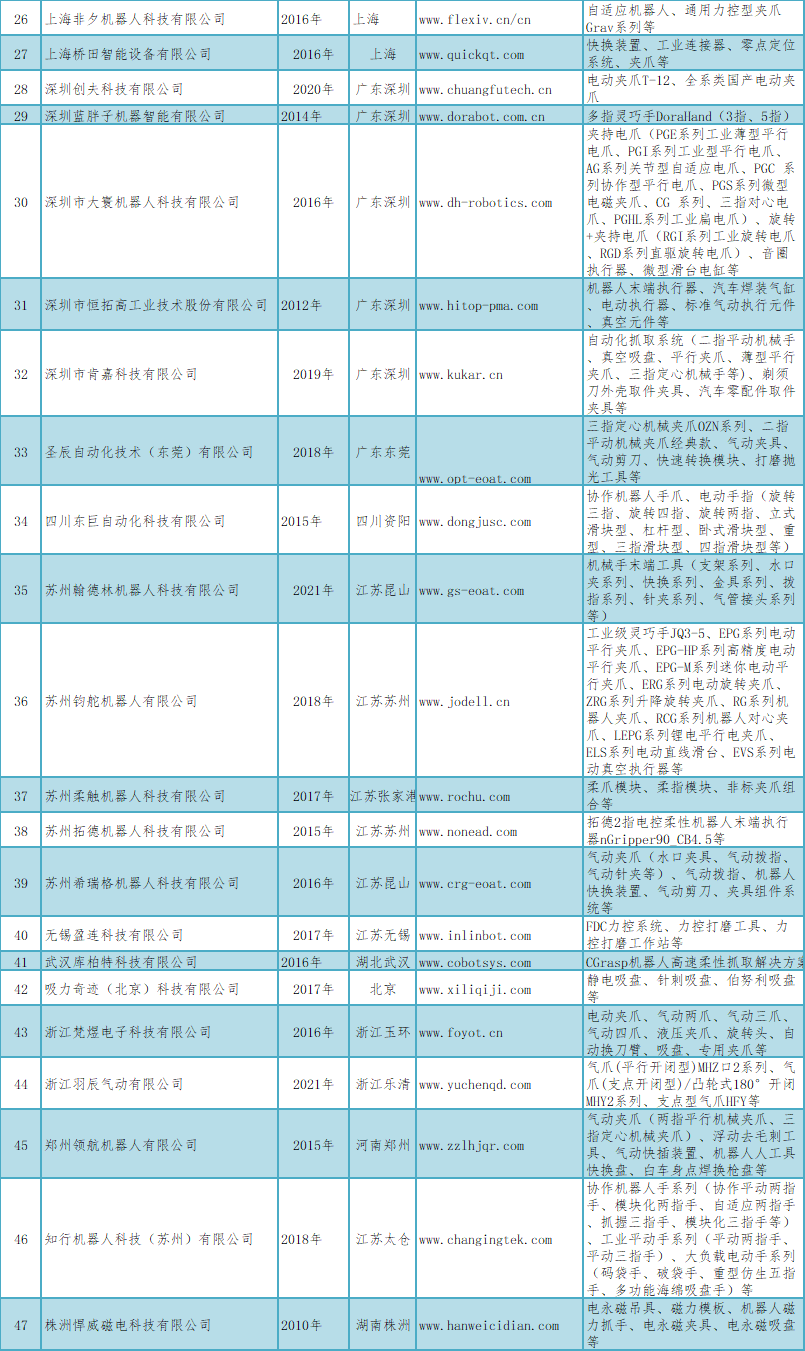
From a regional distribution perspective, robotic gripper manufacturers in mainland China are mainly distributed across 12 provinces (autonomous regions and municipalities). Among them, the top five provinces and cities in terms of the number of manufacturers are Guangdong Province (13), Jiangsu Province (10), Shanghai (7), Zhejiang Province (6), and Beijing (4).According to incomplete statistics from e-works, there are seven robotic gripper manufacturers in Taiwan, including Chang Tuo Fluid Technology, Dong You Da Automation, Heng You Automation, Jin Qi Industrial, Shang Yin Technology, Adeka, and Zhao Ming Hong Technology (RGK).Table 3: Robotic Gripper Manufacturers in Taiwan
(Compiled by e-works, sorted by the first letter of the manufacturer’s name in Pinyin)
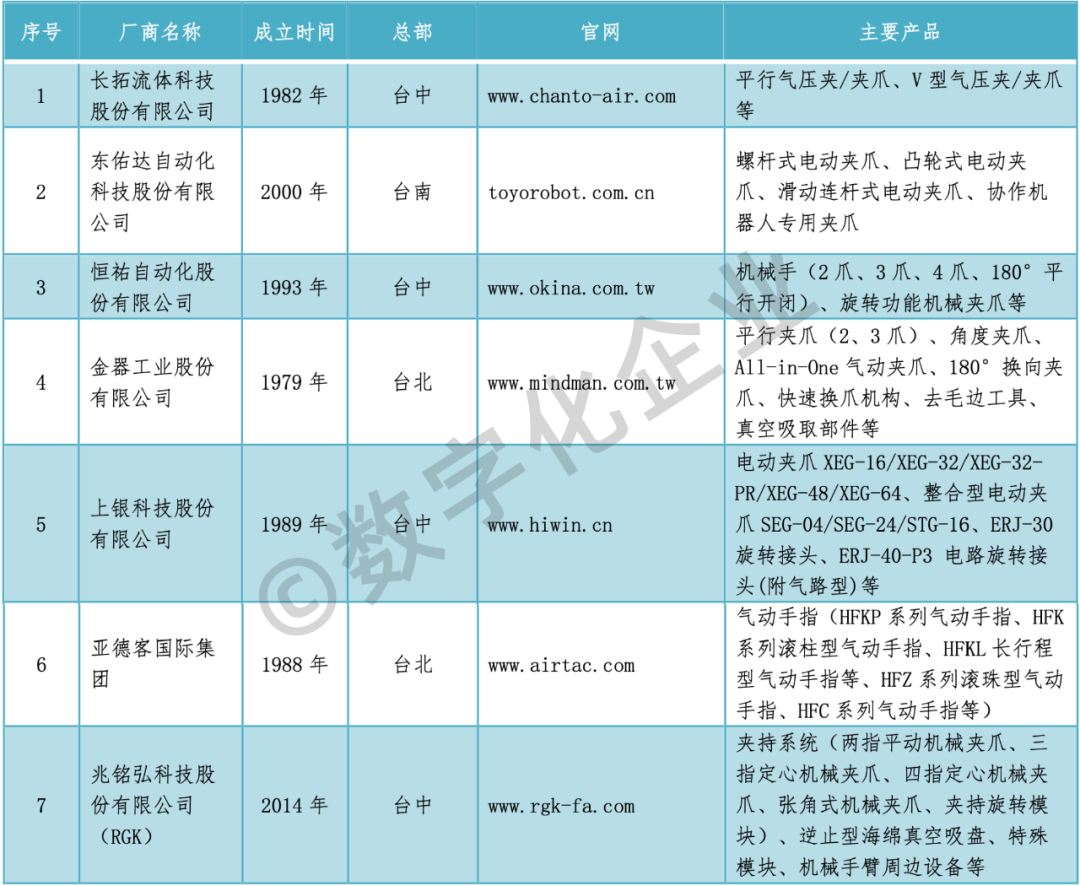 It is worth mentioning that with the continuous development and deepening of industrial robot applications, domestic robotic gripper manufacturers have gradually gained attention and favor from capital.Table 4: Financing Overview in the Robotic Gripper Field in China (2022-2023)
(Compiled by e-works, as of March 2023)
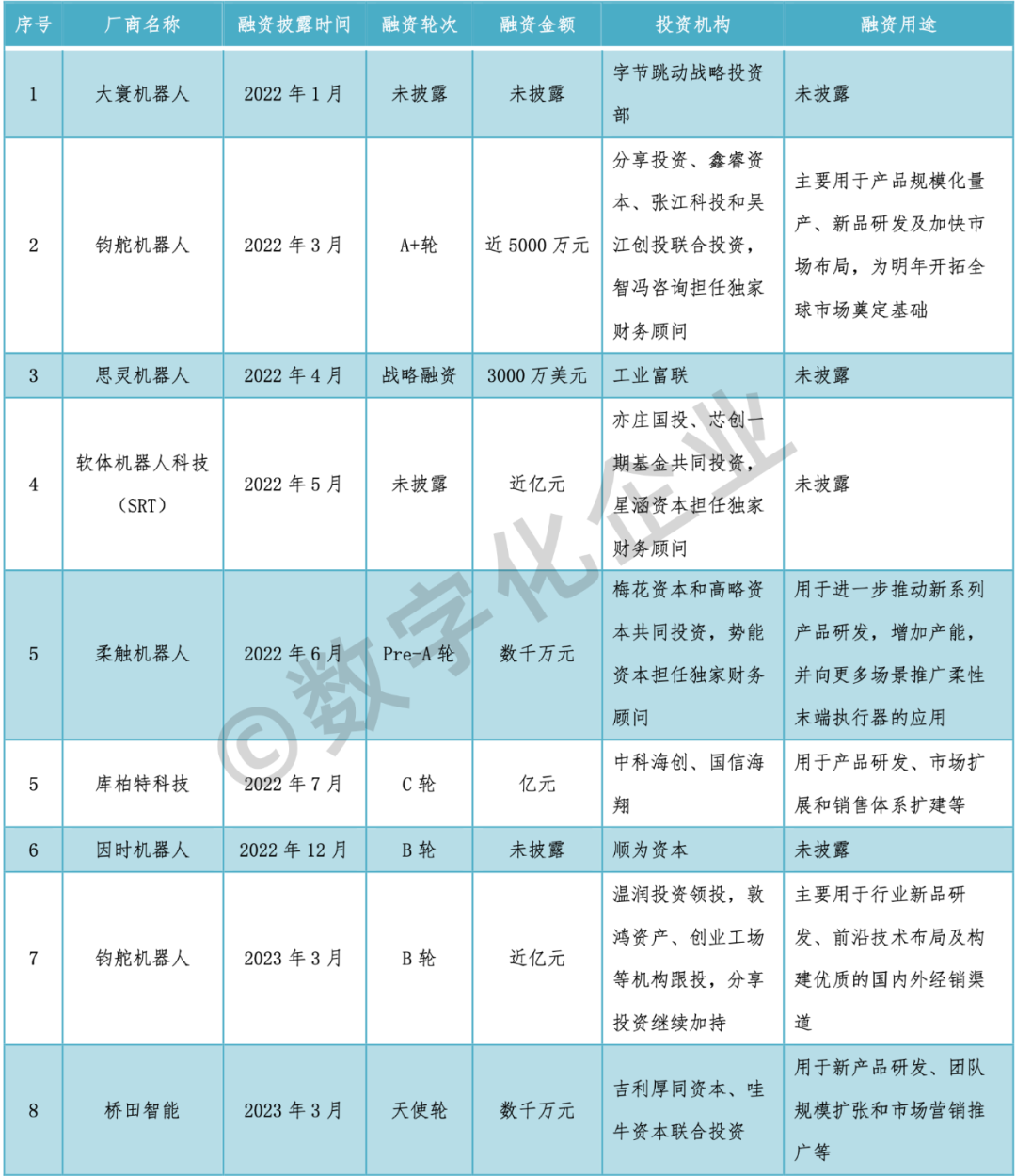
According to incomplete statistics from e-works, from January 2022 to March 2023, there were eight financing events in the domestic robotic gripper field, including companies such as Dahuang Robotics, JunTuo Robotics, Siling Robotics, Soft Robotics Technology (SRT), Soft Robotics, Kubert Technology, YinShi Robotics, and Qiaotian Intelligent, all of which received financing. Among them, JunTuo Robotics received nearly 50 million yuan in A+ round financing in March 2022, and a year later, in March 2023, it received nearly 100 million yuan in B round financing.
04Conclusion and OutlookRobotic grippers are an indispensable part of robotic automation systems, installed on robotic arms for directly grasping workpieces or performing automated processing tasks. Robotic grippers come in various forms, including suction cups, pneumatic claws, electric claws, hydraulic claws, and anthropomorphic hands, as well as tools for processing tasks, such as spray guns, welding guns, grinding heads, and welding tools mounted on robotic wrists. Driven by technological advancements and market demand upgrades, robotic grippers are exhibiting development trends towards “electrification, flexibility, bionics, dexterity, and intelligence.” From a market perspective, there are currently over 100 robotic gripper manufacturers worldwide, and in recent years, domestic robotic gripper manufacturers have developed rapidly.It is foreseeable that as the manufacturing industry increasingly demands diverse, intelligent, and flexible manufacturing capabilities from robotic automation systems, robotic grippers will play an increasingly important role, driving further development in gripping and clamping technologies. With the rapid development of the robotics industry, more specialized manufacturers and innovative products are expected to emerge in the field of robotic grippers in the future.
References:
1. Yaskawa Robotics. The Role of Robotic Grippers
2. Yaskawa Robotics. Comparison of Robotic Arm Grippers: Pneumatic Grippers vs. Servo Grippers
3. Zhihu. Knowledge Sharing | Types, Selection, and Applications of Pneumatic Fingers
4. JunTuo Robotics. Industry Exploration | Analysis of the End-of-Arm Tooling Industry
5. Xirige Robotics. Basics of Robotic Technology: Grippers
6. Breaking the Application Limits of Traditional Rigid Grippers, SRT’s “Bionic Family” Introduction
7. Digital Enterprises. With a Strong Gripping System and Clamping Technology, This German Company Has Achieved World Leadership!
8. Kubert Technology. AI + 3D Vision Deep Integration, Unlocking the CGrasp-AI Universal Grasping Platform
9. GaoGong Robotics. Two End-of-Arm Tooling Companies Completed Financing in One Week: Capital from “Surface” and “Inside”
Advanced Training Course on Industrial Data Collection, Analysis, and Application
May 24-25 · Jinan
Long press the QR code for detailsor clickRead the original textfor quick online registration↓