
Developing safe and environmentally friendly secondary battery systems is a core proposition for the next generation of electrochemical energy storage technology upgrades. Among many candidate systems, aqueous zinc metal batteries (ZMBs) have become a highly promising direction for electrochemical energy storage technology in large-scale energy storage due to their outstanding advantages of high safety, environmental friendliness, resource abundance, and low cost. In recent years, significant progress has been made in laboratory-scale research on ZMBs, but to promote their transition from “mAh” level to “Ah” level applications, it is still necessary to overcome key technical gaps, which is also a core bottleneck currently faced in the field of electrochemical energy storage. The main challenges are concentrated in three aspects: first, the growth of dendrites on the zinc anode is exacerbated under deep discharge conditions, and the hydrogen evolution side reaction is significant, severely restricting the cycling stability of the battery. Second, high-capacity thick electrodes (capacity ≥20 mg/cm2) face the problem of limited ion/electron transport kinetics, leading to low utilization of active materials. Third, the scaling-up preparation processes and battery configuration designs that meet the Ah-level capacity requirements are still immature, making it difficult to effectively replicate the excellent electrochemical performance observed at the laboratory scale in practical application scenarios.
Based on this, Professor Jiang Zhou from Central South University systematically clarified the core technical bottlenecks and key scientific issues in the market application process of Ah-level zinc metal batteries, and proposed a comprehensive framework aimed at bridging the performance gap and technical barriers between laboratory prototype devices and marketable practical products, providing important guidance for the future development and engineering application of safe, reliable, low-cost, and sustainable large-scale electrochemical energy storage technologies.
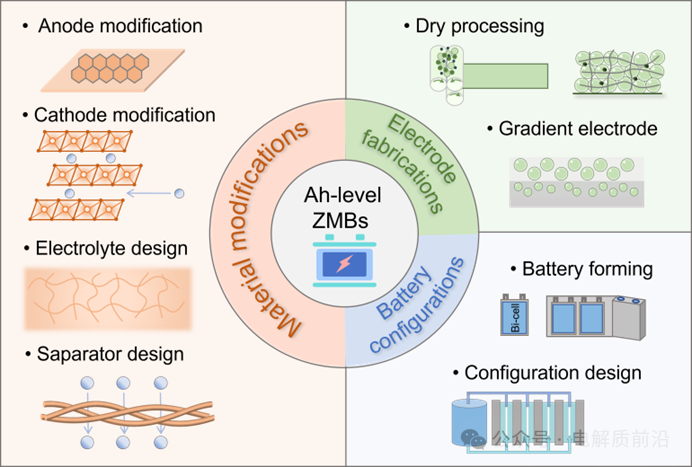
On November 18, 2025, Professor Jiang Zhou and others published a paper titled “Advanced Ah-level zinc metal batteries” in the international top review journal Chemical Society Reviews. The first author of this paper is Professor Zequan Zhao from Central South University.
Illustrated Guide
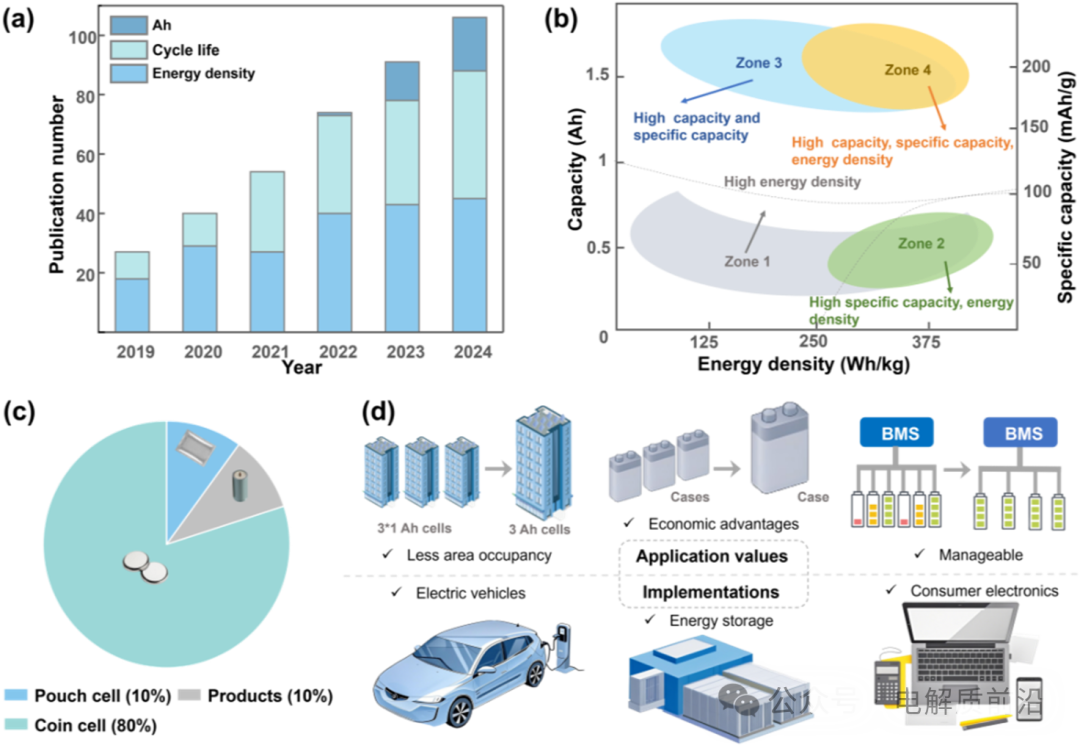
Figure 1. Research status, performance range, type proportion, and Ah-level application potential of ZMBs
As shown in Figure 1, in recent years, the research attention on Ah-level zinc metal batteries (ZMBs) has been continuously increasing, becoming a core research direction to promote the transition of this technology from the laboratory to industrialization. Developing high energy density and long cycle life ZMBs is the core development goal for the future in this field. However, currently, about 80% of related research still focuses on button batteries as the main research carrier, and there is still a significant technical gap between this and the soft pack/cylindrical battery systems required for practical applications.
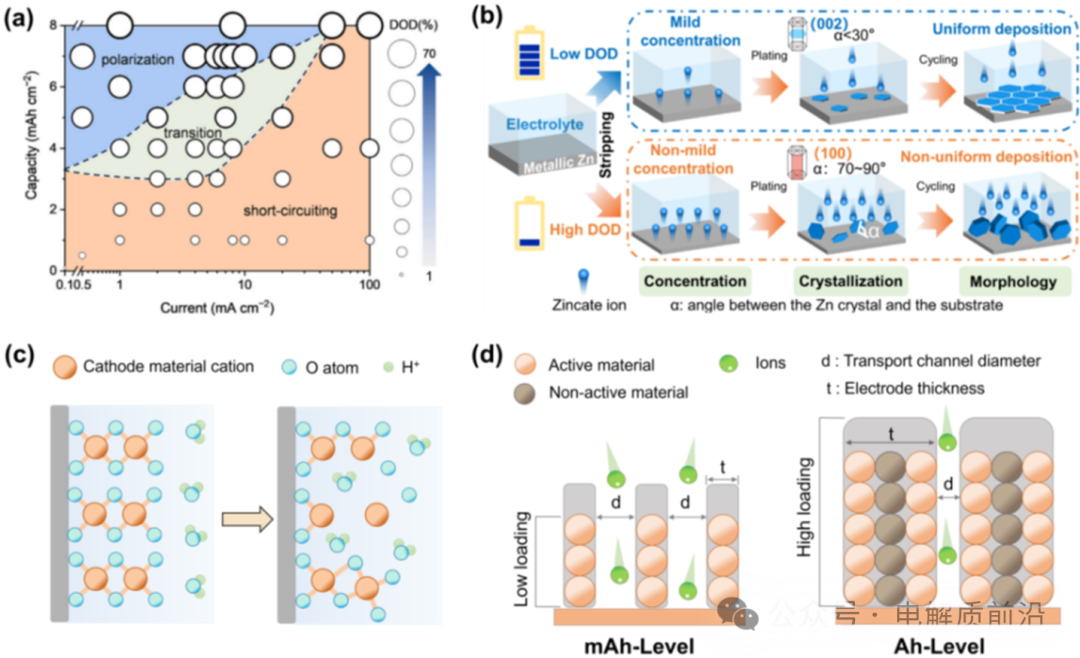
Figure 2. Dendrite growth, morphology changes, cathode material dissolution, and thick electrode configuration challenges of zinc anodes
Figure 2 illustrates the key failure mechanisms of Ah-level zinc metal batteries under high depth of discharge conditions. On the anode side, the synergistic effect of high current density and high discharge depth significantly exacerbates the three-dimensional growth of zinc dendrites and the hydrogen evolution reaction, leading to a local current density surge and uneven distribution of zinc ions, ultimately resulting in a simultaneous decrease in zinc utilization and energy density. For the cathode, thick electrodes under high surface capacity conditions are affected by ion transport limitations and pore densification, leading to reduced utilization of active materials, increased overpotential, and rapid capacity decay; additionally, the accumulation of acidic protons in the electrolyte further exacerbates the dissolution of electrode materials.
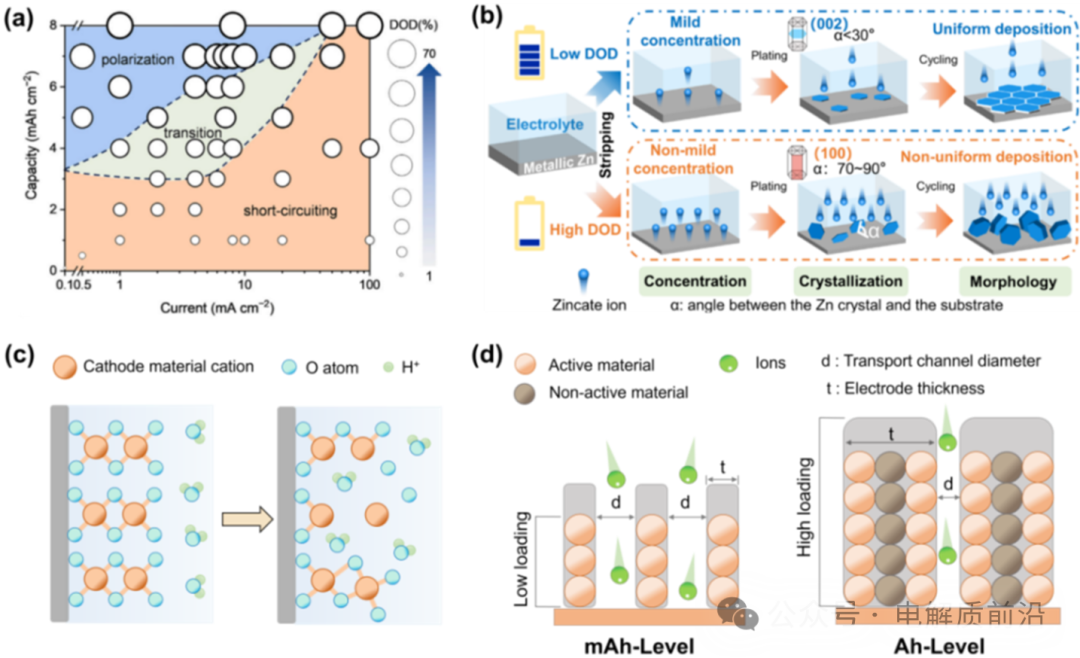
Figure 3. Challenges faced by Ah-level ZMBs when increasing mass load and reaction area
Figure 3 systematically elucidates the core challenges faced by Ah-level zinc metal batteries during the large-scale preparation of electrodes. To achieve high capacity output, the electrode must simultaneously increase the load of active materials and the reaction area; however, this demand leads to multiple technical bottlenecks. Under high surface load conditions, the bonding force between traditional current collectors and active materials is weak, making it easy for ion and electron transport issues to arise within thick electrodes, and interfacial stress continues to accumulate during cycling, ultimately leading to capacity decay and overall performance degradation. For large-area electrodes, uneven distribution of conductive agents and binders can easily form localized conductive networks, resulting in a large number of electrochemically inert regions; coupled with the poor intrinsic conductivity of electrode materials, and the tendency for the electrode to fracture and delaminate during cycling, ultimately leads to the actual capacity of the battery being far below the theoretical value, severely limiting the overall energy density and rate performance of the battery.
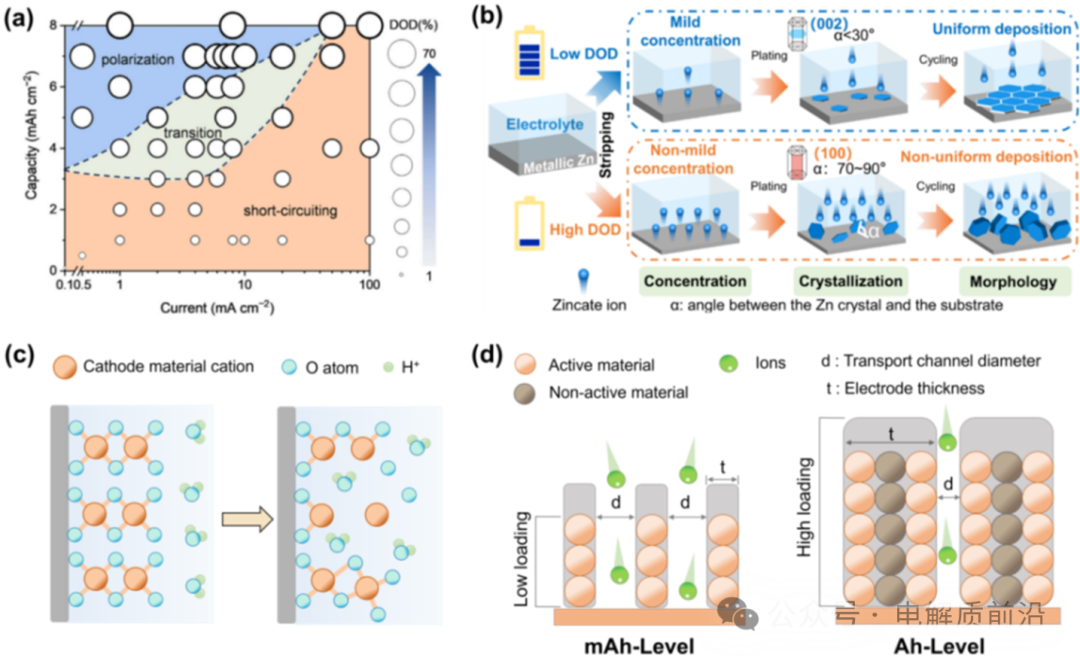
Figure 4. Correlation analysis of area capacity, zinc foil thickness, N/P ratio, E/C ratio, and performance and degradation mechanisms of Ah-level ZMBs
Figure 4 systematically elucidates the core balance problem in the design of key parameters for Ah-level zinc metal batteries in practical configurations: the N/P ratio (negative/positive electrode capacity ratio) and the E/C ratio (electrolyte/active material mass ratio) must be reasonably matched, as they jointly determine the energy density and cycling stability of the battery. An excessively high N/P ratio can lead to an excess of zinc anode, which not only increases the inactive mass of the battery but also significantly reduces its energy density; while an excessively low N/P ratio can exacerbate zinc dendrite growth and corrosion, while forcing the cathode to face issues such as volume changes and manganese dissolution during deep discharge, thereby accelerating capacity decay. Regarding the E/C ratio, an excessively high ratio can trigger side reactions related to the electrolyte and delamination of electrode materials; while a low ratio can limit ion transport efficiency, resulting in the actual capacity of the battery being only 60% to 70% of the theoretical value.
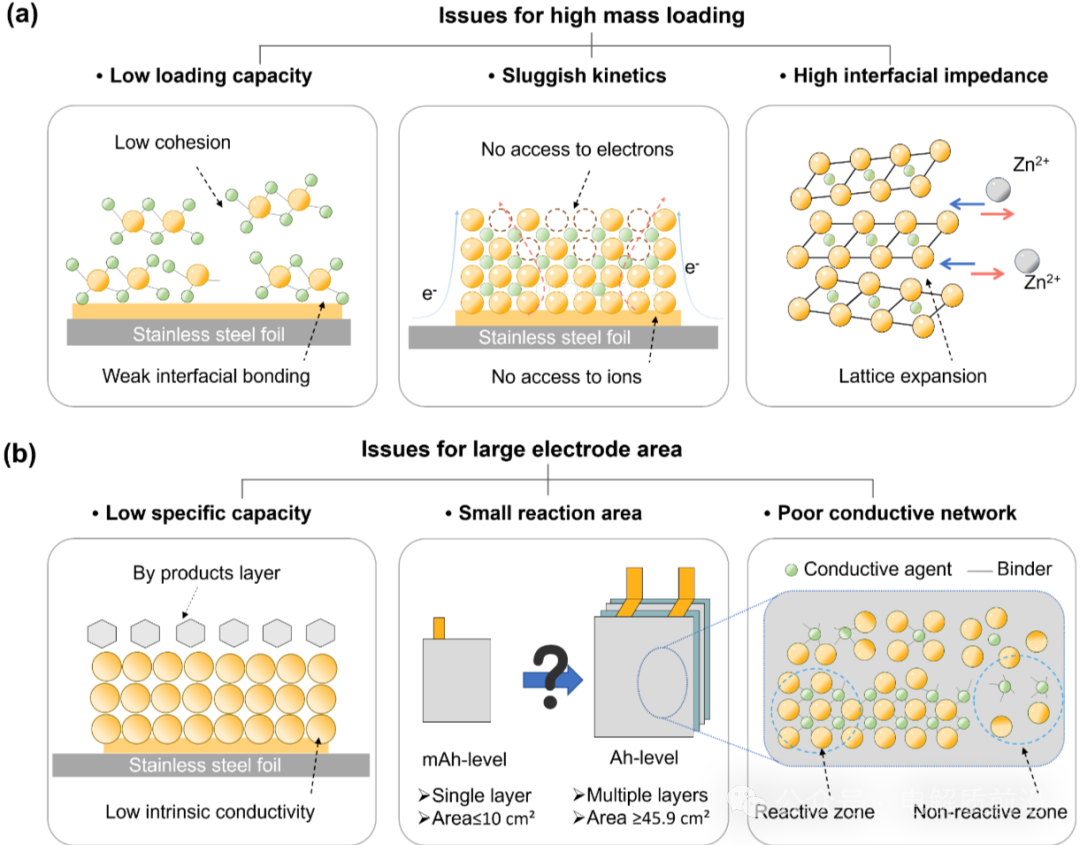
Figure 5. Zinc anode interface regulation and deposition optimization strategies
Figure 5 systematically elucidates the bulk structure optimization strategies of the zinc anode under high depth of discharge conditions in Ah-level zinc metal batteries, covering crystal plane regulation, construction of zinc powder anodes, anode-free architecture design, and zinc-poor optimization among various technical paths. For example, by regulating the crystal plane orientation of zinc foil, constructing uniform deposition sites for zinc powder, and designing lattice-matched current collectors to achieve epitaxial deposition of zinc, dendrite growth can be effectively suppressed, and the cycling reversibility of the zinc anode can be enhanced. The zinc-poor design, by reducing the zinc loading and combining with a three-dimensional porous substrate construction and zinc affinity site regulation, effectively adapts to the low N/P ratio battery configuration requirements while ensuring high zinc utilization, laying a key material foundation for the long-term stable operation of Ah-level zinc metal batteries under high depth of discharge conditions.
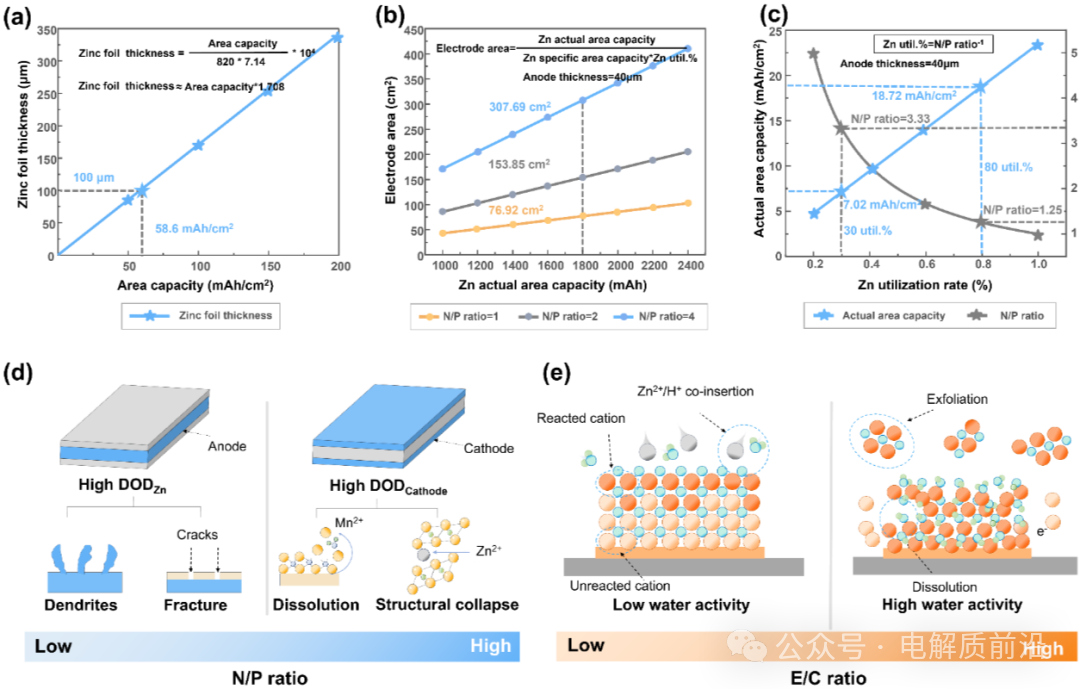
Figure 6. Comparison of cathode materials for ZMBs, reaction mechanisms of MnO2 in different pH systems, and Ah-level extended modification strategies
Figure 6 systematically elucidates the core selection criteria and multi-dimensional modification strategies for cathode materials in Ah-level zinc metal batteries, clarifying that manganese-based materials, due to their low cost and excellent voltage platform, become the preferred cathode materials for this system, but their actual application still faces the core challenge of balancing specific capacity and structural stability. To address the key issues of limited ion migration, low utilization of active sites, and structural collapse during cycling commonly found in high-capacity thick electrodes, it is proposed to use crystal engineering regulation (such as pre-insertion of supporting ions, introduction of oxygen vacancies) to expand the interlayer spacing to accelerate ion migration and enhance electronic conductivity; simultaneously, combining conductive network construction and hierarchical pore structure design further optimizes the charge transport path within the electrode. Additionally, surface coating modification and in-situ construction of cathode electrolyte interphase (CEI) layers can effectively suppress manganese ion dissolution, ultimately achieving a synergistic enhancement of material cycling stability and high rate performance under deep discharge conditions.
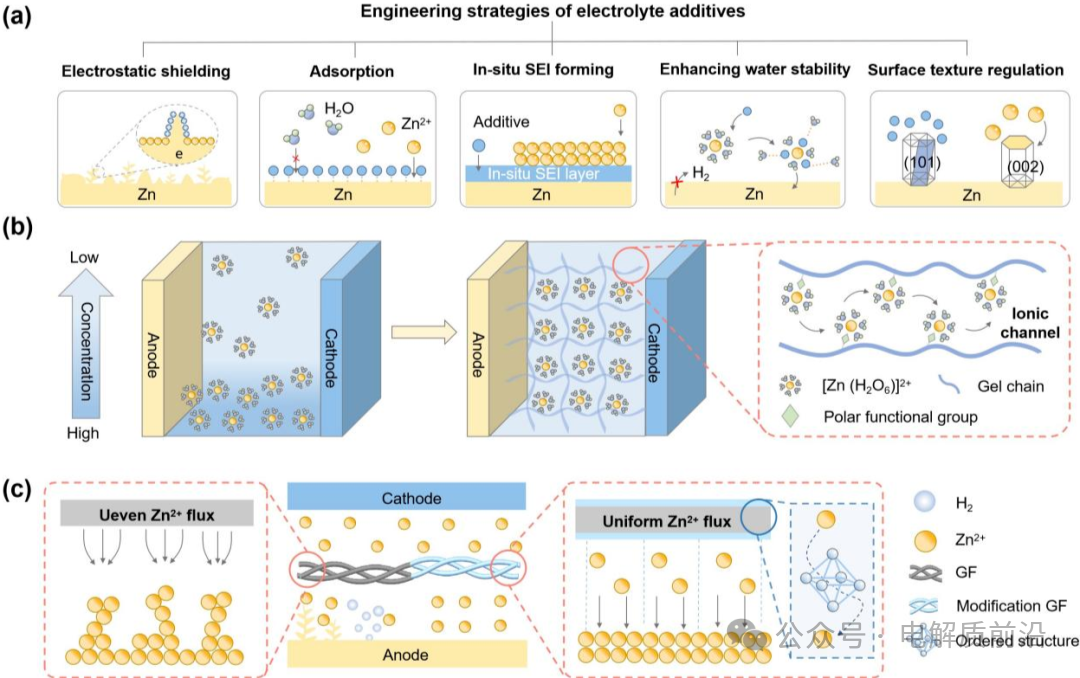
Figure 7. Mechanisms of electrolyte additives, gel electrolytes for Zn2+ transport regulation, and membrane structure modification
Figure 7 systematically elucidates the core strategies for the synergistic regulation of electrolytes and membranes in Ah-level zinc metal batteries to ensure uniformity in Zn2+ flux. In terms of electrolyte regulation, by introducing functional additives, utilizing electrostatic shielding, adsorption effects, in-situ construction of SEI layers, suppressing water activity, and regulating electrode surface texture through multiple mechanisms, Zn2+ deposition can be effectively guided; while gel electrolytes rely on cross-linked polymer frameworks to stabilize the electrolyte, simultaneously lowering the ion diffusion energy barrier, and through in-situ polymerization processes, can optimize their interface compatibility with large-area electrodes, effectively alleviating the electrolyte concentration gradient effect. In terms of membrane modification, addressing the issues of disordered pore size distribution and weak mechanical properties of traditional glass fiber membranes, functional materials such as MOFs (metal-organic frameworks) and nitrogen-doped graphene are used for surface modification, which can both construct ordered Zn2+ transport channels and significantly enhance the structural stability of the membrane, ultimately synergistically suppressing zinc dendrite growth and various side reactions.
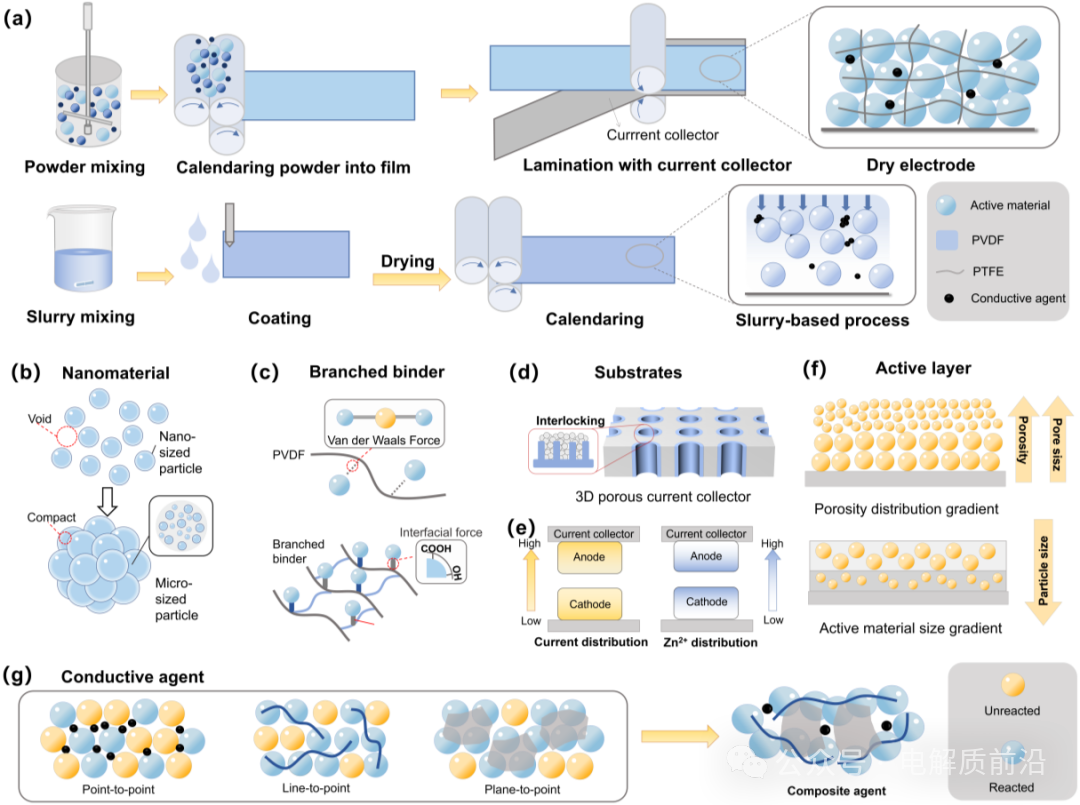
Figure 8. Overview of design strategies for electrode preparation of Ah-level ZMBs
Figure 8 systematically elucidates the key technical paths for achieving high-capacity thick electrode preparation in Ah-level zinc metal batteries. Dry electrode technology effectively avoids component segregation issues by fibrousizing the binder to form a three-dimensional network structure, enabling the preparation of high-density thick electrodes exceeding 500 μm without cracks. At the material level, using a hierarchical microsphere assembly strategy can significantly enhance the electrode’s tap density, while branched binders, through strong hydrogen bonding networks, can effectively strengthen the structural integrity of the electrode. In terms of structural design, by employing 3D porous current collectors and gradient pore/particle size designs, the ion and electron transport efficiency within the electrode can be balanced; simultaneously, using a one-step thermal pressing process in dry methods can achieve tight bonding between layers, avoiding the interfacial separation issues often caused by traditional wet multi-layer coating processes. Additionally, constructing a mixed conductive system using materials such as graphene and carbon nanotubes can further optimize the internal charge transport network of the electrode, ultimately providing a high-performance electrode solution for Ah-level zinc metal batteries that combines high active material loading, excellent transport kinetics, and structural stability.
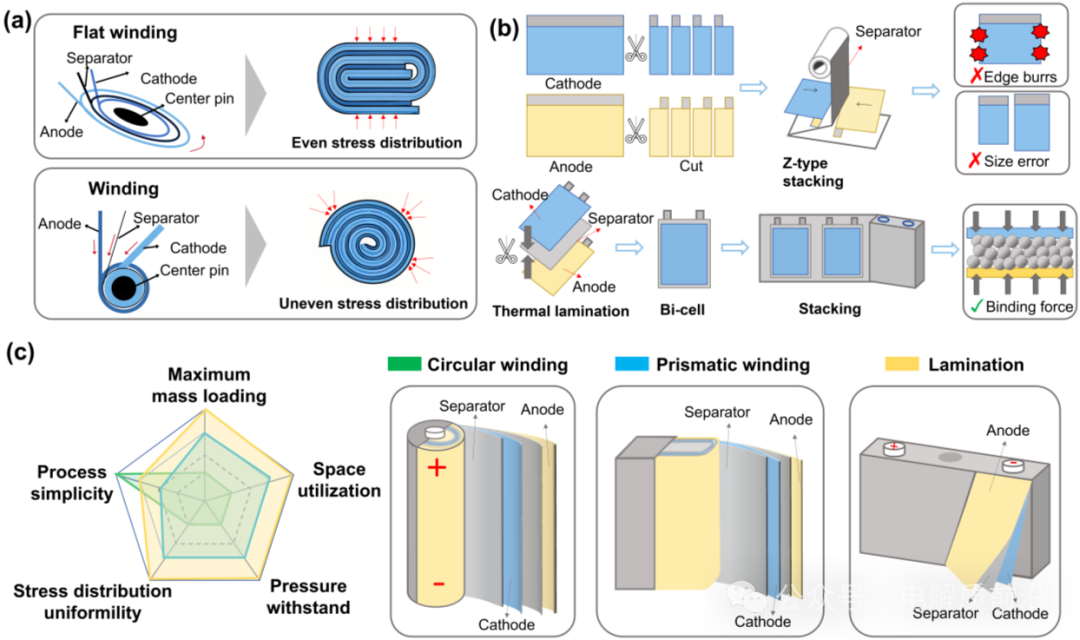
Figure 9. Design strategies for large active reaction area of Ah-level ZMBs
Figure 9 systematically elucidates the key strategies and adaptation principles for the configuration design of Ah-level zinc metal batteries. Through two core processes, winding and lamination, the electrode reaction area can be effectively expanded, and the overall capacity of the battery can be enhanced. Among them, the diamond pin winding structure allows thin electrodes (<100 μm) to achieve uniform stress distribution, ensuring structural stability during cycling; the thermal composite lamination technology, by reducing the number of electrode cuts and strengthening interlayer bonding, is more suitable for the practical application needs of thick electrodes and poor electrolyte systems. In terms of configuration selection, for neutral electrolyte systems (such as Zn-MnO2 batteries), adopting sealed lamination or winding configurations can effectively enhance volumetric energy density; while for acidic systems (such as Zn-Mn, Zn-I2 batteries), a liquid-rich flow configuration is required to specifically alleviate key issues such as the accumulation of H+ in the electrolyte and the shuttling of I3–, ensuring the long-term stable operation of the battery.
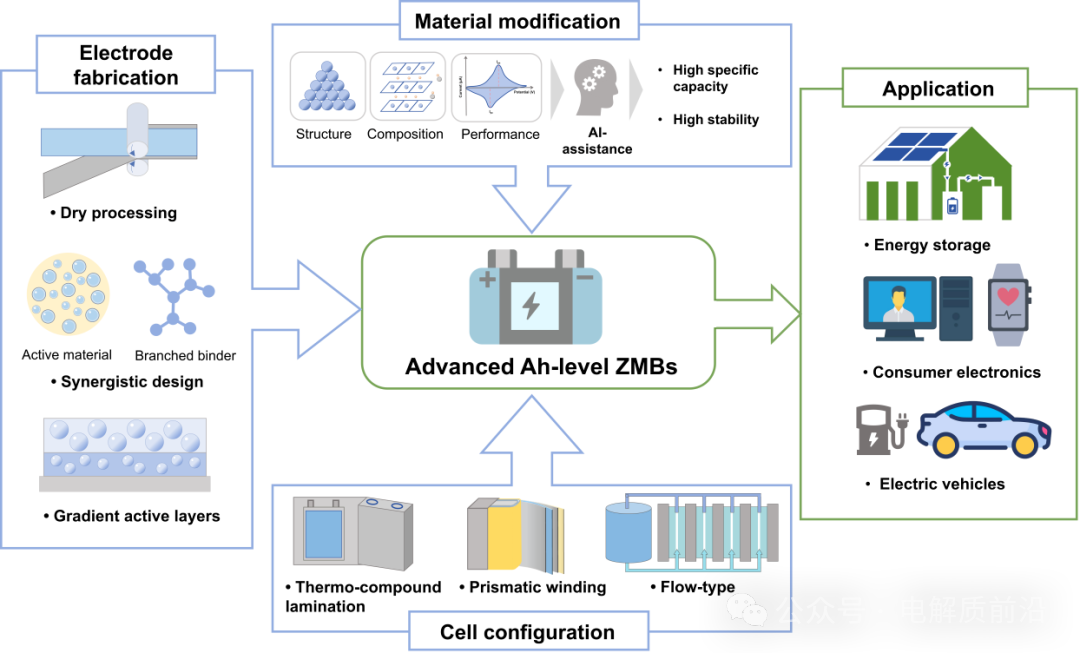
Figure 10. Future research prospects for Ah-level ZMBs
To address the aforementioned core bottlenecks, this work constructs a collaborative innovation path from three dimensions: material modification, electrode preparation, and battery structure. At the material level, it emphasizes the synergistic design of the structure-performance of active materials and binders, and introduces AI-assisted design strategies to quickly screen efficient additives, optimize interfacial layer compositions, and key parameters of electrodes through machine learning algorithms; at the electrode preparation level, it focuses on the integration of dry preparation processes, 3D porous current collectors, and gradient structures to simultaneously enhance electrode loading and transport efficiency; at the battery structure level, targeted development of winding-lamination hybrid configurations is required to achieve efficient adaptation to different complex chemical systems.
Summary and Outlook
This review systematically organizes and summarizes the core technical strategies to promote the practical application of Ah-level zinc metal batteries (ZMBs), clarifying three key directions supporting their industrialization development: first, material engineering optimization, enhancing the cycling stability of zinc anodes through crystal orientation regulation and composite interface construction, and enhancing the durability and ion transport efficiency of cathode structures through pre-insertion modification and defect engineering design; second, innovation in solvent-free dry preparation technology, relying on this technology to couple hierarchical conductive network construction and the application of 3D porous current collectors, achieving simultaneous high-capacity electrode preparation and efficient charge transport channel construction; third, precise design of battery configurations, focusing on configuration innovation, using advanced winding/lamination processes and chemically adaptable structural designs to achieve a balance between electrochemical kinetics performance and mechanical structural integrity. In the future, it is necessary to further integrate the above three core strategies, focusing on advancing multifunctional interface integration technologies, precise regulation of smart electrolytes, and large-scale manufacturing solutions, through cross-dimensional collaborative breakthroughs in materials, structures, and processes, to steadily promote Ah-level ZMBs towards high performance, long life, and low-cost commercialization.
References
Zequan Zhao, Qingquan Ye, Yangyang Liu, Bingan Lu, Shuquan Liang, Jiang Zhou*. Advanced Ah-level Zinc Metal Batteries.
Chem. Soc. Rev., 2025, Advance Article. https://doi.org/10.1039/D5CS00371G