
 New Trends in Semiconductor Development
Domestic Substitution and Innovation as Dual Drivers
The semiconductor industry is undergoing a new wave of technological and market transformation, with domestic substitution, advanced processes, and diversified applications becoming the core driving forces for rapid industry development. This article outlines the latest development trends across various branches of the semiconductor supply chain, providing references for industry practitioners and observers.
Upstream – Accelerating the Domestic Substitution Loop
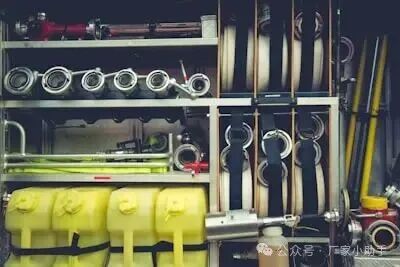
In the equipment sector: The domestic substitution of equipment such as etching machines has become the norm, with 5nm equipment successfully validated. It is expected that by 2025, the overall domestic substitution rate will reach 35%. Testing equipment has become a new competitive battlefield, with Changzhou Weipu achieving mass production and successfully entering SMIC, while Su Dawei Ge formed a “manufacturing + testing” closed-loop model through the acquisition of testing companies.

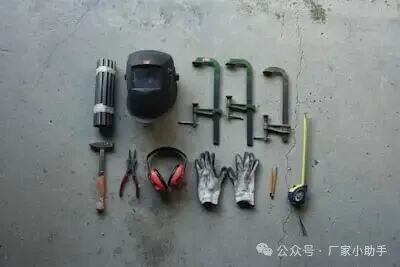
In the materials sector: A polarized trend is emerging, with the domestic substitution rate of mid-to-low-end materials such as electronic specialty gases exceeding 60%; breakthroughs have been made in high-end materials such as photoresists.
Midstream – Process Upgrades and Packaging Innovations
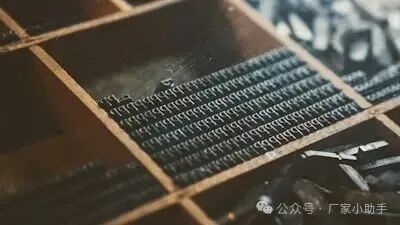
In the wafer manufacturing sector: The 12-inch production line is undergoing expansion, with domestic leading enterprises adding three new production lines. The yield for 14nm has reached 95%, and third-generation semiconductors are performing well, with silicon carbide and gallium nitride manufacturers holding over 60% of the domestic market share. However, development requires funding at the level of billions, and the competition is about long-term strength.

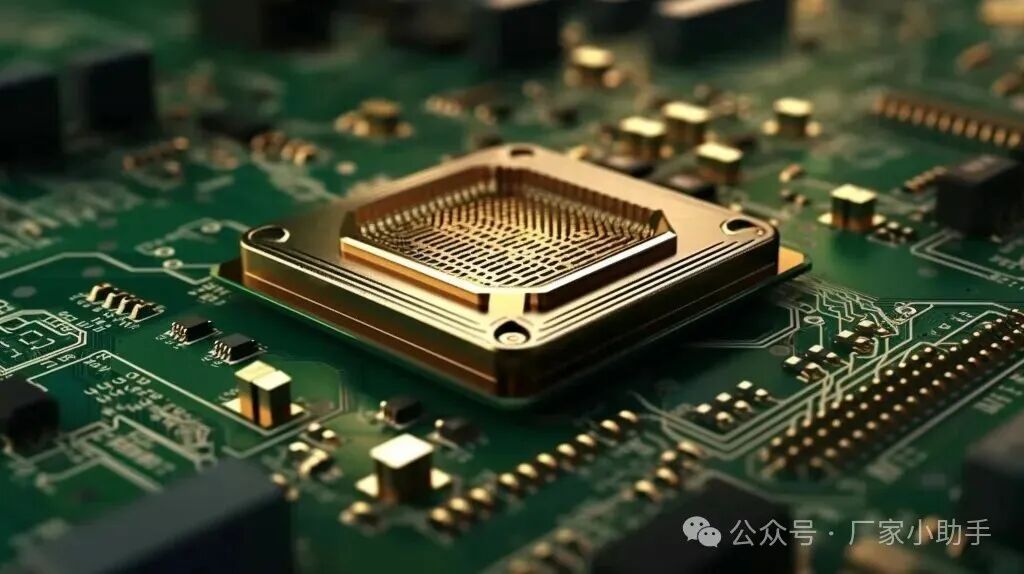
In the packaging and testing sector: Advanced packaging has become the “second curve” of industry development, with leading companies expected to see their revenue from this business reach 45% and grow by 80% by 2025. Changdian Technology is using Chiplet technology to provide services for Huawei’s Ascend, and 2.5D/3D packaging has become the focus of competition.
Downstream – Application Demand Leading Chip Direction

In the chip design sector: AI, automotive, and IoT have become the “golden triangle” of industry development, with global AI server growth reaching 80%. Domestic leading enterprises saw a 120% increase in orders in the third quarter; in automotive chips, the market share of domestic MCUs rose from 5% to 18%, supplying companies like BYD; the number of IoT devices is expected to exceed 75 billion, leading to a sharp increase in demand for related chips.
In the application terminal sector: Consumer electronics form the industry’s foundation, with growth primarily seen in automotive electronics and AI servers, where autonomous driving chips have become a fiercely contested area among companies.
Core Summary – Challenges and New Opportunities in the Deep Water Zone

The domestic substitution has entered the “deep water zone,” with policies and funding increasing support for the development of complete solutions;


Technological innovation relies on breakthroughs in advanced processes (below 7nm) and back-end packaging technology;


Industry growth is closely tied to AI, new energy vehicles, and the Internet of Things, which are the three driving forces.
Add Customer Service
For detailed inquiries, please scan the code to add customer service.
END