What is ‘Corner Error’ in Weighing Sensors? Descent Sensors: Accuracy Stable for Ten Years
Have you ever encountered a situation where the same platform scale shows different weights when an object is placed in the center versus the corner? 🤔 This is a typical case of the ‘corner error’ problem at play!
 What does corner error mean?
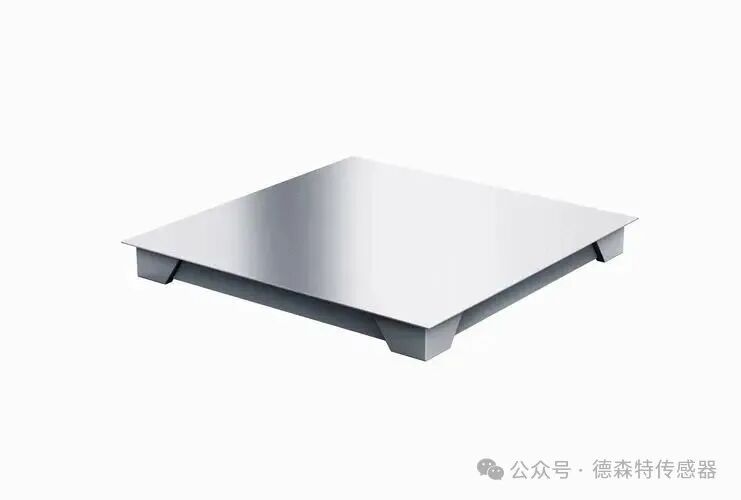

Imagine a table supported by four ‘scale feet’ (sensors). Ideally, no matter where you place a heavy object on the table, the force on the four ‘scale feet’ should be evenly distributed.
However, in reality, due to uneven installation bases, deformation of the scale platform, and friction in mechanical connections, the four sensors may experience uneven loading. This phenomenon, where the same weight shows different readings at different positions, is called ‘corner error.’
In simple terms: if the object hasn’t moved but the weight has changed, that’s corner error. What are the dangers of corner error?
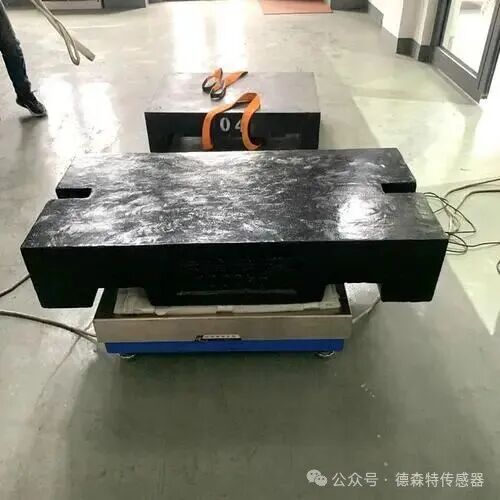

Don’t underestimate the error, which may only be a few kilograms; the consequences can be significant!
-
Inaccurate weighing affects fairness: This is the most direct harm! Whether for trade settlements or production materials, an inaccurate scale means economic losses and disputes. 💰
-
Damage to sensors: Long-term overload on one or several sensors can greatly shorten their lifespan and even lead to permanent damage.
-
Affects system stability: Corner error can cause fluctuations and instability in the readings of weighing instruments, affecting normal use.
 How to adjust for corner error?
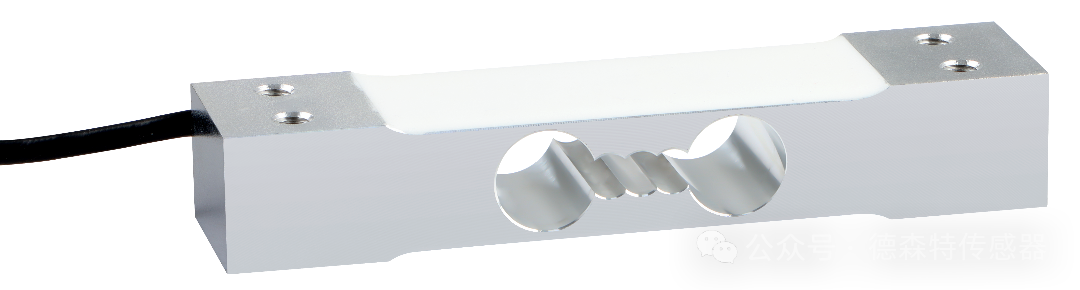

To adjust for corner error, we refer to it as “corner error compensation” or “four-corner adjustment”, which typically requires professional technicians to complete using weighing instruments. The process is as follows:
-
Step 1: Prepare weights
Prepare standard weights equivalent to 1/3 to full capacity of the scale.
-
Step 2: Distributed loading
Place the weights sequentially in the four corners and center area of the scale platform (if there are multiple sensors, cover each sensor’s support point), and record the display values at each position.
-
Step 3: Enter debugging mode
Access the corner error compensation program of the weighing instrument (refer to the specific instrument’s manual).
-
Step 4: Sequential adjustment
According to the prompts from the instrument, usually after completing the initial calibration at the center point, place the weights at each corner point, and the instrument will automatically or guide you to adjust the “potentiometer” or input correction factors to make the display values at each corner consistent with the center value.
-
Step 5: Repeat verification
After adjustments, move the weights between several points again to confirm that the error has been reduced to an acceptable range.
 Tip:
Tip:
-
Corner error adjustment is a delicate task, and it is recommended to be performed by professionals.
-
Regular checks and preventive measures ensure a level installation base and balanced sensor loading, which can fundamentally reduce corner error.
In summary: Corner error is an ‘invisible killer’ affecting the accuracy of electronic scales, but through scientific ‘corner error compensation’, it can be effectively eliminated, ensuring accurate and reliable weighing results! END
END