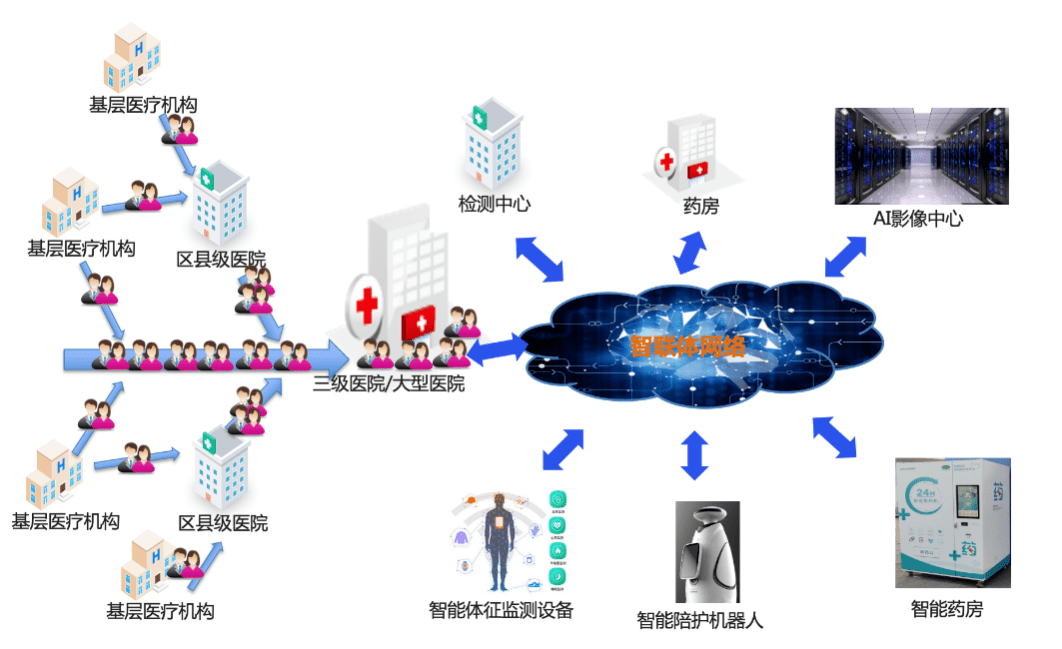
In the past decade, the application of Internet of Things (IoT) technology in the healthcare sector has significantly increased, and it is expected to continue growing in the coming years.
A report by The Business Research Company indicates that the healthcare IoT market size will reach $231.71 billion by 2024, with projections of $282.23 billion by 2025 and $616.29 billion by 2029, reflecting a compound annual growth rate of up to 21.6%.
The transformative power of IoT in healthcare, the significant benefits it brings to patients, and the overall digital transformation occurring in the healthcare industry have all contributed to this substantial growth.
The application of IoT in healthcare, also known as the Internet of Medical Things (IoMT), encompasses various technologies: sensors that collect patient biometric data, networks that transmit data, and computers that process the data.
When these technologies are integrated within an IoT environment, they enable patients and their healthcare providers to analyze and respond to data in near real-time. This provides a level of accuracy and speed that would be impossible without IoT technology.
Top Applications of IoT in Healthcare
Healthcare institutions utilize IoT (IoMT) in various ways to improve clinical operations, patient experience, and treatment outcomes. Here are nine use cases of IoT in healthcare.
1. Remote Patient Monitoring
Remote Patient Monitoring (RPM) is one of the most common and significant applications of IoT in healthcare. Patients use devices to measure or monitor one or more vital signs, such as heart rate, blood pressure, blood glucose levels, and temperature.
The device can regularly send metrics to the computer system of the care team for review and analysis, or it can send metrics only when preset parameters are exceeded, which may indicate a medical issue that requires attention.
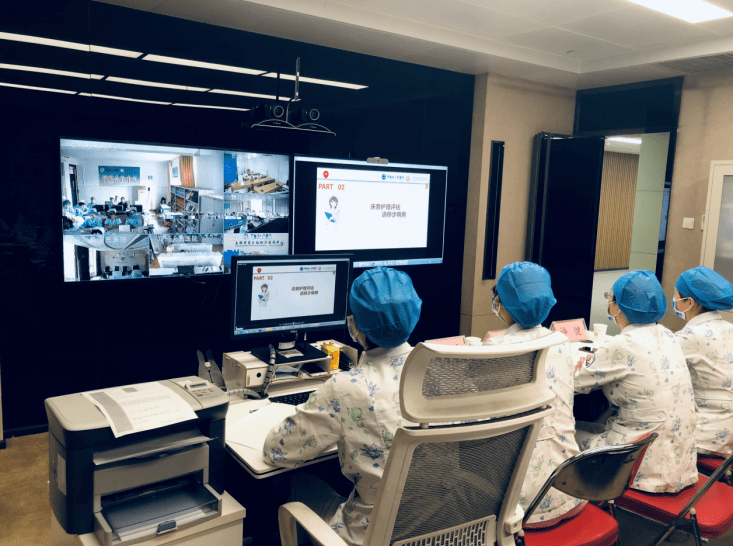
For example, a supported IoT monitoring feature can be set up so that when a smart thermometer detects a fever in a patient recovering at home post-surgery, it alerts the clinician, as an elevated temperature may indicate an infection. Patients and their healthcare teams can also analyze the collected data to assist in diagnosing conditions or gaining deeper insights into existing conditions.
All these uses aim to help patients remain as healthy as possible and ensure timely treatment of acute issues that arise.
2. Telehealth Empowerment
The Internet of Medical Things (IoMT) is also crucial for many virtual consultations and telehealth functionalities. By using interconnected medical devices (ranging from consumer-grade wearable health trackers to connected imaging systems) to monitor, collect, and transmit patient data in real-time, more efficient virtual consultations and telehealth can be achieved.
This accelerates care and treatment for patients in home and rural areas, reducing costly hospital visits.
3. Medication Management and Compliance
Connected medication dispensers (such as inhalers, insulin pens, and pillboxes) can be programmed to remind patients when to take their medication and dispense the correct dosage at the right time. Additionally, these connected dispensers can track whether patients are taking their medication and send reports to the care team.
This real-world data is more accurate than self-reported data from patients, helping patients and clinical teams manage more complex medication regimens, ensuring adherence to treatment plans, and avoiding errors—all of which contribute to improved patient outcomes.
4. Ingestible Sensors
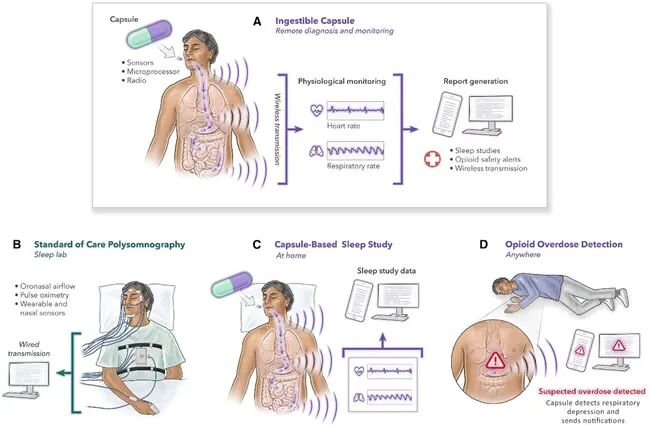
These are small IoT medical devices (IoMT) that patients swallow. These devices enter and traverse the gastrointestinal tract, using biosensors to measure temperature, pH, and other health indicators.
They are typically powered by micro-batteries, biofuel cells, or energy harvested from the human environment. Wireless telemetry technology transmits data, which clinicians can use to diagnose conditions without more invasive procedures, such as endoscopies.
5. Emotion Monitoring
Healthcare providers also use connected devices for emotion monitoring and management, discovering that emotion IoT (IoMT) can provide accurate real-time information about patients’ emotions.
Applications of IoMT involve wearable devices, biosensors, mobile applications, and artificial intelligence programs designed to identify emotions and physiological signals indicative of specific emotions.
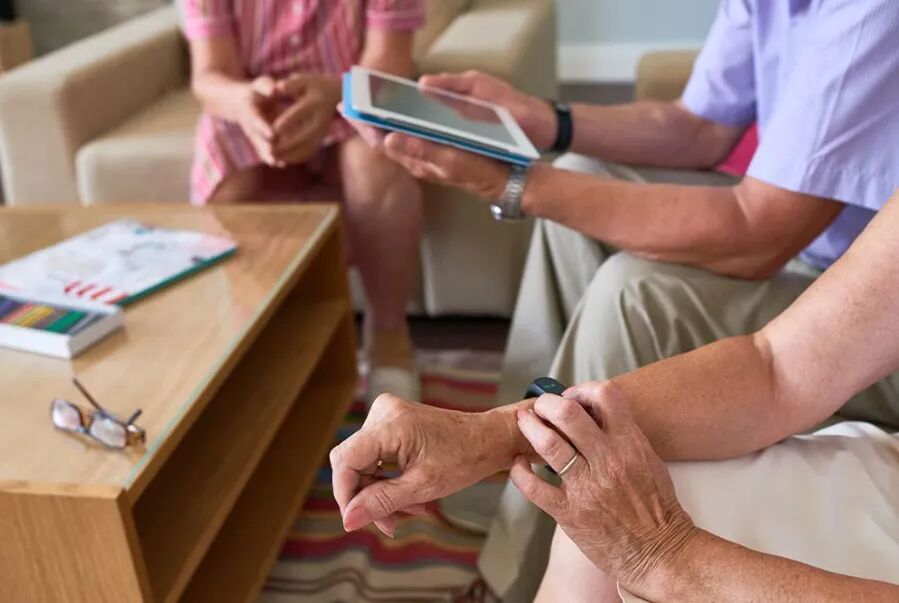
The emotion IoT used for monitoring and management can detect subtle changes in mental health, alerting patients and caregivers to these changes and helping determine whether intervention is needed and what type of intervention should be taken—ideally before a crisis occurs.
6. Implementing Safety Policies and Best Practices, Including Hand Hygiene Monitoring
IoMT is also used to ensure personnel compliance with safety protocols, policies, and best practices. For example, hospitals can use RFID tags, wearable badges, and sensors to track staff activities to confirm adherence to infection control measures or mandatory hand hygiene procedures.
Doctor’s offices can use environmental sensors to monitor temperature and humidity to ensure proper storage of medications. In this case, healthcare institutions can use wireless communication technologies, such as Bluetooth Low Energy (BLE), to transmit data from endpoints to cloud-based central computing resources, where the system analyzes the data and generates compliance reports.
7. Tracking, Monitoring, and Maintenance of Devices and Assets
The healthcare industry also uses IoT technology to monitor devices and assets, similar to its applications in manufacturing and logistics in other industries.
Healthcare institutions can connect smart sensors, RFID tags, or BLE beacons to medical devices (such as portable X-ray machines or wheelchairs) for real-time location tracking from a central dashboard. This IoT application can reduce equipment loss and optimize inventory management.
8. Predictive Maintenance
Like many other industries, the healthcare sector also leverages IoT technology for proactive maintenance of its equipment and assets.
Sensors on medical devices and other assets collect data about machine usage and condition. These sensors then send this data to computers, which combine it with information from various sources (such as information provided by machine manufacturers) to determine the optimal maintenance timing.
This allows healthcare institutions to optimize maintenance schedules, keep equipment running at peak performance, and prevent failures that could impact patient care.
9. Robotic Surgery
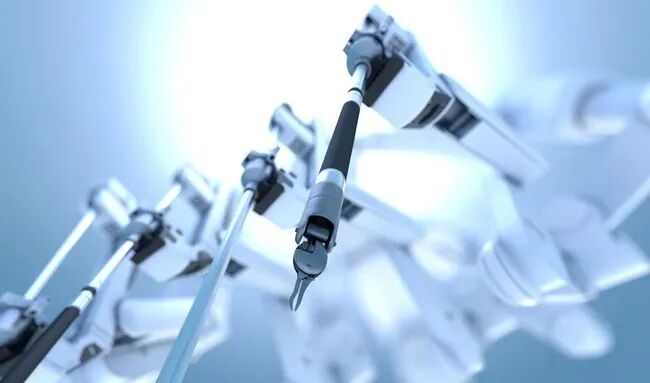
Surgeons are leveraging the powerful capabilities of IoT (IoMT) to conduct surgeries more efficiently. For example, they use monitoring devices and analytical programs for advanced real-time monitoring during surgeries.
They also utilize interconnected surgical devices with artificial intelligence, computer vision, and robotic capabilities to enhance visualization and precision. These technologies automatically adjust to changing conditions, increasing the likelihood of favorable treatment outcomes for patients.
The Future of IoT in Healthcare
The healthcare industry is in the early stages of transforming medical services through IoT. Researchers and healthcare leaders indicate that advancements in interconnected systems, artificial intelligence, and robotics will fundamentally change the industry.
These technologies help reduce costs while further enhancing patient engagement, patient experience, clinician experience, and most importantly—patient treatment outcomes.
Source: Qianjia.com