When the Internet first arrived in our modern lives, we used our computers and smartphones to send text messages. As technology evolved, we began sending images and videos to people far away. Now, with smartphones entering every household, the Internet has reached a new peak of development, encompassing various industries. Mobile applications have made people’s lives more colorful and brought great convenience, such as video chatting, live streaming, playing various online games, listening to music on major platforms, and staying updated with news and interesting stories. Thus, it can be seen that the Internet is more like a platform for people to disseminate and share information.
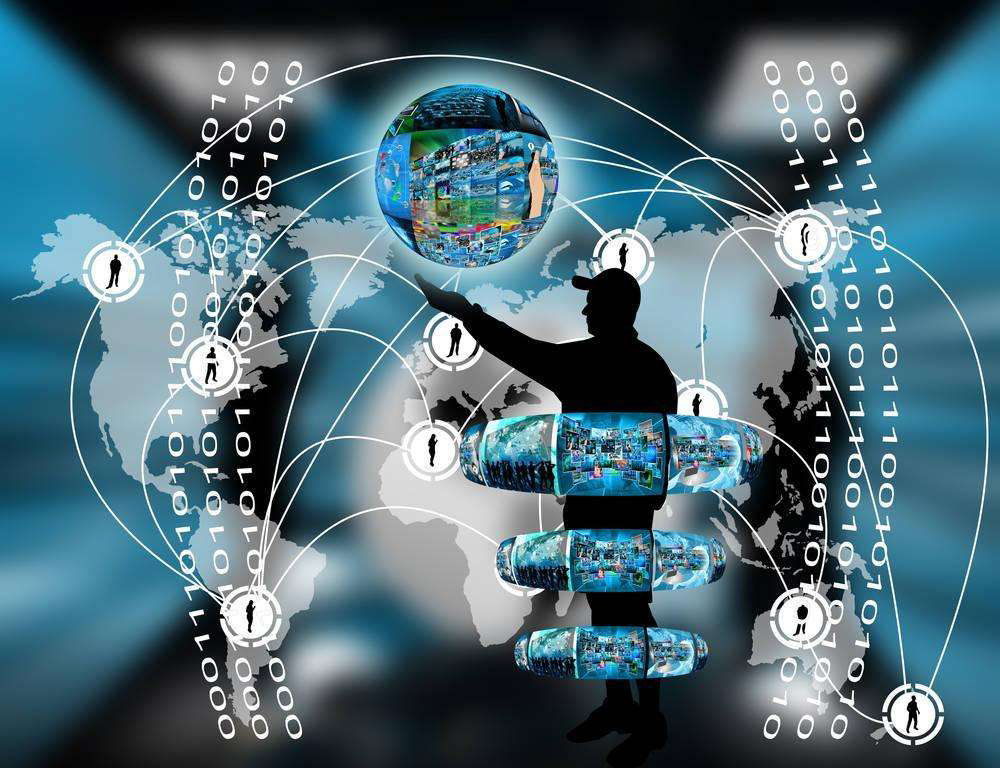
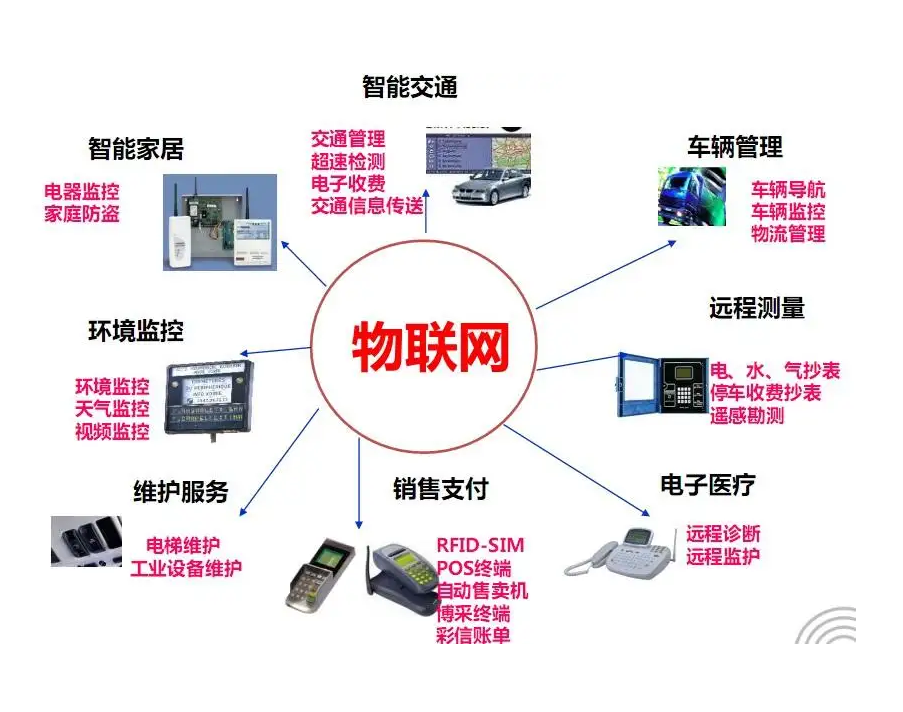
The Internet of Things (IoT), on the other hand, connects everyday objects through the Internet to collect and transmit information, enabling intelligent identification, positioning, tracking, monitoring, and management of things. You might ask, how can objects transmit information since they are neither human nor capable of typing or speaking? In fact, objects can collect and transmit information through various sensing devices such as Radio Frequency Identification (RFID), infrared sensors, Global Positioning Systems (GPS), and laser scanners.
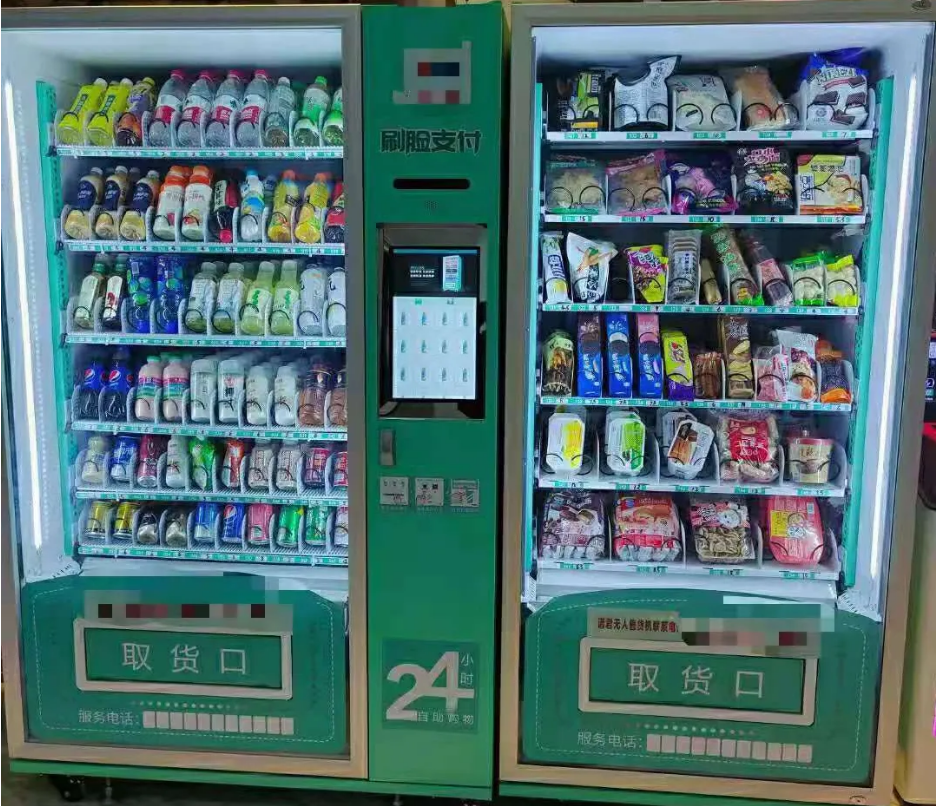
Common examples include vending machines at the bottom of buildings or in subway stations that use IoT technology to allow for cashless transactions, where consumers can pay online and collect their goods. Machines can also notify operators when items need restocking, eliminating the need for a dedicated person to check. Another common example is the student ID cards issued by universities, which offer half-price tickets. These student IDs contain a standard readable and writable RFID chip that stores the number of uses, making it very convenient and well-received by college students.
After introducing the basic concepts and practical examples of the Internet and IoT, let’s discuss the differences between the two. The Internet is limited to virtual communication, while IoT enables communication between physical objects. Thanks to the Internet’s capability for remote information transmission, IoT can use various sensing devices, such as RFID, sensors, and infrared, to send information to receivers, which is then transmitted through the Internet and processed in the cloud, enabling remote monitoring, automatic alerts, control, diagnosis, and maintenance, thus achieving an integrated system of “management, control, and operations.” Therefore, the Internet is a necessary means and method for the realization of IoT.
The fundamental difference between the two lies in the fact that the Internet connects “people to people,” creating a world where all information is uploaded by people and received by people. In contrast, the IoT connects “things to things,” where information is collected and uploaded by devices, and data processing is automatically handled by the cloud, issuing commands executed by the devices, allowing for unmanned operations.
For example, when a husband sends a WeChat message to his wife asking her to sweep the floor, that is the Internet. However, when the husband uses a mobile app at work to instruct the robotic vacuum at home to clean the floor, that is IoT.
Zhengzhou Boguan Electronic Technology Co., Ltd. is a service provider specializing in customized software and hardware solutions for IoT development. It is also a leading provider of IoT terminal device solutions in the Central Plains region. The company is dedicated to developing and maintaining service platforms such as shared battery swap cabinets, smart charging piles, shared car washing machines, and IoT software and hardware. Headquartered in the High-tech Zone of Zhengzhou, Henan Province, it has obtained the National High-tech Enterprise Certification. After more than ten years of business development, the company has formed a business pattern centered on the Central Plains region, with operations spread nationwide.