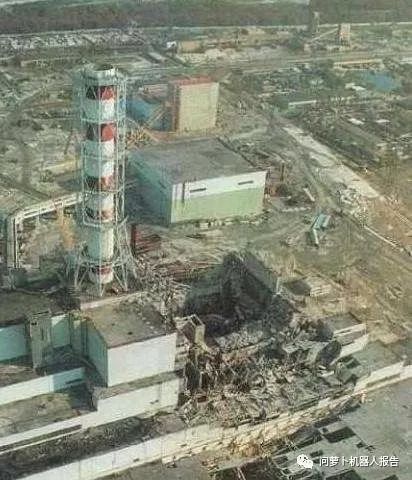
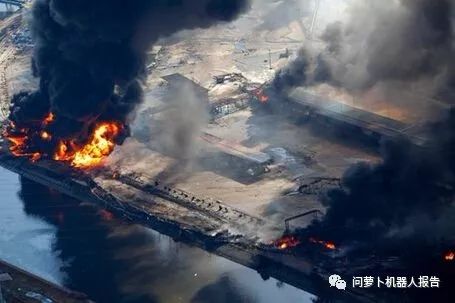
As of now, everyone knows about the two most serious nuclear leakage incidents in history, the 2011 Fukushima nuclear power plant leak and the 1986 Soviet Chernobyl nuclear leak. Both incidents have caused permanent harm to humanity.
Aerial view of the Chernobyl nuclear leak
Aerial view of the Fukushima nuclear power plant leak
Introduction to the cast of the HBO series Chernobyl interview

Recently, the joint British-American series Chernobyl— produced by Sky and HBO in the United States. From the name, everyone should know what story this series tells: set against the backdrop of the 1986 Chernobyl nuclear power plant accident, it reveals the events surrounding the most severe man-made disaster of the last century, narrating the touching story of a group of brave heroes who went to the nuclear power plant site to save Europe from catastrophe.
Highly recommend this series, but watch with caution (updates every Tuesday).
High-rated series Chernobyl
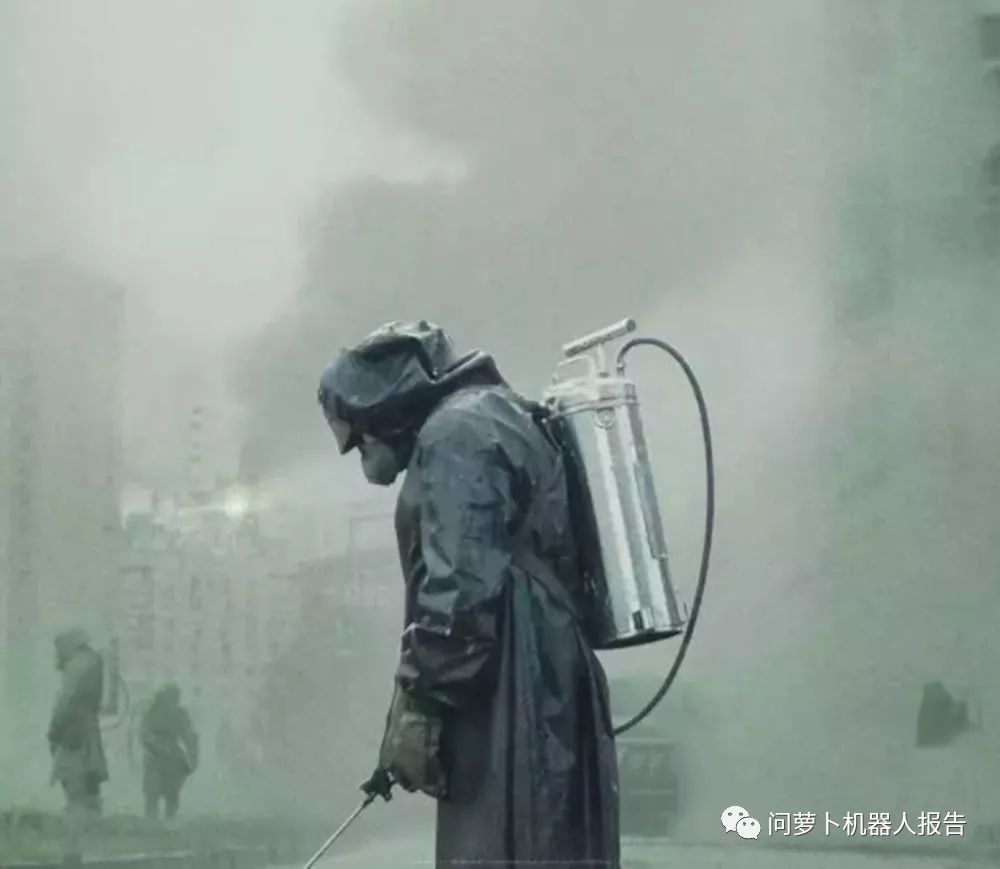

Scene from the series, nuclear personnel decontaminating after the nuclear leak

Scene from the series – Deep nuclear radiation
Of course, the above is not our main point; the focus is on discussing the application of robots in nuclear leakage crises.
As we know, nuclear materials are like a devil’s existence, yet they bring relative peace and an inexhaustible energy source to humanity.

Ceramic uranium fuel pellet
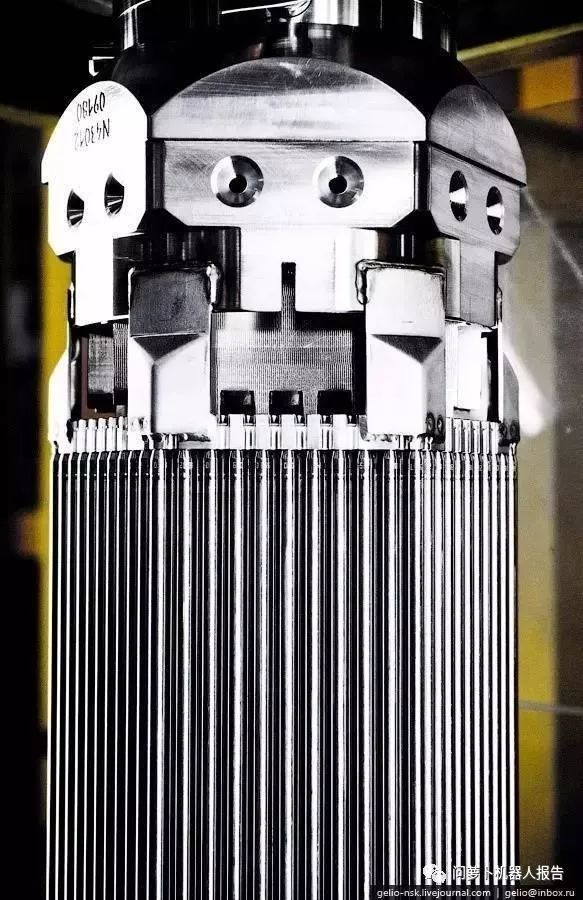
A completed nuclear fuel rod
Nuclear radiation is the energy emitted in the form of waves or particles, and both nuclear explosions and nuclear accidents produce nuclear radiation.
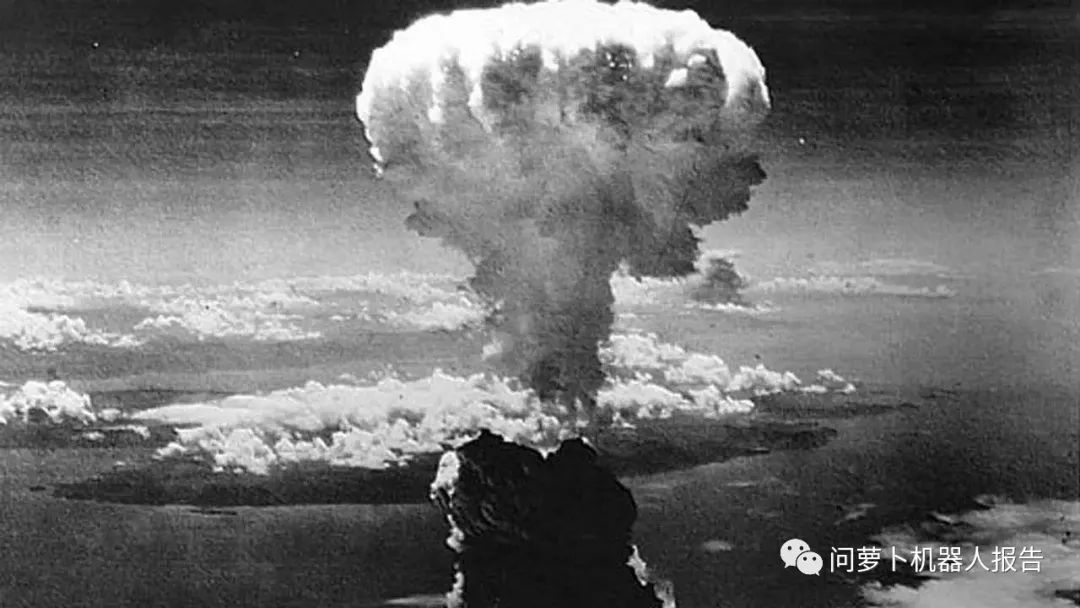
Hiroshima nuclear bomb explosion
Nuclear radiation mainly consists of α, β, and γ rays:
α rays are helium nuclei, with weak penetration ability; they can be blocked by a piece of paper, but if inhaled, they can be very harmful;
β rays are streams of electrons; they can cause burns on the skin after exposure. Due to their low penetration, these two types of rays have limited impact as long as the radiation source does not enter the body;
γ rays have strong penetration ability; they are a form of electromagnetic wave with a very short wavelength. γ radiation is similar to X-rays and can penetrate human bodies and buildings, causing harm over long distances. While many radioactive substances in the universe and nature exist, their harm is generally not significant; only radioactive substances from nuclear explosions or nuclear power plant accidents can cause widespread casualties.
The human body consists of somatic cells and germ cells, which differ in sensitivity to ionizing radiation and the effects of damage. The damage caused by ionizing radiation to the body fundamentally results from the inactivation of cells. When the number of inactivated cells reaches a certain threshold, damage to somatic cells can lead to diseases in human organs and tissues, potentially resulting in death. Once somatic cells die, the damaged cells disappear and cannot be transferred to the next generation.

For love and hope, after 23 years, the first nuclear radiation case victim in China, Song Xuewen, has passed away
Under the influence of ionizing radiation or other external factors, genetic mutations can occur. When DNA in germ cells is damaged, the offspring inherit the altered genes from the mother, leading to defective descendants. Therefore, humans must avoid high doses of radiation exposure.

The harm of nuclear radiation to the human body is extremely significant, especially with high doses of exposure.
Since the inception of the nuclear industry, research on nuclear power robots has never ceased in various countries. As early as the 1940s, the Argonne National Laboratory in the United States developed a manipulator capable of handling radioactive materials. Since the 1980s, countries such as the US, France, Germany, and Japan have increased their efforts in developing nuclear power robots. After the Chernobyl accident, nuclear protection detection robots and anti-radiation operation robots from multiple countries participated in rescue operations. Currently, the US nuclear protection robots are not only used for civilian purposes but have also been applied in military fields, even serving on the battlefields in Iraq and Afghanistan. In terms of executable actions, mobility, battery life, and signal transmission, nuclear power robots have made significant progress.
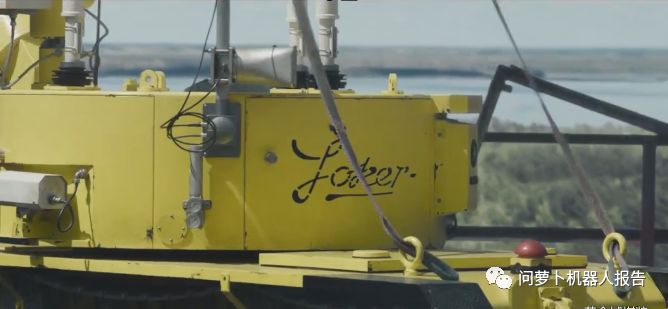
German nuclear robot in the HBO series Chernobyl
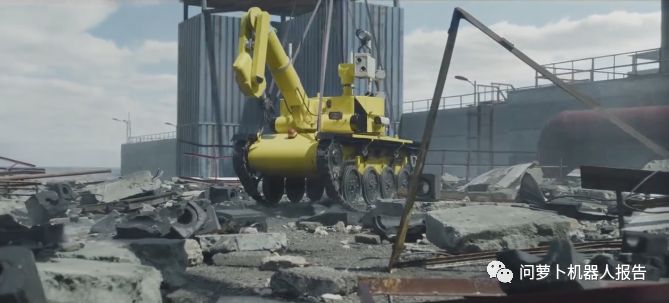
This robot in the series is named JOKER
The robots used in the Chernobyl accident
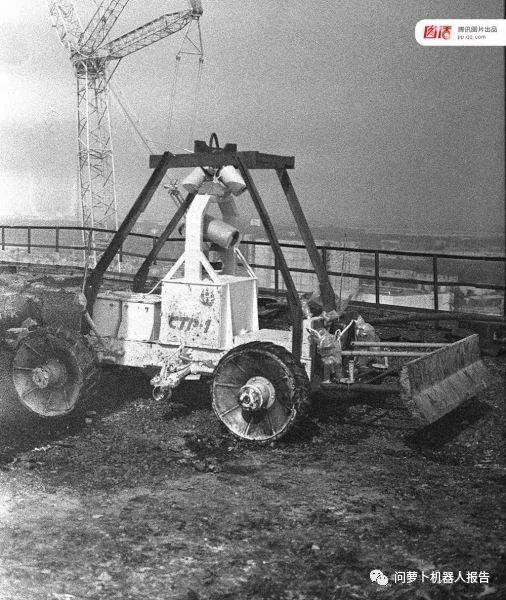
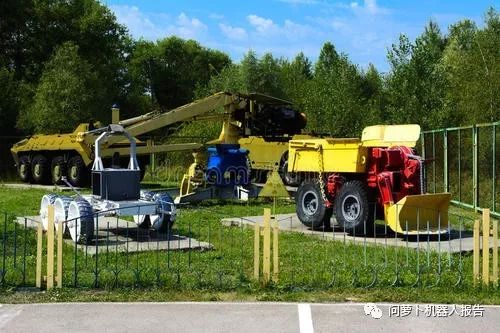
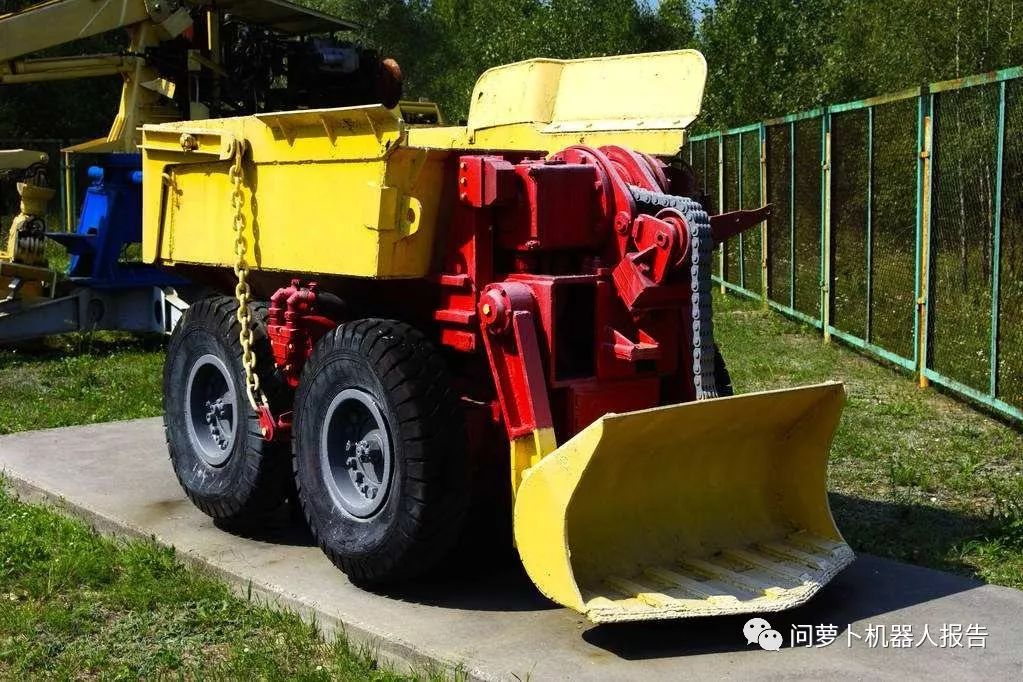
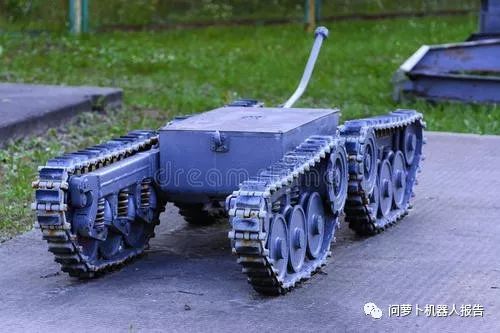
Just a second ago, it was normal
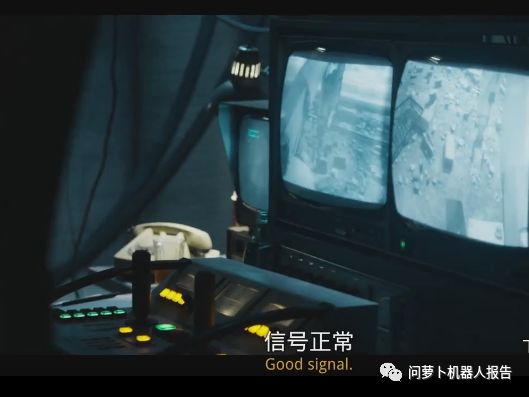

In the next second, it was paralyzed

Because the nuclear radiation intensity was too high
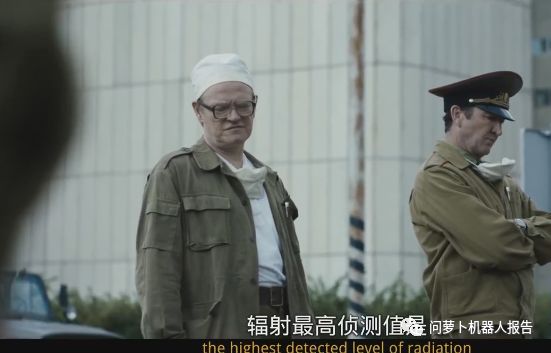
2000 Röntgen?

What is Röntgen?
Röntgen is not an internationally accepted unit of measurement; it is a unit of the radiation dose produced by radioactive materials.
The English code is R, defined as the radiation intensity that creates one electrostatic unit (3.3364×10⁻¹⁰ coulombs) of positive and negative ions in one cubic centimeter of air at 0 degrees Celsius and 760 mm Hg pressure = 1 Röntgen unit. The Röntgen unit is not an international unit but is still commonly used in fields such as medicine. The conversion to international units is 1 Röntgen unit = 2.58×10⁻⁴ coulombs/kilogram.
It is generally used to measure the intensity of X-rays and γ-rays. When using the Röntgen unit to measure other forms of radiation (such as α particles), a Q factor representing biological impact must be multiplied. The Röntgen unit indicates the amount of radiation present, which is not equal to the absorption by biological tissue. The latter is measured using radiation dose, with units of rem or sievert. 1 rem is roughly equivalent to the total absorption of 1 Röntgen unit of radiation by the human body.
Strictly speaking, Röntgen and sievert (Sv) are two different units of measurement.
In summary, it can be considered that:
1 R (Röntgen) is equivalent to 10 mSv (millisievert) = 10,000 μSv (micro-sievert) = 0.01 Sv (sievert) = 1 rem (rem).
Sievert (Sv) is a derived unit in the International System of Units, used to measure the biological damage caused by radiation. Sievert (Sv) is a specialized name for a derived unit established for human health and safety protection needs. It is a unit for measuring the equivalent dose (H), ambient dose equivalent, directional dose equivalent, and personal dose equivalent.
Defined as 1 Sv = 1 joule/kilogram (1 Sv = 1 J/kg). · 1 Sv = 1000 mSv
·
1 rem = 10-2 Sv (rem is the symbol for rem)
The annual limit for a normal person is only 1 millisievert; exceeding 4000 times will result in fatal contamination.
So the concept of 2000 Röntgen is that if there is no protective equipment, the absorption amount in such an environment in one hour can reach 20000 millisieverts, which is ten times the lethal dose, meaning that just 6 minutes can reach the lethal dose, and this person will irreversibly die.

The vast majority of nuclear power robots that participated in handling the Chernobyl nuclear accident lost their operational capabilities in less than 20 minutes. Moreover, in an environment with a radiation dose of 650 sieverts per hour, robots designed to withstand 1000 sieverts of radiation lasting 2 hours is already a feat, while humans would die in just 10 seconds in such an environment.

As for what this Putian doctor said, let’s not believe it.
Back to the main topic
The mobile robot platform is centered around the controller and includes a multi-sensor information fusion module, obstacle detection module, motion control module, and communication module. The mobile robot platform communicates with the upper computer software to return the preliminary fusion processed sensor data. At the same time, it receives motion trajectory parameters and control commands issued by the software platform. The upper computer software human-computer interaction platform consists of an interaction operation layer, core functional layer, and data communication layer, providing a visual platform for manually planning the robot’s movement path, embedding known structured environmental information.
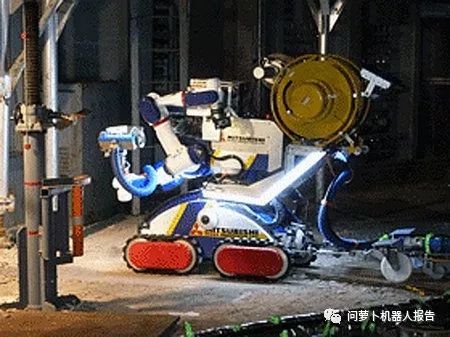

As shown
This is more conducive to analysis and planning, making it easier to formulate reasonable movement trajectories for robots. Common drive methods for mobile robots include wheeled, tracked, wheeled-tracked hybrid, legged, and wheeled-legged hybrids. Wheeled robots have simple structures, high reliability, good stability, and fast movement speed, primarily used in relatively flat surfaces.

Tracked robots and wheeled-tracked robots have relatively complex structures and strong adaptability to terrain, but the positioning accuracy of tracked robots is not as high as that of wheeled robots.

Legged walking robots and wheeled-legged walking robots

So what condition will the various components of robots be under strong nuclear radiation?
The radiation damage mechanism of robot systems
In robot systems, each device uses many different materials, and the radiation resistance of these materials often determines the performance of the device in strong radiation environments. The anti-nuclear reinforcement issues of robots in the radiation field will discuss the radiation damage mechanisms of several commonly used materials in robot systems.
The radiation damage mechanism of semiconductor materials

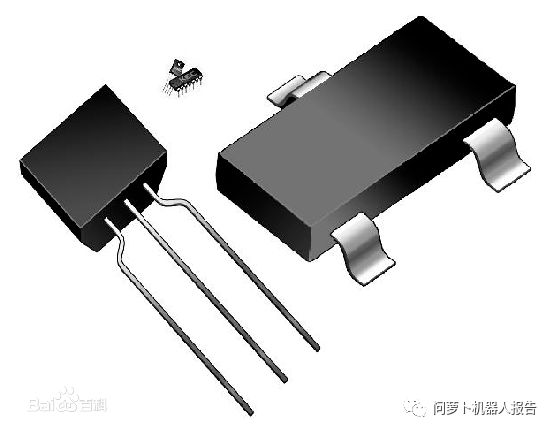
Since robot systems are complex control systems integrating machine, electricity, sound, light, and more, control devices represented by semiconductor transistors play a core role in robot systems. Semiconductors primarily made of silicon will be the focus of our research and discussion.
Semiconductor devices use materials such as silicon, germanium, or gallium arsenide, which can be used as rectifiers, oscillators, light emitters, amplifiers, photodetectors, etc. To distinguish them from integrated circuits, they are sometimes referred to as discrete devices. The basic structure of most two-terminal devices (i.e., diodes) is a PN junction.
(1) Static power consumption current
Under Y radiation conditions, static power consumption current will be affected by the continuously accumulated radiation dose. Taking CMOS devices as an example, static power consumption current will continuously increase as the total Y radiation dose increases. When the accumulated dose approaches 300 Gy, the static power consumption current for each device can reach several tens of milliamps, significantly increasing power supply current and impacting circuit operation.
(2) Threshold voltage
The threshold voltage is an important parameter for digital logic circuits, and the threshold voltage of semiconductor chips continuously decreases as Y radiation accumulates. The greater the total dose, the more significant the decrease. Depending on the chip manufacturing process, when the total dose reaches a certain value, the device completely loses its logic function, even flipping logic. The decrease in threshold voltage is the most crucial factor in the loss of dynamic energy in the circuit.
(3) Chip impedance
Y radiation will also cause a significant decrease in the resistance Rs between the output terminal and the ground terminal, while the decrease in resistance Rc between the output terminal and the power terminal is relatively minor. Thus, the NMOS transistor at the output stage will be severely damaged, while the PMOS transistor at the output stage will be relatively less damaged. This indicates that the structure between the output terminal and the ground terminal in the circuit is significant for anti-nuclear radiation design.
The radiation damage mechanism of polymer materials
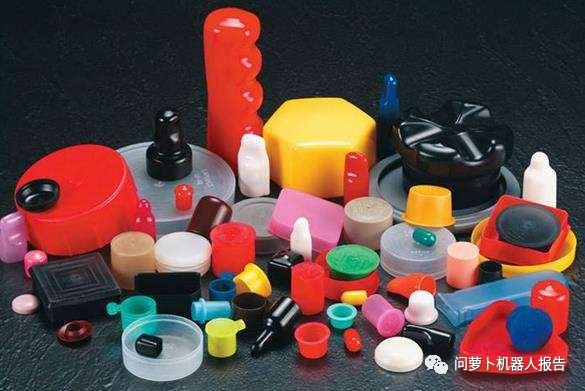
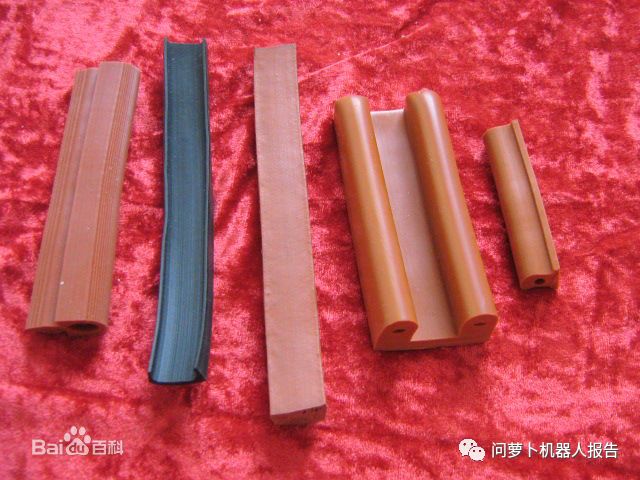

Polymer materials, also known as high molecular materials, refer to high molecular weight compounds formed by repeating connections of many identical, simple structural units through covalent bonds. Generally, polymer materials include rubber, plastics, fibers, adhesives, coatings, functional polymers, and biological polymers.
These materials are widely used in industries, energy, information, and other sectors, and are even more essential in robot systems. Nuclear radiation acting on polymers can trigger cross-linking reactions, degradation reactions, and changes in unsaturation (double bonds). If oxygen is present, oxidation reactions can occur, producing various gaseous products and other reactions. All these reactions lead to radiation aging of polymers, which in turn affects their properties. The radiation aging of polymer materials depends on the type and composition of materials, dose, dose rate, type of radiation, as well as environmental conditions such as temperature and humidity.
The radiation damage mechanism of metal materials
Because the γ rays emitted by 60 Co are high-energy photons with strong penetration capabilities, unlike neutron radiation that produces residual radiation. Therefore, γ rays do not structurally affect metal materials; the shielding effect of the same specification of materials varies greatly due to the different densities of metal materials.
The application of anti-nuclear reinforcement technology in robot systems
Anti-nuclear reinforcement is a multi-disciplinary technology that aims to explore more economical, simple, and effective radiation reinforcement measures and seek more advanced simulation testing technologies. In strong radiation environments, the normal operation of robot systems must rely on anti-nuclear reinforcement technology as a guarantee. Various technical measures are taken to ensure that the internal electronic systems and instruments of robots can still function properly and reliably under radiation environments. To carry out anti-radiation reinforcement work, it is first necessary to understand the radiation environment and the radiation effect damage mechanism. Secondly, failure criteria must be established based on anti-radiation indicators and the performance requirements of electronic systems. Then, reinforcement design is conducted according to reasonable safety factors. Each link from device production, circuit design to assembly into electronic systems can be reinforced; however, due to the current design experimental components lacking device-level anti-nuclear reinforcement equipment and conditions, the entire reinforcement work is based on electronic system circuit design and shielding of vulnerable devices. This article mainly explores and experiments with the anti-nuclear reinforcement methods for robot systems based on practical project requirements and existing conditions.
|
Radiation Type |
Composition |
Penetration Ability |
Harm to Humans |
Conditions for Generation |
Post-Radiation Effects |
|
α rays |
Helium nuclei |
Weakest penetration |
Internal exposure |
Natural nuclides |
No residue |
|
β rays |
High-energy electrons |
Weaker penetration |
External exposure, internal exposure |
Artificial nuclear reactors |
No residue |
|
γ rays |
Photons |
Strong penetration |
External exposure |
Artificial nuclear sources |
No residue |
|
Neutron rays |
Neutrons |
Strongest penetration |
Internal exposure |
Chain reactions |
Residual |
The impact of radiation environments on humans
|
Population |
Absorbed Dose (unit: mGy) |
Irradiation Time (Frequency) |
Remarks |
|
Fukushima workers |
1.015 |
Per hour |
Exceeding standard |
|
General population |
2.4 |
Per year |
Natural exposure |
|
Nuclear workers |
50 |
Per year |
Regulated limit |
|
General population |
<100 |
Single exposure |
No health changes |
|
General population |
100-500 |
Single exposure |
No disease symptoms, leukopenia |
|
General population |
1000-2000 |
Single exposure |
Mild radiation sickness |
|
General population |
2000-4000 |
Single exposure |
Bone marrow damage |
|
General population |
>4000 |
Single exposure |
Death |
The impact of radiation environments on robot components
These experimental data require humans to reinforce various components of robots again.
Take a look at the abandoned robots at the Chernobyl nuclear power plant
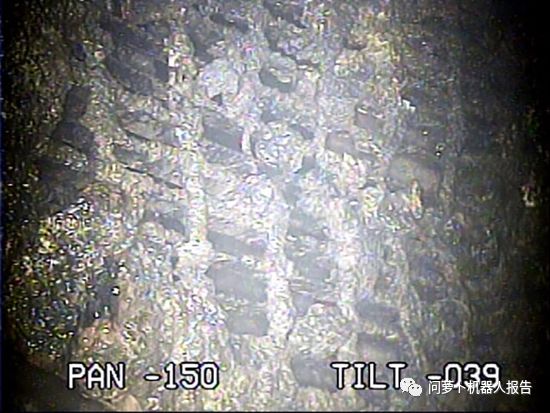
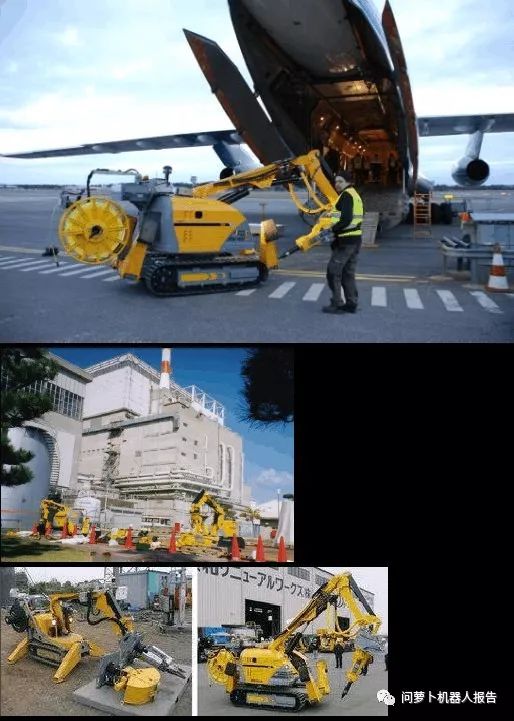
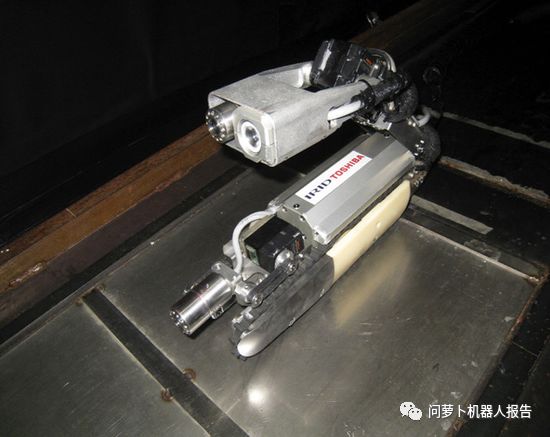
Robots applied in Fukushima, however, in super strong nuclear radiation environments, everything is just scrap! Scrap!
So nuclear energy brings a continuous source of energy to people, but it also brings deep and indelible harm to humanity.