
The explosive growth in demand for artificial intelligence is causing a global shortage of memory chips. Chip manufacturers and analysts warn that this shortage may impact the consumer electronics and automotive industries next year.Chip manufacturers are shifting their production focus to profitable AI application chips, resulting in limited supply of low-cost memory chips needed for traditional consumer products.
According to a previous article from Wall Street Insights, Zhao Haijun, co-CEO of SMIC, stated during last Friday’s earnings call that memory prices in the industry have risen significantly, and the “memory supercycle” will negatively affect end manufacturers. He mentioned that concerns over the shortage of memory chips have led customers to delay orders for other types of chips.
“No one wants to place too many orders or ship too much in the first quarter of next year because they don’t know how many memory chips the industry can supply for smartphones, cars, or other products.”
Another article from Wall Street Insights also mentioned that Samsung Electronics has quietly raised the prices of some memory chips by 30%-60% in October. Market research firm TrendForce predicts that the memory industry has begun a “strong price increase cycle,” which may force downstream brands to raise retail prices.
Analysts point out that demand for AI is expected to far exceed this year by 2026, while the severe downturn in the memory industry during parts of 2023 and 2024 has led to insufficient investment. Although new capacity construction has started, it will take time to come online.
AI Server Demand Crowds Out Traditional Market Supply, HBM Takes All Chip Production Capacity?
Chip manufacturers are shifting their production focus to advanced memory chips required for AI computing, reducing production investment for consumer products. AI servers primarily rely on processors designed by companies like NVIDIA, which heavily depend on high-bandwidth memory (HBM).
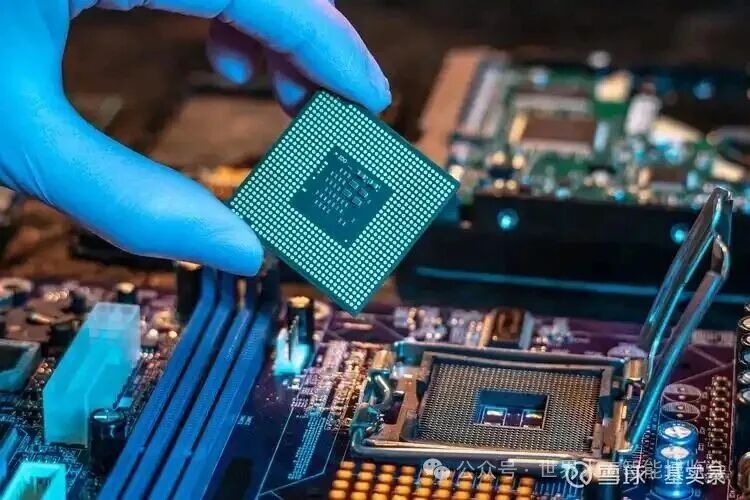
Dan Nystedt, Vice President of TriOrient Research, stated, “AI development is absolutely consuming a large portion of available chip supply, and overall demand looks set to far exceed this year by 2026.” He pointed out that memory companies like SK Hynix and Micron are chasing AI demand because AI server companies are willing to pay high prices for quality chips.
Memory suppliers have been chasing as much AI demand as possible, benefiting from typically higher profit margins. Nystedt warned that “this could be very bad for PCs, laptops, consumer electronics, and cars that rely on cheap memory chips.”
Supply Tightness Drives Up Chip Prices
In the face of supply constraints, memory companies are reportedly starting to raise chip prices. M.S. Hwang, Research Director at Counterpoint Research, stated, “As memory prices rise and supply shrinks, concerns about production bottlenecks are increasing.”
Supply tightness has already impacted the low-end smartphone and set-top box markets, but the risks may expand further. Hwang noted that due to a high reliance on low-cost devices, some markets in Asia are “feeling more severe pressure,” but he reminded that supply constraints are a global issue.
TrendForce predicts that the price increase cycle in the memory industry may force downstream brands to raise retail prices, adding pressure to the consumer market. The research firm expects that consumer products such as smartphones and laptops will face greater price and demand pressures.
Memory Capacity Shortage Intensifies Downstream Market Tension
The memory industry has faced severe downturns during parts of 2023 and 2024, leading to insufficient industry investment, which further exacerbates the current supply tightness. Nystedt stated, “They are now building new capacity, but it will take time to become operational.”
This capacity shortage stands in stark contrast to the surge in AI demand, creating a market environment with a severe supply-demand imbalance. Analysts expect that this supply tightness may persist until the end of 2025 or even longer before new capacity comes online in large scale.
Consumers may pay the price for the memory shortage, with rising pressure on prices for various products from smartphones to cars.