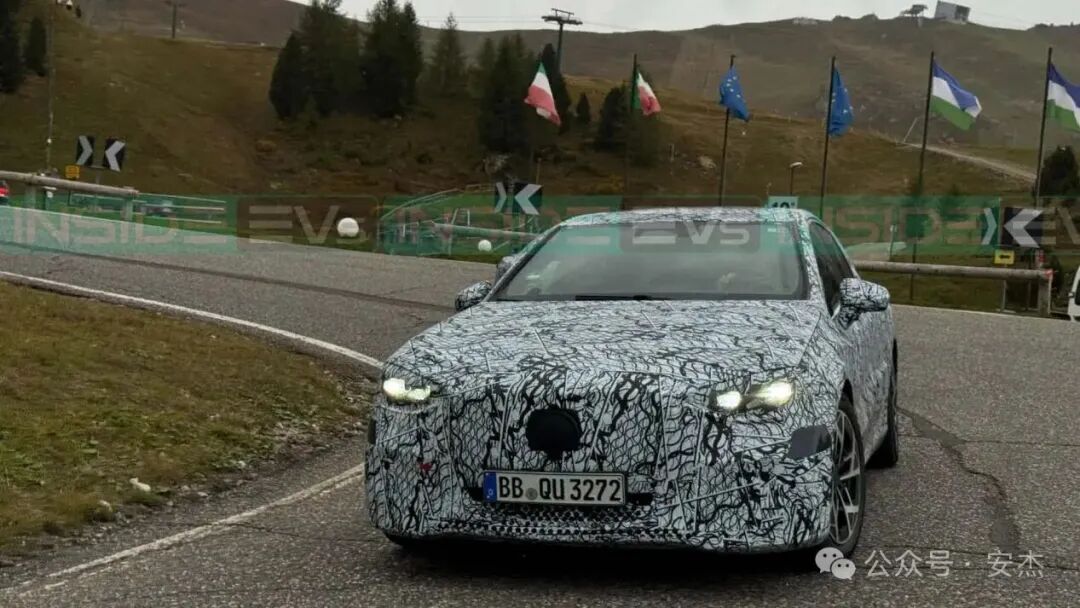
Recently, on the winding mountain roads of the Dolomites in Italy, the upcoming electric C-Class sedan from Mercedes-Benz is undergoing intensive testing. From the exposed photos, Mercedes is abandoning the slightly rounded design language of the past EQ series, shifting towards a more mature and traditional aesthetic for electric vehicles.
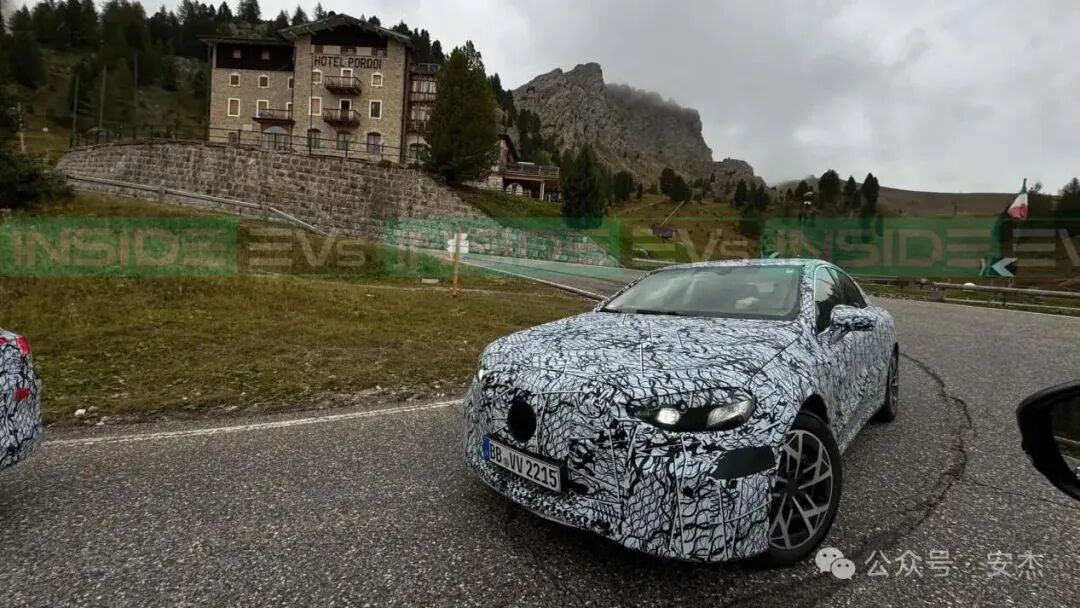
The prototype has been fitted with a production body, and the proportions are evident. Compared to the current W206 gasoline version of the C-Class, the electric version has a shorter front overhang, and the A-pillar has been noticeably moved forward, making the driver’s visual center of gravity closer to the front, resembling the stance of a front-wheel-drive sedan. Although it does not retain the classic long hood design of gasoline vehicles, the overall lines remain harmonious and smooth, resembling a “larger version of the CLA”—with a more upright front and a rapidly tapering rear, balancing dynamism and elegance.
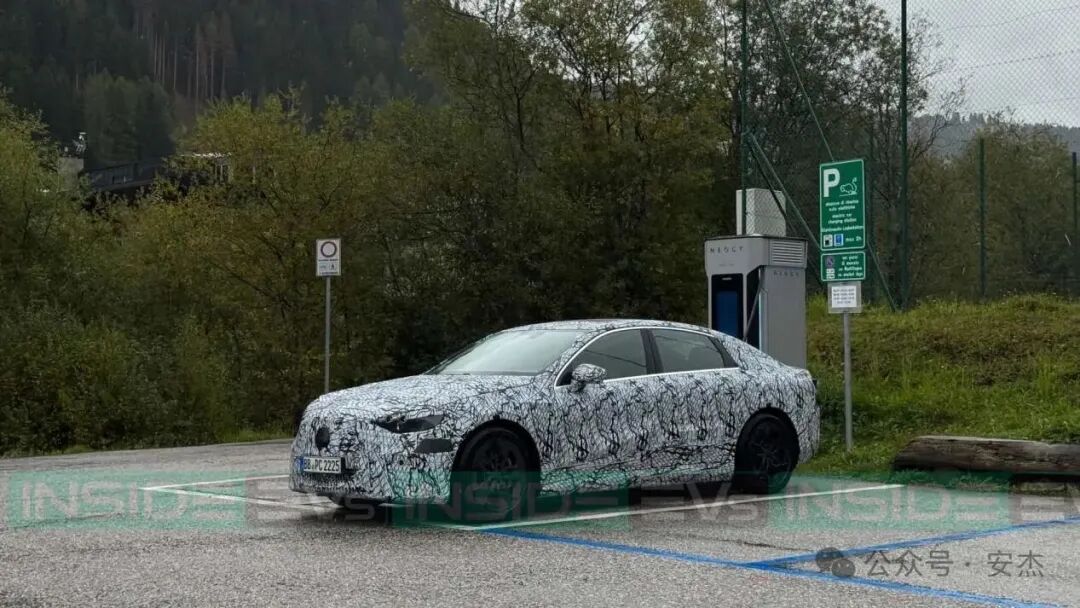
The most striking feature of the prototype is the front face. The upright grille design is inherited from the electric GLC, and it may have a lighting function, becoming a visual focal point. The headlight shape is narrower and sharper than that of the GLC EV, combined with an aggressive front bumper and dark gray wheels, hinting at the existence of an AMG package version. The taillights adopt a design similar to that of the GLC EV, featuring an embedded illuminated star emblem, and the ducktail spoiler on the trunk further enhances the sporty feel.
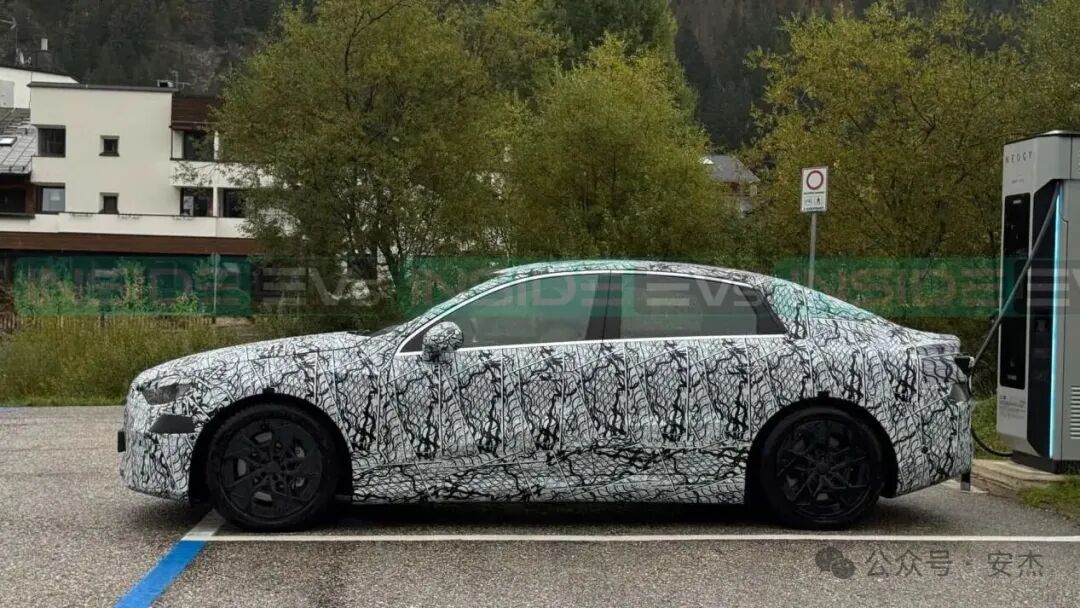
The electric C-Class is based on the same 800-volt MB.EA platform as the GLC EV, and is expected to share a peak charging power of 330 kW. However, due to the sedan’s lower drag coefficient, its range is expected to significantly exceed the GLC EV’s 713 kilometers (WLTP), potentially approaching the 800-kilometer mark. In terms of performance, the lighter body may provide acceleration performance superior to that of the GLC EV, and an AMG version is already in the planning stages, set to compete with BMW’s four-motor M3.
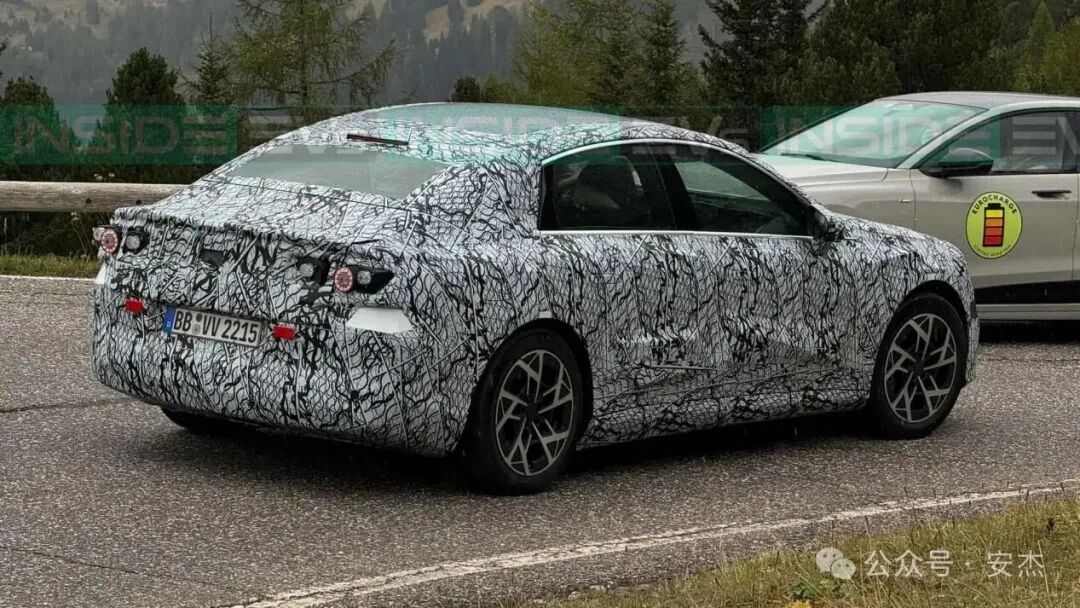
Mercedes has chosen a cautious path this time: the design of the electric C-Class does not pursue disruption but emphasizes continuity with traditional gasoline vehicles. This “de-EQ” approach is clearly aimed at attracting conservative luxury car consumers. However, similar to BMW’s differentiation strategy with the i3 and iX3, the electric C-Class and GLC EV will complement each other through their sedan and SUV positioning, covering a broader user base.
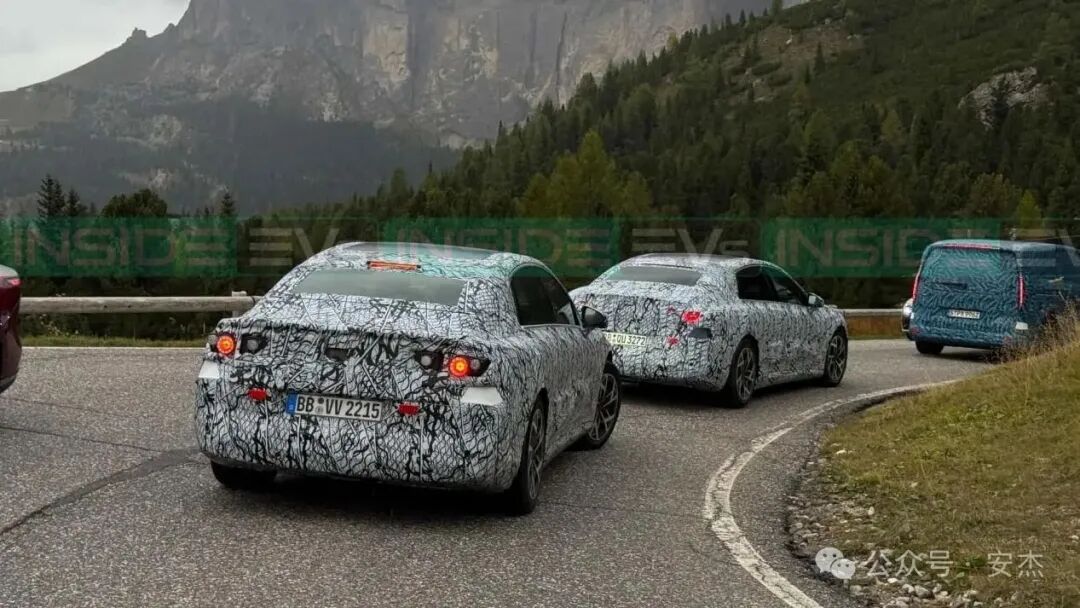
The model exposed this time is not only a demonstration of Mercedes’ technical strength but also a microcosm of the brand’s electrification strategic transformation. As the illuminated grille brightens in the twilight of the Alps, it retains the classic elements of the three-pointed star emblem while heralding a more rational and user-centric electric era is approaching.