When you open the door, the lights turn on automatically, and with one click, your home is secured when you leave. These scenes from science fiction movies can now be realized through smart home integration.
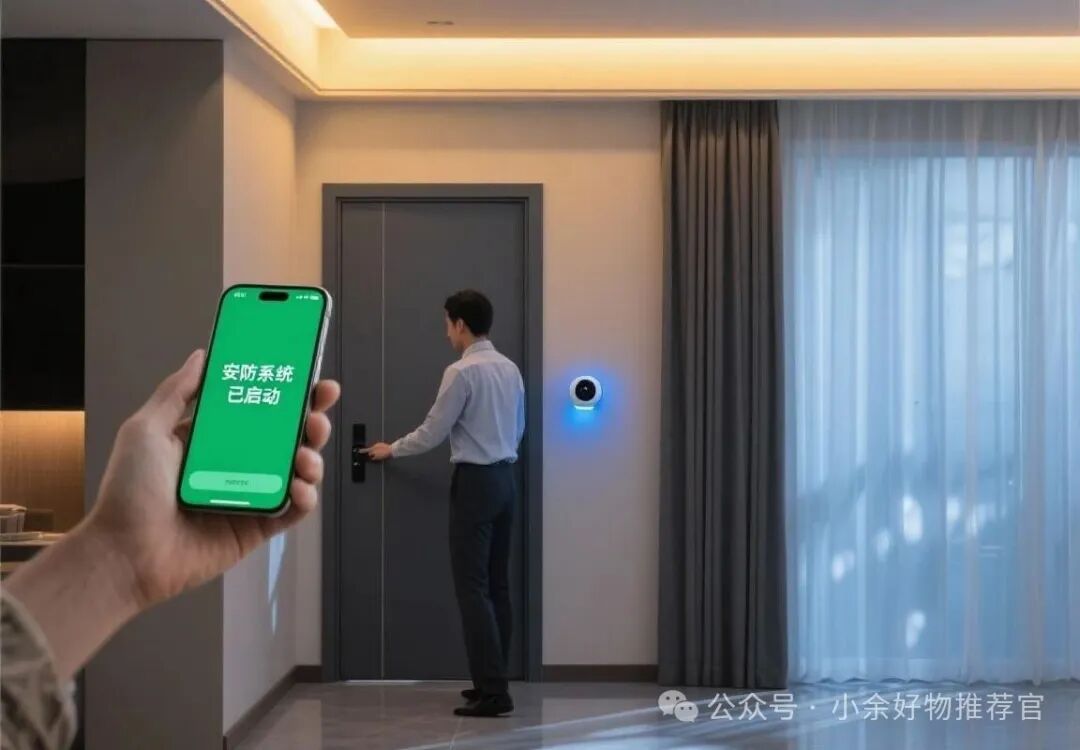
However, when the lights take too long to turn on or devices frequently disconnect, the smart life instantly turns into a “dumb” experience.
The ideal smart home is a considerate butler that understands your needs, while in reality, it may just be a “clumsy apprentice” that requires constant tweaking.
The gap behind this often lies not in the quality of individual devices, but in whether the devices can communicate stably.
Today, let us unveil the mystery of smart home integration.
 01 The Dilemma of Smart Integration: A Fine Line Between “Marvel” and “Misstep”
Many smart home users have had this experience: a carefully designed homecoming scene, but after unlocking the door, the lights take a few seconds to turn on or may not respond at all.
This gap in experience greatly diminishes the value of smart devices. On the surface, it seems to be a delay in device response, but the root cause lies in the communication efficiency of the smart home system.
Smart home integration is essentially a “dialogue” between devices, and the smoothness of this dialogue depends on three key factors: communication protocols, central gateways, and scene design.
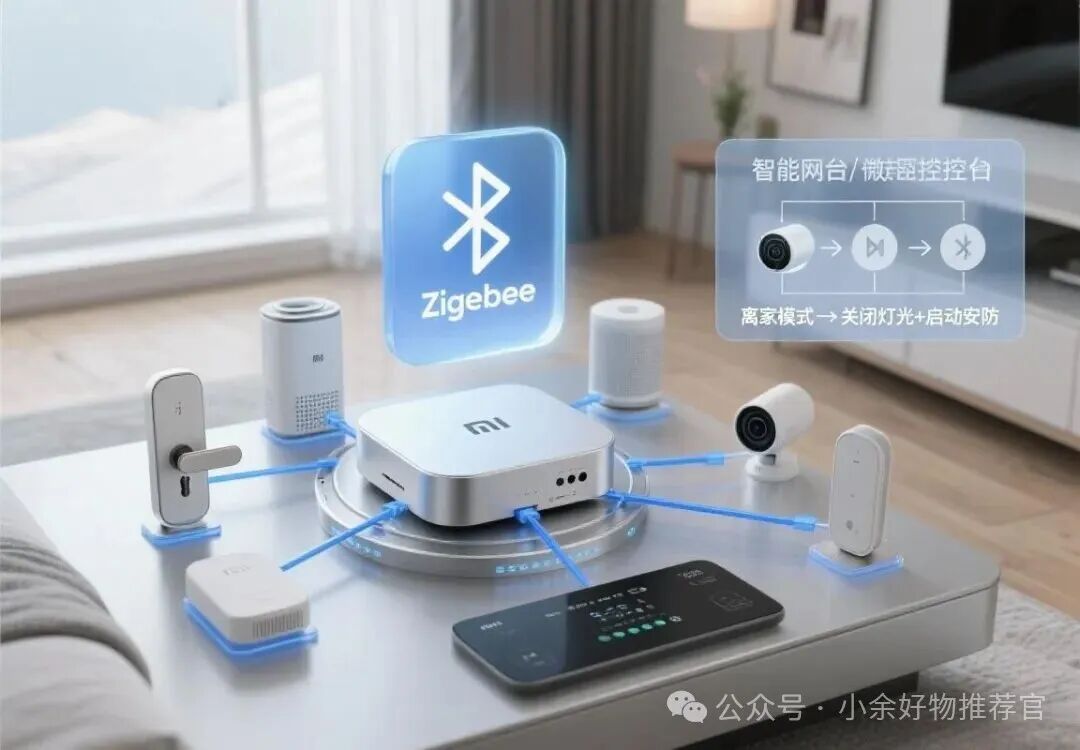
Just like a football team, it not only needs excellent players (hardware devices) but also requires coordinated teamwork (communication protocols) and a wise coach (central gateway) to devise tactics (scene logic).
 02 Communication Protocols: The “Language” of Smart Devices
For devices to communicate smoothly, they first need to speak the same language, which is the role of communication protocols.
The mainstream smart home communication protocols currently include Zigbee, Bluetooth Mesh, and Wi-Fi, each with its own characteristics.
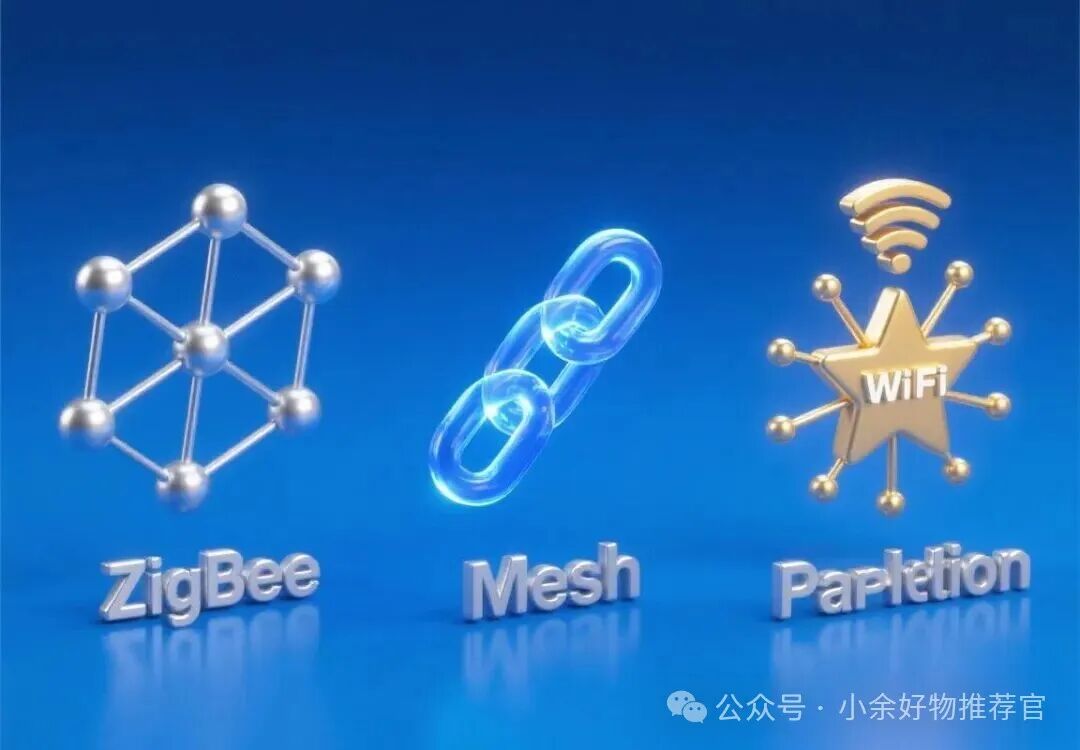
Zigbee is like an efficient team collaboration network, characterized by low power consumption and self-organization, supporting up to 65,535 devices in a single network.
The recently released Zigbee 4.0 further introduces support for the Sub-GHz frequency band, enhancing wall penetration capabilities and expanding coverage.
Bluetooth Mesh is similar to a word-of-mouth messaging network, using a flooding message forwarding mechanism where each device can act as a signal relay,
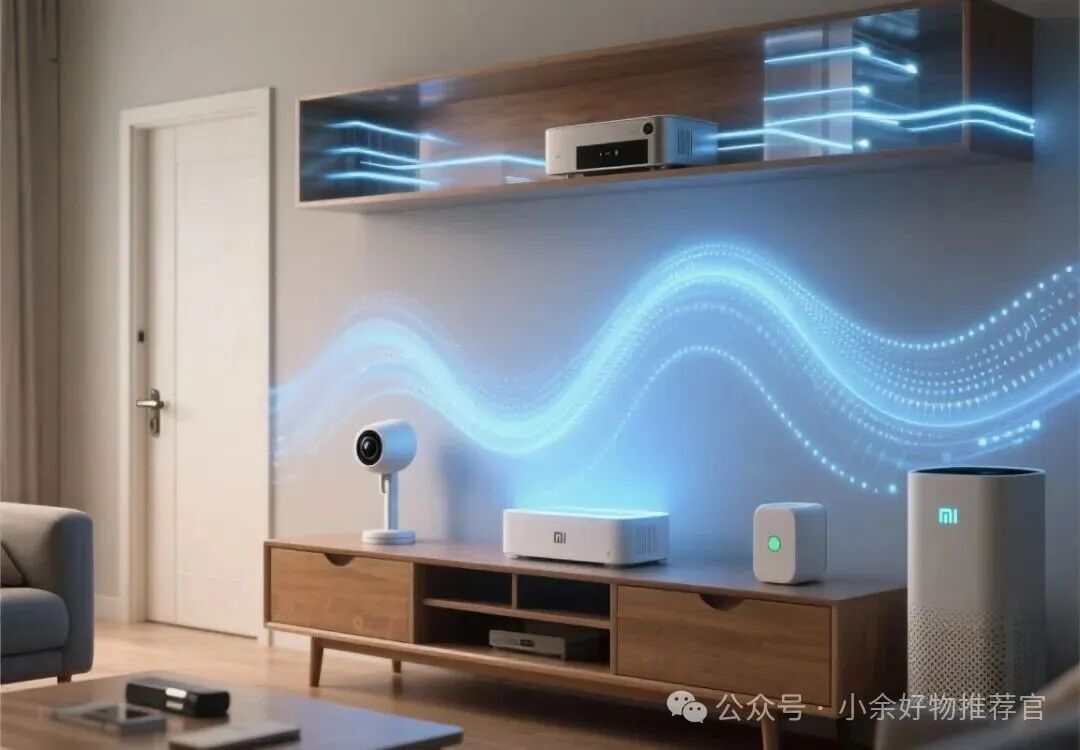
providing strong network self-healing capabilities.
Even if a device fails, information can still be transmitted through other paths.
Wi-Fi is more like a personal direct channel, suitable for devices that require high-speed transmission (such as cameras), but it puts a heavy load on the router and has higher power consumption.
Choosing devices within the same protocol system is like equipping all employees with simultaneous interpretation devices, significantly reducing communication costs.
 03 Central Gateway: The “Brain” of the Smart Home
With a unified language, a command center is needed to coordinate the overall situation, which is the role of the central gateway.
The gateway acts as the “brain” of the smart home, responsible for processing communication commands and scene logic between devices, and its importance is often underestimated.
Without a gateway, smart devices are like a symphony orchestra without a conductor; even if each musician is highly skilled, the performance may still be chaotic.
Some consumers, in an effort to simplify, choose to connect smart devices directly via Wi-Fi, skipping the gateway step. This may be feasible with a small number of devices, but as the number of devices increases, the router’s pressure increases, leading to frequent network congestion and instability.
A suitable gateway can locally process automation commands, ensuring that even if the external network is disconnected, basic home integration can still function normally.
 04 Scene Design: The “Script” Based on Needs
While communication protocols and central gateways address technical issues, whether a smart home is truly “smart” ultimately depends on whether the scene design meets actual needs.
A good smart home scene design should be like a carefully crafted script, where each device knows what to do when and where.
In the initial stage, it is recommended to start with single, high-frequency, high-value needs, such as the classic scene of “lights on when the door opens”.
This scene is practical because it addresses a real pain point: the inconvenience of fumbling for the switch in the dark.
To achieve this integration, you need: a smart door lock (like the Xiaomi Smart Door Lock 2 Pro), a central gateway, and one or more smart lights.
When the door lock recognizes the unlocking action, it sends a command to the lights through the gateway, and the lights turn on—this completes a full smart scene.
Similar scenes can also extend to away mode, where with just one operation, you can turn off the lights and air conditioning while activating camera monitoring, making leaving home simple and secure.
 05 Practical Suggestions: How to Improve Integration Success Rate
For consumers new to smart homes, here are some practical suggestions to improve integration success rates:
Select a star product combination within the same ecosystem. For example, if you choose Xiaomi’s smart door lock, pairing it with Xiaomi’s gateway and sensors usually offers better compatibility and stability.
This choice lowers the technical barrier for users, eliminating the need to delve into compatibility issues between different brands.
Start with the most urgent needs for scenes. Avoid configuring too many complex scenes at once; start with one pain point, verify stability, and then gradually expand.
Consider device placement and network coverage. The stability of smart homes is greatly affected by the physical environment; walls and distance can impact signal transmission.
The newly released Zigbee 4.0 and Bluetooth Mesh technologies are working to enhance wall penetration capabilities and coverage, ensuring the stability of smart homes.
Just as diver Quan Hongchan focuses on every move, building a functional smart home system also requires grasping key points: choose devices that can communicate smoothly, equip a reliable central gateway, and design scenes that truly address pain points.
When a stable communication network is established between devices, smart homes can truly evolve from “dumb” to “marvel”, allowing technology to become invisible and convenience to be tangible.
What useful smart home integration scenes have you built? Feel free to share your solutions in the comments!
 1. After some time of use, the Roborock P20 Ultra Plus vacuum cleaner has changed my cleaning habits…2. How is the Kaadas Galaxy Q20F Pro V2 smart lock? Long-term review for 2025.3. How is the Midea L1 Lite air purifier? A powerful evaluation in the 500 yuan price range.