The Marvelous Opening of Smart Homes
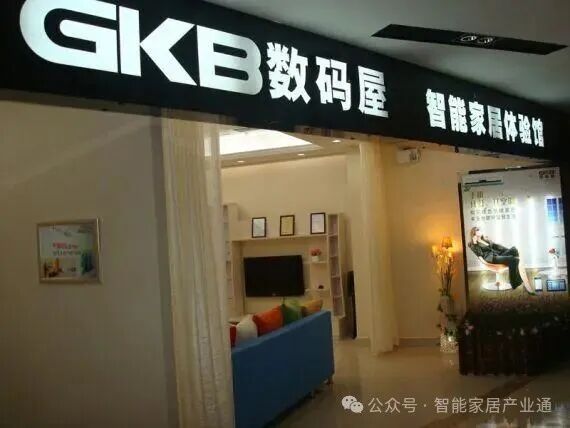
After a long day of work, you drag your weary body to the door. Before you even get close, the smart lock has already recognized your identity, and with a “click,” the door opens automatically. Meanwhile, the lights inside gradually brighten, the warm yellow glow instantly dispelling the chill around you; the air conditioner has already adjusted the indoor temperature to the most comfortable state based on the outdoor temperature and your habits; even your beloved coffee machine starts buzzing, brewing a rich cup of coffee for you. This is not a scene from a science fiction movie, but a true reflection of the life that smart homes bring us.
In this era of rapid technological advancement, smart homes shine like a brilliant new star, illuminating our aspirations for future living. From smart speakers to smart cameras, from smart curtains to smart toilets, an increasing number of smart home products are entering households, making our lives more convenient, comfortable, and enjoyable. According to market research institutions, the global smart home market is expected to continue growing in the coming years, with a bright outlook.
Decoding OEM and ODM
Behind the prosperous market of smart homes, there are two unsung heroes—OEM and ODM. Although they rarely stand in the spotlight, they control the key operations of the industry.
(1) OEM: The Manufacturing Legend of Following the Blueprint
OEM, or Original Equipment Manufacturer, refers to the original equipment manufacturer, commonly known as “contract manufacturing.” In this cooperation model, the brand side acts like a unique designer, meticulously crafting the product design plan, from the stylish appearance to the precise internal structure, from the unique functional settings to the detailed consideration of user experience, all planned out. The manufacturer, on the other hand, is like a skilled craftsman, following the detailed blueprints and strict standards provided by the brand side, using their production equipment, professional technology, and labor to turn the design blueprint into tangible products.
Apple’s collaboration with Foxconn is a classic example of the OEM model. With its outstanding innovation capabilities and keen insight into market trends, Apple has designed the iPhone with a sleek appearance, powerful performance, and rich features, leading the global smartphone trend. Foxconn, as a well-known contract manufacturer, has large-scale and highly automated production lines, well-trained workers, and advanced production management systems. Foxconn strictly follows Apple’s design requirements for component procurement, product assembly, and quality testing, ensuring that every iPhone meets Apple’s high-quality standards. Every year, Foxconn produces hundreds of millions of iPhones for Apple, which are sold worldwide under Apple’s brand.
In the smart home industry, the OEM model also plays a crucial role. Some well-known smart home brands may focus on product R&D and market promotion while outsourcing production to professional OEM manufacturers. For example, a brand’s smart camera may have the brand side responsible for determining the camera’s shooting quality, functional characteristics, and appearance design, then entrusting the OEM manufacturer for production. The OEM manufacturer utilizes its expertise in electronic manufacturing to ensure product quality is stable and reliable while reducing costs through large-scale production. This allows the brand side to invest more energy and resources into product innovation and market expansion, achieving complementary advantages.
(2) ODM: The Versatile Partner Leading Creativity
ODM, or Original Design Manufacturer, has a more diverse and comprehensive role. In the ODM model, the manufacturer not only possesses strong production capabilities but also has a creative R&D team. They are like a group of inventive minds, deeply researching market needs and technological trends, independently developing and designing various innovative products. The brand side only needs to propose some general requirements, such as product positioning, target customer groups, and price ranges, and the ODM manufacturer can quickly respond with a series of mature product solutions for the brand side to choose from. Once the brand side selects a solution, the ODM manufacturer will be responsible for subsequent production work, and the product will be marketed under the brand side’s label.
A typical representative of cleverly utilizing the ODM model is Xiaomi’s ecosystem companies. Taking Zhimi Technology as an example, it is a member of Xiaomi’s ecosystem, focusing on the R&D and production of smart home products. Zhimi has launched a series of innovative smart home appliances, such as smart air conditioners, smart fans, and smart air purifiers, emphasizing not only functionality and practicality but also incorporating stylish and minimalist elements that meet modern consumers’ aesthetic needs. Xiaomi, as the brand side, collaborates with Zhimi through the ODM model to integrate these products into the Xiaomi ecosystem. Xiaomi leverages its strong brand influence and sales channels to bring Zhimi’s products to market, achieving a win-win situation.
The ODM model is highly attractive for companies looking to enter the market quickly, lacking R&D capabilities, or unwilling to bear excessive R&D risks. It significantly shortens the product launch cycle, reduces R&D costs and market risks for the brand side. At the same time, ODM manufacturers can expand production scale and increase market share by collaborating with multiple brand sides, achieving economies of scale.
Star List of Smart Home OEMs
In the field of smart home OEMs and ODMs, numerous excellent contract manufacturers shine like brilliant stars, illuminating the path of industry progress. With their outstanding technology, exquisite craftsmanship, and strong production capabilities, they silently provide solid support for major brands, becoming an important force driving the development of the smart home industry. Next, let us step into the world of these contract manufacturers and appreciate their unique charm.
(1) Jixin Lock Core: The “Invisible Champion” in the Lock Industry
Founded in 1994 in Zhongshan, Guangdong, Jixin Lock Core has focused on the R&D and manufacturing of high-precision, high-security lock cores since its inception. With a persistent pursuit of quality and continuous exploration of technology, Jixin has gradually emerged in the fiercely competitive lock market. After years of accumulation and development, Jixin has become the undisputed leader in the domestic lock core manufacturing industry.
Jixin’s business scope is extensive, covering civil locks and industrial locks that meet national, European, and American standards, smart locks, anti-theft alarm systems, and smart home products, providing security services for over a million households worldwide. Its products are exported to 54 countries and regions across six continents, including Asia, Europe, North America, South America, Africa, and Oceania. According to incomplete statistics, over 100 million locks and security products globally use Jixin’s products, which is a strong testament to the quality and market recognition of Jixin’s products.
In terms of production scale, Jixin has two modern automated production facilities covering nearly 50,000 square meters, with a monthly production capacity of 1.2 million lock cores and 80,000 smart locks, showcasing its strong production strength. The launch of Jixin’s intelligent factory in 2022 marks a significant transformation from “Made in China” to “Intelligent Manufacturing in China.” The intelligent factory introduces advanced production equipment and automated production lines, achieving a high degree of intelligent and information management in the production process, significantly improving production efficiency and product quality while reducing production costs and enhancing the company’s market competitiveness.
Technical strength is one of Jixin’s core competitive advantages. The company has established a provincial-level technology center and a precision lock core engineering R&D center, holding 11 high-tech products in Guangdong Province and over 60 national patents, including 16 national invention patents and 2 international patents. These technological achievements are attributed to Jixin’s high emphasis on R&D and continuous investment. Jixin continuously attracts and cultivates outstanding technical talents, forming a high-quality R&D team that deeply studies market needs and industry development trends, dedicated to developing safer, more convenient, and smarter locking products. For example, Jixin’s independently developed smart lock employs advanced fingerprint recognition technology, password encryption technology, and remote network control technology, offering high security and convenience, making it popular among consumers.
To provide better service to global users, Jixin has established an after-sales service team, currently covering 34 provinces and cities across the country, setting up technical service stations where professional technicians provide on-site services. Whether for product installation, maintenance, or technical consultation, Jixin’s after-sales service team can respond promptly to solve user problems, earning widespread praise and trust from users.
(2) Yuefeng Maishi: A Pioneer in Diverse Development
Founded in October 2003, Yuefeng Maishi is located in Fusha Town, Zhongshan, where its advantageous geographical location provides convenient transportation and abundant resources for its development. The company’s factory covers over 70,000 square meters, with approximately 40,000 square meters for the factory building and over 30,000 square meters for green and recreational areas, with nearly 50% of the area landscaped, earning it the reputation of a “garden factory.” In such a comfortable environment, employees can focus more on their work and contribute to the company’s development.
Yuefeng Maishi has a high-quality talent team, with over 600 employees, including nearly 110 engineers, mid-to-senior technical personnel, and management staff. These professionals are distributed across R&D, manufacturing, and sales, providing solid intellectual support for the company’s diversified development. The company’s business scope is broad, covering the R&D, manufacturing, and sales of various hardware products, hardware accessories, smart locks, fingerprint locks, password locks, layered padlocks, automotive locks, and lock cylinders. Additionally, Yuefeng Maishi has invested in smart home system manufacturers to jointly develop smart home system solutions, actively expanding its business in the smart home field.
After years of development, Yuefeng Maishi’s business has spread to over 50 countries and regions worldwide, establishing deep strategic partnerships with several Fortune 500 companies and top lock brands, with products exported to high-end markets in the United States, Canada, Japan, France, the United Kingdom, the Netherlands, Germany, and Sweden. This not only reflects Yuefeng Maishi’s strong market expansion capabilities but also proves the competitiveness of its products in the international market.
Yuefeng Maishi emphasizes technological innovation and quality management, possessing world-class automated production equipment and the most advanced testing instruments. From product R&D, manufacturing to sales, the company strictly controls quality at every stage, especially in mold design and manufacturing, surface treatment, etc., with a large number of experienced technical personnel and service teams. Since its inception, the company has passed quality system certifications such as ISO9001:2008 and introduced the Amiba management model from Kazuo Inamori in 2013, continuously optimizing its production and operational management systems. The introduction of the Amiba management model allows Yuefeng Maishi to divide the company organization into micro “Amiba” collectives, with each small collective acting as an independent profit center, maintaining vitality while pursuing maximum sales and minimal expenses based on the unique operational indicators of “unit time accounting,” thus improving the overall efficiency of the company. In terms of technological innovation, Yuefeng Maishi continues to increase R&D investment, launching a series of innovative products. For example, the patented new smart padlock, smart drawer lock, and waterproof beach box launched by the company in 2024, which pioneered electromechanical separation technology, received unanimous praise from the industry and won four patent honors. These innovative products not only meet the market’s demand for high-quality, intelligent locks but also further enhance Yuefeng Maishi’s brand awareness and market competitiveness.
Cooperation Models and Interest Games
(1) The Sweet Contract of Cooperation
The cooperation between smart home brands and contract manufacturers is like a carefully planned marriage, where both parties leverage their respective advantages to work together and explore the market. In the cooperation process, the brand side fully utilizes its strengths in market research, brand marketing, and channel development. They deeply understand consumer needs and preferences, accurately grasp market trends, thereby determining product positioning and functional characteristics. At the same time, through strong brand influence and extensive sales channels, they bring products to market, realizing the commercial value of the products.
The contract manufacturers, on the other hand, rely on their professional production capabilities and technical advantages to provide solid production guarantees for the brand side. They strictly organize production according to the brand side’s requirements, ensuring product quality and delivery times. During the production process, contract manufacturers continuously optimize production processes, improve production efficiency, and reduce production costs to enhance the market competitiveness of the products.
For example, in the cooperation between a well-known smart home brand and a contract manufacturer, the brand side discovered through market research that consumers have higher demands for the sound quality and voice interaction features of smart speakers. Therefore, the brand side proposed design requirements for the product, including the speaker’s appearance design, sound quality parameters, and voice recognition technology. The contract manufacturer organized a R&D team to tackle technical challenges based on the brand side’s requirements, optimizing production processes to ensure the product meets the brand side’s high standards. During production, the contract manufacturer strictly controls quality, conducting rigorous testing on every component and meticulously managing every production process to ensure that each smart speaker is delivered to the brand side in optimal condition. Ultimately, this smart speaker, with its excellent sound quality and convenient voice interaction features, won consumer favor and achieved great success in the market, resulting in a mutually beneficial outcome for both parties.
(2) The Subtle Balance of Interests
In this cooperation, interest distribution and risk sharing are important issues that both parties must face, requiring careful consideration to find the best balance point.
The brand side, while pursuing product quality and market competitiveness, also needs to consider cost control and supply stability. On one hand, they hope the contract manufacturer can provide high-quality products to meet consumer demands and enhance brand image; on the other hand, they must control production costs to ensure the product has a price advantage in the market. Additionally, the brand side faces risks such as market demand fluctuations and rapid product updates; if the contract manufacturer cannot adjust production plans in time, it may lead to product backlog or shortages, resulting in economic losses for the brand side.
The contract manufacturer, on the other hand, focuses on the stability of order volume and the reasonableness of profit margins. They hope to establish a long-term stable cooperative relationship with the brand side to secure continuous orders, ensuring full operation of production lines. At the same time, the contract manufacturer must also consider how production costs, raw material price fluctuations, and production technology updates affect profits. If order volumes are insufficient, the contract manufacturer may face overcapacity and idle equipment, leading to increased costs; if profit margins are too small, the contract manufacturer will struggle to maintain its development and technological innovation.
To achieve a balance of interests and shared risks, both parties typically clarify their rights and obligations in the cooperation agreement, establishing reasonable pricing mechanisms, quality standards, and delivery deadlines. Additionally, they set up effective communication and risk warning mechanisms to promptly address issues arising during cooperation and jointly respond to challenges posed by market changes. For example, both parties can negotiate product prices based on market conditions and production cost changes; when product quality issues arise, they share responsibility and take measures for improvement; when market demand fluctuates, they adjust production plans in a timely manner to avoid inventory backlog or shortages.
The Future’s Fog and Dawn
(1) Challenges: Reefs and Whirlpools
In the wave of the smart home industry, contract manufacturers have achieved significant accomplishments, but the road ahead is not smooth, with many challenges lurking like reefs and whirlpools.
The intensity of market competition is like a war without gunpowder, escalating rapidly. With the booming development of the smart home market, more and more companies are entering this field, including traditional home appliance giants and emerging tech startups. These companies are increasing their investments in smart home, launching various innovative products and solutions, making market competition increasingly fierce. In the smart speaker market, products like Amazon’s Echo, Google’s Home, and domestic brands such as Baidu’s Xiaodu and Alibaba’s Tmall Genie are in fierce competition. These brands continuously innovate and optimize in product functionality, sound quality, and voice interaction, while also engaging in price wars and marketing battles to capture market share. For contract manufacturers, to secure orders from brand sides, they have to lower prices and improve service quality, which undoubtedly compresses their profit margins.
The trend of brand sides building their own factories also poses a significant impact on contract manufacturers. Some financially strong brand sides, in order to better control product quality, reduce production costs, and master core technologies, are beginning to choose to build their own factories. Xiaomi’s smart appliance factory in Wuhan is expected to achieve an annual production target of 3 million Xiaomi air conditioners after it starts production. This means that Xiaomi’s dependence on contract manufacturers will gradually decrease, and companies like Changhong, which have long been manufacturing air conditioners for Xiaomi, may see a significant reduction in order volumes. The establishment of brand-side factories may also lead to overcapacity and idle equipment for contract manufacturers, further increasing their operational costs.
The rapid development of technology is also a major challenge for contract manufacturers. The smart home industry is a technology-intensive sector, with new technologies and products emerging continuously. From IoT technology to artificial intelligence technology, from 5G communication technology to big data analysis technology, every technological breakthrough may trigger updates and iterations of smart home products. Contract manufacturers need to continuously invest significant funds and manpower in technology R&D and equipment updates to keep pace with technological advancements. However, for some small and medium-sized contract manufacturers, limited R&D capabilities and funding shortages make it difficult to bear such high R&D costs. If contract manufacturers cannot timely grasp new technologies, they may fail to meet brand-side demands and lose cooperation opportunities.
(2) Opportunities: Stars and the Sea
Despite facing numerous challenges, the future of smart home contract manufacturers is still filled with opportunities, as vast as the stars and the sea.
The continuous growth of the smart home market provides contract manufacturers with ample development space. As people’s living standards improve and their pursuit of quality of life increases, the demand for smart homes is showing rapid growth. According to market research institutions, the global smart home market is expected to maintain a high growth rate in the coming years, potentially reaching hundreds of billions of dollars by 2030. This means that contract manufacturers will have more order opportunities, enabling them to achieve economies of scale by expanding production and reducing costs, thereby enhancing market competitiveness.
The application of technological innovation brings new development opportunities for contract manufacturers. With the widespread application of IoT, artificial intelligence, big data, and other technologies in the smart home field, contract manufacturers can leverage these technologies to enhance production efficiency, optimize product quality, and innovate product functions. In the production process, contract manufacturers can introduce IoT technology to achieve interconnectivity and intelligent management of production equipment, monitoring the production process in real-time, promptly identifying and resolving issues, and improving production efficiency and product quality. By utilizing artificial intelligence technology, contract manufacturers can automate and intelligently manage production processes, such as automated assembly and intelligent inspection, reducing labor costs and improving production precision.
Expanding into international markets is also an important opportunity for contract manufacturers to achieve development. Currently, the smart home market shows uneven development globally, with high penetration rates in developed regions like North America and Europe, while emerging markets in Southeast Asia and Africa hold significant growth potential. Contract manufacturers can actively explore international markets, bringing products to various parts of the world, especially emerging markets. By collaborating with international brand sides, contract manufacturers can leverage their brand influence and sales channels to quickly penetrate international markets. Additionally, contract manufacturers can conduct localized design and production of products based on the market demands and cultural differences of different countries and regions, enhancing product market adaptability and competitiveness.
Final Chapter: The Echo of Unsung Heroes
Contract manufacturers, as the unsung heroes of the smart home industry, play a crucial role in the industry’s development. They are the guardians of product quality, ensuring that every smart home product meets high-quality standards through exquisite craftsmanship and strict quality control, providing consumers with a reliable user experience. They are also the drivers of innovation, continuously pushing the update and iteration of smart home products by closely collaborating with brand sides, integrating advanced technologies and creativity into products to meet consumers’ increasingly diverse needs.
Looking ahead, smart home contract manufacturers are expected to achieve new leaps amid challenges and opportunities. With the continuous growth of market demand and ongoing technological advancements, contract manufacturers will have more opportunities to showcase their strengths, expand their business areas, and enhance their market positions. In the fierce market competition, contract manufacturers need to continuously enhance their core competitiveness, strengthen technological innovation, optimize production processes, and improve product quality and service levels.
Disclaimer: Images and materials are sourced from publicly available resources on the internet, and this writing is intended to convey industry information. If there are any inaccuracies, please feel free to correct them. If there is any infringement, please contact the author via WeChat to delete the article.