
Introduction:
In industrial automation control systems, PLC is one of the core controllers, while the servo system is an important part of achieving precise control. To enable the PLC to accurately control the servo motor, it is essential to ensure that the signals output by the PLC can be correctly recognized and executed by the servo system. So, what signals are needed for PLC control of servos?
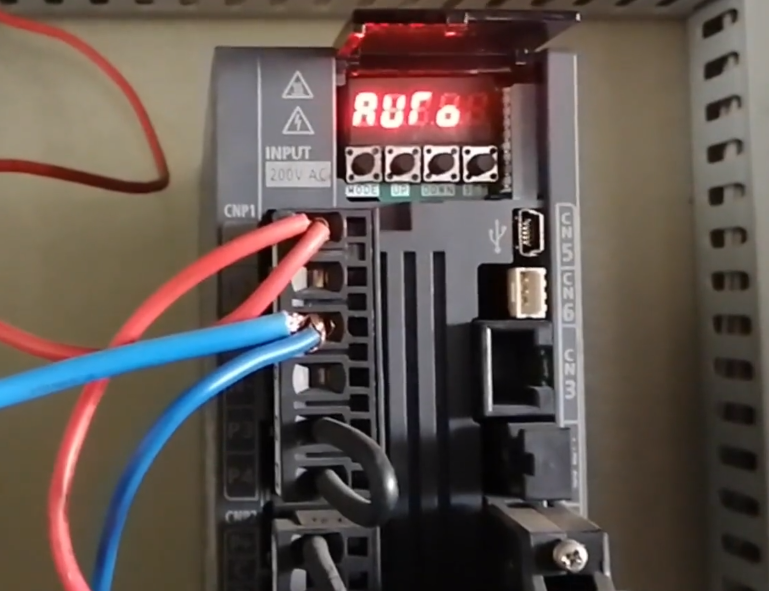
1. Pulse Signal The pulse signal is one of the most basic signals in PLC control of servo systems. By outputting pulse signals with a certain frequency and amplitude, the PLC can control the servo motor to rotate at the set speed and direction. In most cases, the PLC uses transistor output to ensure the stability and reliability of the signal. 2. Direction Signal The direction signal is used to control the rotation direction of the servo motor. When the motor needs to rotate forward, the direction signal is high; when the motor needs to reverse, the direction signal is low. By changing the level of the direction signal, the PLC can easily control the rotation direction of the servo motor.
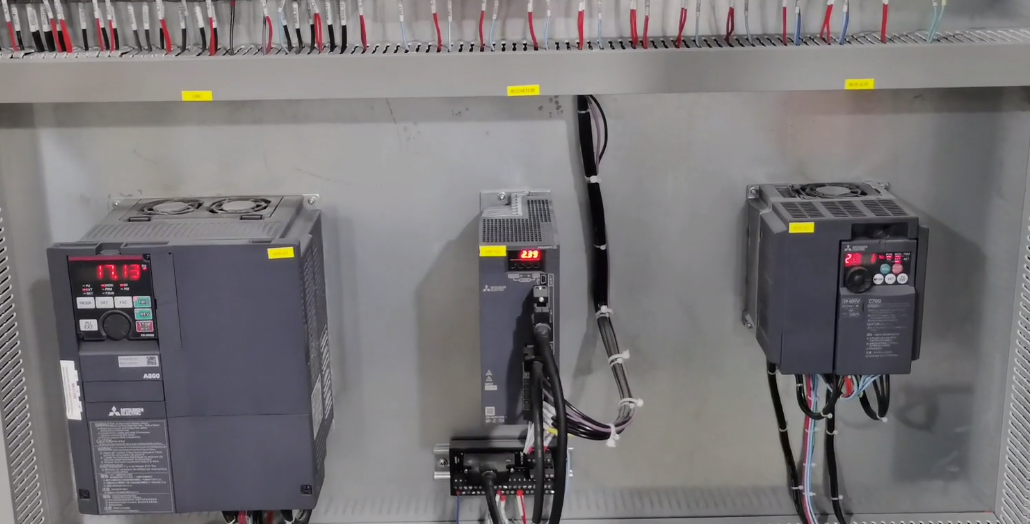
3. Enable Signal The enable signal is a key signal for starting and stopping the servo motor. When the enable signal is high, the servo motor starts working; when the enable signal is low, the servo motor stops working. In practical applications, to avoid sudden starts and stops that could impact the system, the enable signal is usually sent to the servo motor before sending the pulse signal. 4. Alarm Signal In certain situations, when a fault or abnormal condition occurs in the servo system, the PLC will output an alarm signal. The alarm signal typically consists of one or more specific output points set to high or low to indicate a fault or abnormal condition. By receiving and processing the alarm signal, personnel can promptly identify and address issues, ensuring the stability and reliability of the system.
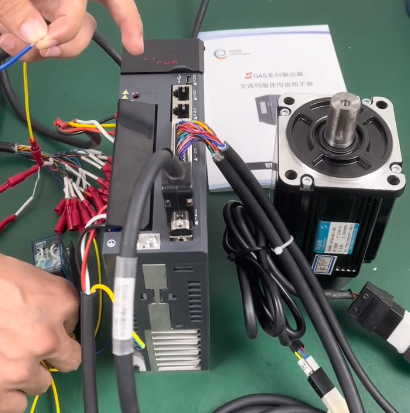
In addition to the four basic signals mentioned above, depending on practical application requirements, the PLC can also output other types of signals, such as speed control signals, position control signals, etc. These signals can be implemented through programming to meet various complex control needs. In practical applications, to ensure precise control of the servo motor by the PLC, the following points should be noted: 1. Ensure that the number of output points and the output voltage level of the PLC match the servo system to avoid compatibility issues. 2. When connecting wires, ensure the correctness and reliability of the wiring to prevent poor contact or short circuits. 3. During debugging, adjust the PLC’s parameter settings based on actual conditions to ensure control accuracy and stability of the system. 4. Regularly maintain and service the system during use to ensure normal operation and lifespan.
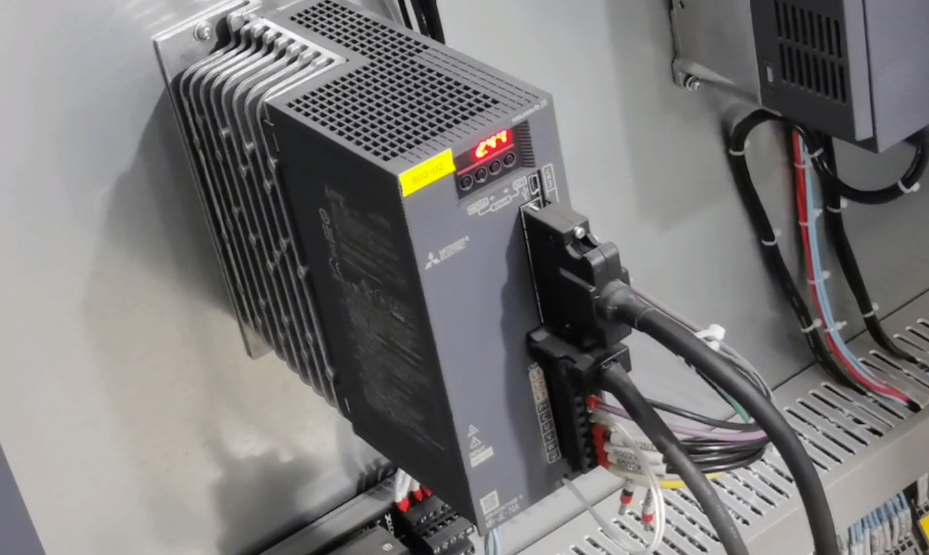
In summary, PLC control of servos requires multiple types of signals, and the correct output and handling of these signals are key to achieving precise control. In practical applications, programming and debugging should be carried out according to specific requirements to ensure system stability and reliability. Additionally, system maintenance and care must be observed to ensure lifespan and performance.

Classic PLC Cases and Source Programs
Scan to receive classic PLC cases and source programs

 Click to read the original text,Systematically learn electrical engineering,PLC and touch screen full set of videos