Click the “blue text” to follow us
Editor’s Note:
Over the past four decades, the prevalence of overweight and obesity in our country has significantly increased, making obesity a major public health challenge threatening national health. How to systematically reveal the occurrence patterns and treatment characteristics of cardiovascular diseases in obese populations, and to construct a multidisciplinary collaborative prevention and treatment system, has become one of the core topics in current medical research. Recently, during the 36th Great Wall Cardiovascular Conference and the Asian Heart Conference 2025, Professor Meng Hua’s team from the Metabolic Weight Loss Center of the General Surgery Department at the China-Japan Friendship Hospital deeply explored the clinical value of metabolic weight loss surgery in improving cardiovascular disease benefits in obese patients with solid research data. Their research results provide new evidence and insights for the intersection of metabolic weight loss and cardiovascular disease prevention and treatment. This article compiles relevant content for readers.

1. The Cardiovascular Health Crisis Amidst the Global Obesity Wave
According to estimates from the Global Burden of Disease, in 2015, over 600 million adults and 100 million children worldwide were affected by obesity, with obesity prevalence rates of 12% and 5% respectively. The obesity epidemic in our country has been particularly severe in recent years, with national surveys indicating that from 2015 to 2019, the prevalence of overweight and obesity among Chinese adults reached 34.3% and 16.4%, respectively, while the overweight rate among adolescents was 11%[1]. Furthermore, the “World Obesity Map 2023” estimates that by 2035, the adult obesity rate in China will further increase by 5.4%, and the childhood obesity rate will rise by 6.6%, with obesity-related medical expenses expected to account for 3.1% of the Gross Domestic Product (GDP). Meanwhile, the number of deaths from cardiovascular diseases in our country ranks first in the world (Figure 1), and there is a close association between obesity and cardiovascular disease (CVD)[2].
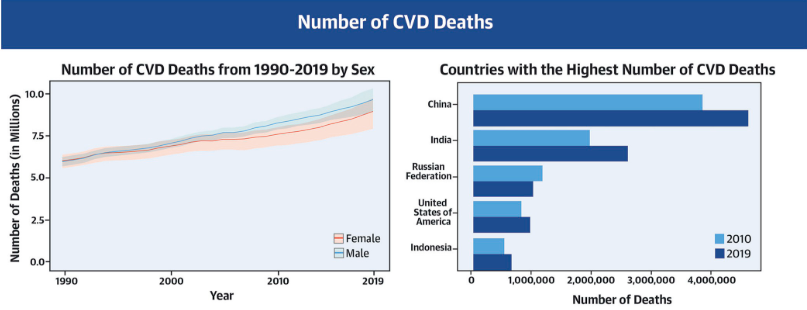
Figure 1. Number of Deaths from Cardiovascular Diseases
2. The Chain Reaction of Metabolic Imbalance: How Obesity Erodes Vascular Health
Obesity induces endothelial dysfunction through various mechanisms such as insulin resistance, perivascular fat deposition, and chronic low-grade inflammation. Endothelial dysfunction is an important early stage of diseases such as atherosclerosis and hypertension, and its persistent presence can further exacerbate obesity and metabolic disorders, forming a vicious cycle. Preventing and treating obesity is a key step in blocking the progression of cardiovascular diseases.
3. The Resonance of Weight and Risk: Weight Loss Benefits from Epidemiological Evidence
Studies show a positive correlation between weight gain and cardiovascular disease risk. Multiple related studies indicate that the higher the weight, the significantly greater the risks of heart failure, atherosclerosis, and atrial fibrillation, as well as increased CVD-related mortality. Additionally, research has demonstrated that for every 5-unit increase in Body Mass Index (BMI), the risk of atrial fibrillation increases by approximately 28%[3]. (Figure 2)
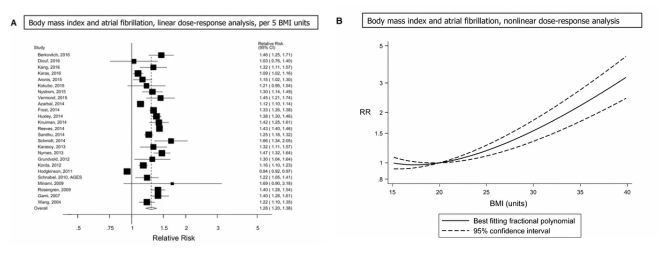
Figure 2. Linear and Non-linear Dose-Response Analysis of BMI and Atrial Fibrillation
On the other hand, weight loss can bring significant cardiovascular benefits. According to the Look AHEAD clinical trial, individuals who lost more than 10% of their body weight had a reduced risk of cardiovascular-related mortality by approximately 20%, and the risk of major cardiovascular events decreased by about 21%[4]. This evidence fully demonstrates that weight loss is not only an effective means to improve metabolic status but also an important strategy to reduce cardiovascular disease risk.
4. From Preoperative Risks to Postoperative Benefits: Clinical Evidence of Metabolic Weight Loss Surgery
As an effective intervention for treating obesity and related metabolic disorders, the efficacy of metabolic weight loss surgery is influenced by various factors. By optimizing surgical conditions through preoperative neoadjuvant therapy and continuing postoperative supportive treatment, the short-term and long-term efficacy of metabolic surgery can be further enhanced. Professor Meng Hua’s team at the Metabolic Weight Loss Center of the China-Japan Friendship Hospital focuses on preoperative neoadjuvant therapy and postoperative supportive treatment, systematically studying the relationship between metabolic weight loss surgery and coronary artery disease based on detailed clinical data, focusing on the following three scientific questions:
The burden of coronary artery stenosis in patients undergoing weight loss surgery; how to accurately identify preoperative cardiovascular high-risk populations; the direction and clinical significance of the impact of weight loss surgery on coronary artery stenosis.
A primary research study by the hospital team conducted preoperative coronary CT screening for patients scheduled for metabolic weight loss surgery, revealing that approximately 31.7% of weight loss surgery patients had CVD, with 9.6% having stenosis greater than 50%. The study indicated that metabolic syndrome (MetS) significantly increases the incidence of CVD, and the more components of MetS present, the higher the cardiovascular risk. These findings emphasize the importance of preoperative coronary screening for patients undergoing weight loss surgery and provide evidence-based support for perioperative cardiac management in this field.
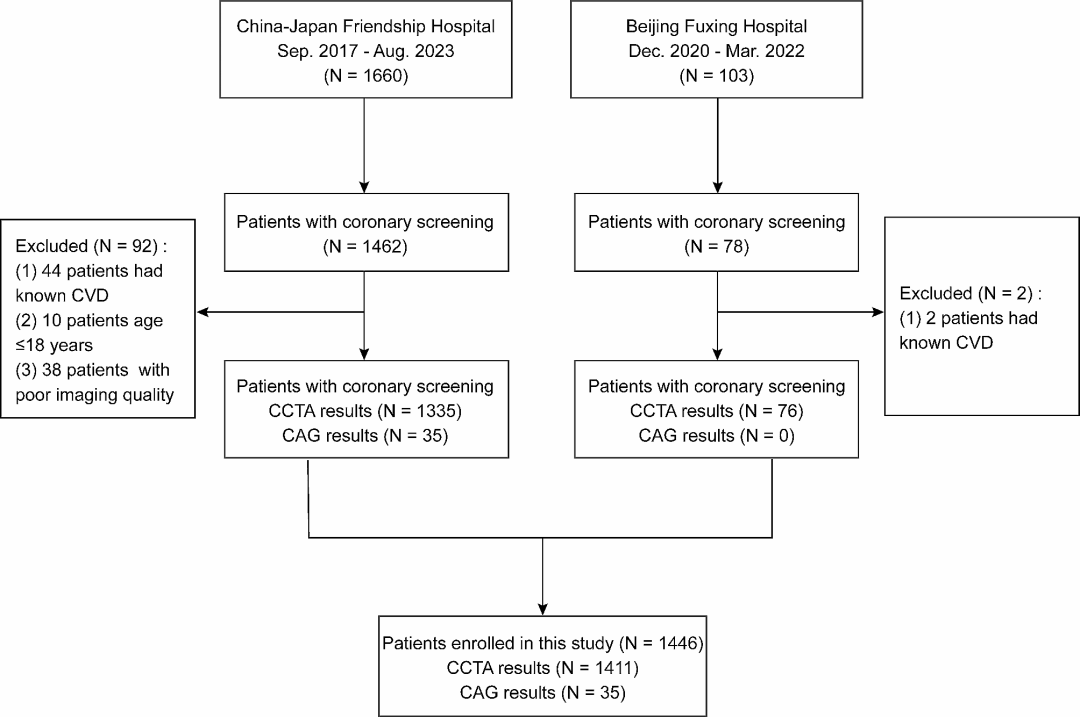
Figure 3. Research Flowchart
Another unpublished primary research study based on data from obese patients admitted between 2017 and 2023 used machine learning methods to establish a three-class model for coronary stenosis risk (low, medium, high), achieving precise stratification of preoperative risk and providing scientific basis for individualized preoperative assessment (Figure 4).
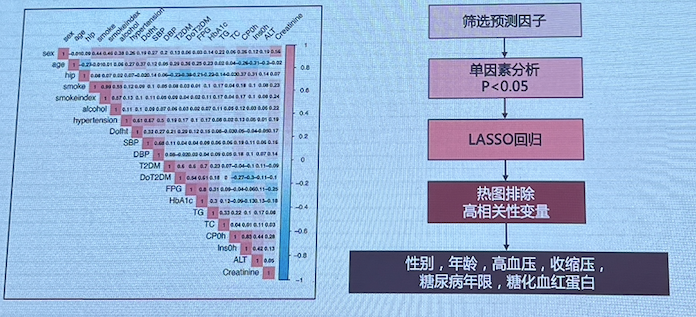
Figure 4. Preoperative Coronary Risk Assessment for Weight Loss Surgery
Additionally, the team explored the impact of metabolic weight loss surgery on the progression of coronary stenosis through follow-up studies. The results indicated that nearly 50% of patients showed significant improvement in coronary stenosis during postoperative follow-up (Figure 5), and 71.4% of patients improved to no stenosis (Figure 6). This suggests that metabolic weight loss surgery may play a positive role in reversing the process of atherosclerosis.
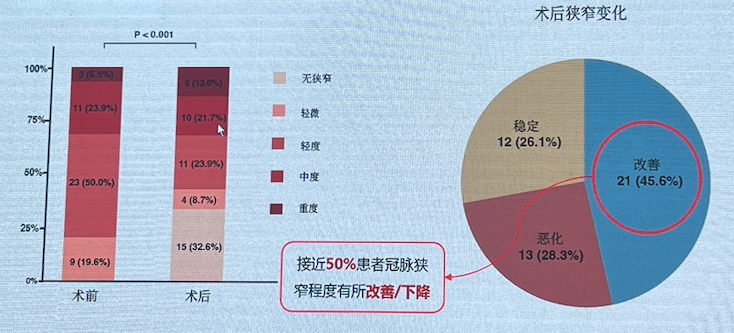
Figure 5. Changes in Coronary Stenosis Degree After Weight Loss Surgery
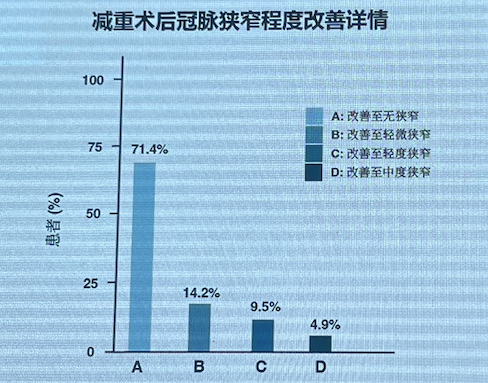
Figure 6. Details of Improvement in Coronary Stenosis Degree After Weight Loss Surgery
Moreover, multiple international studies have further confirmed the long-term benefits of metabolic weight loss surgery on cardiovascular health. A study published in JAMA in 2012 indicated that metabolic weight loss surgery significantly improves CVD risk factors[6]. The Swedish Obesity Study (SOS) showed a significant decrease in the incidence of fatal and total cardiovascular events in the surgical group[7]. A matched age, gender, and BMI meta-analysis indicated that metabolic weight loss surgery could reduce cardiovascular mortality risk by approximately 55%[8]. A cohort study from the Cleveland Clinic also found that the incidence of major adverse cardiovascular events (MACE) in surgical patients decreased by about 40% compared to the control group[9]. A 2022 meta-analysis indicated that weight loss surgery has significant protective effects against atrial fibrillation, heart failure, myocardial infarction, and stroke[10].
5. From “Sleeve Gastrectomy” to “Surgery +”: A Paradigm Shift in Multidisciplinary Comprehensive Management
With the improvement and expansion of the concept of “metabolic surgery”, the treatment model of Professor Meng’s team at the Metabolic Weight Loss Center of the China-Japan Friendship Hospital is evolving from a single weight loss goal to a comprehensive metabolic management system centered on “neoadjuvant therapy + supportive therapy”[11], continuously completing the transition from the “sleeve gastrectomy” era to the “surgery +” era.
The center has established a multidisciplinary collaborative model covering metabolism, cardiovascular health, nutrition, psychology, and exercise rehabilitation. In 2025, they successfully completed a challenging surgical case involving a patient weighing up to 370 kg at admission, with combined type II respiratory failure, hypertension, and sleep apnea. The patient underwent sleeve gastrectomy on January 6, 2025, and after comprehensive treatment, their weight successfully dropped to 161.2 kg by August 7 of the same year, achieving a total weight loss rate (TWL) of 76.14% and an excess weight loss rate (EWL) of 70.78%, with significant improvements in cardiopulmonary and metabolic functions, fully reflecting the clinical value of the comprehensive management model.
Conclusion
Obesity and cardiovascular diseases are intertwined and mutually causal. Metabolic weight loss surgery systematically improves metabolic disorders, providing a new pathway for the prevention and treatment of obesity-related cardiovascular diseases. In the future, based on multi-center collaboration, risk assessment models should be refined, long-term prognostic mechanisms explored, and the paradigm of “surgical weight loss” should transition to “metabolic health management”, achieving a comprehensive leap from weight loss to cardiovascular protection.
References
(Scroll up and down to view)
[1]Pan XF, Wang L, Pan A. Epidemiology and determinants of obesity in China. Lancet Diabetes Endocrinol. 2021 Jun;9(6):373-392. doi: 10.1016/S2213-8587(21)00045-0. Erratum in: Lancet Diabetes Endocrinol. 2021 Jul;9(7):e2. doi: 10.1016/S2213-8587(21)00149-2. PMID: 34022156.
[2]Roth GA, Mensah GA, Johnson CO, et al. Global Burden of Cardiovascular Diseases and Risk Factors, 1990-2019: Update From the GBD 2019 Study. J Am Coll Cardiol. 2020;76(25):2982-3021. doi:10.1016/j.jacc.2020.11.010
[3]Osmancik P, Roubicek T, Havranek S, et al. Catheter Ablation vs Lifestyle Modification With Antiarrhythmic Drugs to Treat Atrial Fibrillation: PRAGUE-25 Trial. J Am Coll Cardiol. 2025;86(1):18-28. doi:10.1016/j.jacc.2025.04.042
[4]Look AHEAD Research Group, Gregg EW, Jakicic JM, et al. Association of the magnitude of weight loss and changes in physical fitness with long-term cardiovascular disease outcomes in overweight or obese people with type 2 diabetes: a post-hoc analysis of the Look AHEAD randomised clinical trial. Lancet Diabetes Endocrinol. 2016;4(11):913-921. doi:10.1016/S2213-8587(16)30162-0.
[5]Nie Y, Zong H, Li Z, et al. Cardiovascular disease among bariatric surgery candidates: coronary artery screening and the impact of metabolic syndrome. Diabetol Metab Syndr. 2024;16(1):180. Published 2024 Jul 29. doi:10.1186/s13098-024-01425-6
[6]Vest AR, Heneghan HM, Agarwal S, Schauer PR, Young JB. Bariatric surgery and cardiovascular outcomes: a systematic review. Heart. 2012;98(24):1763-1777. doi:10.1136/heartjnl-2012-301778
[7]Sjöström L, Peltonen M, Jacobson P, et al. Bariatric Surgery and Long-term Cardiovascular Events. JAMA. 2012;307(1):56–65. doi:10.1001/jama.2011.1914
[8]Cui B, Duan J, Zhu L, et al. Effect of laparoscopic sleeve gastrectomy on mobilization of site-specific body adipose depots: a prospective cohort study. Int J Surg. 2023;109(10):3013-3020. Published 2023 Oct 1. doi:10.1097/JS9.0000000000000573
[9]Aminian A, Zajichek A, Arterburn DE, et al. Association of Metabolic Surgery With Major Adverse Cardiovascular Outcomes in Patients With Type 2 Diabetes and Obesity. JAMA. 2019;322(13):1271-1282. doi:10.1001/jama.2019.14231
[10]van Veldhuisen SL, Gorter TM, van Woerden G, et al. Bariatric surgery and cardiovascular disease: a systematic review and meta-analysis. Eur Heart J. 2022;43(20):1955-1969. doi:10.1093/eurheartj/ehac071
[11]Wang Siqi, Wen Jingyuan, Wang Zhe, Meng Hua. Application of Comprehensive Treatment Centered on Neoadjuvant Therapy and Supportive Therapy in Metabolic Surgery. Chinese Journal of General Surgery, 2025, 40(04): 321-324. DOI:10.3760/cma.j.cn113855-20241127-00726
Disclaimer:This article is for medical and health professionals to understand the latest medical information and does not represent the views of this platform. This information cannot replace professional medical guidance in any way and should not be considered as medical advice. If this information is used for purposes other than information, the site and the author bear no related responsibility. The latest “Cardiovascular and Metabolic Times” reader-exclusive WeChat group has been established, join us quickly! Scan the left “Cardiovascular and Metabolic Times” assistant QR code (WeChat ID: CKM-Times), reply “Cardiovascular and Metabolic Reader”, and they will quickly add you to the group!
(Source: Editorial Department of “Cardiovascular and Metabolic Times”)
Copyright Statement
Copyright belongs to “Cardiovascular and Metabolic Times“. Personal forwarding and sharing are welcome. Any other media or website is prohibited from reprinting without authorization.