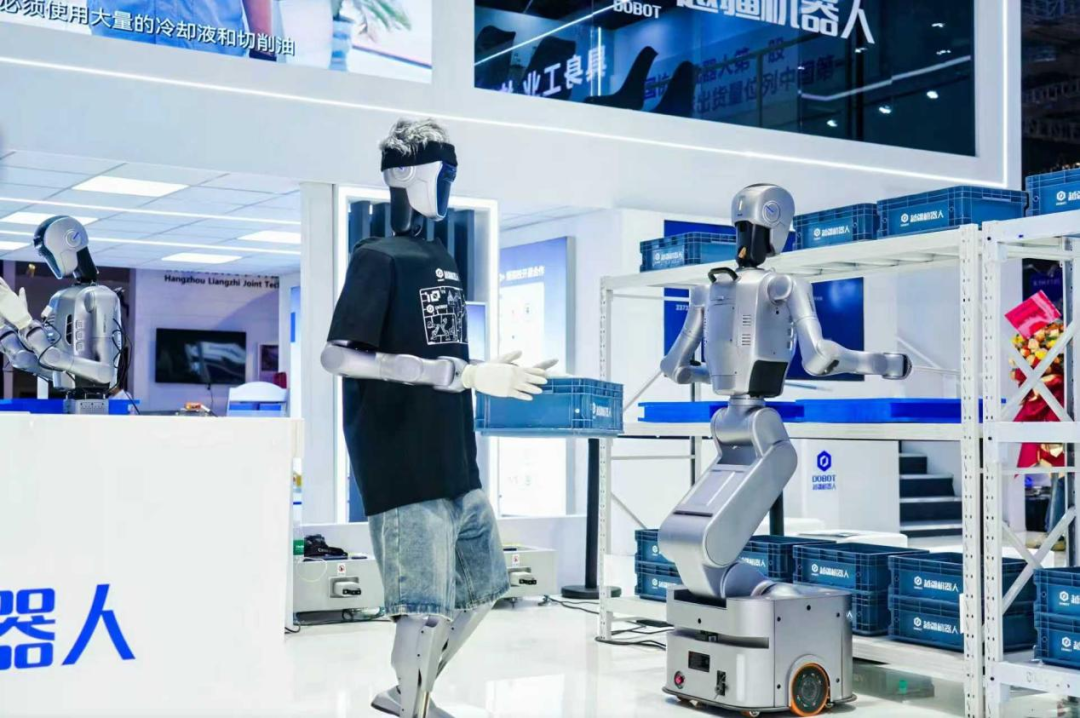
Recently, the 2025 China International Industrial Fair (CIIF) is being held in Shanghai with great enthusiasm. At the exhibition, the presence of humanoid robots is significant, performing tasks from material handling to precise operations like screwing and sorting, demonstrating how embodied intelligence is profoundly changing the production methods of traditional automated factories.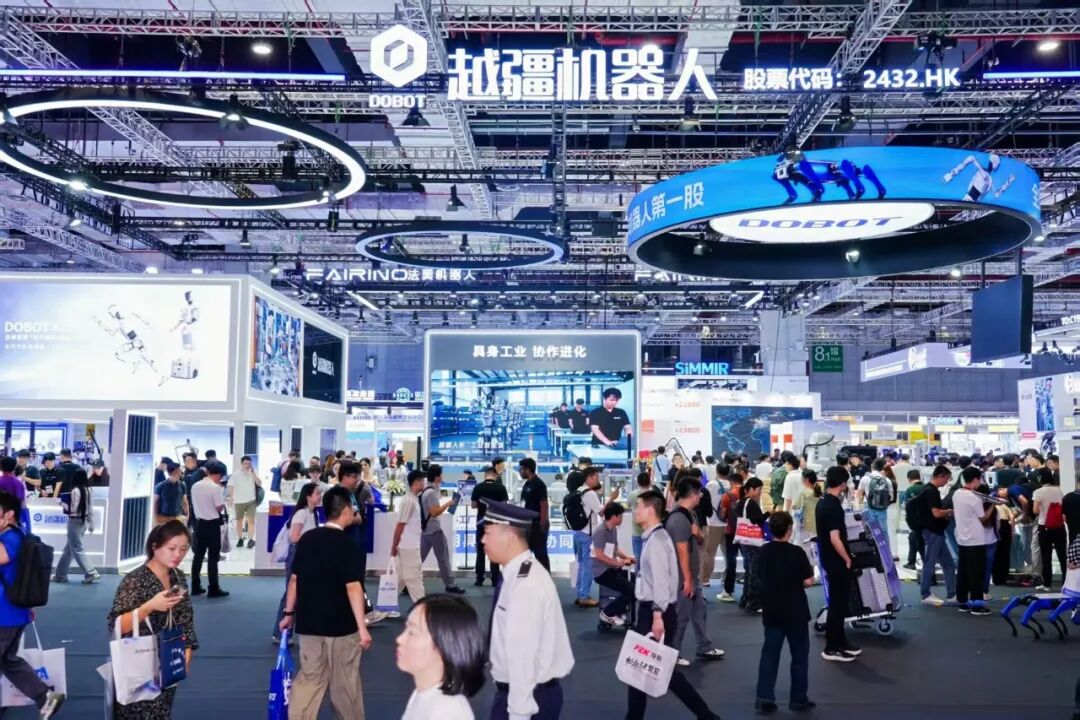 Yujian Robotics also showcased a futuristic demonstration of actual production line operations, allowing the audience to truly feel that “embodied industry” is no longer just a concept, but a future that is about to arrive: Yujian’s self-developed collaborative robots, bipedal humanoid robots, multi-legged robots, and wheeled humanoid robots, under the command of a “factory intelligence hub”—a super brain—smoothly complete tasks such as material grabbing, visual inspection, material handling, and precision assembly.This is the world’s first multi-modal embodied intelligence super factory, and it is the first demonstration in the industry to achieve normalized operations of multi-modal general embodied robots. Yujian’s forward-looking breakthroughs in shared unified embodied intelligence model base technology solve the problem of limited capabilities of single-modal robots in complex scenarios, achieving complementary capabilities and collaborative efficiency among different types of robots.In this super factory, humanoid robots not only demonstrate flexible operational capabilities in industrial manufacturing but also show potential applications in commercial services, education, and research.
 Behind all this is Yujian’s decade-long technological accumulation since its establishment in 2015. The company started with collaborative robots and gradually launched multiple high-performance products, successfully listing on the Hong Kong Stock Exchange in 2024, becoming the “first stock of collaborative robots.” As of now, Yujian has deployed over 90,000 robots globally, ranking first in China and second in the world, serving more than 80 Fortune 500 companies.This super factory is not just a concentrated showcase of products; it is more like Yujian’s forward-looking answer to the future of manufacturing methods:What will factories look like when robots are no longer cold machines but intelligent agents with perception, decision-making, and collaboration capabilities?
01.
Industrial Automation Enters the Second Half, Embodied Industry EmergesDuring the traditional industrial automation period, efficiency was the core logic. Therefore, on production lines, each process had a clear division of labor, and robots and automated equipment were pre-programmed to complete repetitive operations according to fixed procedures.This model has driven the efficient development of the manufacturing industry for a long time, but its limitations are also prominent. Once product types change or processes are adjusted, the entire production line often needs to be redesigned, leading to high transformation costs; single-function robots cannot adapt to multi-scenario operations and can only serve as “tool people” for specific tasks.As we enter the flexible production stage, with rapid product updates and variable processes, single-function robots struggle with high-precision collaboration, multi-scenario adaptation, and cross-device collaboration. The market demands more flexible and intelligent production units.Thus, the role of robots began to evolve. They can no longer be mere tools that repeat actions; they should become intelligent agents capable of perceiving the environment, understanding tasks, and making autonomous decisions, continuously evolving in actual operations.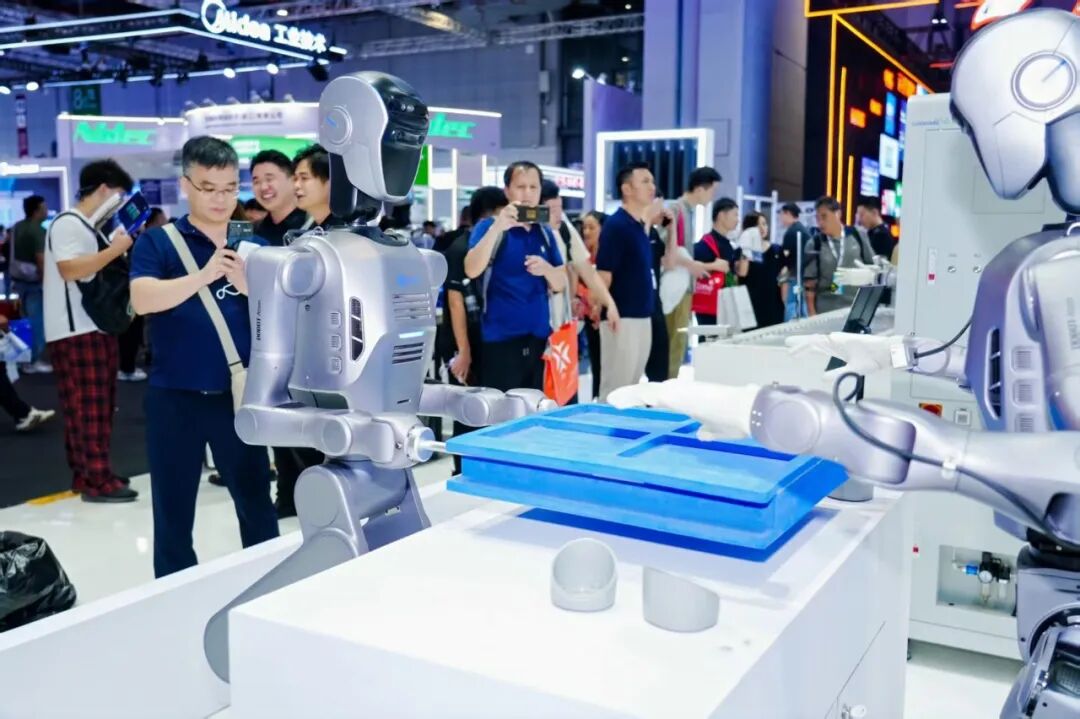 Moreover, robots need to transition from individual operations to group collaboration. Yujian’s different types of robots must share information through a unified brain, forming normalized cooperation among multiple intelligent agents, just like an efficient cross-functional team.This model of embodied industry is not a continuation of traditional automation but a brand new form of industrial production. Yujian is at the forefront of this direction, placing different types of robots on the same platform to address the shortcomings of traditional automation through complementary collaboration, creating a future embodied intelligence super factory.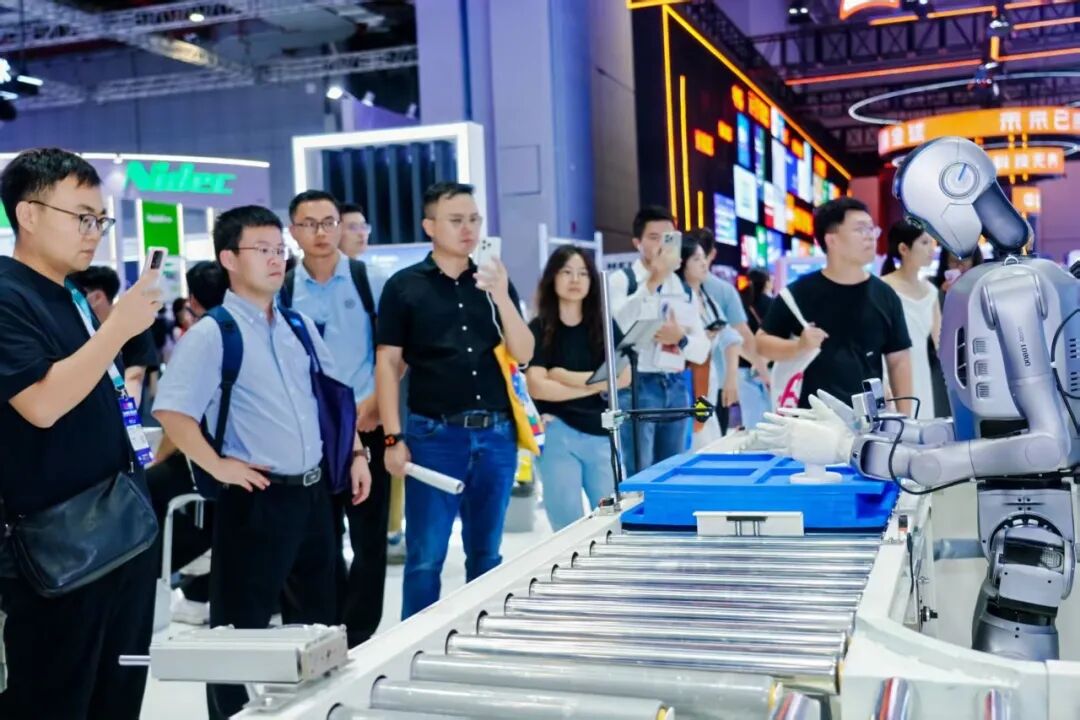
02.
Centralized Discussion + Distributed Execution,Creating an Efficiently Operating Embodied Intelligence Super FactoryIn Yujian’s super factory, the most striking aspect is not a single robot but how they smoothly cooperate within the same system.The top level of the super factory is a“Factory Intelligence Hub”, responsible for centralized discussions among multi-modal robots, where all scheduling and decision-making occurs. It constructs real-time, multi-dimensional environmental data through multi-modal perception, makes decisions and plans using large models in the industrial field, and assigns tasks to different robots to complete, achieving collaborative task execution and precise operation planning among intelligent agents.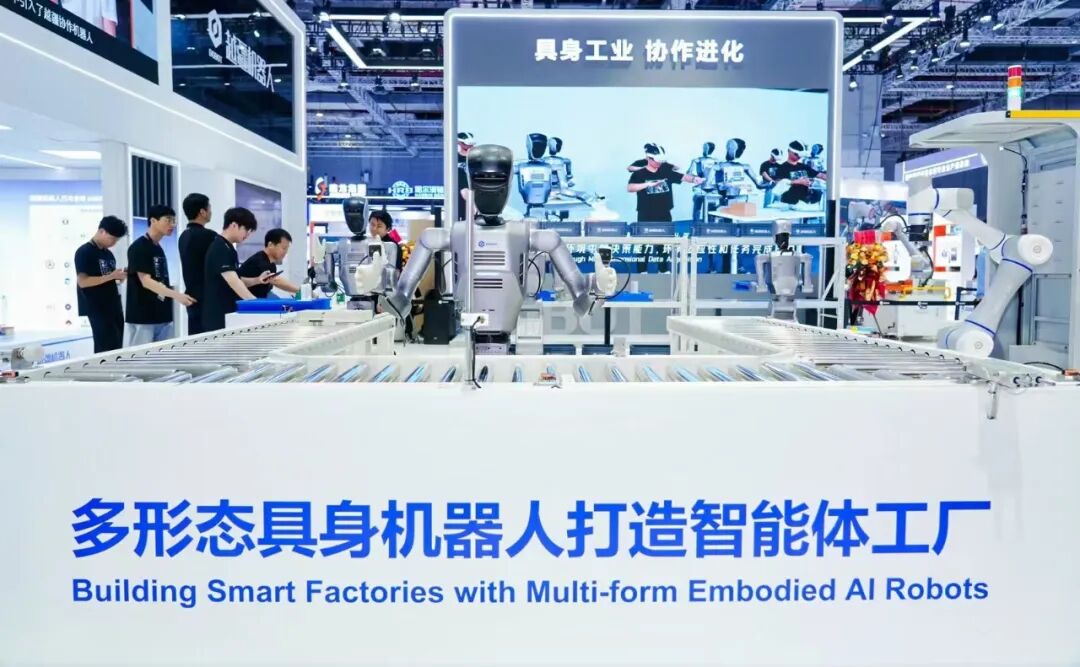 Executing the tasks is a distributed team composed of wheeled robots, humanoid robots, collaborative robotic arms, and multi-legged robotic dogs.Yujian’s humanoid robots have achieved the first nationwide industrial cross-scenario multi-task collaborative operation application. With smarter bodies, they break through the efficient mapping technology of human-robot actions, achieving highly anthropomorphic bionic dexterous operations; with smarter brains, they break through knowledge-driven generative VLA technology, realizing collaborative task execution and precise operation planning among groups; and with industrial-grade reliability, they have passed high-temperature and heavy-load aging tests, achieving ±0.05mm industrial-grade precision.The wheeled humanoid robot ATOM-M, as Yujian’snewly launched product at this industrial fair, is a strong contender in the field of embodied intelligent humanoid robots, undertaking important operational tasks in the “super factory.” It integrates “industrial-grade dexterous operation” with “efficient wheeled mobility,” further consolidating Yujian’s product matrix in the embodied intelligence platform and enhancing the implementation capabilities of Yujian’s multi-modal embodied intelligence “super factory.”ATOM-M boasts industrial-grade operational precision that rivals human operation, can move autonomously and stably, and possesses high dynamic scene motion capabilities. This robot reduces the research threshold through data collection and evolution. With the support of a one-stop embodied data toolchain and immersive VR data collection suite, it can help clients lower the barriers from data collection to training and model deployment.
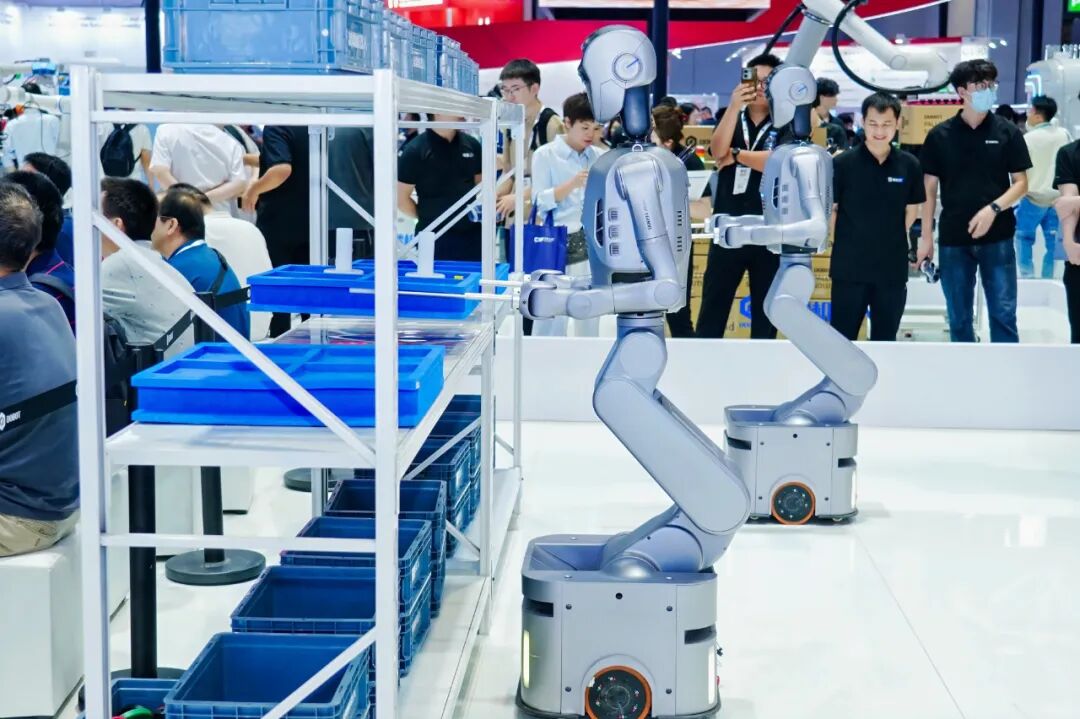 Through hardware and software upgrades and a unique wheeled design, ATOM-M demonstrates unique advantages in industrial and logistics scenarios.In the current wave of humanoid robots, Yujian’s advantage lies not in flashy technology but in truly embodying industrial-grade implementation. From the现场, these humanoid robots are not just demonstration machines on display but have already entered production lines, undertaking normalized operations across scenarios and tasks, combining efficient movement with precision operation, showcasing application value in numerous industrial production processes, and laying the foundation for future expansion into more industry scenarios.
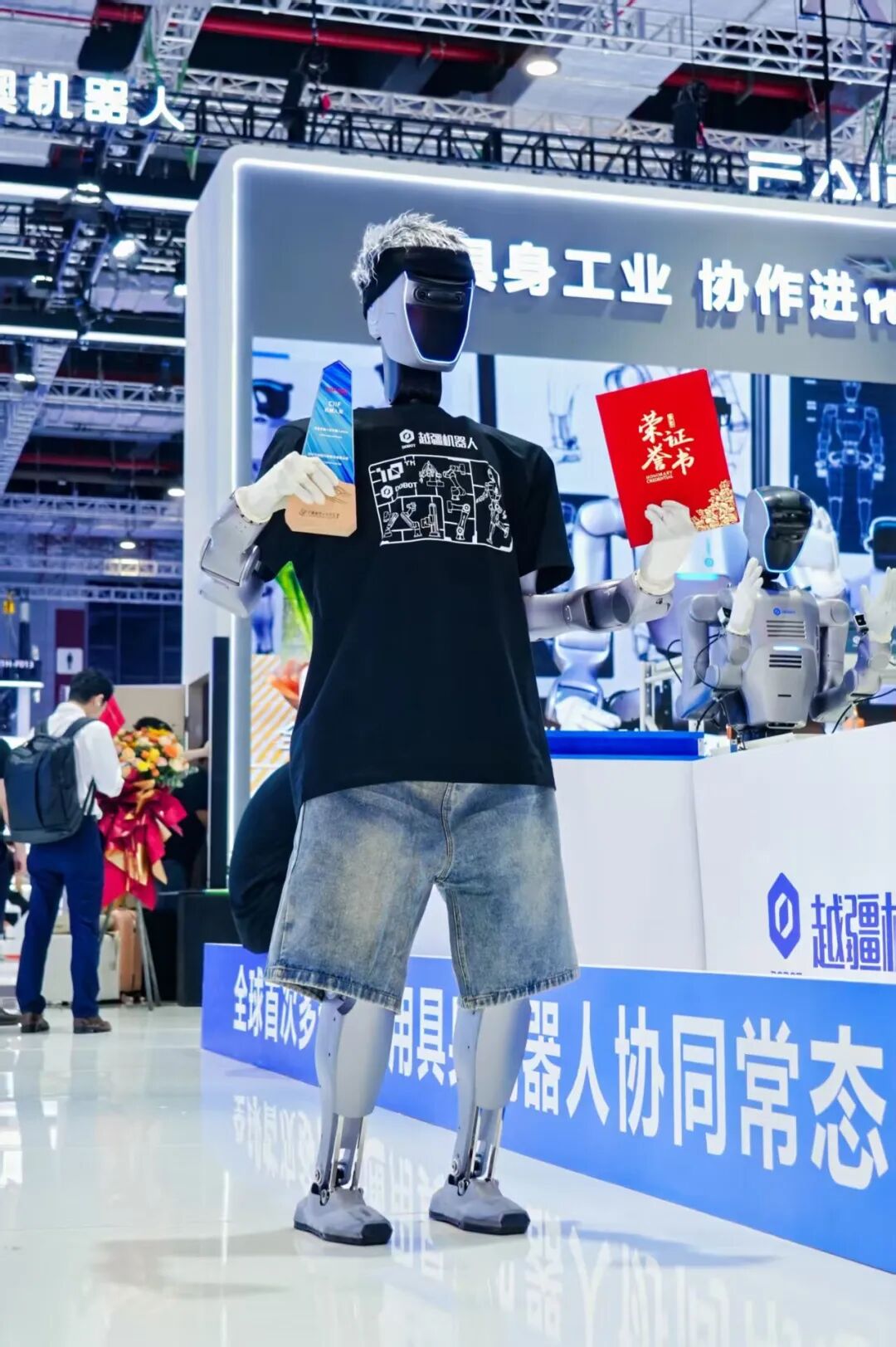 Collaborative robotic arms undertake precision assembly and complex polishing tasks at individual workstations, while the high-loadCollaborative Robot CR30H ensures precise operations under high-speed conditions with a repeat positioning accuracy of ±0.05mm;CRAF Force Control Robot integrates force control, achieving zero installation configuration, 1.5N light force start, and 0.1mm point accuracy, enabling high-quality polishing results.Multi-legged robotic dogs rely on their high reliability to handle transportation and inspection tasks in unstructured environments.
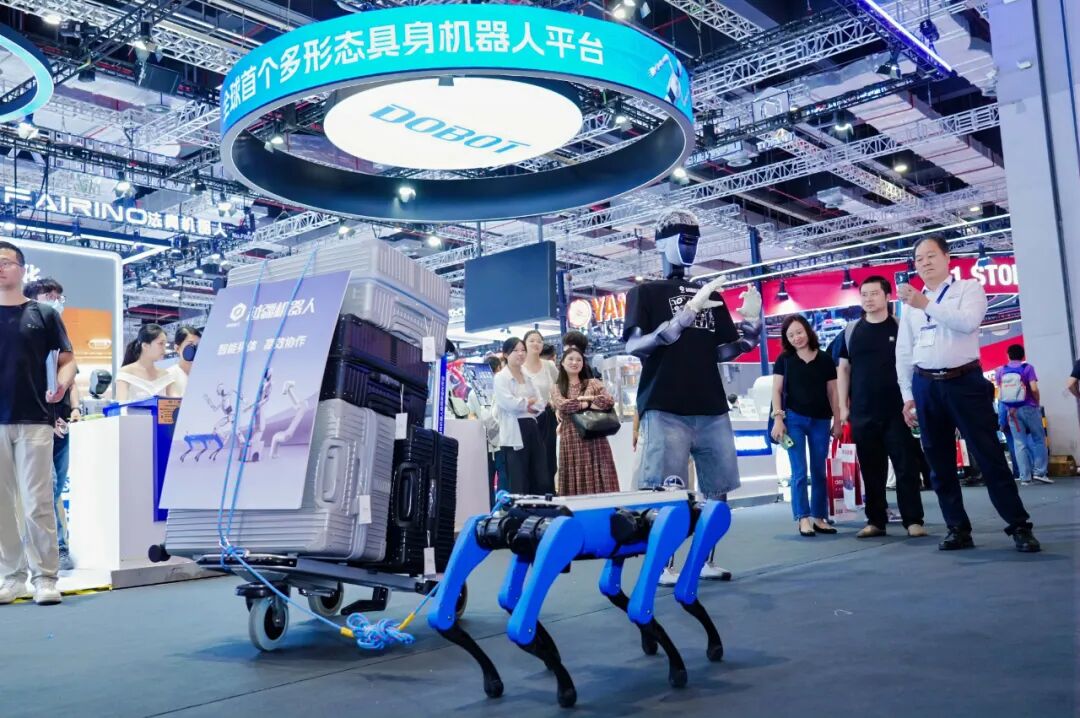 The ability of these robots to collaborate relies on Yujian’s developedTime-Space Action Block ACT Predictive Control Large Model Technology. It enables the generation and precise execution of complex continuous operation tasks, allowing robots to possess low-latency, high-reliability execution, and dynamic adaptive control capabilities.Based on ACT’s rapid scene collection training, robots can achieve efficient implementation in single industrial commercial scenarios, demonstrating stability in fixed processes while also being able to adjust in real-time when facing special situations.This “centralized discussion + distributed execution” model allows the embodied intelligence super factory to truly possess flexible collaboration capabilities similar to human teams. Different types of robots perform their respective duties while achieving unified scheduling through the same brain, providing a new type of production organization method that is replicable and scalable for the implementation of embodied intelligence in industrial scenarios.
03.
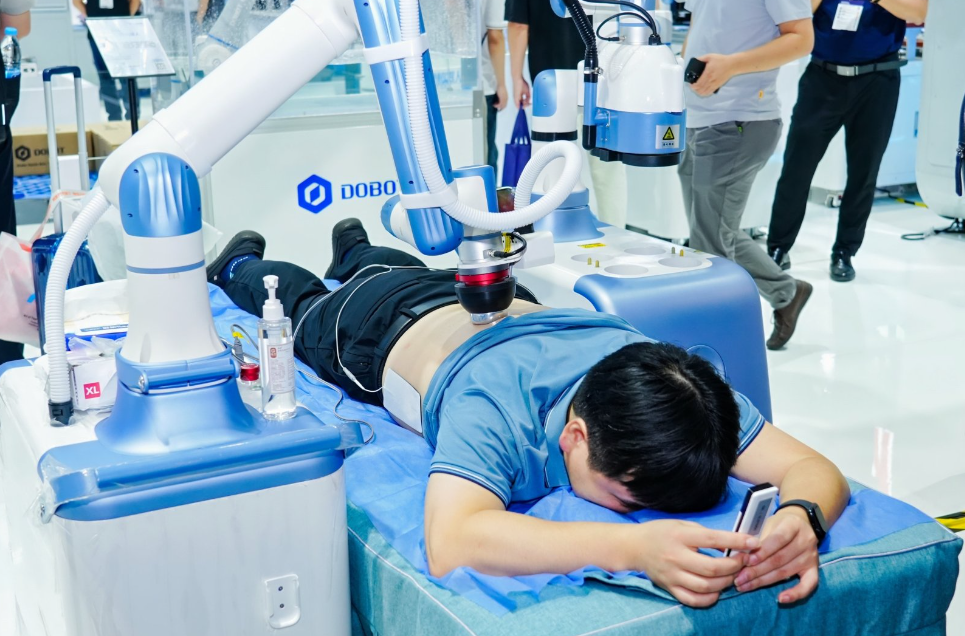
From Industry to Commerce and Research,Yujian’s Embodied Landscape is Rapidly ExpandingAs a company that has truly emerged from the manufacturing site, Yujian’s greatest confidence comes from its long-term deep cultivation in industrial scenarios.Over ten years of practice, Yujian has accumulated a wealth of real process data and scene implementation experience, and has self-developed and mass-produced a matrix of multi-modal robots covering robotic arms, humanoid robots, wheeled robots, and multi-legged robots. This enables it to reuse core technologies such as force control, motion control, visual perception, and large models across different modalities, forming a set of transferable and scalable embodied intelligence infrastructure.Compared to many manufacturers that remain in the laboratory or focus on a single product line, Yujian understands industrial processes and masters platform technology paths, which is why it can be the first to bring embodied industry from concept to real scenarios and quickly replicate it in more niche industries.In industrial manufacturing, Yujian’s CR30H and CRA series collaborative robots have been widely applied in automotive, 3C electronics, semiconductor, steel structure welding, CNC loading and unloading, and palletizing welding scenarios, helping clients achieve stability and consistency in complex processes.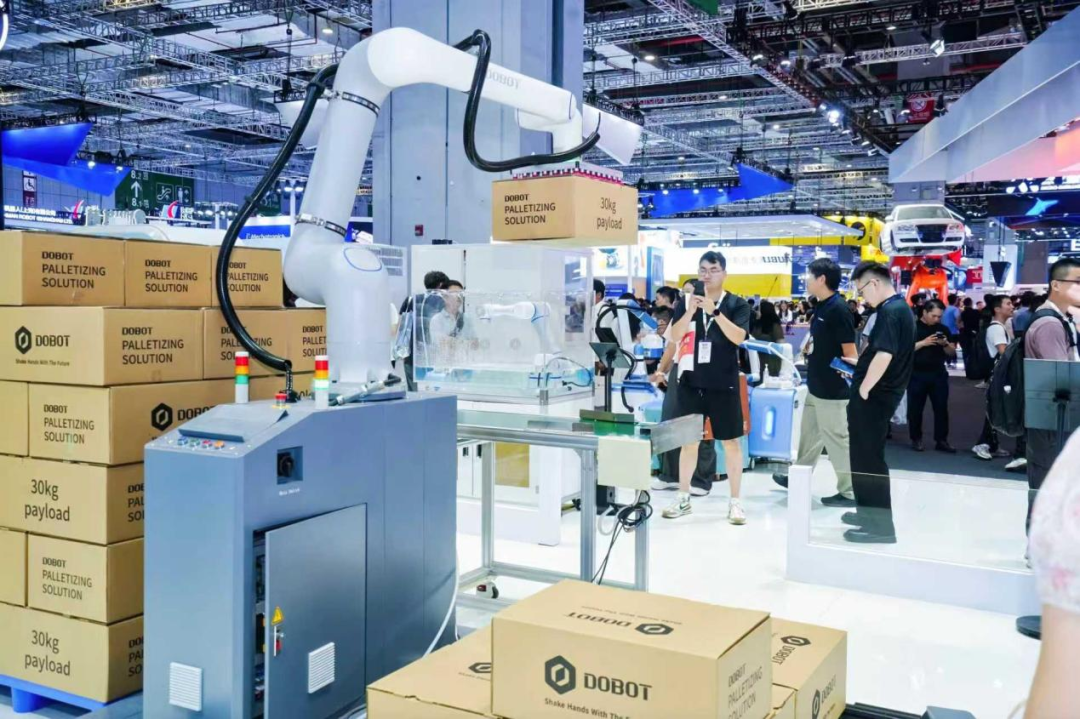 In the commercial service sector, Yujian’sintelligent coffee robot can make a fine drink in 45 seconds,intelligent ice cream robot can mix ice cream in 40 seconds, and has already been deployed in multiple cities,intelligent moxibustion robot combines AI technology with traditional Chinese medicine, capable of automatically completing operations such as point selection, temperature control, and channeling, accurately simulating five classic moxibustion methods.
 It is evident that, unlike many manufacturers still in the laboratory validation stage, Yujian has spent the last decade deeply cultivating various industrial and commercial real scenarios, enabling it to design tailored embodied intelligence solutions for enterprise clients that are closely aligned with their scenarios, rather than simply selling robots. Yujian aims to create a complete embodied ecosystem, where clients are not only users but also co-creators of the ecosystem.Therefore, Yujian has also initiated a joint action with 300 enterprises and industry experts called “Collaborative Power, Intelligent Manufacturing Future,” helping partners quickly deploy robotic applications in different scenarios, forming a new intelligent manufacturing system that is quickly deployable, easily expandable, and continuously optimized.
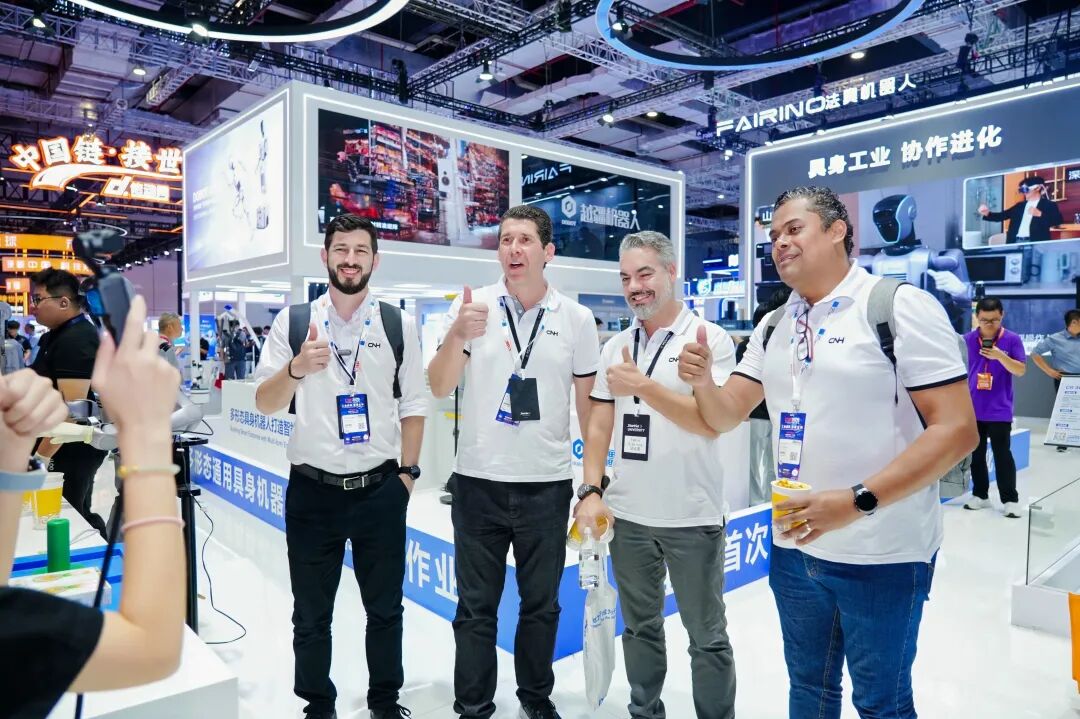 Yujian states that, unlike simple product output, it can provide manufacturing enterprises with scene-appropriate embodied intelligence solution design and consulting support, leveraging ten years of accumulated industry insights to help clients solve real pain points in specific areas. Enterprise clients can deeply participate in training and co-creation of solutions, enhancing model transfer and scene generalization capabilities, accelerating the sharing and application of embodied agents.At the same time, Yujian will also co-build typical scenarios with enterprises, establish joint laboratories and special task forces, focusing on core technologies such as multi-modal perception, scene adaptability, and human-robot collaboration, ensuring that embodied intelligence does not just remain on display and in laboratories but truly reaches the industrial front line, becoming replicable benchmark cases.
04.
Conclusion: Embodied Industry is Becoming a New Turning Point for Global ManufacturingYujian’s demonstration of a multi-modal embodied intelligence super factory at the industrial fair allows people to intuitively see an imaginative picture of embodied industry: robots are no longer bound by single functions but collaborate through a shared brain, adapting to different scenarios and becoming intelligent partners in factories.As embodied intelligence technology continues to mature, robots will transition from isolated application demonstrations to global factories, becoming the core force driving a new industrial civilization.Yujian’s multi-modal embodied intelligence robot platform, creating the embodied intelligence super factory, may very well represent the future of manufacturing.