At a county technology festival, Lu Wenyang watched with envy as children from a neighboring town controlled their homemade robots to complete tasks. He thought of the children in Huya Town, who often have access to technology products but rarely have platforms for hands-on creation—finding suitable parts and guidance for assembling a simple mechanical model is a challenge. The young man with the signature Huya smile had a brilliant idea: to establish the Huya Robotics Studio, allowing children to experience the charm of technology while assembling, programming, and debugging robots, thereby cultivating innovative thinking and practical skills. Thus, he began preparing this imaginative technology space at the town’s youth activity center.
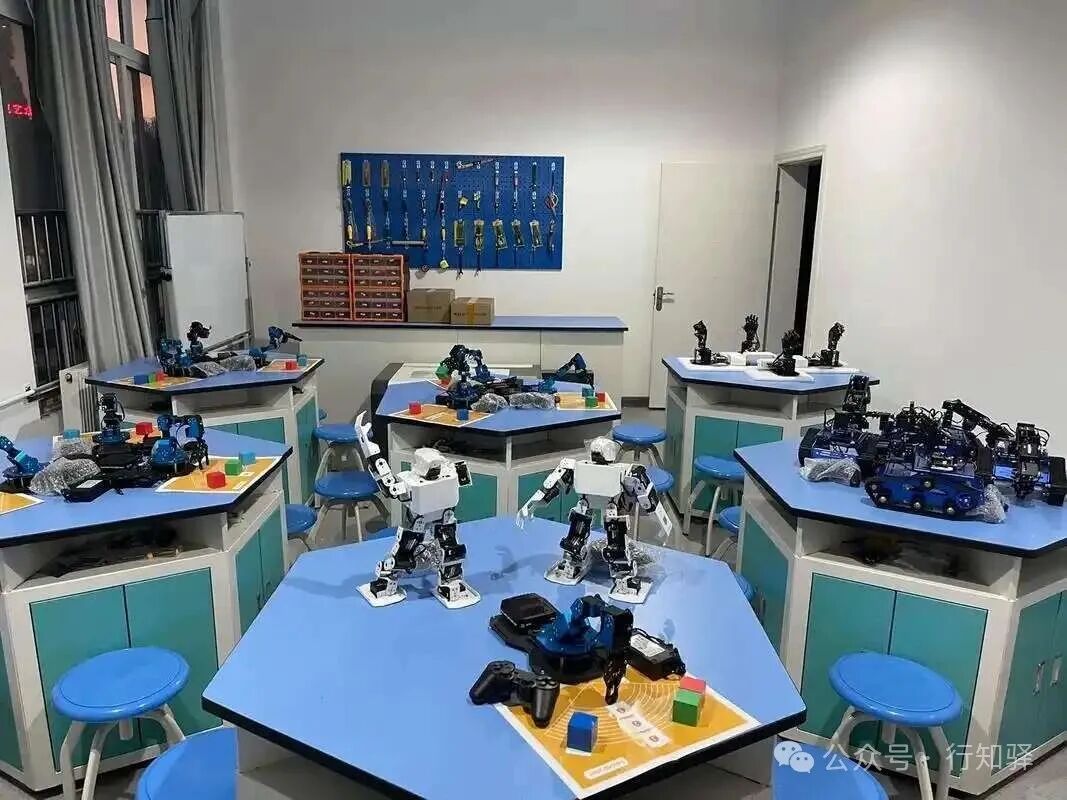
Creating a robotics studio hinges on being “fun and educational.” Lu Wenyang applied for special funding for technology education through the community foundation to purchase robot kits suitable for different age groups—there are block-based programming robots for elementary school students, mechanical assembly kits for middle school students, and open-source hardware for advanced learning. He invited engineers from the county science museum and students from university robotics clubs to serve as volunteer mentors to collaboratively plan the curriculum: from basic component recognition and simple mechanical assembly to advanced programming logic and robot task design, guiding children to explore step by step. The studio is divided into assembly, programming, and display areas, with the assembly area filled with various gears, motors, and connectors, the programming area equipped with computers and programming software, and the display area showcasing the children’s creative works.
On the opening day of the studio, it was packed with registered children. Fifth grader Xiaohao was immediately attracted to the block robot and, under the guidance of a mentor, built a small car that could move forward and backward in just half an hour. Excitedly, he pulled Lu Wenyang over to show him: “Brother Wenyang, look, it can follow the light!” Meanwhile, a group of children was gathered around a robotic arm kit discussing how to design a robot that could pick up a ping pong ball, but they were arguing over the assembly order of the parts. Instead of giving them the answer directly, Lu Wenyang handed them the blueprint: “Why don’t you try a different connection method and see if it becomes more flexible?” The children suddenly realized, adjusted the structure, and successfully picked up the ping pong ball. The studio was filled with the crisp sounds of parts being assembled, cheers of successful programming, and quiet discussions when faced with challenges, all brimming with the vitality of technological exploration.
To bring technological ideas to life, Lu Wenyang also organized a series of special activities. In the “Robot Challenge,” children controlled their designed robots to complete tasks like navigating mazes and transporting materials, competing in creativity and technology; in the “Tech Little Makers” workshop, they improved robots based on everyday needs—some children equipped their robots with claws to create an “automatic litter-picking assistant”; others designed a “smart pillbox robot” that reminds the elderly to take their medication on time. The studio even collaborated with the local elementary school to offer robotics interest classes, allowing more children to engage with technology education. One parent expressed surprise: “Before, my child would just play on the phone after school, but now they rush to the studio whenever they have free time and even actively look up mechanical principles. The change is remarkable!”
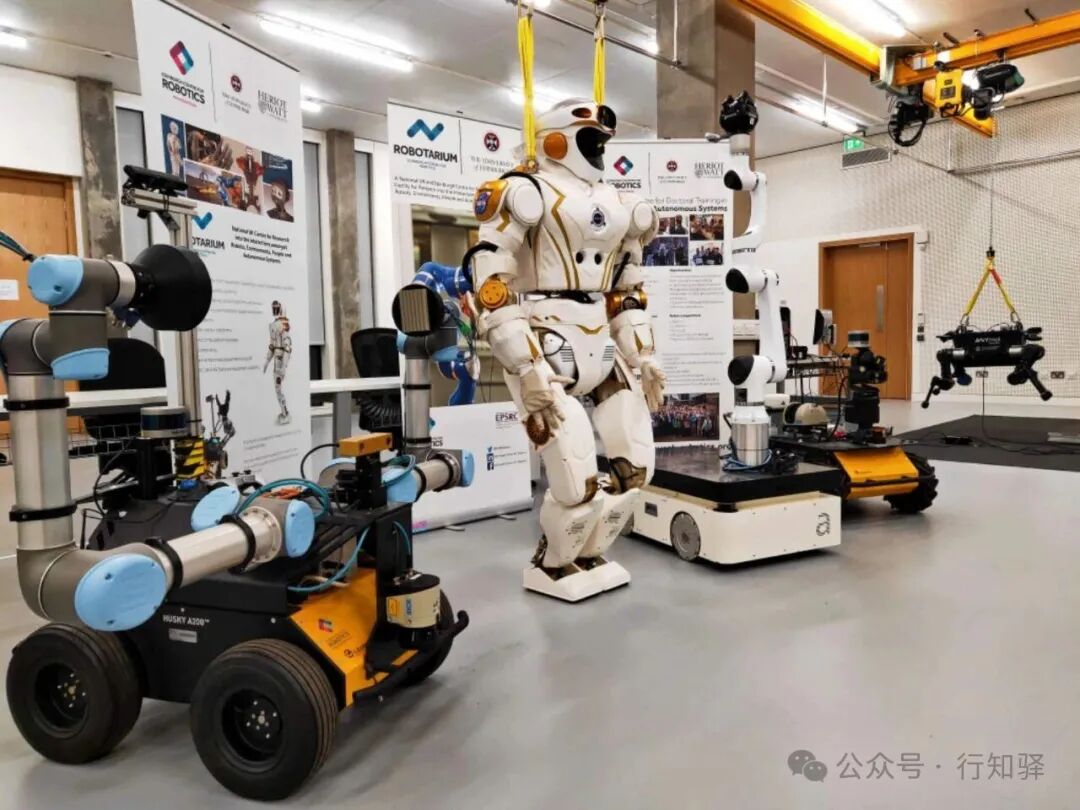
In the evening, as the sunset streamed through the studio’s glass windows, it illuminated the “smart irrigation robot” that the children had just completed. Lu Wenyang and the mentors were guiding several children in debugging programming code, watching as the robot accurately watered the potted plants, and proud smiles appeared on the children’s faces. He recalled the original intention behind preparing the studio and looked at the focused little figures exploring in front of him, revealing his signature Huya smile. This small robotics studio is not only a place for learning technological knowledge but also an incubator for creativity and dreams. He knows that every part assembled and every line of code written plants the seeds of technology in the children’s hearts, and in the future, these seeds will take root and sprout, making them innovative and exploratory youths of the new era.