An aluminum composite PCB (commonly known as Aluminum Base PCB) is a special printed circuit board made of aluminum alloy as the substrate. Its core structure, consisting of a “metal substrate + insulation layer + circuit layer,” addresses the inadequate heat dissipation capabilities of traditional FR-4 PCBs, specifically designed for the installation and heat dissipation of high-power components.
When the power of MOS transistors exceeds 10W or the operating environment temperature is high (such as in industrial equipment or automotive electronics), an efficient thermal path must be constructed using external heat dissipation components, forming a “MOS transistor → PCB → external heat sink” configuration.
Core Components of Aluminum Composite PCB
The structure of an aluminum composite PCB is divided into three layers from bottom to top, with each layer serving a distinct function to achieve the dual requirements of “circuit connection + efficient heat dissipation.”
| Structural Level | Core Material | Thickness Range | Core Function |
|---|---|---|---|
| 1. Substrate Layer (Bottom Layer) | Aluminum alloy plate | 0.2-5.0mm | Serves as the supporting framework of the PCB and is the primary heat transfer medium, quickly conducting heat to the outside (such as to heat sinks or air). |
| 2. Insulation and Thermal Conductive Layer (Middle Layer) | Ceramic-filled polymer (such as epoxy resin + aluminum oxide / aluminum nitride) | 20-200μm | A critical functional layer that isolates the circuit layer from the substrate layer (to prevent short circuits) while possessing high thermal conductivity (to efficiently transfer heat from the circuit layer to the substrate layer). |
| 3. Circuit Layer (Top Layer) | Electrolytic copper foil (commonly 1oz-4oz, i.e., 35-140μm) | 35-140μm | Similar to the circuit layer of traditional PCBs, formed by etching to create conductive pathways for soldering components (such as MOS transistors, LEDs, power chips) and achieving circuit connections. |
Addressing Heat Dissipation Issues of Traditional PCBs
Traditional FR-4 PCBs (glass fiber epoxy resin substrates) have a very low thermal conductivity (only 0.2-0.3W/m・K), which cannot meet the heat dissipation requirements of high-power components. The core value of aluminum composite PCBs lies in compensating for this deficiency through a “high thermal conductivity structure,” with specific functions categorized into three types:
Efficient Heat Dissipation: The overall thermal conductivity of aluminum composite PCBs can reach 1-10W/m・K (far exceeding that of FR-4), allowing heat generated by high-power components (such as MOS transistors and LEDs) to be quickly conducted away through the “circuit layer → insulation and thermal conductive layer → aluminum substrate layer,” and then dissipated into the air or external heat sinks, preventing components from overheating due to localized heat accumulation (e.g., MOS transistor junction temperatures exceeding 150℃ can cause failure), thereby extending component lifespan (typically increasing the lifespan of high-power devices by 2-3 times).
Stable Support: Suitable for high-power scenarios, the mechanical strength of aluminum substrates is significantly higher than that of traditional FR-4 PCBs (with better resistance to bending and impact), capable of supporting the weight of high-power components (such as large power modules), and can be directly mounted to metal heat sinks or enclosures (without additional support brackets), making it suitable for industrial equipment, automotive electronics, and other scenarios requiring high PCB stability.
Reducing Thermal Stress: Minimizing the risk of component damage. The coefficient of thermal expansion (CTE) difference between traditional FR-4 PCBs and metal heat sinks is large (FR-4 is about 13ppm/℃, aluminum is about 23ppm/℃), making it prone to cracking at solder joints due to thermal expansion and contraction during temperature changes. In contrast, the substrate of aluminum composite PCBs is aluminum alloy, which has a CTE closer to that of external metal heat sinks, reducing mechanical damage caused by thermal stress and enhancing overall circuit reliability.
In mid-high power applications, using graphite aluminum composite uniform temperature plates instead of aluminum alloy is feasible.
- Advantages of Heat Dissipation Performance
- High Thermal Conductivity: Graphite aluminum composite uniform temperature plates exhibit excellent thermal conductivity, with in-plane thermal conductivity > 500W/mK and out-of-plane > 150W/mK, enabling rapid and uniform heat dissipation. Compared to traditional aluminum alloys, they can more effectively conduct heat away from power components and other heat sources. For example, in automotive millimeter-wave radar, graphite aluminum composite uniform temperature plates can reduce chip shell temperatures by over 10℃.
- Good Temperature Uniformity: The structural design of uniform temperature plates allows for even distribution of heat across the entire surface, reducing temperature gradients and avoiding localized overheating. For instance, annealed pyrolytic graphite composite aluminum-based uniform temperature plates can utilize the high lateral thermal conductivity of graphite to laterally diffuse high heat flux energy across the entire evaporation surface, minimizing thermal shock.
- Weight Advantage:
- The density of graphite aluminum composite uniform temperature plates is only 1/3 that of traditional copper uniform heat plates, and they also have a weight advantage compared to aluminum alloys. This is crucial for weight-sensitive applications such as aerospace and automotive electronics, as it meets heat dissipation needs while contributing to lightweight design of equipment.
However, the cost of graphite aluminum composite uniform temperature plates is relatively high, which may limit their application range under budget constraints.
Typical Application Scenarios for Aluminum Composite PCBs
Due to their characteristics of “high thermal conductivity + stable support,” aluminum composite PCBs are primarily used in scenarios where “components generate significant heat and have high heat dissipation requirements.” Common applications include:
-
Power electronics: Installation of power devices such as MOS transistors, IGBTs, and rectifier bridges (e.g., in switch-mode power supplies, inverters, motor controllers);
-
Lighting: High-power LED boards (e.g., LED streetlights, automotive headlights, where over 70% of the energy is converted to heat during LED operation, requiring aluminum substrates for heat dissipation);
-
Automotive electronics: Such as onboard power modules, engine control units (ECUs), and the three electric systems (battery, motor, electronic control) of new energy vehicles;
-
Industrial control: Such as high-power circuit sections in frequency converters and servo drives.
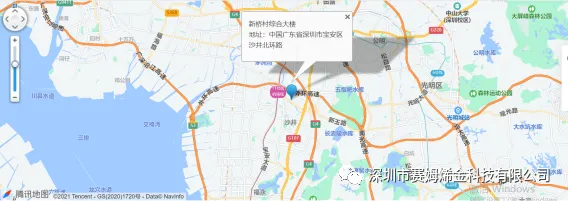
Company Profile: Shenzhen Simenjin Technology Co., Ltd. (referred to as Simenjin Technology) is located in the Xin Qiao Comprehensive Building, Bao’an District, Shenzhen. The company’s R&D team has successfully developed graphene metallization technology and industrial-scale preparation technology for graphene used in circuit boards. In April 2018, the company established a production line for soft board graphene metallization in Shenzhen. In October 2019, the company established Dongguan Simenjin Technology Co., Ltd., with a production line capable of producing 50 tons of graphene slurry annually, which has been successfully put into production. The company is gradually promoting the application of graphene metallization technology in circuit boards, electronic shielding, plastic electroplating metallization, metallization of pp films, and composite materials, striving to become a technological leader in the new energy and new materials industry within 3-5 years, using new technologies and materials to transform related electronics and surface treatment industries, promoting environmentally friendly green technologies, reducing environmental pollution, and continuously advancing the technological progress and development of related industries.
Business Consultation Phone:
Mr. Chen:13823133110
Mr. Yang:13714337073
Company Landline:0755-23593156
Company Address:North Ring Road, Xin Qiao Street, Bao’an District, Shenzhen