As a core component of electronic devices, printed circuit boards (PCBs) experience temperature rise phenomena and thermal effects, resulting in heat accumulation that ultimately affects performance. How can we understand the temperature rise phenomenon and thermal effects of PCBs?
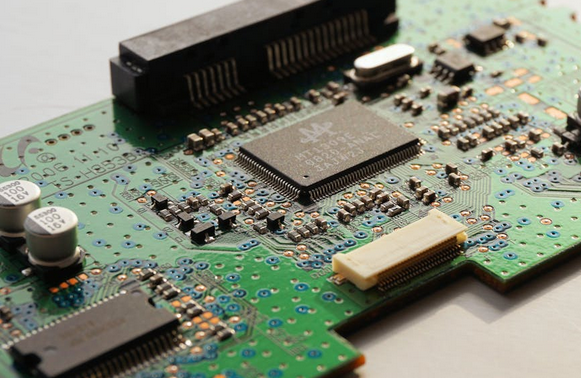
1. Causes of PCB Temperature Rise Phenomenon
① Electrical Power Consumption
The electrical power consumption on the PCB is the direct cause of temperature rise. Electronic devices generate varying degrees of power consumption during operation, which is ultimately released into the surrounding environment in the form of heat. The higher the power consumption per unit area, the more pronounced the temperature rise of the PCB. Additionally, the distribution of power consumption on the PCB can also affect the temperature rise; excessive local power consumption may lead to significant local temperature increases.
② PCB Structure
A larger PCB size means more heat needs to be dissipated, and different materials have varying thermal conductivity and thermal expansion coefficients, which can also affect the temperature rise of the PCB.
③ Installation Method of the PCB
Vertical and horizontal installations have different effects on heat dissipation. The sealing conditions and distance from the chassis also affect the transfer and dissipation of heat.
④ Thermal Radiation
The radiation coefficient of the PCB surface, as well as the temperature difference and absolute temperature between the PCB and adjacent surfaces, all influence the effectiveness of thermal radiation. The higher the radiation coefficient, the better the heat dissipation; the larger the temperature difference, the greater the intensity of thermal radiation.
⑤ Thermal Conduction
By installing heat sinks and other structural components, the thermal conduction capability of the PCB can be effectively improved, reducing temperature rise. Heat sinks can transfer heat from the heat source to the surrounding environment, while structural components can transfer heat to other parts of the device through thermal conduction.
⑥ Thermal Convection
Natural convection and forced cooling convection are two common modes of thermal convection. Natural convection relies on air movement caused by temperature differences, while forced cooling convection uses fans, liquid cooling, and other means to force air or liquid movement, enhancing heat dissipation.
2. Thermal Effects of PCB Temperature Rise
① Performance Degradation
Temperature rise can lead to performance degradation of electronic components, such as changes in resistance, capacitance, and transistor amplification factors. These changes may affect the stability and reliability of the device.
② Shortened Lifespan
A high-temperature environment can accelerate the aging process of electronic components, leading to a shortened device lifespan. Additionally, high temperatures may cause material degradation, such as aging of insulation materials and oxidation of metals.
③ Increased Failure Rate
Temperature rise may also lead to an increased failure rate of electronic components, such as thermal breakdown and thermal runaway. These failures can cause damage to the device or downtime, impacting normal operation.
This is an original article by Fan Yi Education, please indicate the source when reprinting!