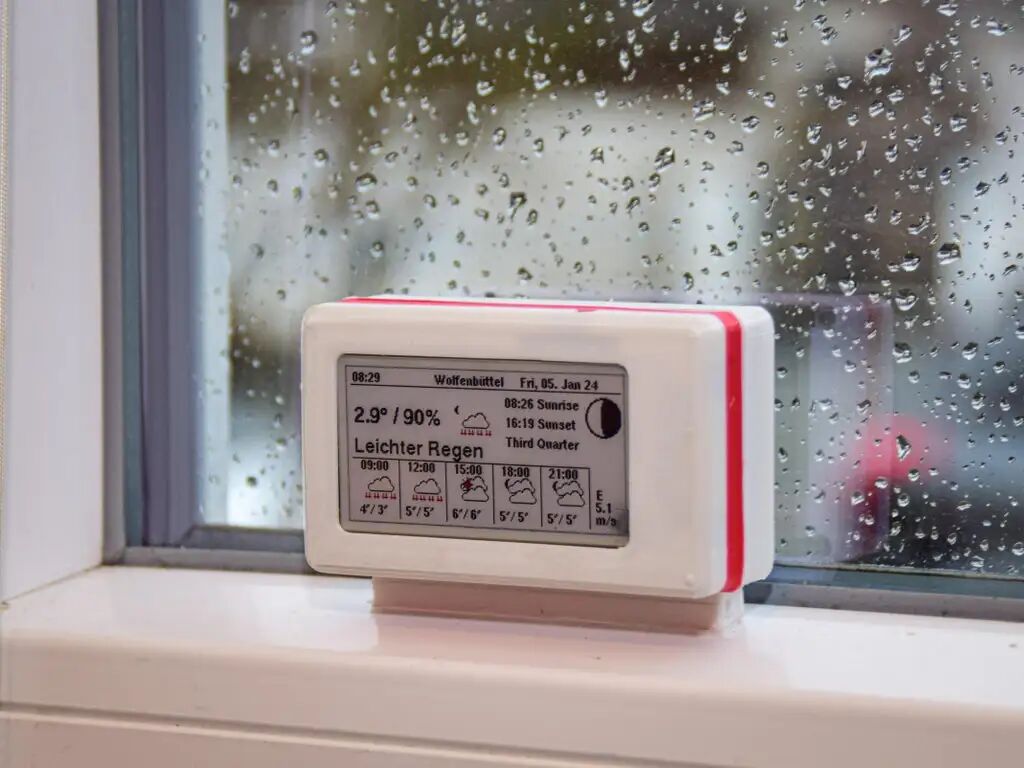
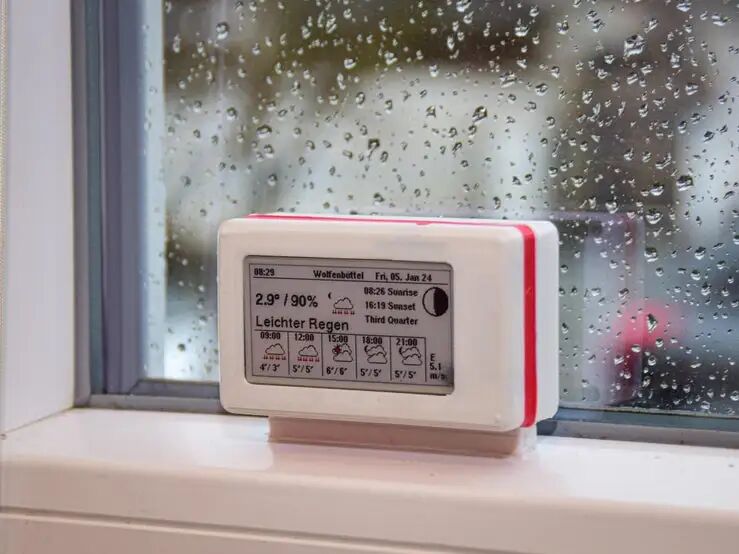
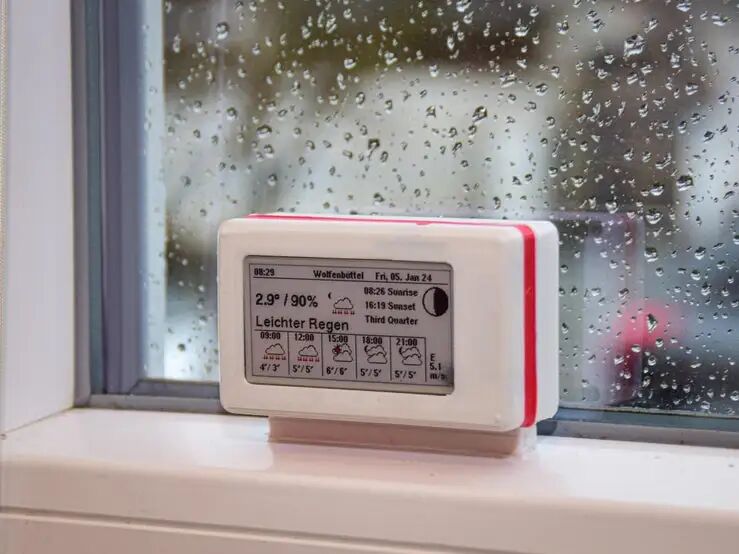
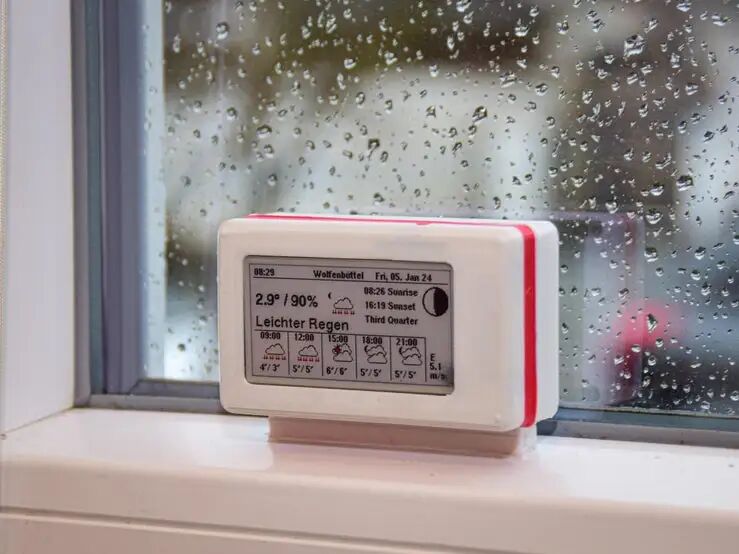
Want to create anall-weather, completely wireless, almost “zero standby power” weather board? This project has paved the way: ESP32-S3 + tri-color E-Ink display + solar energy harvesting + hardware timed power on. The target form is to be attached by the window, charging the battery with sunlight during the day, periodically connecting to the internet to fetch the weather, refreshing the E-Ink display, and then completely cutting off power, quietly waiting for the next wake-up cycle.
Project Highlights
-
True Low Power: Using TPL5110 as a “hardware timed power switch”, after refreshing, the MCU pulls the DONE pin to cut off power, with standby leakage close to zero; not relying solely on deep sleep.
-
Ready to Use by the Window: Small-sized monocrystalline silicon solar panel + energy management, can charge even under indoor diffuse reflection.
-
“Power Off Retention” Naturally Adapted: The E-Ink display retains the image naturally without power after refreshing.
-
Clear Firmware Source: Based on mature weather station code adaptation, just fill in the OpenWeatherMap credentials to run.
Working Principle (Power & Wake Strategy)
-
Energy Harvesting and Storage: Solar panel → energy management (e.g., SPV1050) → LiPo charging.
-
Timed Power On: TPL5110 periodically closes the power, powering the entire system; ESP32-S3 quickly connects to fetch data.
-
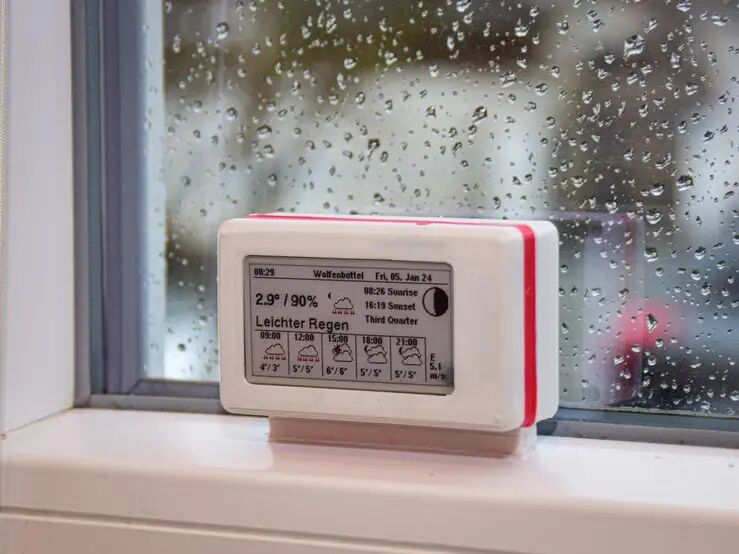
One-time Task: Render current weather/forecast, temperature feel, humidity, wind speed, etc., to the 2.13″ tri-color E-Ink display.
-
Task Immediately Power Off: MCU pulls DONE → TPL5110 cuts off power → enters “hard power-off standby”.
Key Measurement: The power surge on Wi-Fi can be significant; adding a 1000 µF electrolytic capacitor at the battery end can significantly improve the “power-off bounce” issue caused by transient voltage drops.
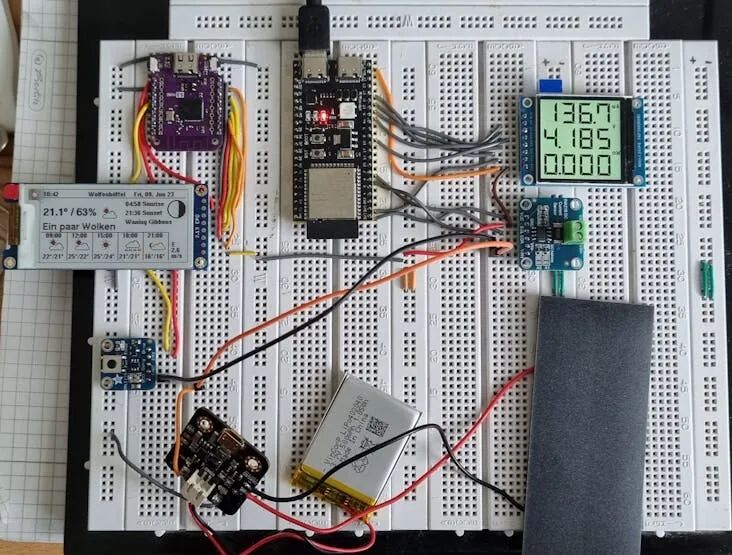
Main Hardware
-
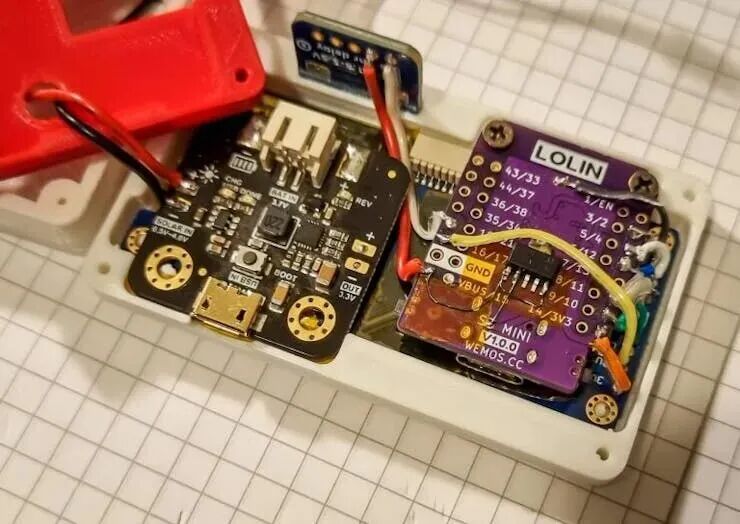
ESP32-S3 Mini (Main Control)
-
2.13″ Tri-color E-Ink Display (SSD1680 Series)
-
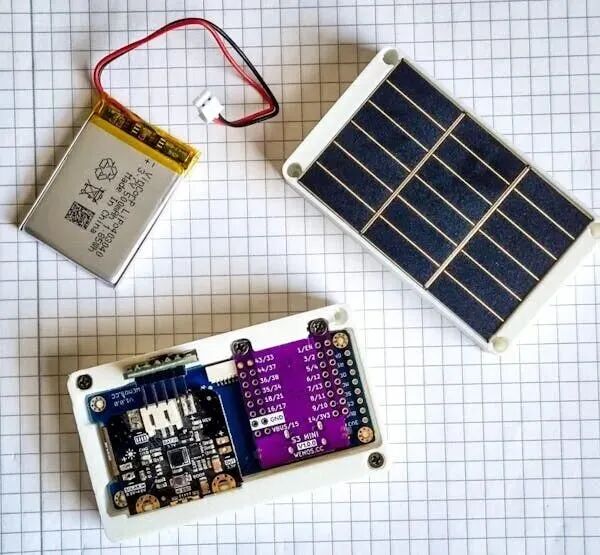
Three Small Monocrystalline Silicon Solar Cells
-
SPV1050 (Solar Energy Harvesting/Charging Management)
-
TPL5110 (Ultra-low Power Hardware Timer/Power Switch)
-
3.7 V 500 mAh LiPo Battery
-
TPS73733 Low Dropout LDO (Replacement for Onboard LDO)
-
1000 µF/10 V Electrolytic Capacitor
-
Three-part 3D Printed Enclosure
Low Power “Surgery”
-
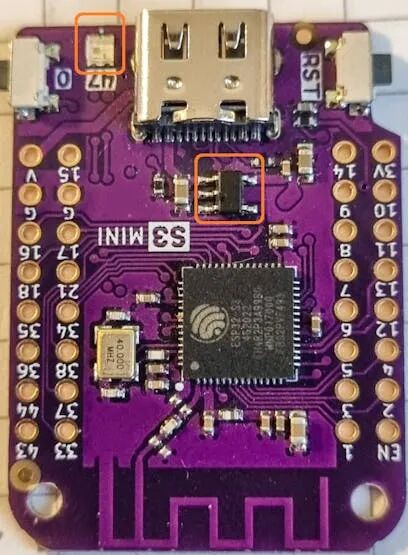
Remove Onboard RGB LED: Eliminate constant lighting/leakage.
-
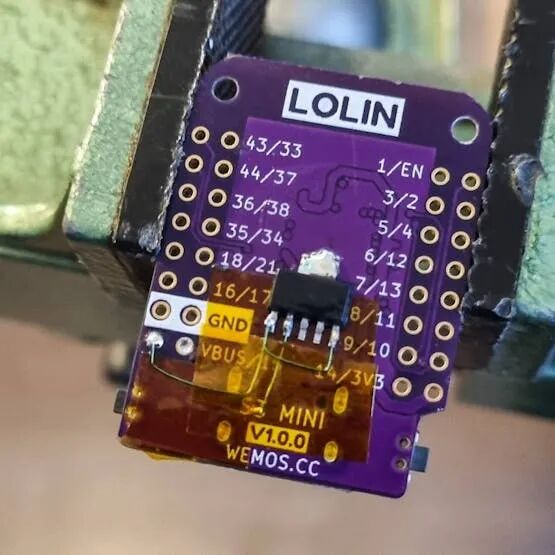
Replace Onboard LDO → TPS73733: Reduce voltage drop and static current, expanding the usable energy range.
-
Thicken Power Supply Traces: Thicker VBUS/+3V3 traces improve power-on transient stability.
Connections and Assembly
-
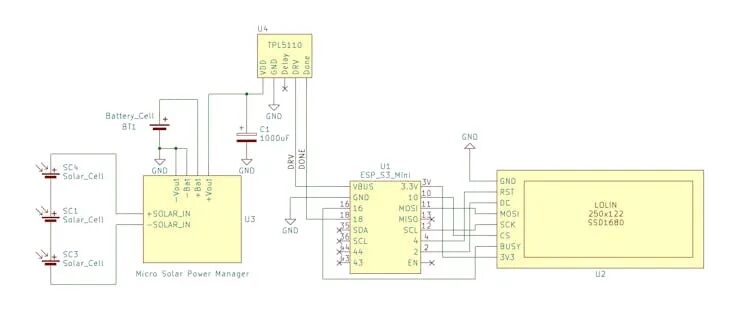
Power Link: Solar panel → SPV1050 → Battery → TPL5110 → (System Power) → ESP32-S3 & E-Ink Display.
-
DONE/DRIVE: MCU notifies TPL5110 to cut off power via DONE; power is restored by DRIVE when the timer reaches.
-
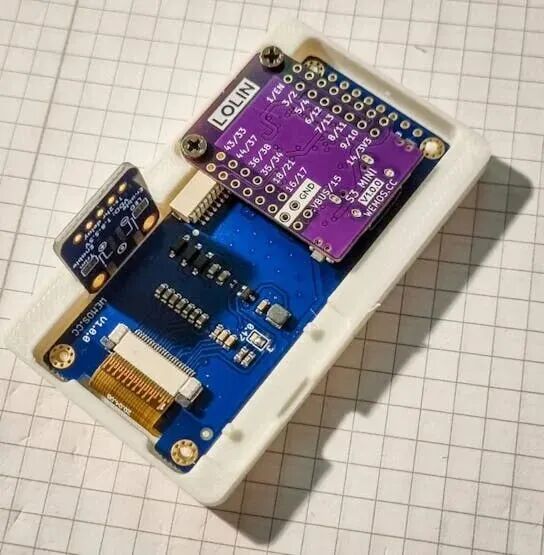
Enclosure and Wiring: Print the enclosure first for “wire length fitting”, then cut wires/terminate (JST-XH recommended), reducing rework.
Firmware and Data
-
Data Source: OpenWeatherMap (API Key required).
-
Configuration Points: Fill in the API Key and city (or latitude and longitude) in the credentials header file, set the refresh cycle (to match local lighting).
-
UI Content: Current weather icon, temperature/feels-like temperature, humidity, wind speed, and a simplified forecast for the next few hours/days.
Open Source Code Repository: https://github.com/rsappia/Solar_E-Ink_Weather_Station
Engineer’s Pitfall Checklist
-
Don’t Rely Solely on Deep Sleep: μA level can still slowly drain the battery; hard power-off is key.
-
Impact Resistance: Use large capacitors to buffer the peak current during Wi-Fi power-up; evaluate MOSFET SOA if necessary.
-
Indoor Light Expectations: Refresh frequency should be reduced under diffuse reflection; prioritize ensuring “must-refresh information” is complete.
-
Mechanical Details: Leave thermal expansion and contraction allowances for the screen frame and support columns to prevent long-term warping.
-
Time Reference: If the power-off cycle is too long, it is recommended to calibrate the time (NTP/local RTC) before refreshing after powering on.
Transforming “Ultra-Low Power” into Reusable Engineering Blocks
This is not just an assembly of “screen + microcontroller + battery”, but a transferable paradigm: Energy management → Timed power on → Task immediate power off → E-Ink retention. Once you run through it, you get a low-power block that can be directly transplanted to offline signage, entrance display screens, environmental dashboards. Next, make your version by adjusting the refresh rhythm, data layout, and PCB integration, allowing the sunlight by the window to continuously “power it”.
Note: The above content has been summarized and generated by AI. Feel free to click “Read the original text” to replicate it yourself.

Click to read the original text for more