This article is derived from:
Wei Qian, Gao Yuanyuan, Li Aixue. Electrochemical Immunosensor for in Situ Detection of Brassinolide[J]. Smart Agriculture, 2024, 6(1): 76-88.

Full text available on CNKI

Free full text available on the official website
Electrochemical Immunosensor for In Situ Detection of Brassinolide

Wei Qian1,2, Gao Yuanyuan1, Li Aixue1,2*
(1. College of Agricultural Engineering, Jiangsu University, Zhenjiang 212000, China; 2. Research Center for Intelligent Equipment Technology, Beijing Academy of Agriculture and Forestry Sciences, Beijing 100097, China)
1
Research Background
(1) Importance and detection demand of brassinolide: Brassinolide is a traditional plant hormone widely present in plants, playing a key role in processes such as plant differentiation, disease resistance, root growth, stress response, and aging. Its concentration in plants is usually very low (0.01 – 100 ng/g FW), thus requiring sensitive and accurate detection methods.
(2) Limitations of traditional detection methods: Traditional detection techniques such as bioassays, chromatography, immunoassays, and liquid chromatography-mass spectrometry are all performed in vitro, facing issues such as expensive equipment, complex pretreatment, high requirements for operators, or long operation times.
(3) Advantages and application potential of electrochemical sensors: Electrochemical sensors are simple to operate, respond quickly, are cost-effective, and have high detection sensitivity. Electrochemical immunosensors combine the high selectivity of antibodies with the high sensitivity of electrochemical sensors, making them promising for in situ detection of biomolecules. However, there have been no reports on their use for brassinolide detection.
(4) Characteristics and application status of two-dimensional material Mxene: Two-dimensional material Mxene has unique metallic conductivity, high specific surface area, and numerous functional groups, widely applied in various fields. However, the van der Waals forces between adjacent layers lead to tight stacking of sheets, limiting practical applications. Researchers are exploring the use of different nanomaterials as additives to improve its performance, such as polydopamine (PDA) formed by the polymerization of dopamine (DA), which can be used to modify Mxene, but its potential application characteristics in biosensor construction need further exploration.
2
Materials and Methods
(1) Reagents and materials: Monoclonal antibodies for brassinolide, standards, and other reagents were purchased, and brassinolide was diluted with phosphate-buffered saline (PBS).
(2) Instruments and equipment: Field emission scanning electron microscope (FESEM), X-ray photoelectron spectroscopy (XPS), and electrochemical workstation were used for analysis and characterization.
(3) Synthesis of CuCl₂ nanowires and Mxene@PDA: CuCl₂ nanowires and Mxene@PDA nanocomposites were synthesized according to existing methods.
(4) Construction of electrochemical immunosensor: The immunosensor was prepared through multiple modifications, including electrodeposition of gold nanoparticles (AuNPs) on screen-printed electrodes (SPE), drop-casting CuCl₂ nanowires, coating with Mxene@PDA suspension, incubating with brassinolide monoclonal antibodies, and blocking non-specific binding sites.
(5) Measurement procedure: Electrochemical impedance spectroscopy (EIS) was used to study the sensor modification process, and differential pulse voltammetry (DPV) was used to evaluate performance, detecting different concentrations of brassinolide standard solutions using PBS as the electrolyte.
(6) Preparation of planting materials: The experimental material was the wheat variety Cangmai 6005. After seed disinfection, soaking, and germination, the seeds were transplanted into Hoagland solution, grouped for treatment, and in situ testing was conducted. The prepared sensor was fixed in the detection area of the wheat leaf, allowing the leaf sap to flow out and contact the working electrode for DPV testing.
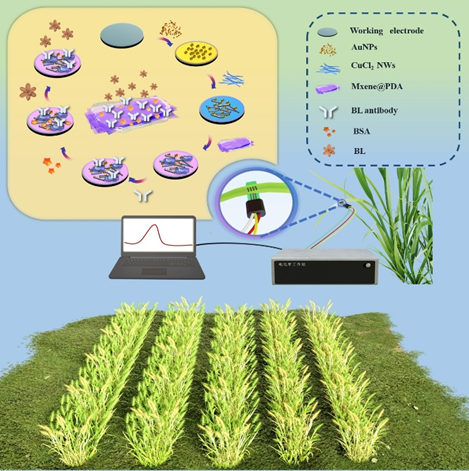
Fig. 1 Schematic illustration of the fabrication process of the electrochemical immunosensor for brassinolide
3
Results and Discussion
(1) Characterization of the immunosensor: Scanning electron microscopy (SEM) showed changes in the electrode surface after each modification step, and energy-dispersive spectroscopy (EDS) confirmed the presence of modified elements. XPS analysis indicated that PDA was successfully introduced to Mxene and that the two were connected by chemical bonds, confirming the successful construction of the immunosensor.
(2) Feasibility of detecting brassinolide: EIS and DPV results indicated that the sensor was successfully prepared and could recognize brassinolide. Each modification step had corresponding effects on the charge transfer resistance (Rct) and oxidation peak current, and the difference in Cu²⁺ peak current (ΔI) before and after brassinolide binding was related to the concentration of brassinolide.
(3) Optimization of the immunosensor: The optimal conditions for preparing the sensor were optimized, such as HAuCl₄ concentration of 0.6 mg/mL, CuCl₂ nanowire concentration of 2 mg/mL, Mxene to DA ratio of 4:50 (Mxene at 0.4 mg/mL), and antibody concentration of 0.08 mg/mL.
(4) Performance of the immunosensor: The sensor detected brassinolide concentrations ranging from 0.1 pg/mL to 1 mg/mL, with a detection limit of 0.015 pg/mL. It exhibited a good linear relationship, the widest detection range, and the lowest detection limit compared to other detection methods, with good selectivity against various interfering substances, as well as good reproducibility and stability.
(5) Detection of brassinolide in actual samples: The sensor was used to measure brassinolide in wheat sap, showing high recovery rates, indicating its applicability for actual sample detection. In situ detection on salt-treated wheat leaf samples revealed that the brassinolide content in the salt stress group was about twice that of the control group, consistent with previous studies on brassinolide accumulation in plants under salt stress, proving the accuracy and reliability of the immunosensor detection results.
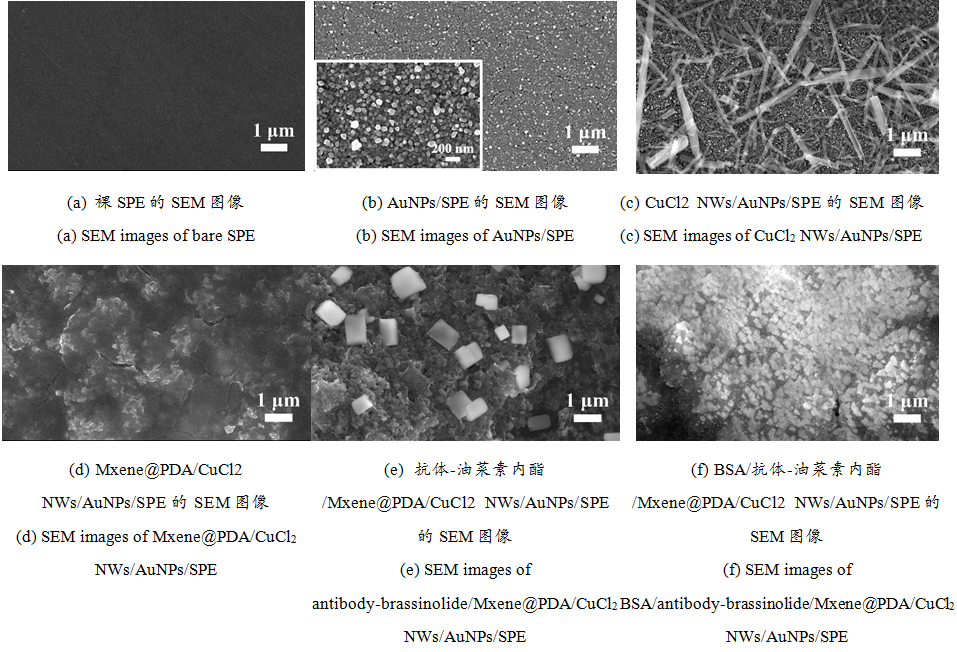
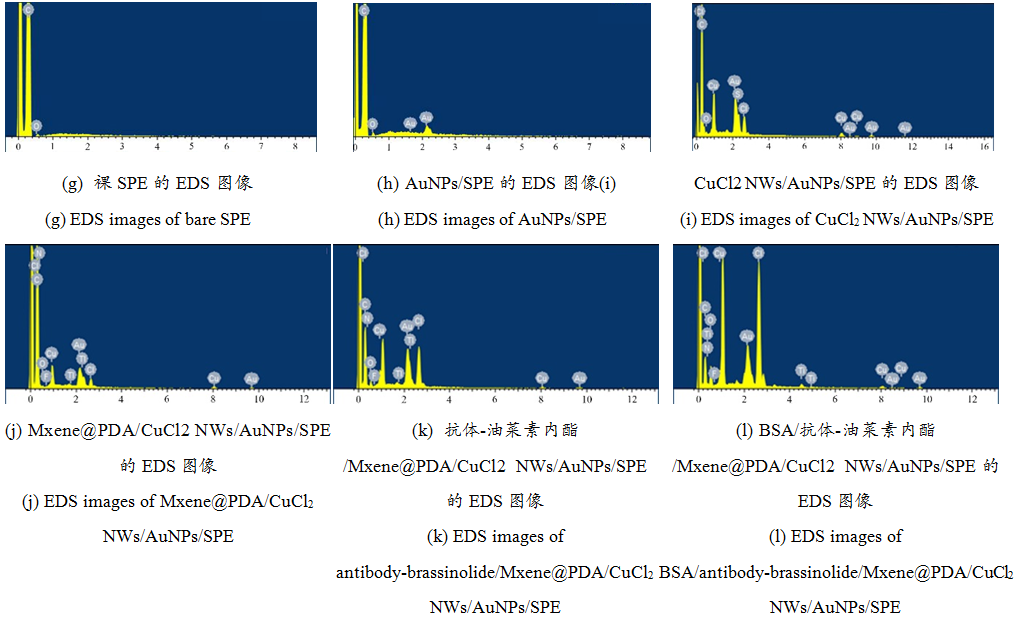
Fig. 2 SEM and EDS images of the immunosensor
Fig. 3 High-resolution XPS spectra of Mxene@PDA showing the chemical composition and bonding structures
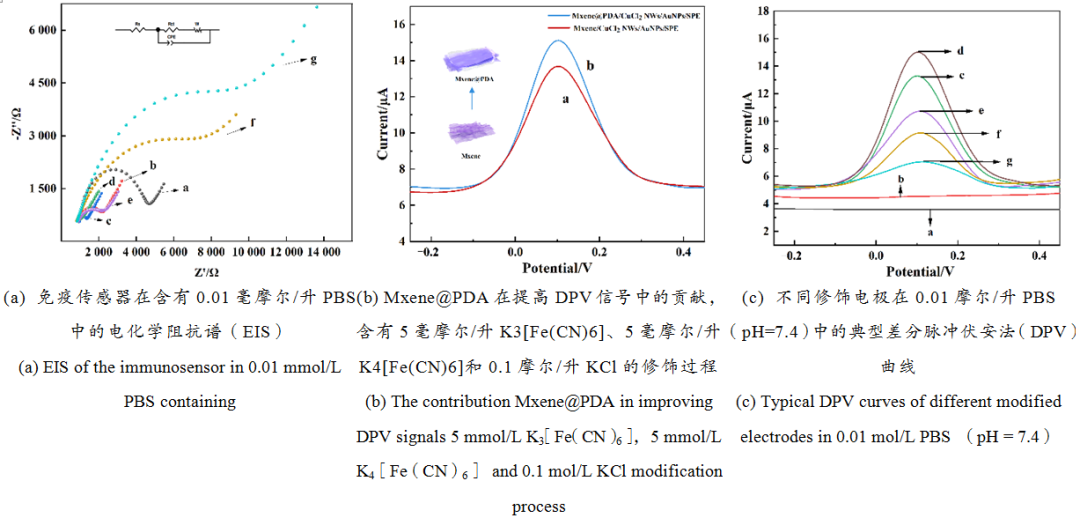
Fig. 4 Characterization experiments results of the sensor
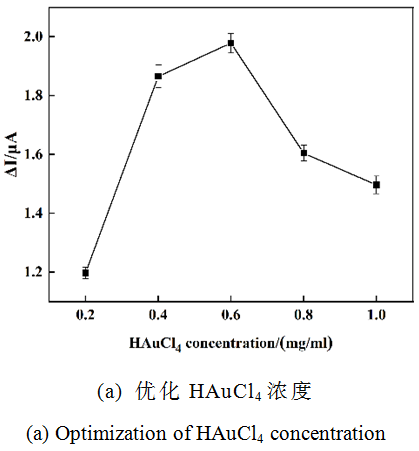
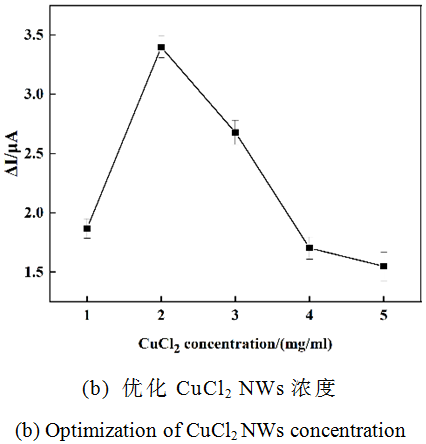
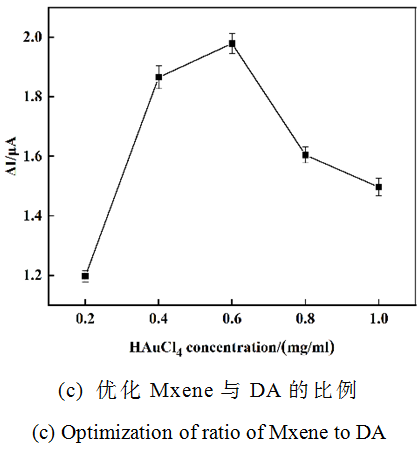
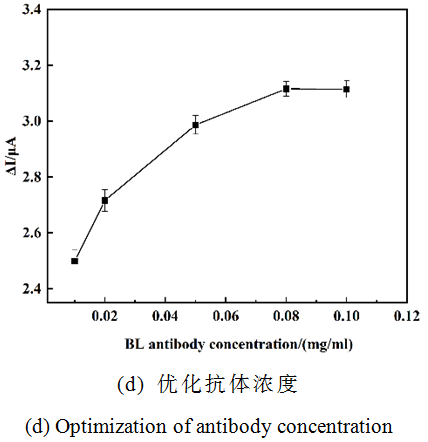
Fig. 5 Optimization of preparation conditions of brassinolide immunosensor (Error bar=SD; n=3)
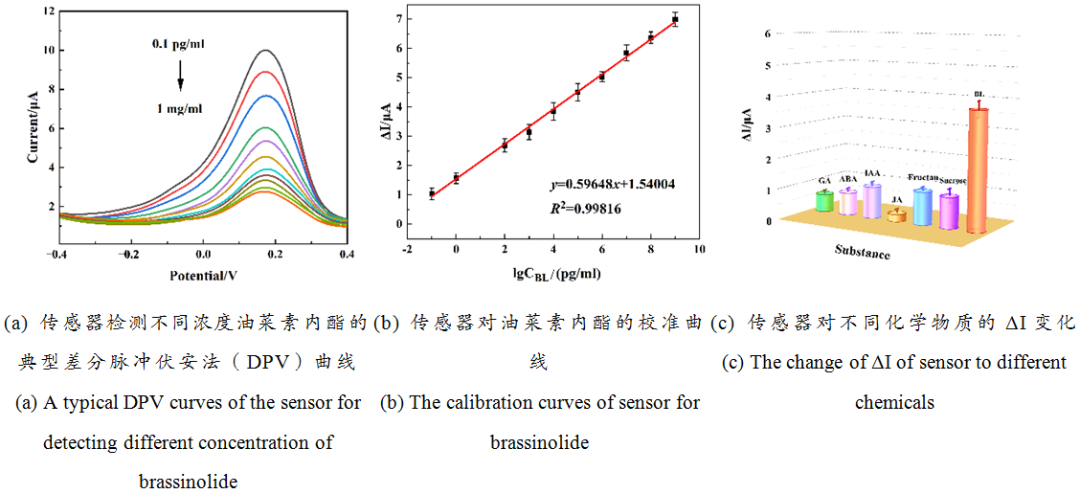
Fig. 6 Performance testing of immunosensors
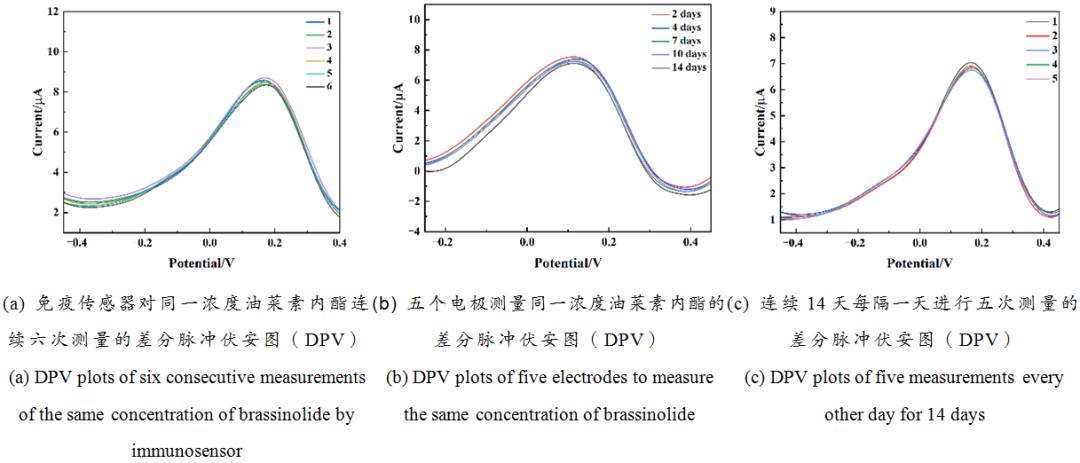
Fig. 7 Stability testing of immunosensors
4
Research Conclusion
This study proposes a preparation method for an electrochemical sensor that overcomes the limitations of traditional detection methods, enabling in situ detection of small molecules in plants with minimal damage to the plants.

Recommended Reading
[Full text] ReluformerN: A Lightweight High-Low Frequency Enhanced Hyperspectral Agricultural Object Classification Method
[Full text] Automatic Detection Method for Cow Lameness from a Bird’s Eye View Based on Spatiotemporal Flow Feature Fusion
[Full text] Method for Dense Seedling Detection and Counting Based on Drone Images and Improved LSC-CNN Model
[Full text] Agricultural Knowledge Recommendation Model Integrating Time Awareness and Enhanced Filtering
WeChat Communication Service Group for Smart Agriculture
To facilitate academic communication among readers, authors, and reviewers in the field of agricultural science, promote the development of smart agriculture, and better serve readers, authors, and reviewers, the editorial office has established a WeChat communication service group. Questions related to professional fields and submission can be discussed in the group.How to join:Add the editor’s WeChat17346525780,Note:Name, Institution, Research Direction, the editor will add you to the group. Marketing personnel, please do not disturb.
Call for Contributions

Welcome to publish information about research team introductions, innovative research results, and related activities on our public account.