
DOI:10.1039/d3cs00776f
01
Overview
Alumina materials are an important component of modern chemical industry. Catalysts supported on alumina with palladium not only exhibit excellent catalytic activity but also allow for flexible control of surface metal and acidic sites, while also possessing good regeneration performance. These characteristics make them widely used in traditional chemical fields. This article reviews the applications and latest developments of alumina and its palladium-based catalysts in modern chemical industry, delving into the morphology control, synthesis strategies, structural characteristics of alumina, as well as the preparation methods of Pd/Al2O3 catalysts and metal-support interactions (MSIs). The article analyzes in detail the impact of different morphologies of alumina on its thermal stability and surface properties, and discusses its application prospects in fine chemical synthesis, environmental pollutant removal, methane combustion, CO oxidation, VOCs elimination, biomass resource conversion, and hydrogen production. It also points out the challenges in current research, such as microstructural control and industrial production costs, and proposes future research directions, including the design of new catalysts, innovation in synthesis methods, and in-depth understanding of catalytic mechanisms.
02
Background Introduction
Alumina is regarded as the cornerstone of modern chemical industry due to its excellent mechanical strength and structural stability, especially suitable as a catalyst support. Its porosity, high specific surface area, and specific acid-base properties make it exhibit excellent performance in catalytic reactions, making it one of the most important catalyst support materials in refining and chemical fields. Palladium catalysts supported on alumina demonstrate excellent selectivity and outstanding catalytic performance due to their flexibly adjustable surface metal/acidic sites and good regeneration ability, widely applied not only in traditional chemical fields such as petroleum refining and chemical synthesis but also making contributions in emerging fields like fine chemicals and environmental protection.
In recent years, research on alumina and Pd-based catalysts has progressed rapidly, with developments in morphology control, synthesis strategies, morphology transformation mechanisms, and structural properties, mentioning the preparation methods of Pd/Al2O3 catalysts. This article comprehensively discusses the preparation methods and morphology control strategies of alumina materials from multiple perspectives, analyzing the impact of microstructural changes on their physicochemical properties. It specifically summarizes the synthesis methods of palladium-supported alumina catalysts and studies the interactions between metals and supports. The article also explores in detail the applications of these catalysts in important industrial processes such as hydrogenation, oxidation, and dehydrogenation. Additionally, it looks forward to the challenges and opportunities that the field will face in the future.
03
Introduction to Alumina Supports
3.1 Introduction to Alumina
Alumina is an amphoteric oxide with the chemical formula Al2O3, exhibiting significant polymorphism. Its different forms can be distinguished by structure and texture. The phase transformation directions at different temperatures from Al(OH)3 or AlOOH precursors are indicated in Figure 1, which are stable under environmental conditions and are named according to Greek letters, such as χ-Al2O3, κ-Al2O3, ρ-Al2O3, etc. At the same time, it emphasizes the crystal structure of alumina, including hexagonal close-packed (hcp) and face-centered cubic (fcc) oxygen lattice points, as well as the differences in Al coordination among different Al2O3 polymorphs. Furthermore, it discusses how the characteristics of alumina precursors affect the final product’s morphology and catalytic performance, highlighting the challenges of precisely controlling alumina morphology during synthesis and its practical significance in industrial applications.
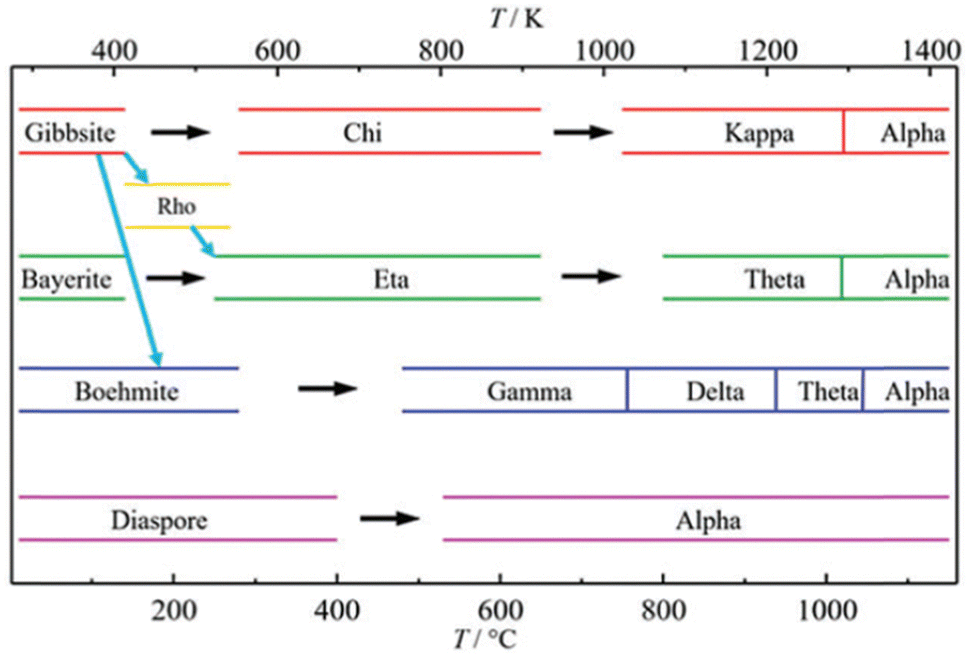
Fig.1 Schematic representation of the thermal evolution (indicated by black arrows) of transition alumina phases from the hydroxide and oxyhydroxide precursors, namely gibbsite, boehmite, bayerite, and diaspore in the presence of air. The nonthermal transformations are shown with blue arrows.
3.2 Classification of Alumina
For the synthesis of different structural alumina, the article summarizes in detail the latest synthesis strategies for zero-dimensional (0-D), one-dimensional (1-D), two-dimensional (2-D), and three-dimensional (3-D) alumina.
(1) Zero-dimensional: Nanoparticles of alumina confined in all three dimensions, also known as quasi-0-D systems, serve as fundamental units for constructing other nanostructures, exhibiting quantum size confinement effects; mainly synthesized using hydrothermal, sol-gel, and precipitation methods. For example, quasi-zero-dimensional γ-AlOOH and γ-Al2O3 nanocrystalline materials are synthesized using strong alkali as a precipitant. Zero-dimensional alumina is primarily used as additives and raw materials for ceramic manufacturing. As an additive, it can enhance the combustion performance of fuels, improve the surface properties or hardness of metals, or be used to manufacture nanocomposites.
(2) One-dimensional: One-dimensional alumina is confined in two dimensions, while the third dimension is extended, forming anisotropic nanomaterials; typically synthesized using hydrothermal treatment to obtain alumina with specific crystal morphologies by adjusting processing parameters to control morphology. This includes wires, rods, tubes, fibers, whiskers, and filaments, whose morphologies are controlled by crystallization habits, environment, and conditions during the growth process. He et al. synthesized alumina nanorods using sol-gel and hydrothermal methods. Four factors affecting the growth of alumina nanorods were studied: hydrothermal temperature and time, acetic acid concentration, alcohol concentration, and stirring mode. One-dimensional alumina, due to its larger crystal size and unique morphology, is often used in catalytic applications.
(3) Two-dimensional: Two-dimensional alumina is confined in only one dimension, forming plate-like structures with nanoscale thickness. Under hydrothermal conditions without adding structural directing agents or pH regulators, alumina crystals tend to grow into plate-like structures, which is the most common type and can be controlled in size and morphology of plate-like particles by adjusting synthesis conditions (such as pH, temperature, cation concentration, time). For example, Figure 4A shows the influence of different cation concentrations and types on the morphology of alumina, leading to the formation of rhombic, hexagonal, and elliptical boehmite morphologies by precipitating in alkaline solutions at different concentrations or precipitating in K+, Na+, Li+, and Ba2+ alkaline solutions. Figure 4B further illustrates the impact of cations on the morphological changes of alumina in an alkaline environment. It may demonstrate the morphological evolution mechanism of alumina under different pH values and cation conditions, illustrating how cations influence the crystal face growth of alumina by adsorbing on specific crystal faces, thereby altering its morphology.

Fig. 4 (A) Influence of cation concentration and type on the morphology of boehmite. Conditions: 2 hours reaction, 180 °C, and 100 g L−1 gibbsite seed. (B) Diagram showing the impact of cations on the alteration of boehmite morphology in an alkaline environment.
(4) Three-dimensional: Three-dimensional alumina is not confined in any dimension, typically forming structures on a micron scale, such as flower-like, curtain-like, and other hierarchical structures as shown in the figure below. 3-D alumina structures are usually formed by the reconstruction of two-dimensional plate-like or one-dimensional fibrous structures, possessing high specific surface area and porous structure. Wen et al. successfully prepared hierarchical flower-like alumina microspheres composed of nanosheets using pure aluminum foil as the aluminum source through a template-free, surfactant-free hydrothermal method; Wen et al. successfully prepared hierarchical flower-like alumina microspheres composed of nanosheets using pure aluminum foil as the aluminum source through a template-free, surfactant-free hydrothermal method.
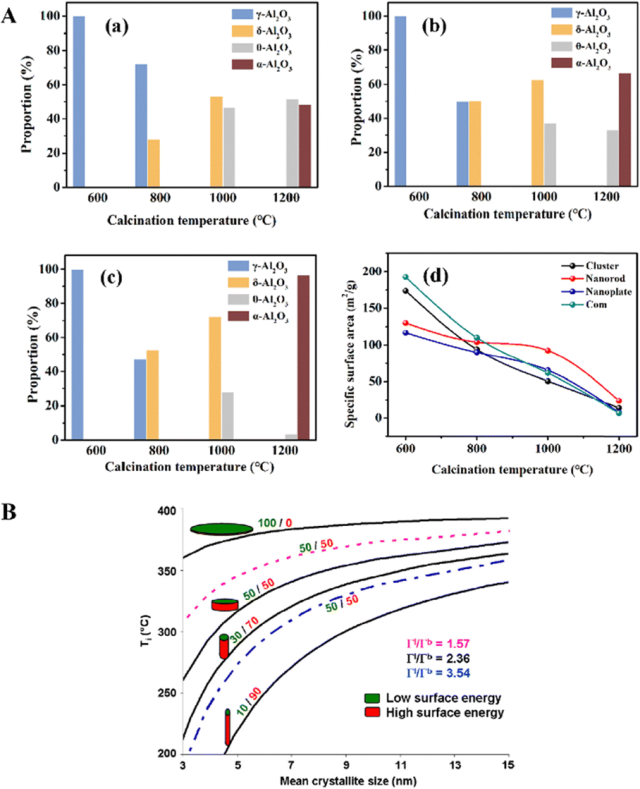
Fig. 6 SEM representative images of three-dimensional (3-D) alumina particles with different hierarchical structures (A)–(F) and (G)–(I).
3.3 Mechanism of Morphological Evolution of Alumina
In discussing the mechanism of morphological evolution of alumina, the article delves into the inherent laws of morphological changes during the synthesis process and their influencing factors. Specifically, the article first emphasizes the key role of pH in controlling the morphology of alumina, explaining how alumina particles exhibit morphological transitions from plate-like to rod-like or from needle-like to hexagonal plate-like under different pH conditions. For example, the article mentions that under strong acidic or strong alkaline conditions, the specific crystal face growth of boehmite (a form of alumina) is suppressed, leading to anisotropic development of morphology.
The article further discusses the impact of ion adsorption on the morphology of alumina, revealing how anions such as SO42-, Cl-1, etc., adsorbed on the surface of alumina alter its growth kinetics, thereby affecting the final particle morphology. Additionally, the article addresses the roles of surface energy and kinetic factors in the morphological development of alumina, such as the study by Jiao et al. which found that surface energy, surface hydroxyl concentration, and adsorption energy are key factors determining the final morphology of boehmite.
In specific examples, the article cites the research by Valero et al. on the formation mechanism of boehmite nanorods, illustrating in Figure 7A how bridging growth occurs through the (001) face under kinetic control to form nanorods. At the same time, the article also explores the influence of inorganic ions on the morphological changes of boehmite particles, which may be explained through the illustration in Figure 7B.
Furthermore, the article proposes a multi-step mechanism to describe the process of boehmite nanorods formation through hydrothermal treatment, including all stages from the formation of Al(OH)3 to the final formation of high aspect ratio nanorods. This mechanism involves not only chemical transformations but also particle nucleation, growth, and possible Ostwald ripening processes.
Through these detailed discussions and illustrative analyses, the article provides readers with a comprehensive understanding framework, showcasing the complexity of alumina morphological evolution and the possibilities of achieving morphology control through precise control of synthesis conditions. This in-depth understanding of mechanisms is crucial for designing alumina materials with specific catalytic properties.
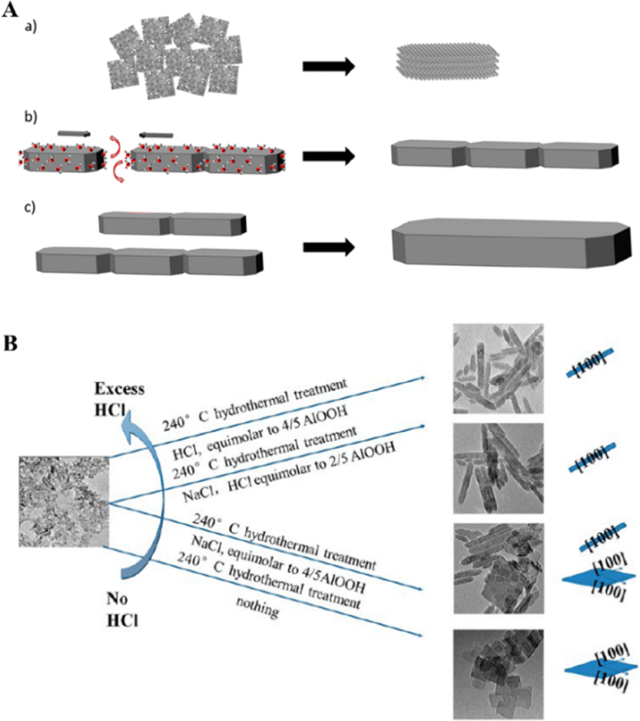
Fig. 7 (A) Proposed mechanism for boehmite nanorod formation under kinetic control by Valero et al. (B) Schematic illustration of particle morphology changes in boehmite induced by various inorganic ions.
3.4 Influence of Alumina Morphology on Phase Transformation
In catalytic processes, phase transformations can significantly affect the performance of catalysts or supports. The differences in alumina morphology can have certain impacts on phase transformations, thereby affecting its thermal stability, surface properties, and catalytic efficiency.
(1) Crystal phase transformation temperature: The morphology of alumina affects its phase transformation temperature during thermal treatment. Different morphologies of alumina exhibit different thermal stabilities and phase transformation behaviors during heating. For example, certain morphologies may begin to transform into a more stable α-Al2O3 phase at lower temperatures, while others may require higher temperatures.
(2) Specific surface area changes: The morphology of alumina affects the changes in specific surface area during phase transformations. The article mentions that different morphologies of γ-Al2O3 materials (such as clusters, nanorods, and nanoplatelets) exhibit significantly different changes in specific surface area at different temperatures. This may affect the activity and selectivity of the catalyst.
(3) Surface orientation: The morphology of alumina and the exposed crystal faces can influence its surface orientation, thereby affecting surface-dependent properties during phase transformations. For example, certain crystal faces may be more stable, thus more likely to be retained during phase transformations, while others may be more prone to disappearance at high temperatures.
(4) Morphology-dependent phase transformations: The article points out that the phase transformations of alumina are morphology-dependent. This means that different alumina morphologies may form different transitional alumina during phase transformations. For instance, needle-like samples may exhibit θ-Al2O3 structure at high temperatures, while plate-like nanoparticles may show δ-Al2O3 structure.
(5) Thermal stability: The morphology of alumina affects its thermal stability. The article mentions that fibrous samples with a higher aspect ratio exhibit greater thermal stability of the θ-Al2O3 phase, while plate-like samples enhance the stability of low-temperature polycrystalline δ-Al2O3.
(6) Morphology’s impact on catalyst performance: The morphology of alumina not only affects its own phase transformations but also influences its performance as a catalyst support. For example, certain morphologies of alumina may be more conducive to the dispersion and reduction of the active metal phase, thereby enhancing the activity and selectivity of the catalyst.
(7) Morphology control: By controlling the morphology of alumina, its thermal stability and phase transformation behaviors in catalytic processes can be optimized. This can be achieved by adjusting synthesis conditions (such as pH, temperature, time, etc.).
At the same time, these influencing factors also interact with each other, as shown in Figure 10, where the article reveals the significant impact of alumina morphology on its phase transformation behaviors and thermal stability by displaying the phase composition ratios and specific surface area changes of different alumina samples at a series of calcination temperatures. These data not only intuitively reflect the phase transformation trends of various alumina morphologies at high temperatures but also reveal how surface orientation can regulate its phase transformation characteristics by affecting the surface energy and lattice parameters of alumina. Furthermore, the changes in specific surface area in the figures further emphasize the potential impact of alumina morphology on its catalytic performance, providing important structural-performance relationship insights for designing alumina materials for specific catalytic applications.
In summary, the morphology of alumina significantly influences its phase transformation processes, and this influence is reflected not only in physicochemical properties but also directly relates to its performance in catalytic applications. By deeply understanding these influencing mechanisms, better design and optimization of alumina-based catalysts can be achieved.
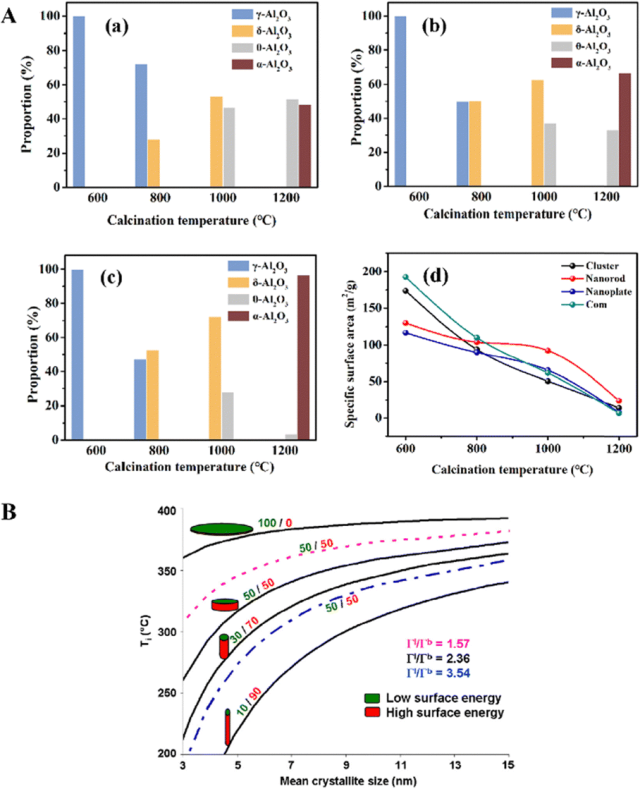
Fig. 10 Proportional phase composition of four Al2O3 specimens subjected to varied calcination temperatures. (a) Cluster, (b) nanorod, (c) nanoplate, and (d) alterations in the specific surface area of these Al2O3 samples as a function of calcination temperature. (B) The onset temperature for boehmite transformation into γ-alumina (Ti) in relation to crystallite dimension and morphology. 3.5 Influence of Alumina Morphology on Surface Properties
The morphology of alumina significantly affects its surface properties in the following aspects:
(1) Distribution of active surface sites: The morphology of alumina determines the types and distribution of its active surface sites (such as acidic and basic sites). Different morphologies of alumina expose different crystal faces, and the number and accessibility of active sites on these crystal faces may vary, thereby affecting its catalytic performance.
(2) Structure of surface hydroxyl groups: The structure and chemical state of hydroxyl groups on the surface of alumina are crucial for catalytic reactions. Different morphologies of alumina may have different arrangements of hydroxyl groups and hydrogen bond networks, which can affect its surface acidity and hydrophilicity.
(3) Surface energy and surface tension: The morphology of alumina influences its surface energy distribution, thereby affecting surface tension. Regions with lower surface energy may be more stable, while higher surface energy may promote adsorption and catalytic reactions.
(4) Surface acidity and basicity: The surface acidity and basicity of alumina are closely related to its morphology. For example, hydroxyl groups on the (100) face interact through hydrogen bond networks, reducing interactions with liquid water; while hydroxyl groups on the (110) face exhibit different hydrogen bond networks and water interaction patterns.
(5) Surface coordination states: The morphology of alumina affects the coordination states of aluminum atoms on its surface. For instance, five-coordinate aluminum sites may be more common on the surfaces of certain morphologies of alumina, and these sites may play a key role in catalytic reactions.
(6) Surface adsorption characteristics: The morphology of alumina influences its ability to adsorb reactants and intermediates. Specific morphologies of alumina may be more favorable for the adsorption of certain molecules, thereby affecting the selectivity and activity of catalytic reactions.
(7) Stability of surface structure: Under high temperature or catalytic reaction conditions, the morphology of alumina may affect the stability of its surface structure. Certain morphologies may be more prone to structural changes under reaction conditions, thereby affecting the long-term stability of the catalyst.
(8) Interaction between surface and active metals: The morphology of alumina may influence its interaction with supported active metals (such as Pd). This metal-support interaction (MSI) is crucial for the performance of the catalyst.
(9) Surface reconstruction: During catalytic reactions, the surface of alumina may undergo reconstruction, altering its original morphology, which may affect the performance of the catalyst.
By controlling the morphology of alumina, its surface properties can be effectively adjusted, thereby optimizing its performance in catalytic reactions. A deep understanding of the influence of morphology on surface properties aids in the design and preparation of more efficient alumina-based catalysts.
04
Synthesis and Applications of Palladium-Supported Catalysts
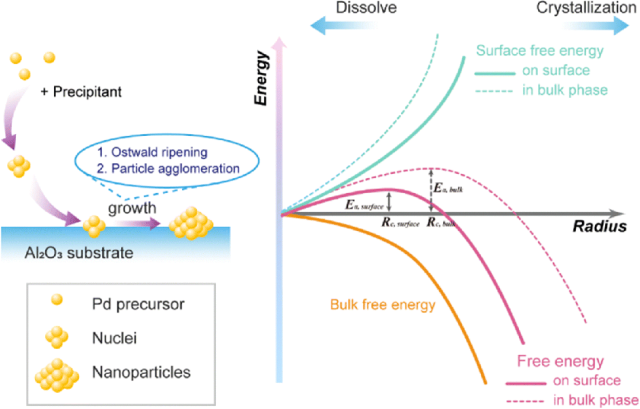
Supported metal catalysts (SMCs) are an important part of heterogeneous catalysts. Palladium-supported alumina catalysts have been widely applied in fine chemical synthesis, environmental protection, and sustainable development due to their excellent catalytic performance. Specific preparation methods significantly influence the activity, selectivity, and stability of SMCs, and specific metal-support interactions (MSIs), i.e., changes in metal structure, charge transfer, and molecular adsorption regulation, often endow SMCs with superior catalytic performance compared to pure metal nanoparticles.
4.1 Preparation Methods of Pd/Al2O3 Catalysts
The article mentions several different preparation methods for palladium (Pd) supported on alumina (Al2O3), each with its characteristics and advantages:
(1) Impregnation method:
§ Divided into dry impregnation (Dry Impregnation, DI) and wet impregnation (Wet Impregnation, WI).
§ Dry impregnation typically involves contacting a metal precursor solution with a solid support, keeping the material macroscopically dry.
§ Wet impregnation involves an excess of precursor solution, primarily relying on the adsorption of metal precursor ions on the support.
§ The impregnation method is simple to operate and suitable for industrial production, but may lack control over particle size and dispersion.
(2) Precipitation method:
§ Involves controlling the precipitation of metal precursor solutions by changing pH, temperature, or evaporation.
§ Divided into co-precipitation (Co-precipitation) and deposition precipitation (Deposition Precipitation, DP).
§ As shown in the figure, the DP co-precipitation method simultaneously precipitates the active species and the low solubility compounds of the support.
§ The deposition precipitation method forms low solubility Pd compounds on the existing Al2O3 support.
§ The precipitation method can overcome solubility limitations to achieve high concentrations of Pd loading.
(3) Atomic Layer Deposition (ALD):
§ Involves alternately introducing two gaseous chemical precursors onto a substrate to form the desired thin film material.
§ Capable of achieving highly dispersed and uniform loading, controlling particle sizes at sub-nanometer to nanometer levels.
§ Suitable for low-temperature operations and can cover complex surface structures.
(4) Flame Spray Pyrolysis (FSP):
§ A liquid-fed flame aerosol synthesis technique, synthesizing particles by continuously injecting precursors into a stable flame.
§ Can synthesize well-dispersed metal particles and special interfaces in one step.
(5) Other emerging methods:
§ Include using electric fields, microwaves, and thermal energy as additional energy sources and appropriate atmosphere control to promote directional interactions between Pd precursors and alumina.
§ Using (reverse) micelles or functional polymers to confine metal precursors within closed spaces, promoting the formation of SMCs with higher dispersibility.
Each method’s selection depends on the desired catalyst characteristics, industrial production requirements, and performance requirements of the final application. By optimizing preparation methods, precise control over the size, distribution, and morphology of Pd particles can be achieved, significantly enhancing the performance of the catalyst.
4.2 Metal-Support Interactions (MSIs)
MSIs refer to the interactions between active metals and supports, which can significantly affect the catalytic performance of the catalyst, as referenced in the article “Concepts of Metal-Support Interactions and Their Applications in Catalysis”. MSIs can lead to changes in the electronic and geometric structures of the catalyst. Theoretically, as shown in the figure, MSIs can be divided into weak metal-support interactions and strong metal-support interactions. In weak interactions, the electronic and geometric structures of the catalyst change little, and the support merely serves as a platform for the active metal. In strong interactions, strong electronic interactions at the interface, partially reduced supports, and changes in the active metal forms may be observed.
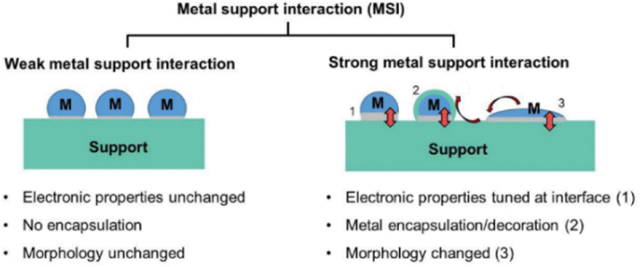
Fig. 18 Schematic diagram for the comparison between weak metal support interaction and strong metal–support interaction.
By altering the composition of the support (for example, by doping or surface modification to introduce heteroatoms) or using specific preparation techniques (such as atomic layer deposition), the strength of MSIs can be regulated, thereby optimizing the performance of the catalyst. Advanced characterization techniques (such as spherical aberration-corrected electron microscopy, X-ray absorption spectroscopy, infrared spectroscopy, nuclear magnetic resonance, etc.) are used to study MSIs, which help to gain a deeper understanding of the impact of MSIs on catalytic performance.
As shown in Figure 19, the impact of metal-support interactions on the morphology, structure, and catalytic performance of palladium-based catalysts supported on alumina is visually demonstrated, emphasizing the importance of optimizing catalyst performance through regulating MSIs. Figures 19A-C show the morphology of Pd nanoparticles of different sizes on alumina in different phases through transmission electron microscopy (TEM) images. These images reveal how Pd nanoparticles grow from smaller sizes to larger sizes and how their morphology changes with increasing size. On the other hand, it shows the changes in the step sites of Pd nanoparticles as the size increases. Step sites are a type of active site on the surface of Pd nanoparticles, playing an important role in catalytic processes. D-E show the distribution and chemical environment of Pd nanoparticles in Pd/SiO2 catalysts with alumina overlayers through high-angle annular dark field scanning transmission electron microscopy (HAADF-STEM) images and energy dispersive X-ray spectroscopy (EDS) mapping. These images and spectra reveal how MSIs enhance the sintering resistance of Pd nanoparticles and the stability of surface PdOx species by influencing the formation of Pd-O-Al bonds. Among them, Figure E shows the27Al multiple quantum MAS NMR spectrum of the Pd/Al2O3 catalyst after thermal treatment. These spectra provide detailed information about the strength of MSIs, showing evidence of strong interactions between Pd and the alumina support.
Despite the great potential of MSIs in enhancing catalyst performance, there are still challenges in practical applications, such as how to achieve strong MSIs while maintaining the dispersion of active metals, and how to achieve precise control of these interactions in industrial-scale production.
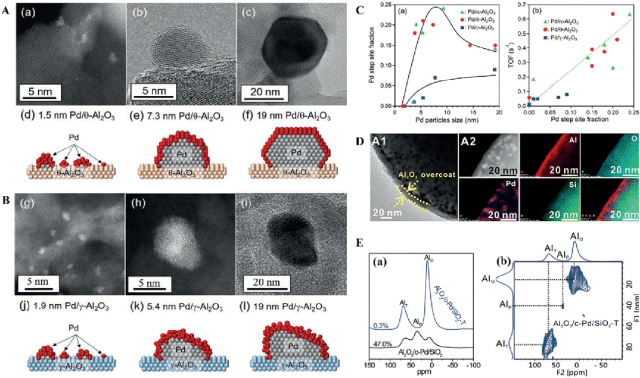
Fig. 19 (A) The Cs-S/TEM images and (B) structure schematic diagram of Pd/θ-Al2O3 (1.5 nm, 7.3 nm, and 19 nm) and Pd/γ- Al2O3 (1.9 nm, 5.4 nm, and 19 nm); (C) the relationship between Pd nanoparticle size and the fraction of Pd step sites (a), and the relationship between the fraction of Pd step sites and TOF for the methane combustion (b); reproduced from ref. 140 with permission from John Wiley and Sons, copyright 2017. (D) TEM image (A1), HAADF-STEM images (A2), and EDS-mapping of Al, O, Pd, and Si elements of Pd/SiO2 catalysts with alumina overlayers; (E).27Al MAS NMR spectra of the Al2O3overlayered Pd catalyst (Al2O3/c-Pd/SiO2) and the catalyst after thermal treatment (Al2O3/c-Pd/SiO2-T) (a), and the 27Al multiple quantum MAS NMR spectra (b) of the catalyst after thermal treatment.
05
Application Prospects
Fine chemical synthesis: The Pd/Al2O3 catalyst is applied in the field of fine chemical synthesis, particularly in selective hydrogenation reactions, such as the selective hydrogenation of alkynes and alkenes, as well as the production of hydrogen peroxide (H2O2) through hydrogenation reactions.
Removal of environmental pollutants: The Pd/Al2O3 catalyst is applied in environmental purification, including the selective conversion of nitrogen pollutants, such as the reduction of nitrogen oxides (NOx); and the hydrogenation reactions of organic chlorine pollutants.
Methane combustion: In the complete oxidation of natural gas, the Pd/ Al2O3 catalyst shows efficient activity, helping to reduce methane emissions and improve combustion efficiency.
Carbon monoxide (CO) oxidation: The Pd/Al2O3 catalyst is applied in CO oxidation reactions, which is an effective strategy for pollutant removal, especially in environments with closed and various residual gases.
Elimination of volatile organic compounds (VOCs): The Pd/Al2O3 catalyst is applied in the catalytic oxidation of VOCs, converting VOCs into CO2 and H2O, which is an environmentally friendly and economically feasible method.
Conversion of biomass resources: The Pd/ Al2O3 catalyst is applied in the conversion of biomass resources, such as converting lignocellulosic biomass into renewable chemicals and fuels.
Hydrogen (H2) production: The Pd/ Al2O3 catalyst is applied in the field of hydrogen production, particularly in dehydrogenation reactions, producing hydrogen while generating high-value-added products.
The article emphasizes the potential of Pd/Al2O3 catalysts in the aforementioned applications and discusses how to optimize their performance by regulating the morphology, structure, and metal-support interactions of the catalysts. It also points out the challenges that need to be overcome in practical applications, such as improving catalyst stability, reducing pollutant generation, and enhancing catalytic efficiency. Furthermore, it proposes future development directions, including the design of new catalysts, innovation in synthesis methods, and in-depth understanding of catalytic mechanisms.
06
Summary and Outlook
The article provides a comprehensive review of the research field of alumina materials and their supported Pd-based catalysts, offering insights into future development directions. It reviews the synthesis strategies, morphology control, structural characteristics of alumina materials, and their applications as catalyst supports. It particularly emphasizes the efficient performance of Pd/Al2O3 catalysts in various catalytic reactions, as well as methods to optimize catalytic performance through regulating morphology and metal-support interactions (MSIs). It points out the key issues that need to be addressed in the synthesis and application processes of alumina materials, including precise control of microstructures, cost-effectiveness of industrial production, and sensitivity to reaction conditions. It discusses how innovative synthesis methods and improvements to existing technologies can overcome these challenges, such as utilizing emerging technologies like atomic layer deposition (ALD) and flame spray pyrolysis (FSP) to achieve finer particle size control.
It proposes potential future research directions, including a deeper understanding of the surface chemistry of alumina, the development of new characterization techniques to explore the structure of active sites, and the design of new catalysts with superior performance. It envisions the potential of palladium-based catalysts supported on alumina in promoting the sustainable development of the chemical industry, especially in areas such as biomass conversion, pollutant removal, and renewable energy production. It encourages interdisciplinary collaboration, combining knowledge from chemistry, materials science, physics, and engineering to foster innovation in catalytic science and technology. Finally, the article mentions the application prospects of artificial intelligence and machine learning in the design and screening of catalytic materials, and how these technologies can help accelerate the discovery and optimization processes of catalysts.


Group Chat
Welcome to join the Nano Atomic Catalysis WeChat group
To meet the needs of colleagues in the field of nano catalysis, we have successively opened the Nano Atomic Catalysis expert scholar group chat, which currently gathers top experts, scholars, and technical personnel from domestic and foreign universities, research institutes, and corporate R&D centers.
To apply for group entry, please first add the review WeChat number18182086034(Mr. Wang)(or long press the QR code below), and please be sure to indicate: Name + Unit + Research Direction, otherwise it will not be accepted. After qualification review, you will be admitted to the relevant professional group.
 Apply to join the group and please be sure to indicate: Name + Unit, otherwise it will not be accepted, qualification will be reviewed before entering the relevant professional group.
QQ Group Chat

 Scan the QR code to follow us The road of scientific research is long but it will reach!