The research team led by Liu Yangbin from Peking University and Feng Xiaoming from Sichuan University optimized conditions using benzothiazole acetamide and trisubstituted allylic carbonates, successfully applying the “iridium/magnesium cooperative catalysis strategy” to the asymmetric allylic alkylation reaction of trisubstituted allylic electrophiles with non-cyclic nucleophiles (α-benzothiazole acetamide).
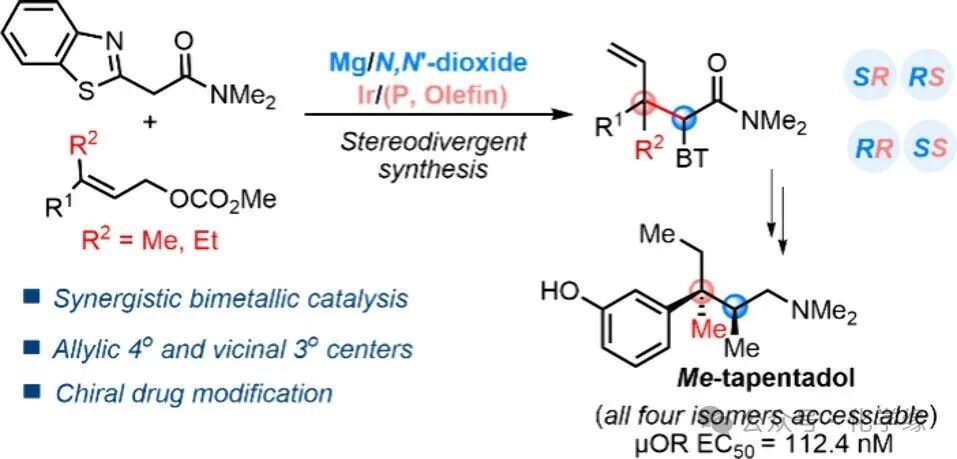
Abstract
The stereodivergent synthesis of structural motifs bearing vicinal stereocenters is crucial for a comprehensive evaluation of their physiological activities. Branched and enantioselective allylic alkylation using synergistic dual catalysis has emerged as a powerful strategy to access multiple molecular stereoisomers with precise control over absolute and relative configurations. Despite impressive progress in this field, the stereodivergent allylic alkylation employing trisubstituted allylic electrophiles to construct allylic quaternary stereocenters remains an unsolved challenge. Herein, we report a combination of iridium and magnesium catalysis for the stereodivergent allylic alkylation of α-benzothiazyl acetamide using challenging trisubstituted allylic carbonates. This stereodivergent process yields a range of all four stereoisomers of α-allylated acetamide products containing congested allylic quaternary and vicinal tertiary stereocenters in good yields with excellent diastereo- and enantioselectivities. The synthetic utility of this methodology is demonstrated through the preparation of key intermediates for several natural products. Notably, the stereodivergent synthesis of an analgesic drug derivative Me-tapentadol has been achieved, exhibiting significantly enhanced μ-opioid receptor agonistic activity compared to its parent compound.
The stereochemical configuration of organic compounds is closely related to their biological activity, with significant differences in therapeutic effects, toxicological characteristics, and metabolic pathways among different stereoisomers. The stereodivergent synthesis of all possible stereoisomers of lead compounds or specific natural products is essential for comprehensive chemical structure exploration and complete structure-activity relationship (SAR) assessment. Fully carbon-substituted quaternary stereocenters and their adjacent chiral carbon atom units are widely present in many natural products and bioactive molecules, such as quaternary-tertiary centers. Therefore, an effective strategy in drug design is to introduce quaternary stereocenters into lead compounds by increasing structural diversity and enhancing conformational constraints. However, the enantioselectivity and/or diastereoselectivity of these important structural motifs pose new synthetic challenges due to their sterically congested nature, requiring high levels of enantio- and diastereoselectivity control.
Iridium-catalyzed asymmetric allylic alkylation has proven to be a powerful method for constructing chiral carbon centers due to its unparalleled regioselectivity capabilities. While significant progress has been made in the enantioselective construction of tertiary stereocenters from substituted allylic electrophiles via iridium catalysis, similar transformations of trisubstituted substrates to access enriched enantiomers of all-carbon quaternary stereocenters remain a daunting challenge. This limitation arises from steric hindrance and electronic disfavor: (1) the increased steric hindrance of trisubstituted alkenes hinders iridium coordination (ΔG = 12.3 vs 2.2 kcal/mol); (2) the transition state of the oxidative addition step exhibits significantly higher energy (ΔG≠ = 32.4 vs 21.0 kcal/mol); (3) the steric hindrance of the electrophilic center obstructs the occurrence of nucleophilic substitution.
Compared to traditional single-catalyst systems, dual catalysis achieves programmable assembly of enzyme-like chiral microenvironments through the synergistic combination of two complementary chiral catalysts. This unique approach opens new possibilities for simultaneously activating nucleophilic and electrophilic reactions, potentially facilitating the stereodivergent construction of allylic quaternary stereocenters with excellent catalytic efficiency.
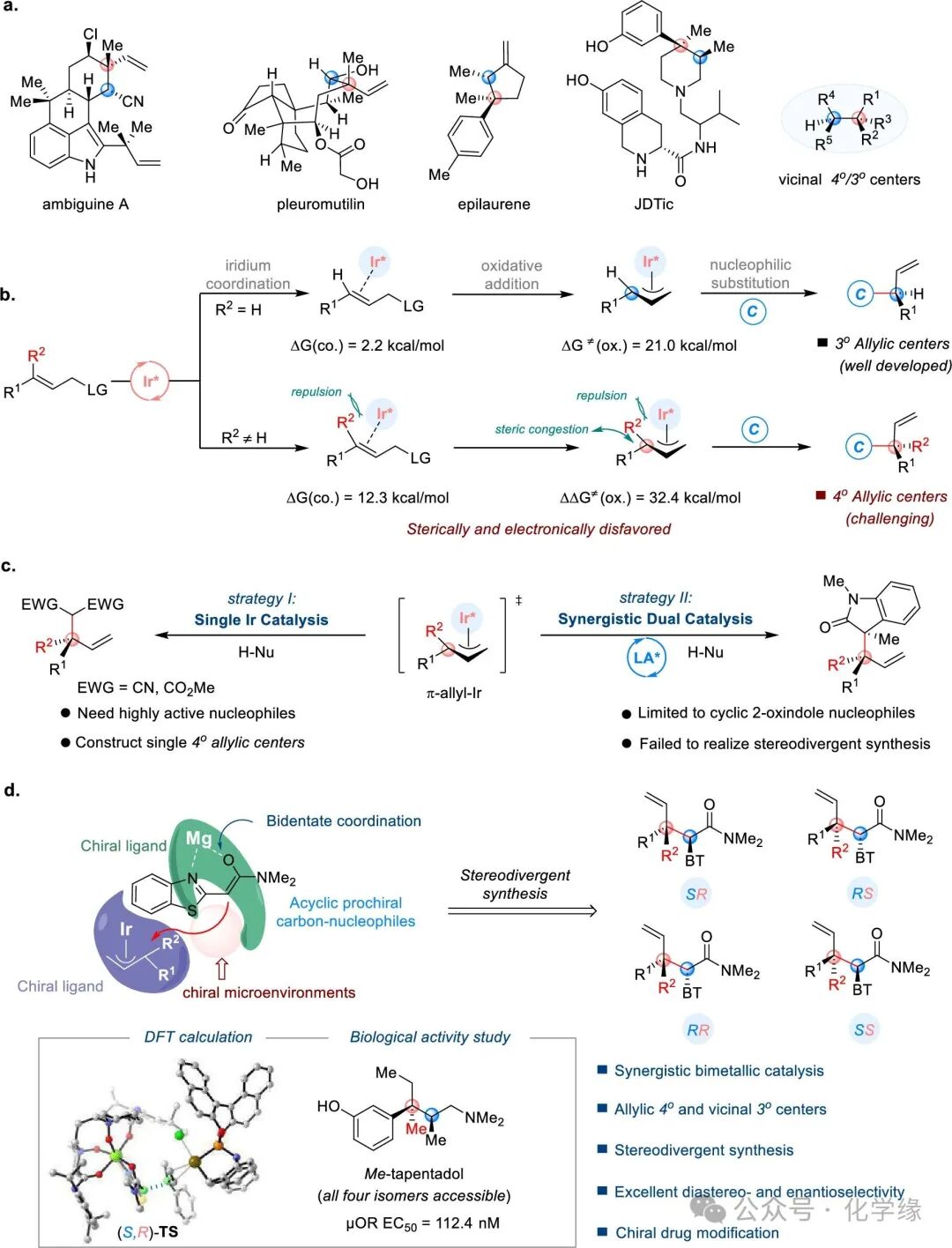
Figure 1: Research Background: Asymmetric allylic alkylation of trisubstituted allylic electrophiles
Using α-benzothiazyl acetamide 1a and trisubstituted allylic carbonates 2a as template substrates, reaction conditions were optimized. Catalyst screening revealed that the combination of chiral phosphoramidite-olefin (P, olefin)-iridium catalyst (Ir/(S)-L1) and chiral bidentate magnesium catalyst containing diisopropylphenylamine (Mg/L3-PiPr2) was the most effective, achieving the target product with 19:1 dr, 99% ee, and 93% yield. Control experiments indicated that both catalysts in the dual-catalyst system are indispensable, as using either catalyst alone resulted in negligible reaction.
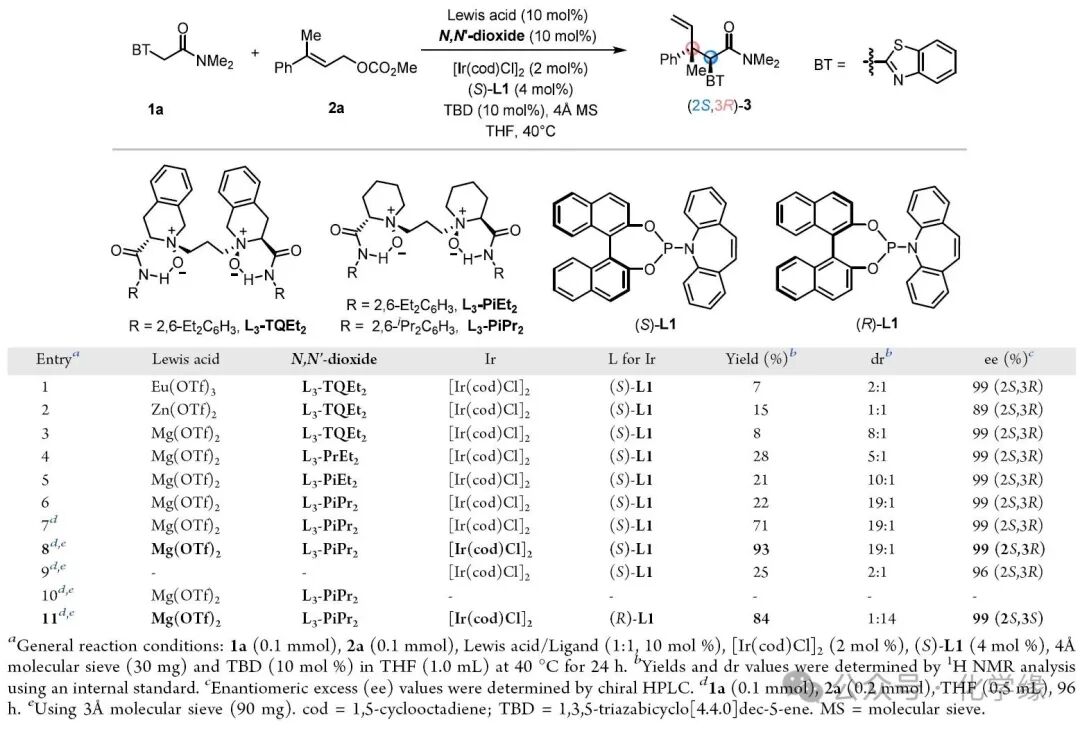
Figure 2: Optimization of reaction conditions
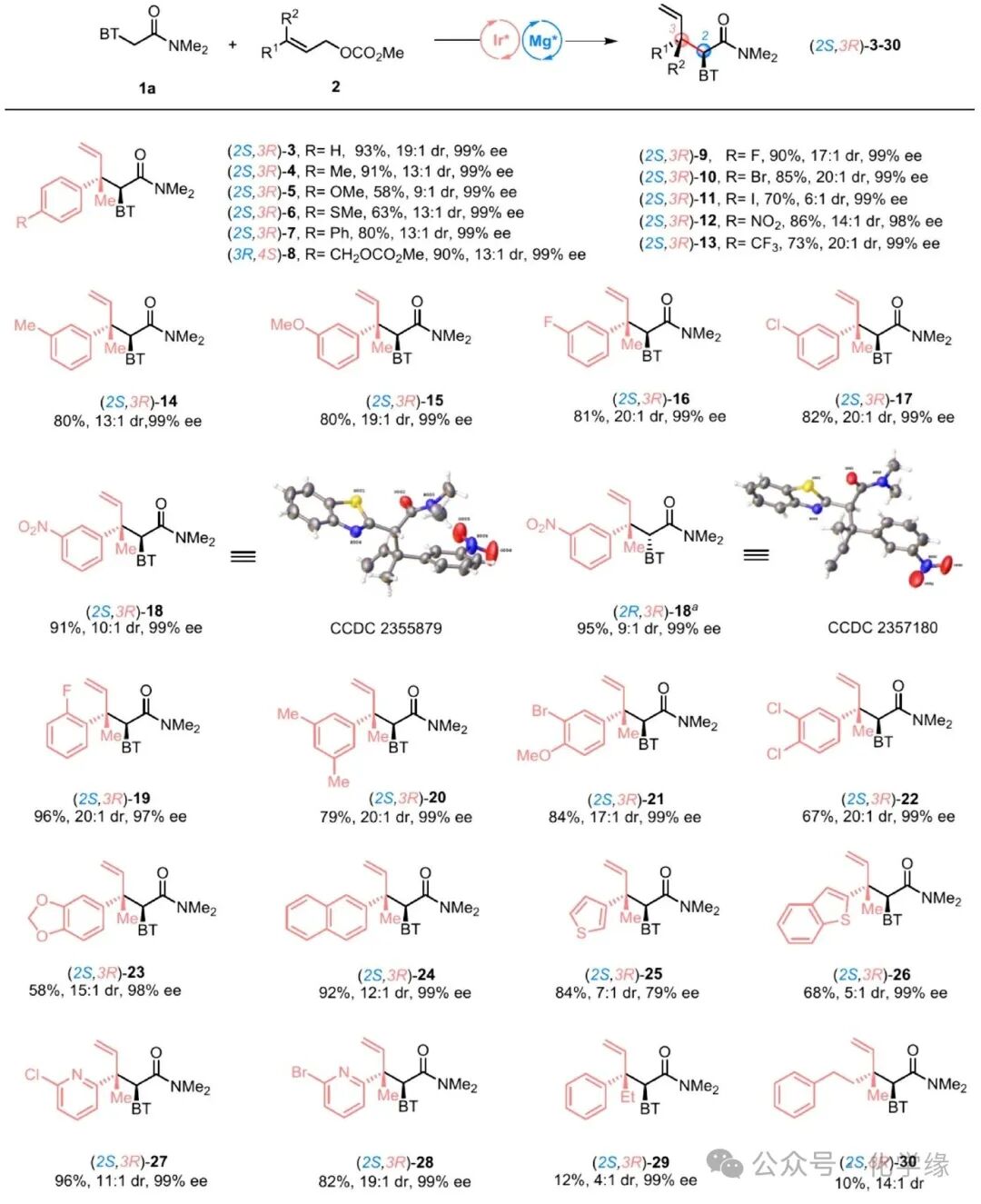
Figure 3: Substrate scope of allylic electrophiles
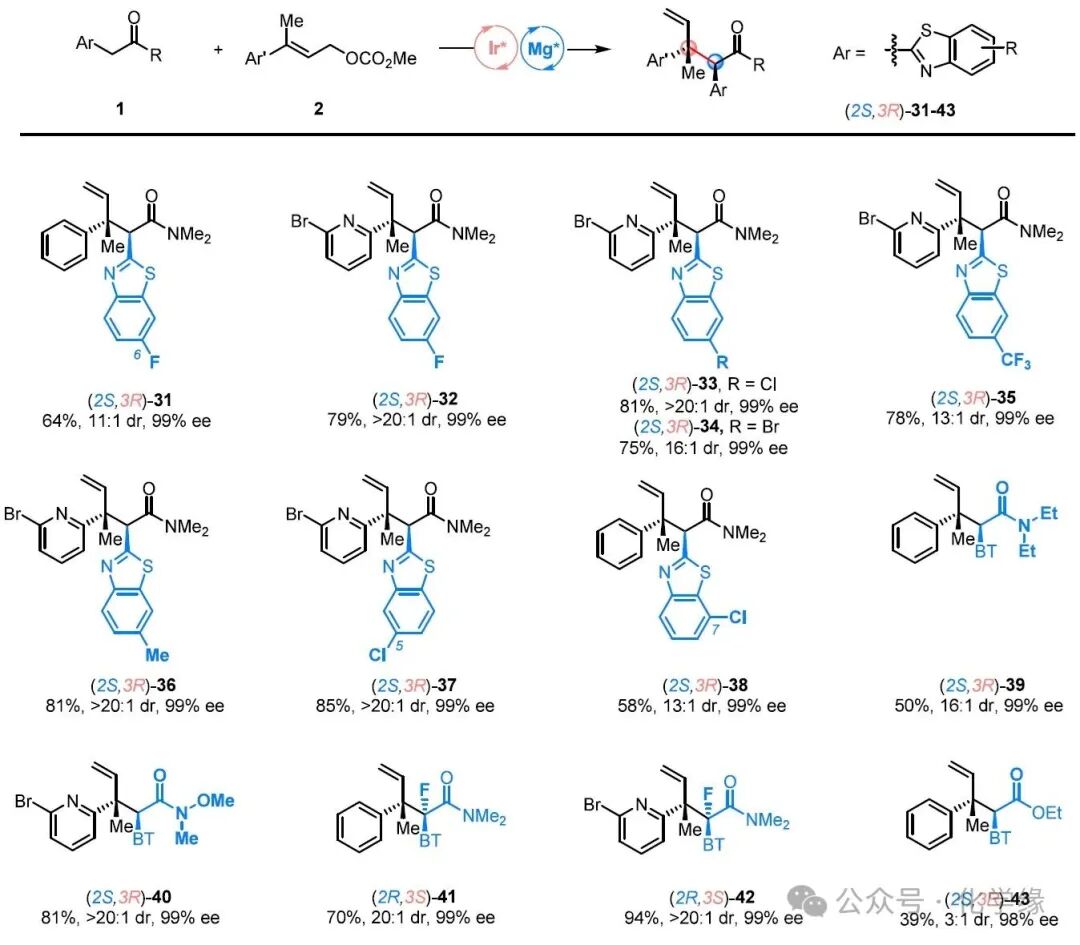
Figure 4: Substrate scope of allylic nucleophiles
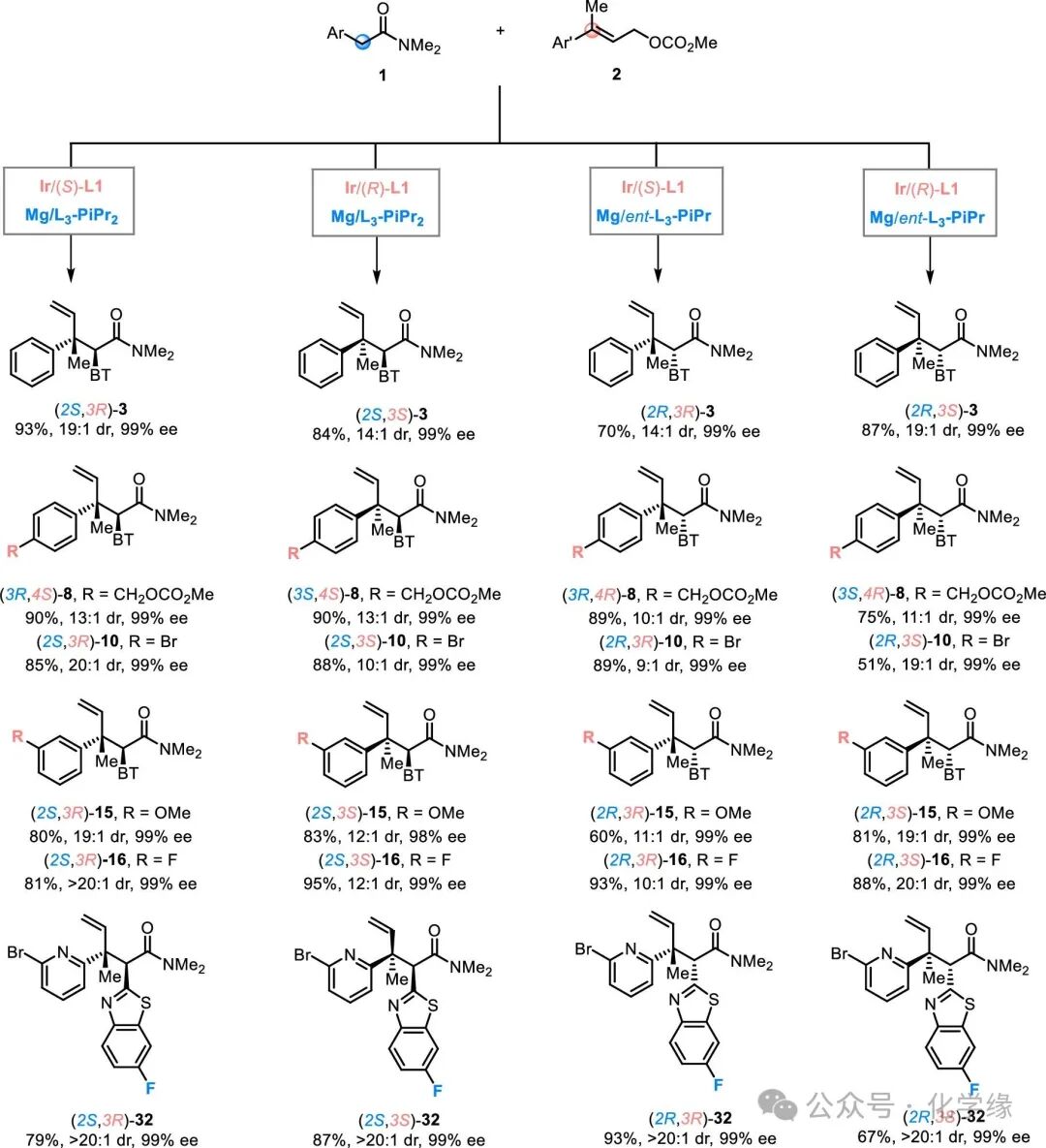
Figure 5: Stereodivergent allylic alkylation yielding quaternary stereoisomers
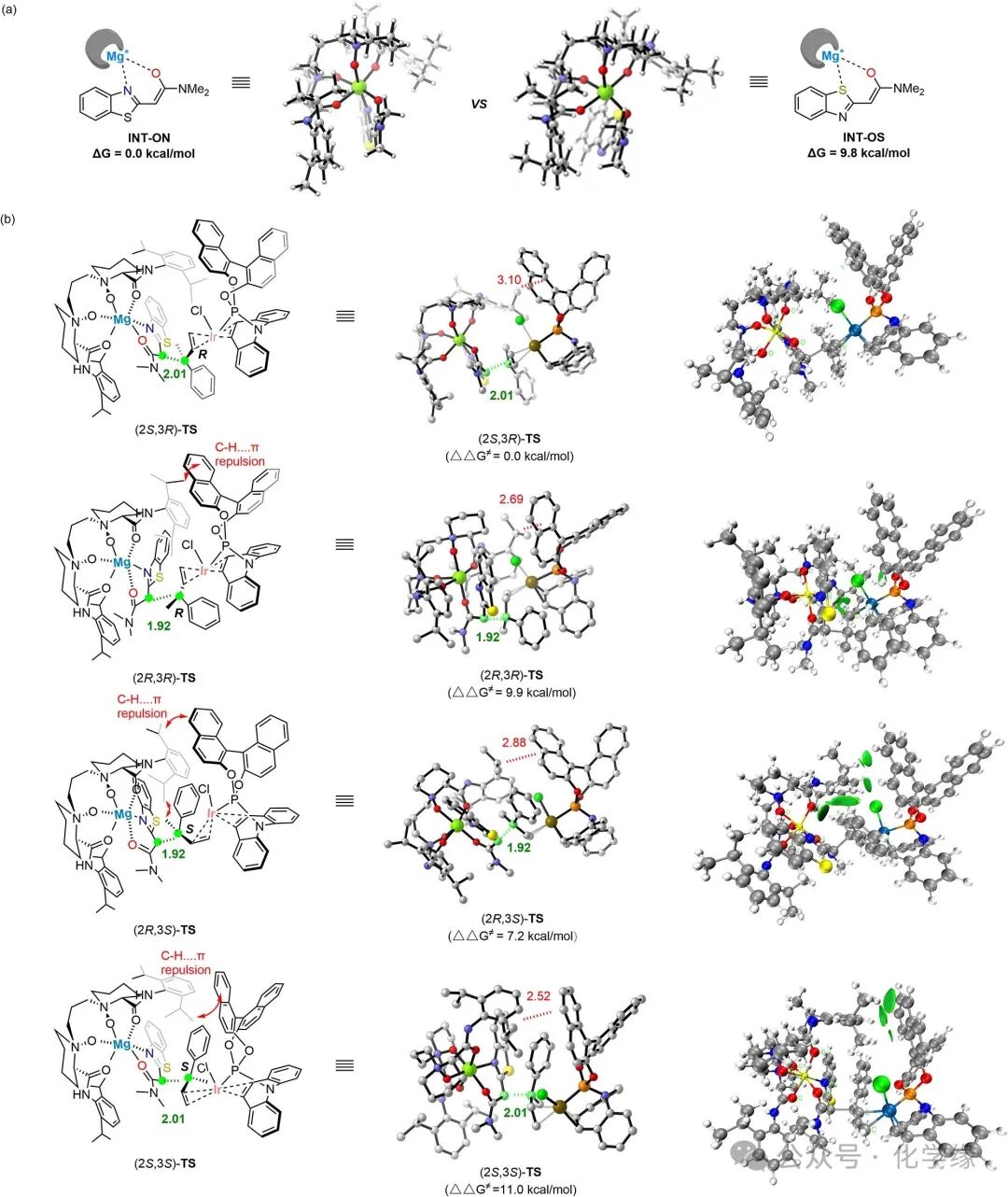
Figure 6: DFT calculations of energy distribution in the asymmetric allylic alkylation reaction
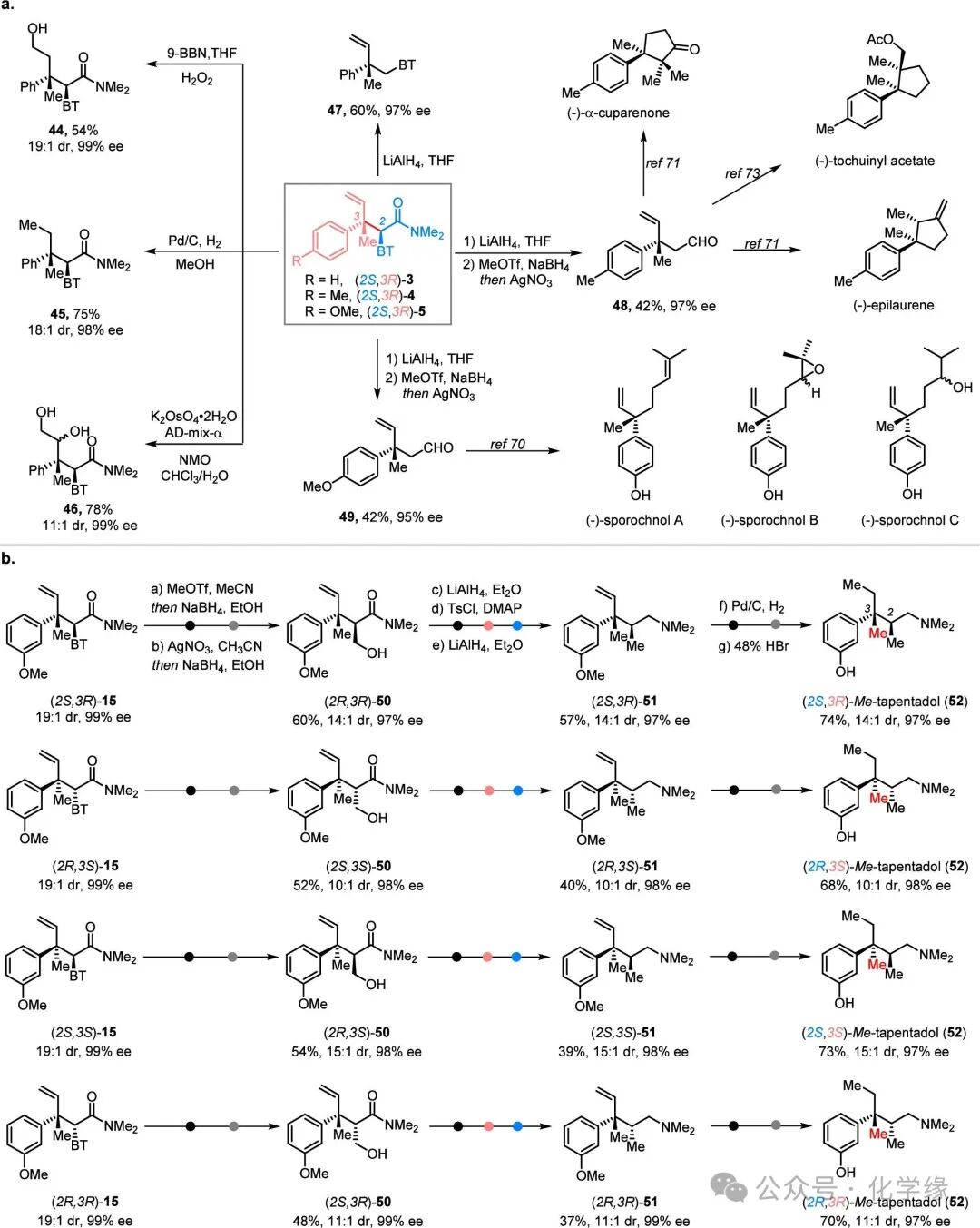
Figure 7: Synthetic applications of chiral allylic alkylation products
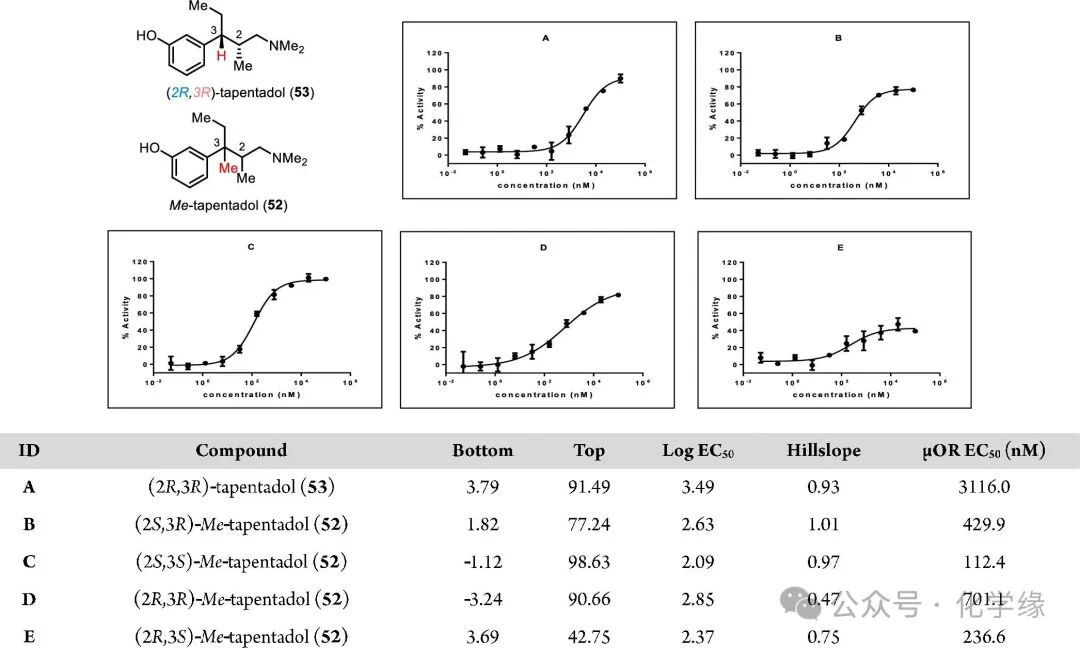
Figure 8: Biological activity studies of Me-tapentadol
Conclusion: An unprecedented bimetallic Ir/Mg-catalyzed asymmetric allylic alkylation reaction has been developed, enabling the asymmetric alkylation of challenging trisubstituted allylic electrophiles with non-cyclic α-benzothiazyl acetamide nucleophiles, thus facilitating the stereodivergent construction of structurally appealing allylic all-carbon quaternary and vicinal tertiary stereocenters. This method features a broad substrate scope and provides complete control over the absolute and relative stereochemical configurations of the products, exhibiting high diastereo- and enantioselectivity. The synthetic applications have been validated in the synthesis of key intermediates for a range of natural products. All four stereoisomers of the analgesic drug derivative Me-tapentadol were efficiently synthesized using the same reaction method through a unified route. Preliminary biological evaluations showed significantly enhanced μ-opioid receptor agonistic activity compared to the commercially available tapentadol. This work establishes a general catalytic platform for the construction of unconventional vicinal quaternary-tertiary stereocenters, opening new avenues for asymmetric synthesis and medicinal chemistry.
Article Information:
Stereodivergent Synthesis of Allylic All-Carbon Quaternary Centers by Bimetallic Iridium/Magnesium-Catalyzed Allylic Alkylation
Xinlong Yan, Zichun Zhang, Zhenwei Wu, Fule Wu, Xiaoming Feng*, Yangbin Liu*
DOI: 10.1021/jacs.5c11017
We hope this article inspires you, and let us work together for a better future!