01Alumina Ceramic: The Ideal Material for Automotive Sensors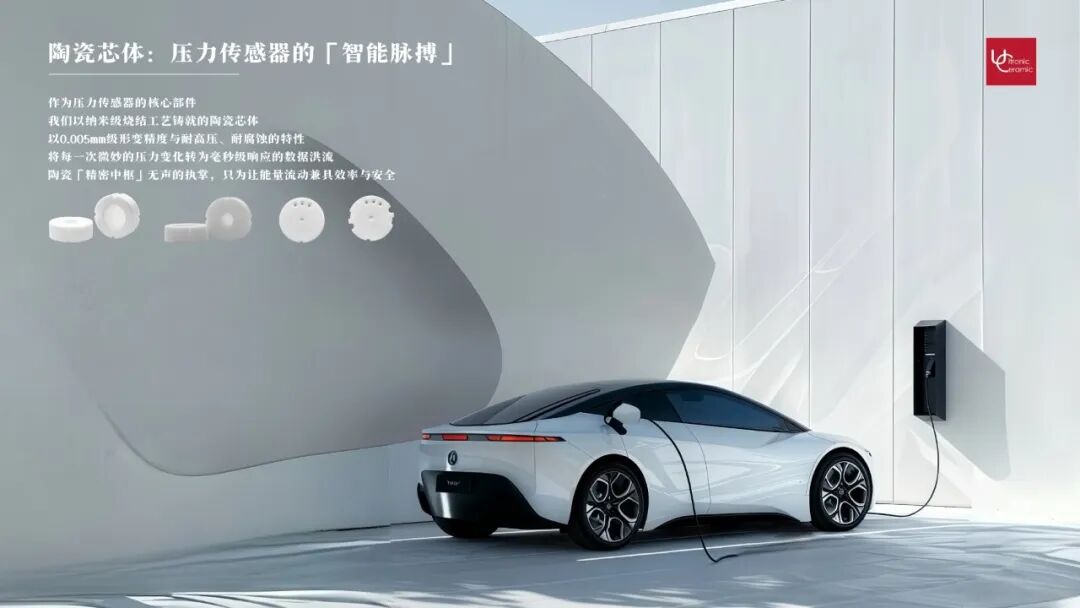
Alumina ceramic (Al₂O₃) possesseshigh hardness, high-temperature resistance (long-term operating temperature up to 1600℃), corrosion resistance, and excellent insulation, while also featuringlow thermal expansion coefficient andhigh mechanical strength, which can meet the stability requirements of automotive sensors under extreme conditions. For example:
- Oxygen Sensors: The high insulation and high-temperature resistance of alumina ceramic make it a core material for monitoring exhaust gas oxygen content, helping to optimize combustion efficiency and meet emission regulations.
- Pressure Sensors: Its low thermal expansion coefficient and creep resistance ensure that the sensor maintains accuracy in high-temperature, high-frequency vibration environments, widely used in engine fuel injection systems and tire pressure monitoring.
- Temperature Sensors: The high-temperature resistance of alumina ceramic allows it to directly contact combustion chambers or exhaust systems, providing real-time temperature data to enhance thermal management efficiency.
02 Technological Breakthroughs: From Material Innovation to Smart Sensing
In recent years, the application of alumina ceramic in the sensor field has upgraded from traditional structural components tosmart sensing:
- High-Precision Packaging Technology: By optimizing the packaging process of the ceramic core (such as combining low thermal conductivity materials with stress relief designs), the temperature stability of the sensors is significantly improved, reducing measurement errors.
- Nano-Modification Technology: Doping rare earth elements or nanoparticles into the alumina matrix can enhance its piezoelectric response and electromagnetic compatibility, suitable for more complex signal acquisition scenarios.
- Integrated Design: The high thermal conductivity and insulation of alumina ceramic substrates make them ideal carriers for electronic control units (ECUs), supporting rapid data exchange between sensors and onboard systems.
03 Application Scenarios: Empowering Smart Driving and the New Energy Revolution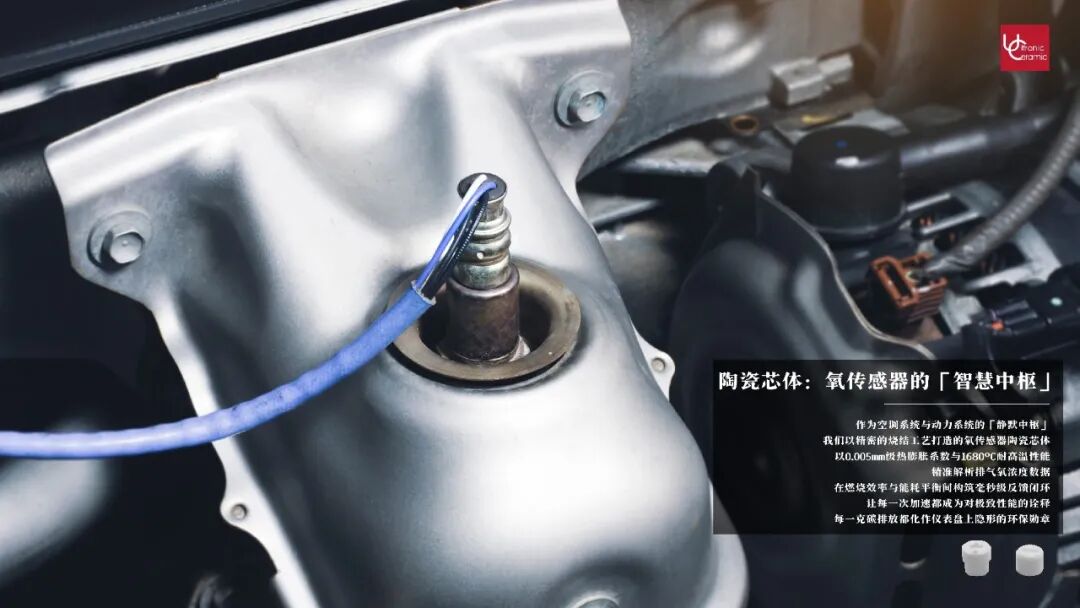
Alumina ceramic sensors are deeply integrated into multiple key links of the automotive industry chain:
- Power Systems: In hybrid and fuel cell vehicles, alumina ceramic is used to monitor hydrogen leaks and battery temperatures, ensuring the safety of energy systems.
- Autonomous Driving: The housings of LiDAR and camera modules use alumina ceramic to resist rain, dust, and extreme temperatures, ensuring perception accuracy.
- Emission Control: As a catalyst carrier, the porous structure of alumina ceramic can efficiently decompose exhaust pollutants, aiding in the implementation of National VI/Euro VII standards.
04 Market Prospects: From Technological Leadership to Industry Dominance
According to the “2025 Alumina Ceramic Market Analysis Report,” the global alumina ceramic market is expected to exceed 30 billion yuan by 2030, with thenew energy vehicle sensor sector accounting for over 40%
. As the largest automotive market in the world, China is promoting local companies to achieve a leap from “import substitution” to “technology export” through policy support (such as the “Made in China 2025” new materials initiative) and technological breakthroughs.
Industry experts point out: “For every 1% increase in the domestic production rate of alumina ceramic, the comprehensive cost of sensors can be reduced by about 12%, which is crucial for the autonomy and controllability of China’s automotive industry chain.”
05 Future Outlook: Smart Ceramics and Sustainable Development
The next generation of alumina ceramic sensors will develop towardsminiaturization and multifunctionality:
- Smart Ceramics: Ceramic sensors with integrated self-diagnosis and self-repair functions can provide real-time alerts for mechanical failures.
- Green Manufacturing: By using 3D printing and low-carbon sintering processes, production energy consumption and carbon emissions can be reduced, aligning with the trend of a circular economy.
06 Conclusion
Alumina ceramic is not only the cornerstone of performance leaps in automotive sensors but also a significant driver for the global automotive industry towards carbon neutrality and intelligence. With continuous breakthroughs in material science and manufacturing processes, this “invisible hero” will write even more brilliant chapters in the future of smart mobility.