Researchers at IMDEA Materials Institute have developed a new process to predict and control the microstructure of nickel-based high-temperature alloys during the metal 3D printing process.
The team created a tool that allows manufacturers to control the metal grain structure by adjusting parameters such as laser power, scanning speed, hatch line distance, and scan length. In particular, their work focuses on controlling the performance of IN939 alloy under different processing conditions during laser powder bed fusion (LPBF). This research was published in the Journal of Additive Manufacturing, highlighting the importance of melt pool overlap.
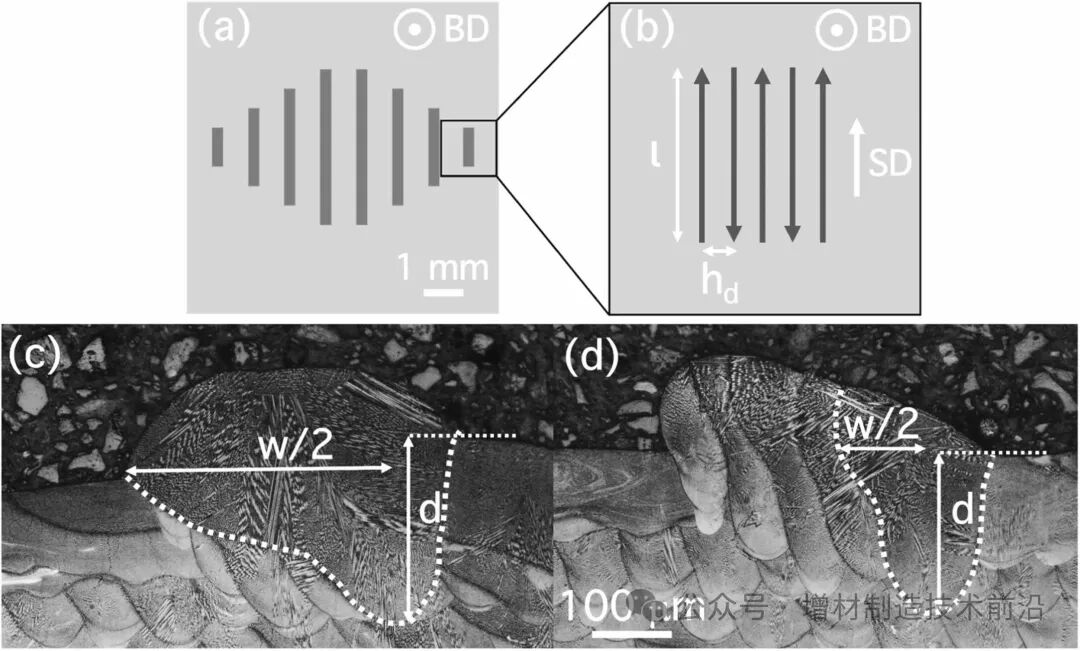
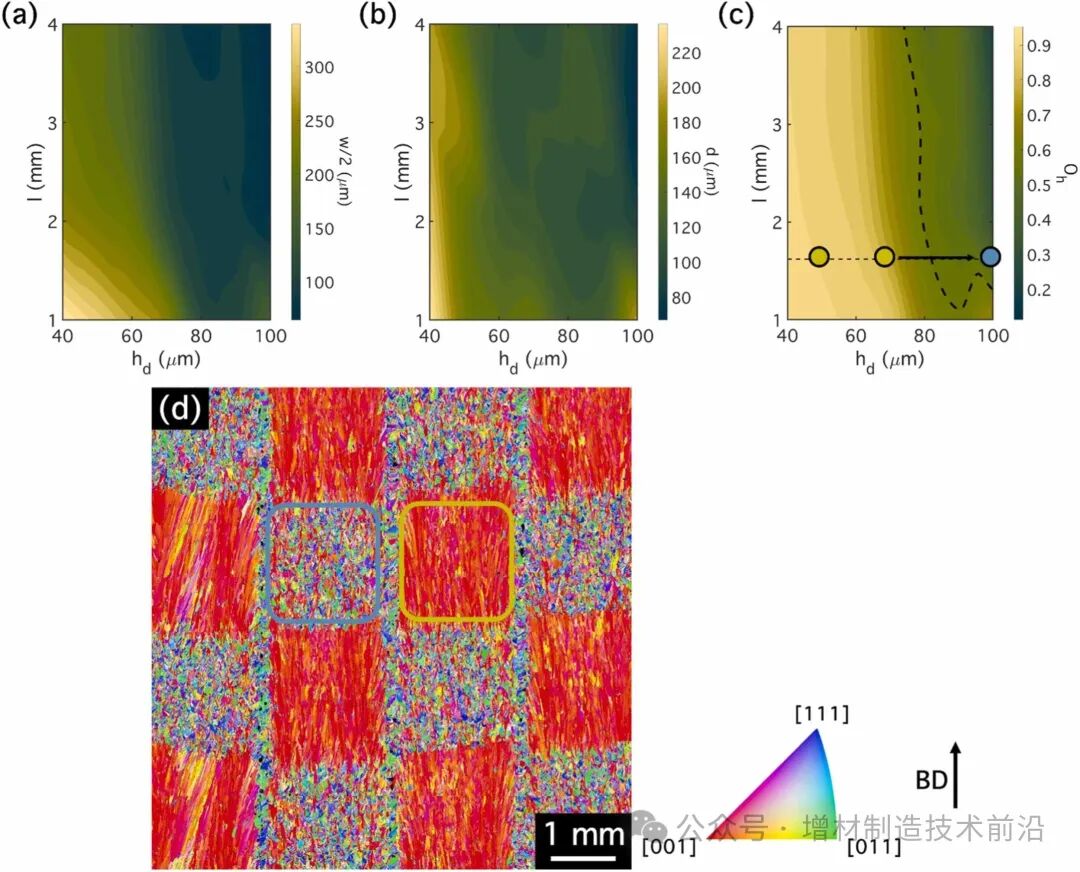
The researchers found that adjusting the melt pool overlap perpendicular to the scanning and building directions alters the size, shape, and orientation of the material’s microstructure. For example, maintaining a melt pool overlap below 0.6 (60%) prevents the formation of long columnar grains and results in a more uniform, fine-grained structure. Conversely, higher overlap leads to the growth of columnar grains, producing a strongly textured internal material pattern.
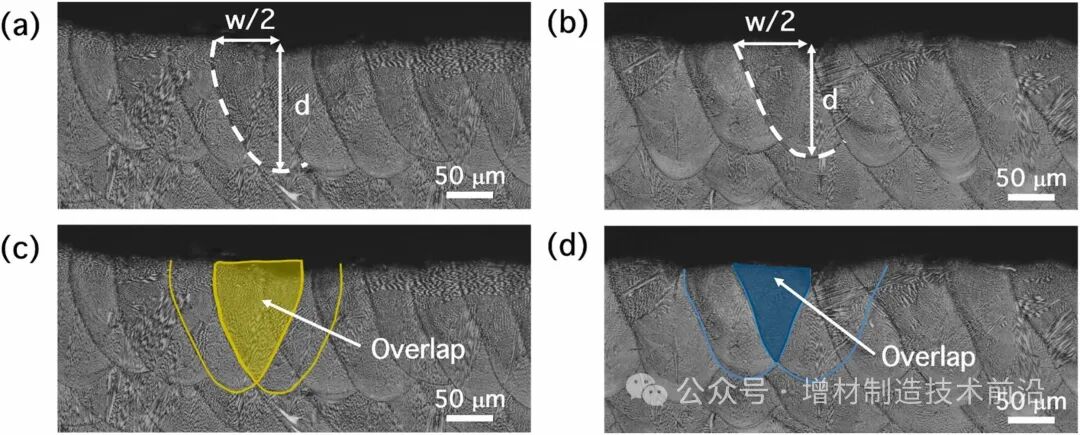
“This research demonstrates that it is possible to locally predict and control microstructure in a simple and effective manner,” commented a PhD researcher from the IMDEA Materials Sustainable Metallurgy group.
Inconel 939 is a nickel-based high-temperature alloy known for its high strength at elevated temperatures and excellent corrosion and oxidation resistance. These qualities make it an ideal material for manufacturing end-use parts in demanding aerospace and energy applications. However, Inconel 939 is prone to cracking during production, which limits its machinability.
The IMDEA researchers’ method aims to mitigate these risks by providing stricter control over material properties. The researchers explained, “Our approach not only guides achieving excellent printing results but also allows for site-specific design of microstructures in different parts of the component, paving the way for performance-optimized components.
During their research process, the team utilized experimental and analytical methods to demonstrate how to predict and control microstructure. Their approach is compatible with high productivity scanning parameters used in industrial manufacturing, including fast scanning speeds, large layer thicknesses, and a hatch rotation of 67º.
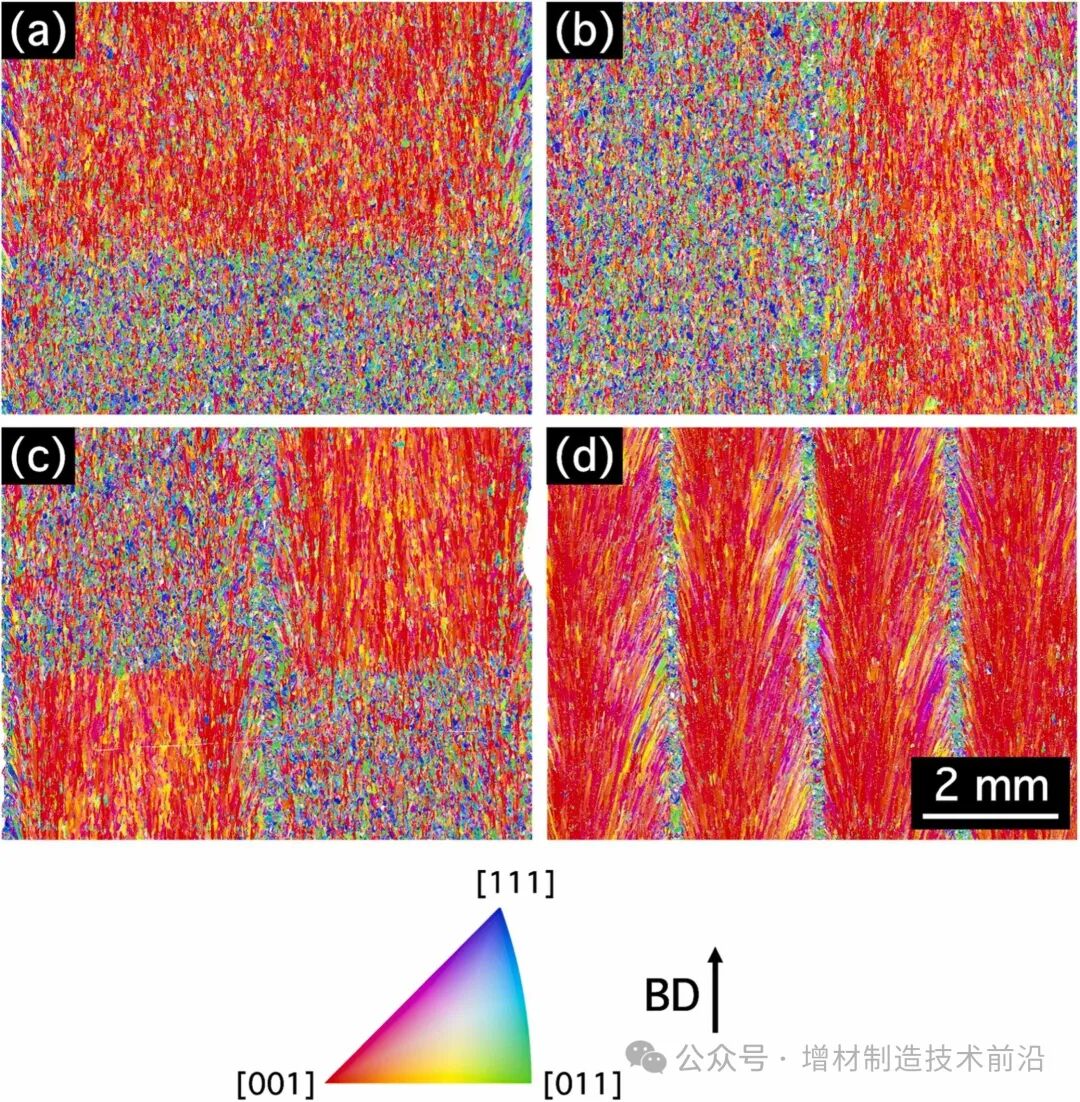
In the testing process, the researchers manufactured samples using IN939 on a Renishaw AM 400 LPBF 3D printer. They created two sets of samples. The first set consisted of four 8x8x8mm³ cubes, each divided into smaller parts called “domains,” which were produced with different hatch line distances.
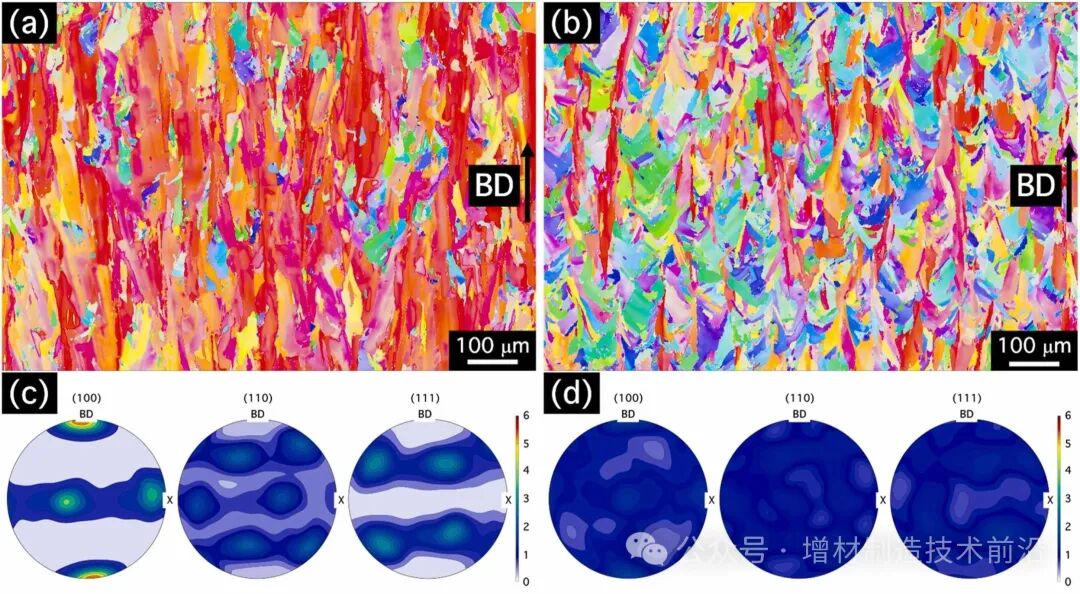
The results indicated that a hatch distance of 50μm (hd50) produced long columnar grains aligned with the build direction, resulting in a strong and consistent texture. In contrast, a hatch distance of 70μm formed smaller, more randomly shaped, and weaker textured grains.
To better understand how scan track length and hatch distance affect energy input during the printing process, the team printed a “multi-track” sample consisting of five adjacent laser channels on existing IN939 blocks. They tested 28 combinations, with hatch distances ranging from 40 to 100μm and scan track lengths from 1 to 4mm. This allowed the team to further explore how different printing conditions affect the material’s structure.
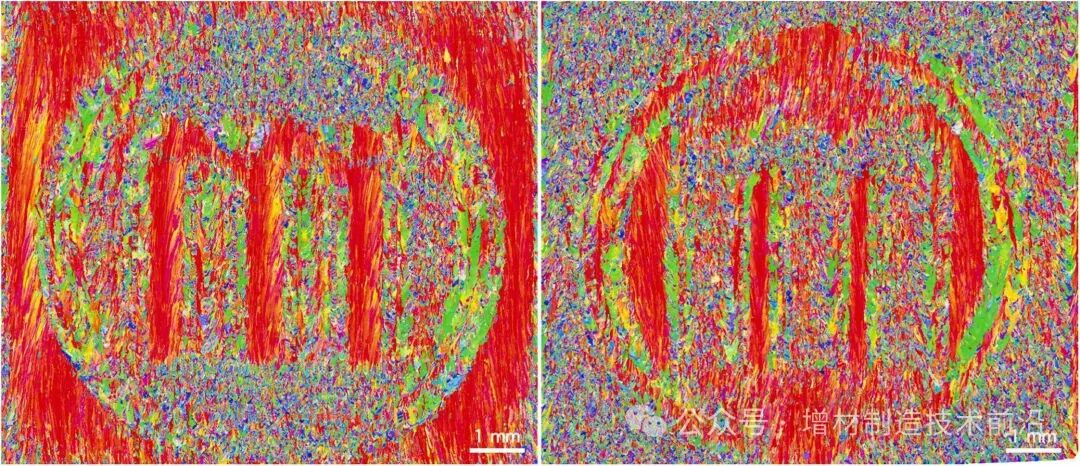
Next, the researchers applied an analytical model based on the Rosenthal equation, originally developed to describe heat flow during welding processes. They found that both hatch line distance and scan track length significantly affect the heat accumulation in the metal powder during the 3D printing process.
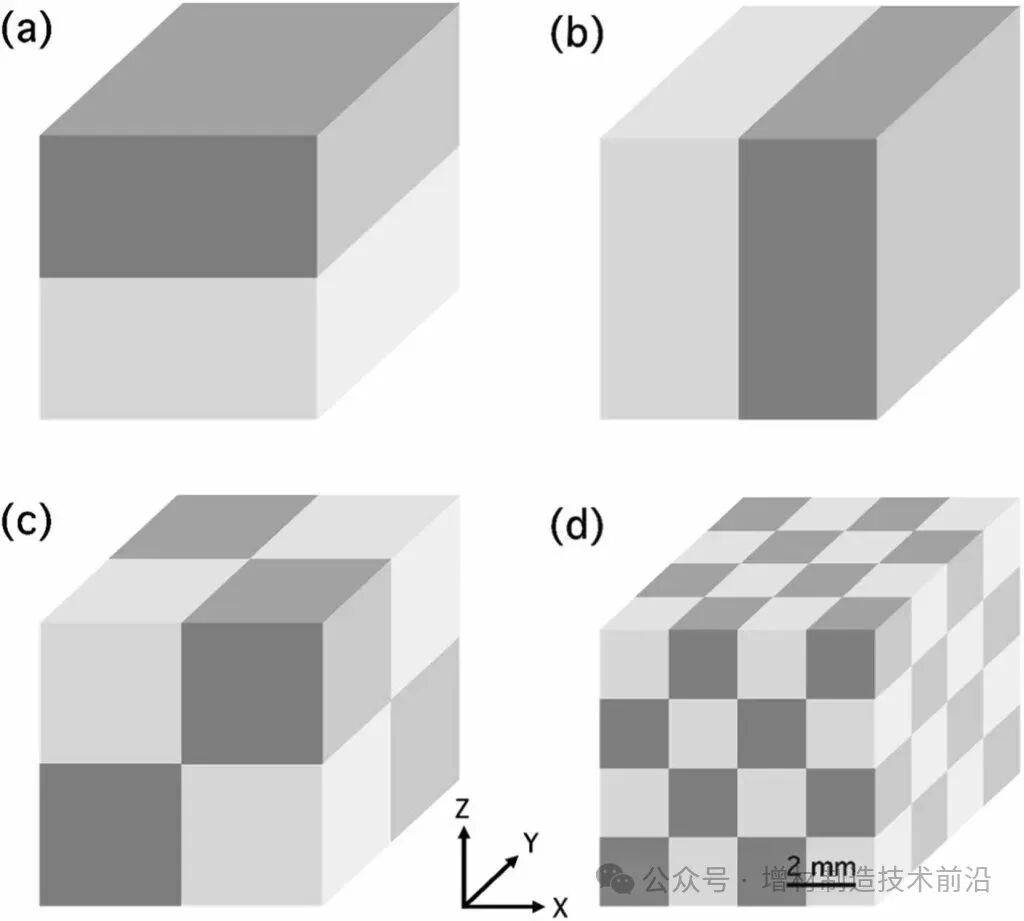
3D printed samples, with varying shades of gray indicating different sets of scanning parameters
Utilizing this insight, the IMDEA team accurately predicted melt pool temperatures, achieving a 93% success rate in predicting whether the resulting microstructure would be columnar or equiaxed. This distinction is crucial as the grain structure directly affects the mechanical properties of IN939 high-temperature alloys, such as strength and durability.
The team also developed an improved energy density metric that considers scanning geometry and material properties. This advancement enables manufacturers to precisely control microstructure by adjusting laser power and scanning parameters without lengthy trial-and-error experiments.
Note: You are welcome to join the PhD and Master’s exchange QQ group (248112776)