In early 2025, the first metal component 3D printed by the European Space Agency (ESA) on the International Space Station (ISS) has returned to Earth aboard a capsule.
Now, it is lying in the laboratory of the ESTEC technology center in the Netherlands undergoing inspection.
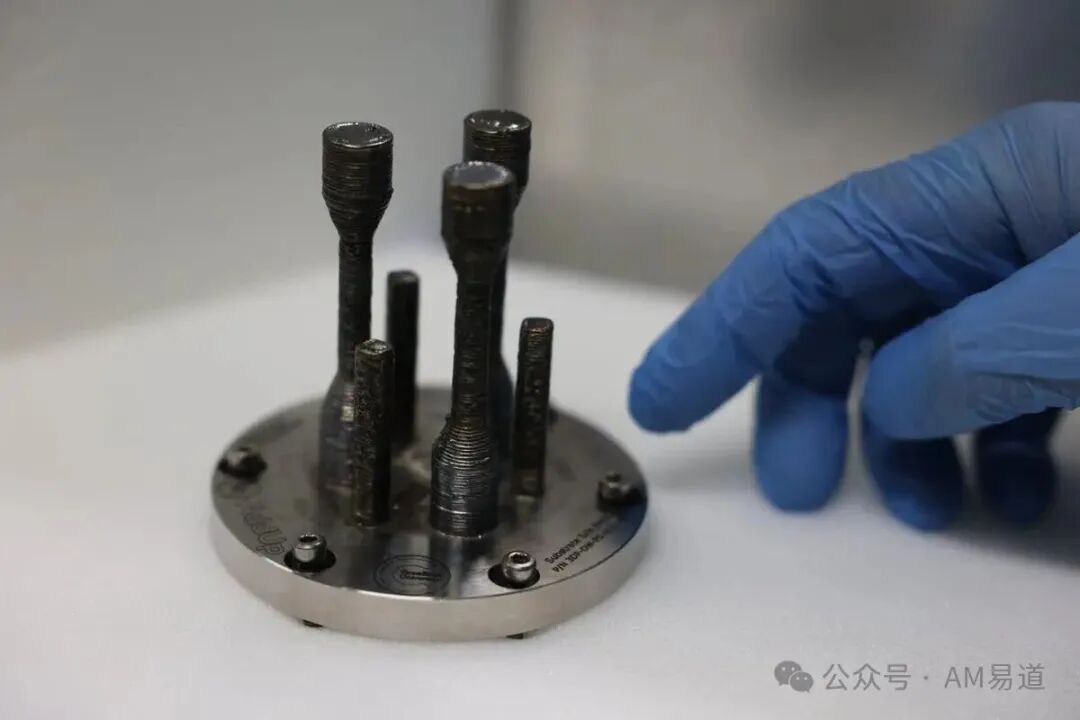
This small piece of metal is not so much an unknown entity as it is the beginning of a new textbook on metal additive manufacturing in a microgravity environment.
Currently, according to our searches, the relevant properties of the returned metal materials have not been disclosed in public academic articles.
It is not just about printing a part.
Let’s rewind to 2024.
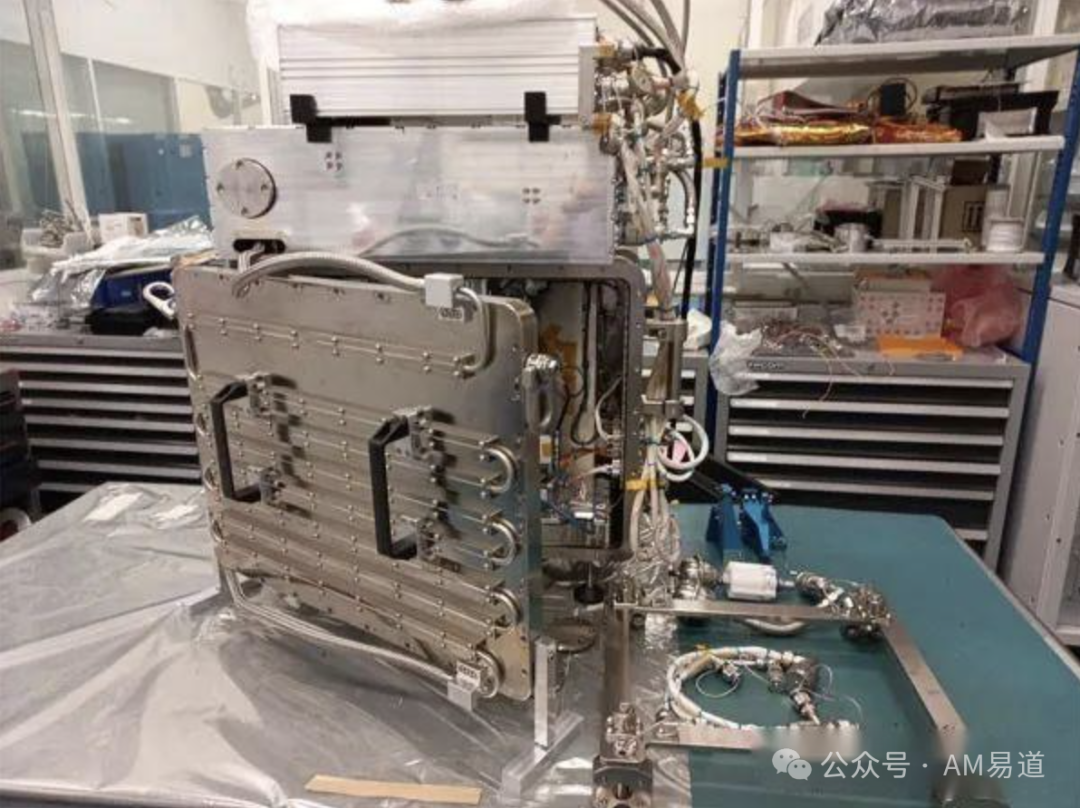
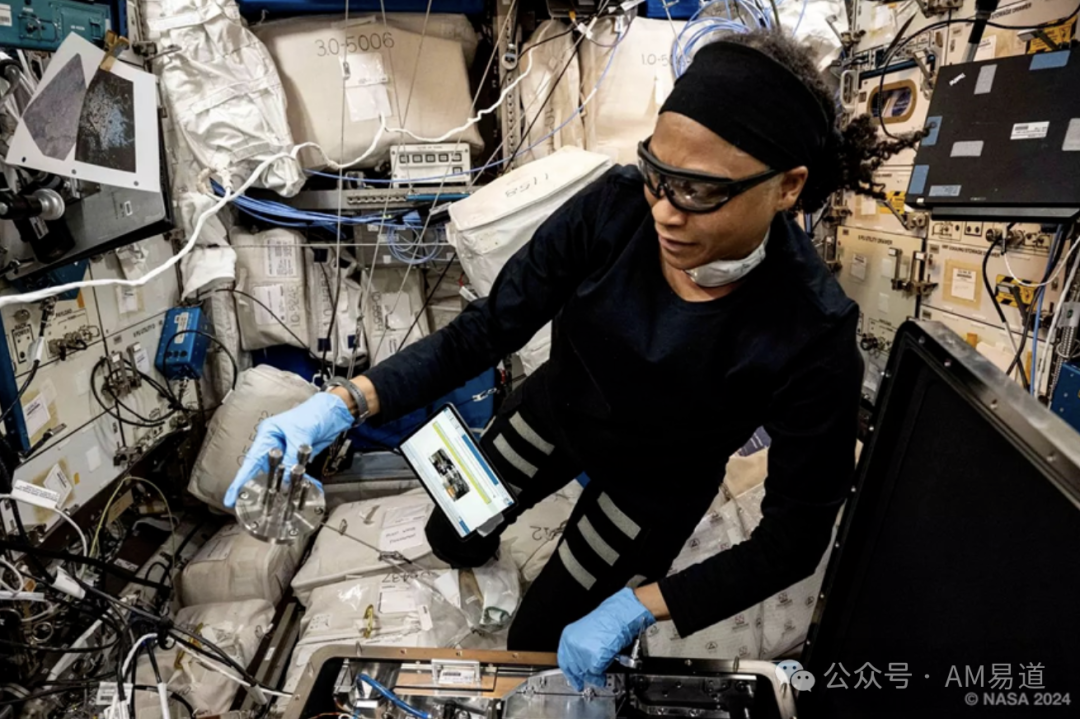
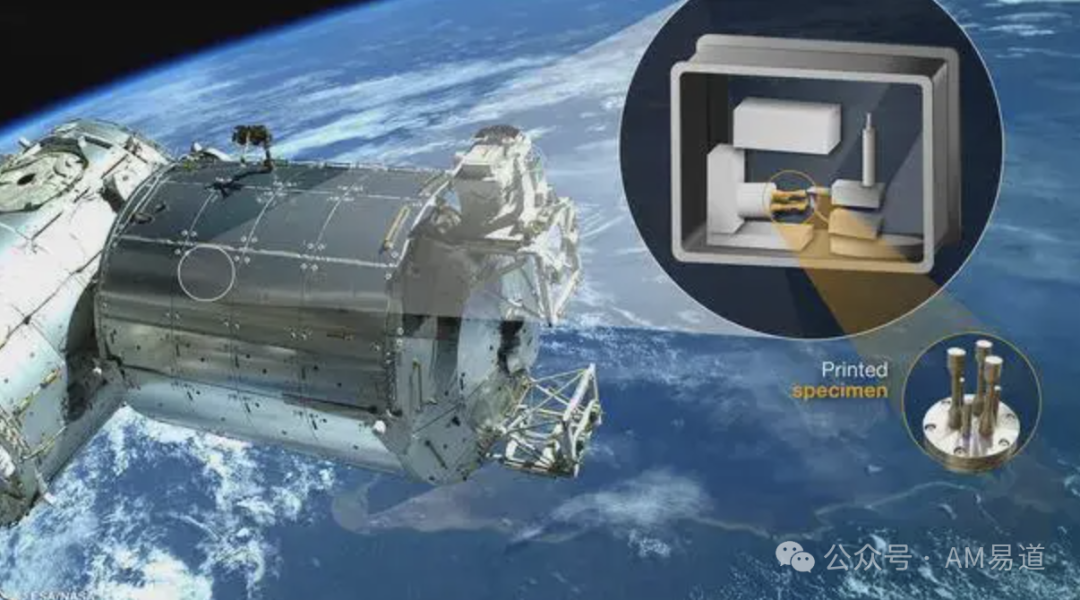
A metal 3D printer built by Airbus for ESA was sent to the ISS and installed by astronaut Andreas Mogensen in the Columbus module.
Experienced readers know that when a new device is powered on, the first thing is not to directly print a complex model, but to perform process debugging.
In-space printing is no different.
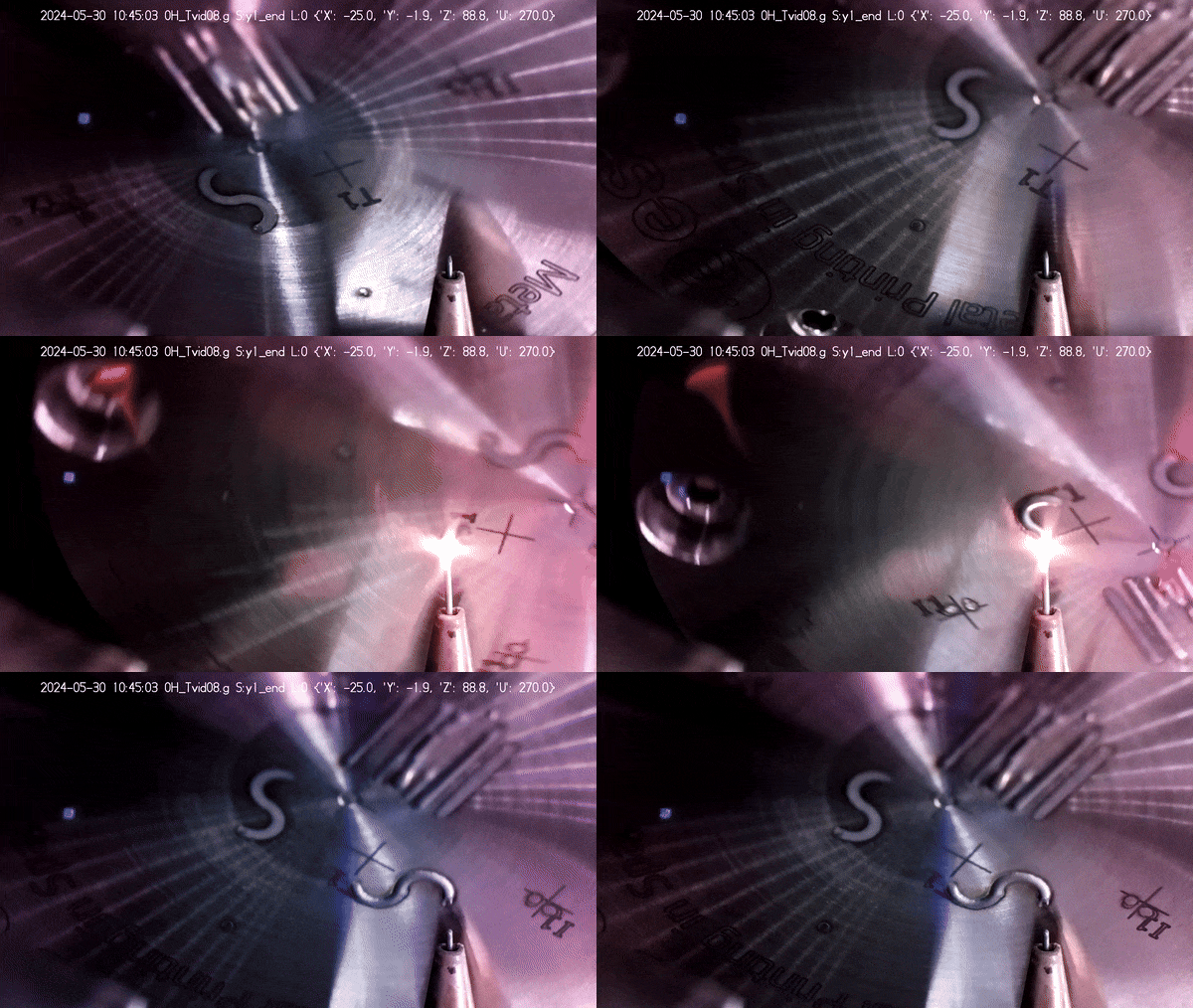
The ESA team did not rush; they first printed a simple S-shaped curve.
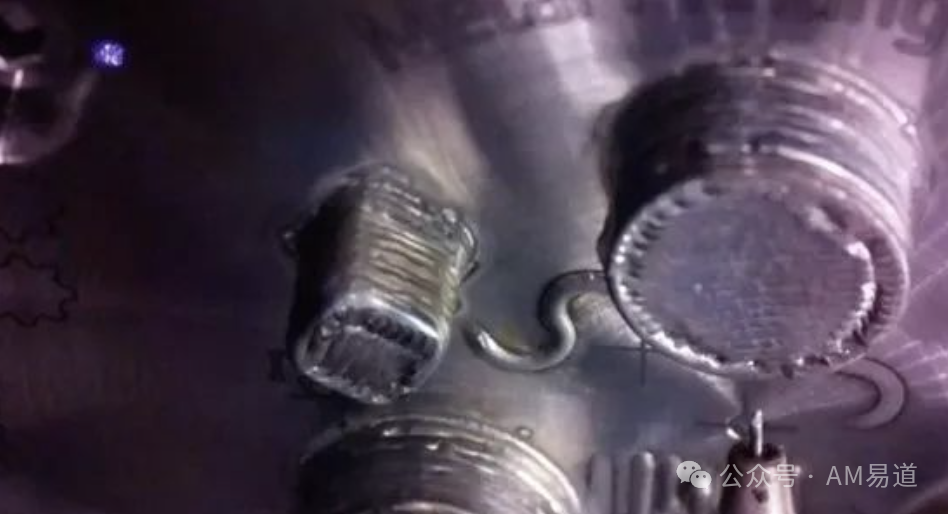
This operation may seem trivial on the ground, but in space, it is a validation of the entire system.
From powder delivery, melting to gas circulation—this is a crucial step to ensure normal operation in a microgravity environment.
Only after ensuring the stability of the basic filament printing did the team officially print several standard samples for material performance testing that summer.
ESA’s goal from the beginning was clear:
To establish a benchmark and understand how the melting and solidification of metal powder in a zero-gravity environment differs from that on Earth in terms of porosity, microstructure, and final mechanical properties.
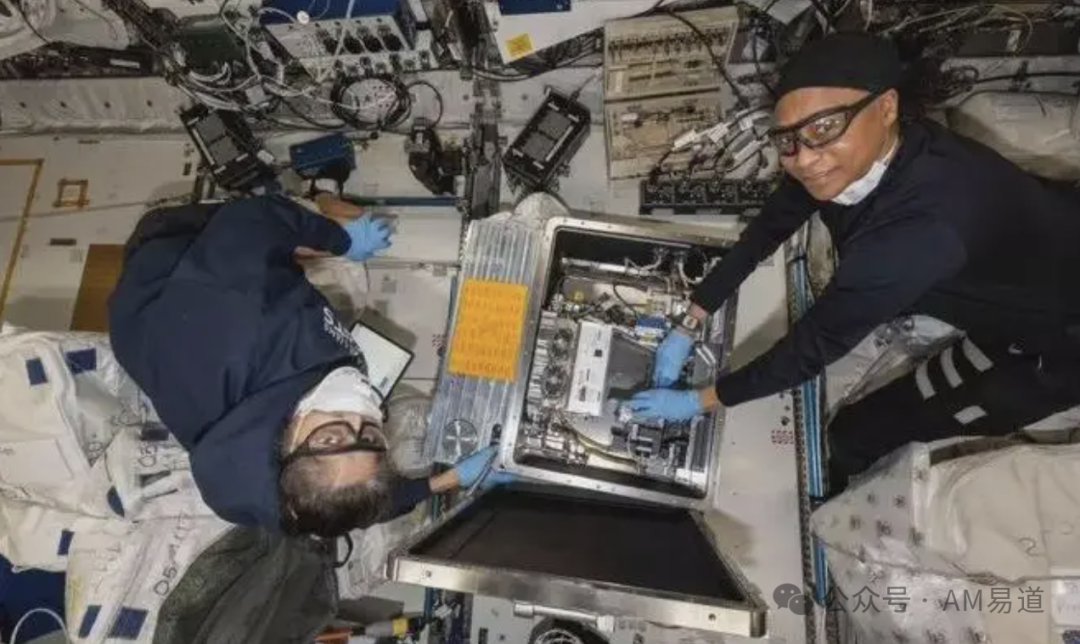
Core Challenge: Reshaping Metallurgy in a Weightless Environment
At this point, the core technical question arises:
What impact does microgravity have on metal printing?
It is well known that when using Laser Metal Fusion technology on the ground, gravity acts as an invisible helper.
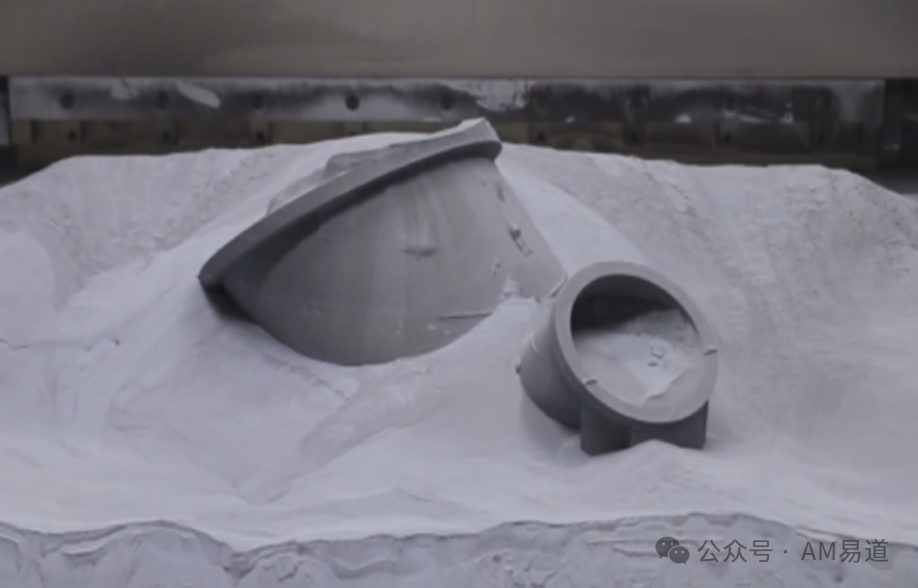
It helps the powder spread evenly and can influence the flow and behavior of the melt pool to some extent.
But on the ISS, everything has to be rebuilt from scratch.
First is powder management.
In a weightless environment, the powder does not stay neatly on the powder bed; it can easily float around, posing safety hazards and making printing impossible.
Therefore, engineers must design a system that can strictly contain the powder and precisely control the inert gas flow field and laser parameters to avoid metal splatter and stabilize the melt pool.
Deeper impacts involve the material’s thermal history and solidification path.
Without gravity-induced convection, the heat transfer within the melt pool will change, and the solidification process of the metal may differ from that on the ground.
These subtle differences will ultimately reflect in the material’s microstructure.
For example, the size, shape, and orientation of grains, as well as the formation mechanisms of internal defects.
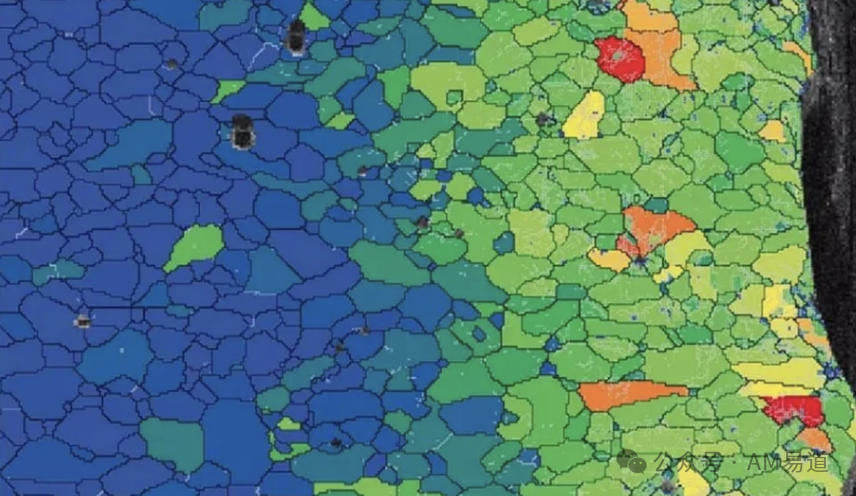
This is precisely what the scientists at the ESTEC laboratory are currently quantifying under a microscope.
Strategic Value: From Ground Supply to In-Situ Resource Utilization
So, why go through all this effort to print a small piece of stainless steel in space?
The answer is simple: for longer-term autonomous space exploration.
Recall that in 2014, NASA successfully printed a plastic ratchet wrench in the space station using blueprints sent via mail. That validated the logistics concept of on-demand manufacturing.
This time, metal printing represents a significant upgrade to that concept.
For future lunar bases and deep space missions, every payload launched is extremely valuable.
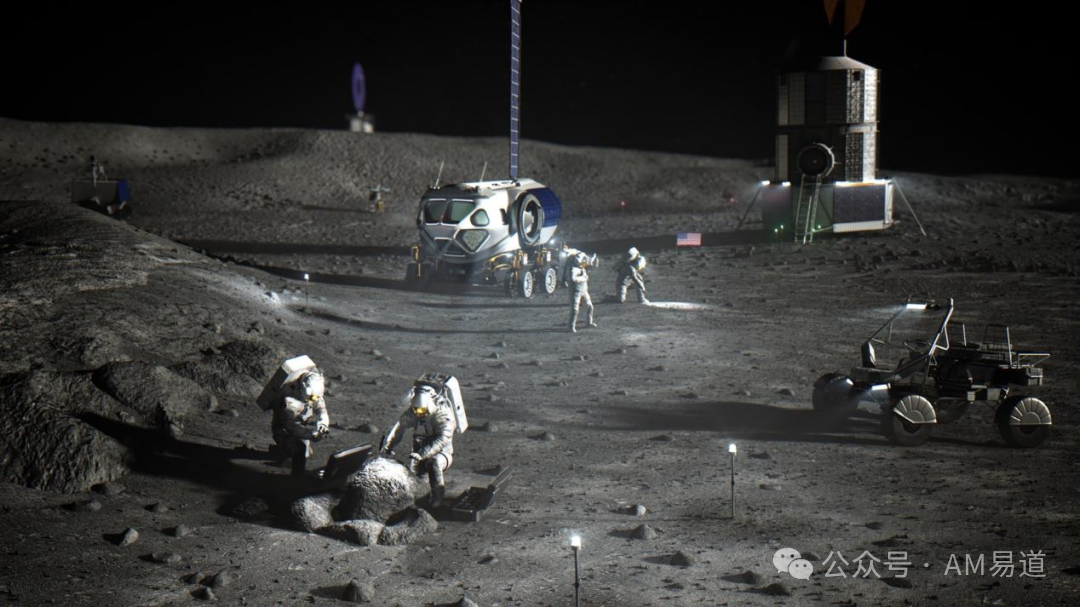
If astronauts can print critical metal tools or replacement parts on demand, it would greatly reduce reliance on long-term cargo resupply from Earth.
Imagine if a critical valve fails; instead of waiting months or even a year for a replacement from Earth, it could be printed directly in the space station or lunar rover.
This would be a revolutionary improvement in mission success rates and autonomy.
ESA’s vision goes even further.
Once this technology matures, it may even allow for the manufacturing of spacecraft structural components that are too large to be launched all at once directly in orbit.
On the lunar surface, this technology could also be combined with in-situ resource utilization, directly using metal elements from lunar soil for printing, fundamentally changing the game for space construction.
The Long Road Ahead: From Capability to Usability
Of course, the ideals are grand, but the real challenges are numerous. For space additive manufacturing to transition from experimentation to application, it must overcome several hurdles similar to those faced by ground equipment:
First is the repeatability of material performance, ensuring that every batch of printed parts has stable and reliable performance.
Another difficult issue is strict dimensional tolerances; aerospace-grade applications have extremely stringent precision requirements.
Additionally, there is safe powder handling; in the closed environment of a space station, the handling process for metal powder must be foolproof.
Moreover, the space environment introduces additional variables: micro-vibrations in the space station, cosmic radiation, drastic temperature changes, and the limited working time of astronauts are all limiting factors.
Whether the microgravity environment will exacerbate the accumulation of residual stresses or give rise to new types of defects needs to be answered with a large amount of experimental data.
Therefore, subsequent quality assurance processes are crucial.
ESA’s testing program may combine non-destructive testing (NDE)—such as X-ray or CT scanning—with destructive mechanical testing of returned samples to comprehensively assess the performance of space-printed parts and establish a qualified process standard for future in-orbit printing.
Conclusion
In summary, this small piece of metal returned by ESA is not mysterious in itself.
Its true value lies in representing humanity’s first step from the plastic era to the metal era in on-orbit manufacturing capabilities, marking a significant engineering milestone.
Next, we need to patiently await ESA’s release of detailed experimental data to see what imprint microgravity has left on this stainless steel.
As the process window is gradually understood and the first batch of trustworthy in-orbit application parts is identified, everything we discuss today will pave the way for the future space economy:
Fewer launches, faster repairs, and ultimately achieving the ultimate goal of manufacturing where it is needed.
We will continue to monitor the properties of the returned metal materials.
Looking forAM Yidao editors, with over 5 years of experience in the 3D printing industry, regardless of professional field. We look forward to collaborating with partners who have deep thinking abilities, writing skills, and creative interests to create quality content together. Interested parties please add Yihanzhong for detailed discussions.
Corporate Partner Program: Become an AM Yidao industry partner and receive free access to resources for customer acquisition, financing, overseas expansion, and industry-academia-government collaboration.Reader Reminder: Add AM Yidao to join the reader group (note to add to the group), to obtain original source links or content that is inconvenient to publish, and to discuss everything about 3D printing with like-minded readers of AM Yidao.AM Yidao also suggests that readers star the public account to receive updates from AM Yidao in a timely manner.Disclaimer:AM Yidao imagesVideos are sourced from the internet and are for auxiliary reading purposes only, with no commercial intent.All rights belong to the original authors. If there are any infringement issues, please contact the rights holders promptly, and we will delete them immediately. The copyright of the images in this article belongs to the copyright holder, and the AM Yidao watermark is automatically added for auxiliary reading and does not represent ownership of the copyright. For image usage, please consult the relevant copyright parties. AM Yidao articles do not constitute any investment advice, and AM Yidao is not responsible for any direct or indirect losses caused by the use of the information in this article.