 Top Ten Common Sensors in Mechanical Design
In mechanical design, sensors are key components for achieving automation, intelligence, and precise control. Below are the ten most commonly used types of sensors in mechanical design and their application scenarios:
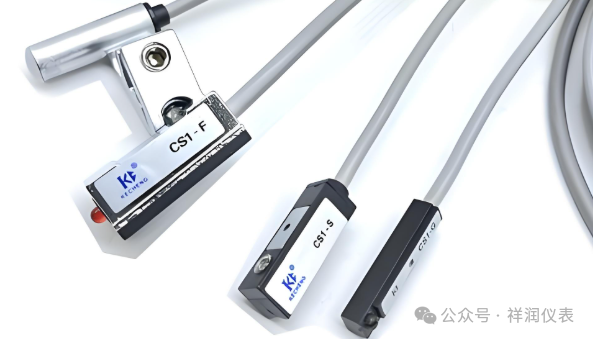
1. Magnetic Switch
Function: Detects the position of the cylinder piston and provides feedback on the piston movement stroke.
Application: Used in pneumatic control systems, such as cylinder position detection in automated production lines.
2. Proximity Switch
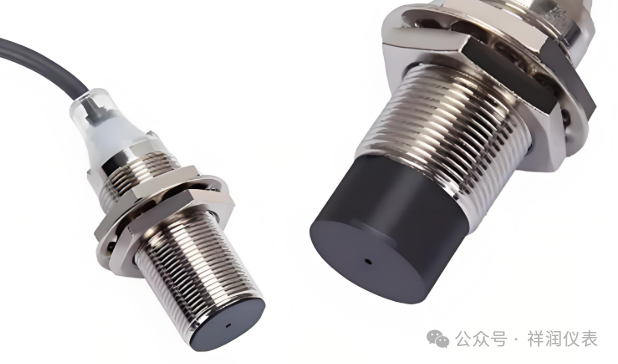
Function: Detects the presence or distance of metal objects, suitable for non-contact detection. Non-contact detection actions are reliable, with stable performance, high precision, fast response, long service life, and strong anti-interference capabilities, as well as features like waterproof, shockproof, and corrosion-resistant.
Application: Material counting, equipment position detection, but detection distance is affected by material.
3. Photoelectric Sensor
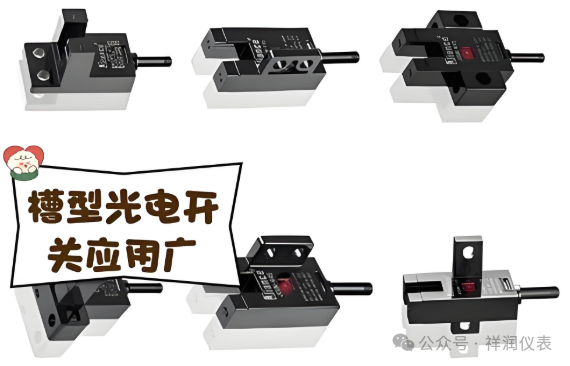
Slot-type photoelectric switch: Used for limit position detection of rotating or linear motion.
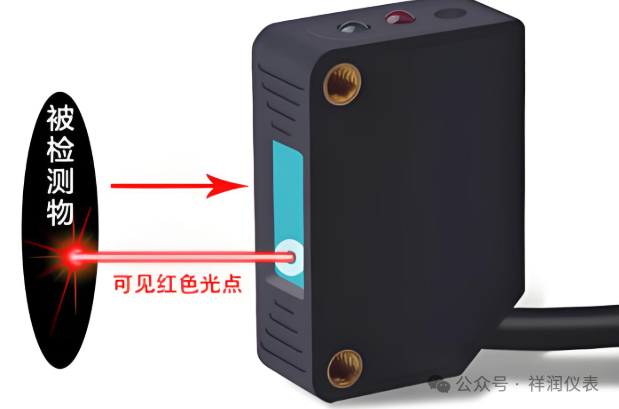
Diffuse photoelectric switch: Detects the presence of packaging materials.
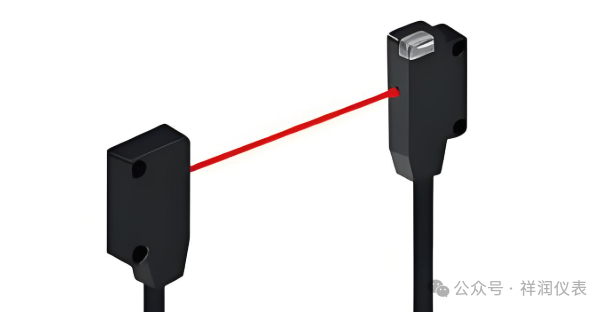
Through-beam photoelectric switch: Suitable for long-distance detection, such as logistics sorting.
Application: Automation packaging, material detection.
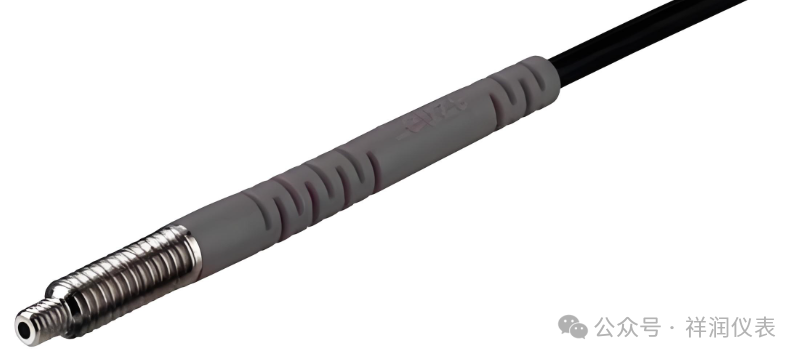
4. Fiber Optic Sensor
Features: High sensitivity, compact structure, suitable for detecting small changes.
Application: Precision manufacturing, micro-displacement measurement.
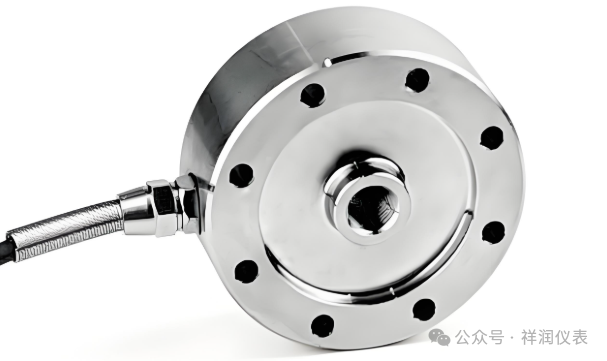
5. Pressure Sensor
Function: Measures the pressure of fluids or gases.
Application: Pressure monitoring in stamping machines, logistics weighing systems.
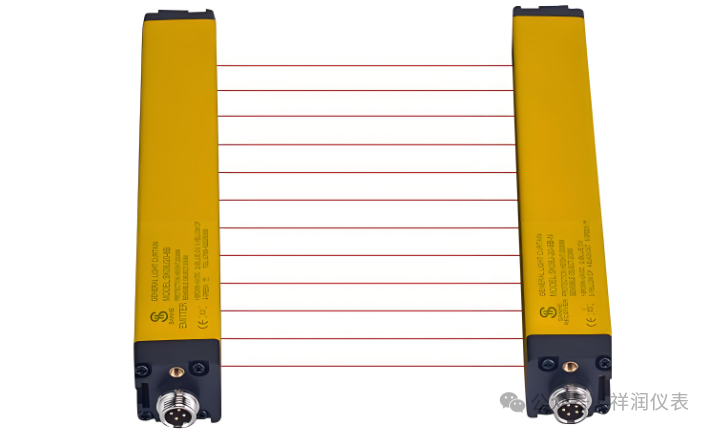
6. Grating Sensor (Safety Light Curtain)
Function: Forms a protective barrier through infrared beams to prevent mechanical injury.
Application: Industrial safety protection, such as monitoring machine tool operation areas.
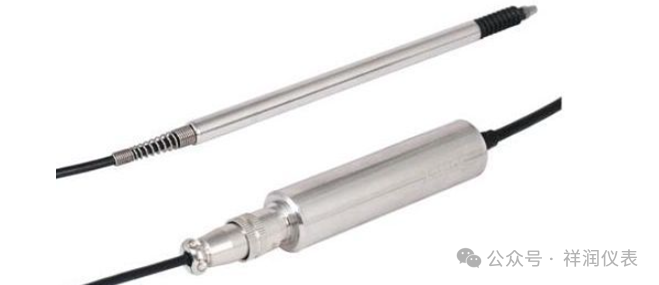
7. Displacement Sensor
Types: Includes linear displacement sensors and rotary encoders.
Application: Robot arm positioning, CNC machine feedback control.
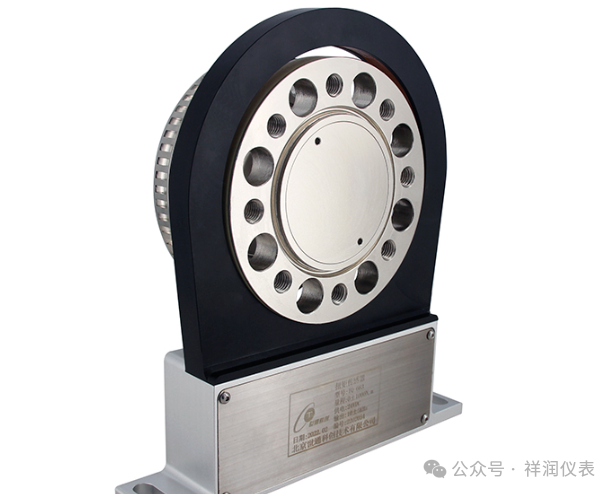
8. Force/Torque Sensor
Function: Monitors the force and torque of robotic arms or drive systems.
Application: Collaborative robots, precision assembly.
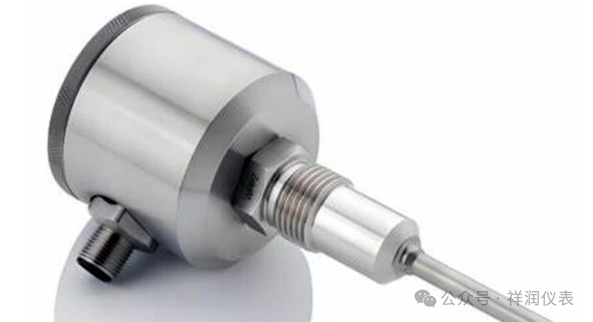
9. Temperature Sensor
Function: Monitors the temperature of equipment or the environment.
Application: Temperature control in metal processing, injection molding.
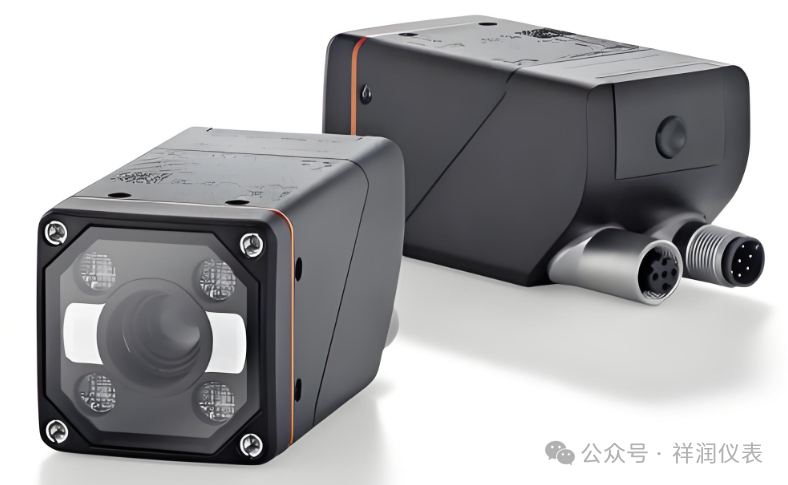
10. Vision Sensor
2D Vision: Used for object recognition and positioning.
3D Vision: Used for complex object modeling.
Application: Automation sorting, quality inspection.
These sensors are widely used in mechanical design for automation control, safety monitoring, quality inspection, and are key components for achieving intelligent manufacturing.
★ Source: Mufeng Machinery ↑ Reprint must indicate the above source ↑Disclaimer: This article is for informational purposes only and for reference. If there are issues regarding the content, copyright, or other matters, please contact us, and we will handle it immediately. If this article is reprinted on any platform, the responsibility lies with the reprinting party, and Xiangrun Instrumentation is not responsible for secondary dissemination caused by reprints.