Introduction: The Development of Smart Water Meters and the Importance of Pressure Sensing
In modern cities, with the growth of population and the acceleration of urbanization, the scale of water supply systems is becoming increasingly large, and the distribution of pipelines is complex. Traditional management methods face issues such as data fragmentation, delayed responses, and difficulties in fault location. Frequent incidents of heavy rain, pipeline leaks, and water quality pollution severely affect urban operational efficiency and residents’ quality of life.
In this context, pressure sensors serve as core components of smart water meters, providing critical data support for water companies by monitoring pressure changes in the water supply network in real-time, helping to achieve functions such as leak detection, fault location, and optimized scheduling. This article will delve into the application technology, working principles, and future development trends of pressure sensors in water meters.
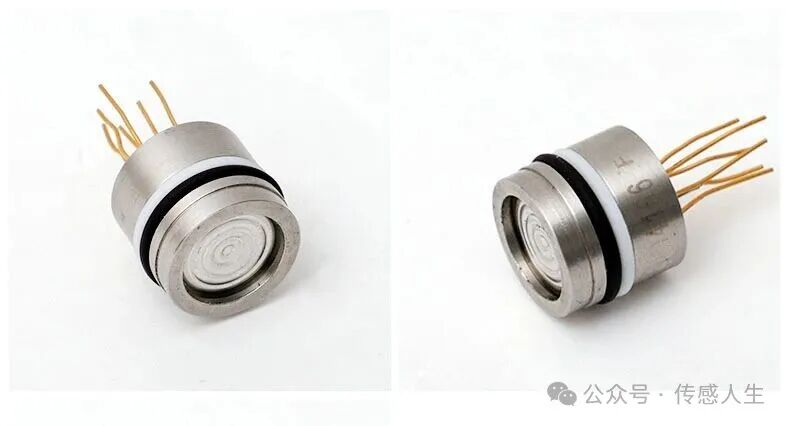 Working Principles and Technical Characteristics of Pressure Sensors
2.1 Core Sensing Principle: Piezo-resistive Effect
The smart pressure monitoring instrument primarily uses piezo-resistive pressure transmitters as the core sensing element. Its working principle is based on the “piezo-resistive effect” of semiconductor materials—when pipeline pressure acts on the sensitive element, its resistance value changes correspondingly with pressure variations. These resistance changes are converted into electrical signals through precision circuits, ultimately transforming into digital pressure values.
Compared to traditional mechanical pressure gauges, piezo-resistive sensors have advantages such as fast response times and high measurement accuracy, capable of capturing minute pressure fluctuations during peak water usage periods, providing a reliable data foundation for water management.
2.2 Environmental Adaptability and Stability Design
The underground pipeline environment is complex and variable, with temperature fluctuations, sudden pressure changes, and electromagnetic interference affecting measurement accuracy. To address this, smart pressure sensors employ various compensation and protection designs:
· Temperature compensation technology: Built-in digital temperature compensation and nonlinear correction technology adjust parameters in real-time to offset the impact of temperature interference on measurement results.
· Anti-interference design: The circuit includes electromagnetic shielding layers to isolate interference, and the sensor connections are treated for shock resistance, ensuring stable operation in environments with strong electromagnetic interference, pipeline vibrations, and high humidity.
· Durable material selection: The pressure transmitter housing is made from integrated stainless steel, resistant to corrosion and impact, capable of withstanding pressure shocks and airflow fluctuations in the water supply network.
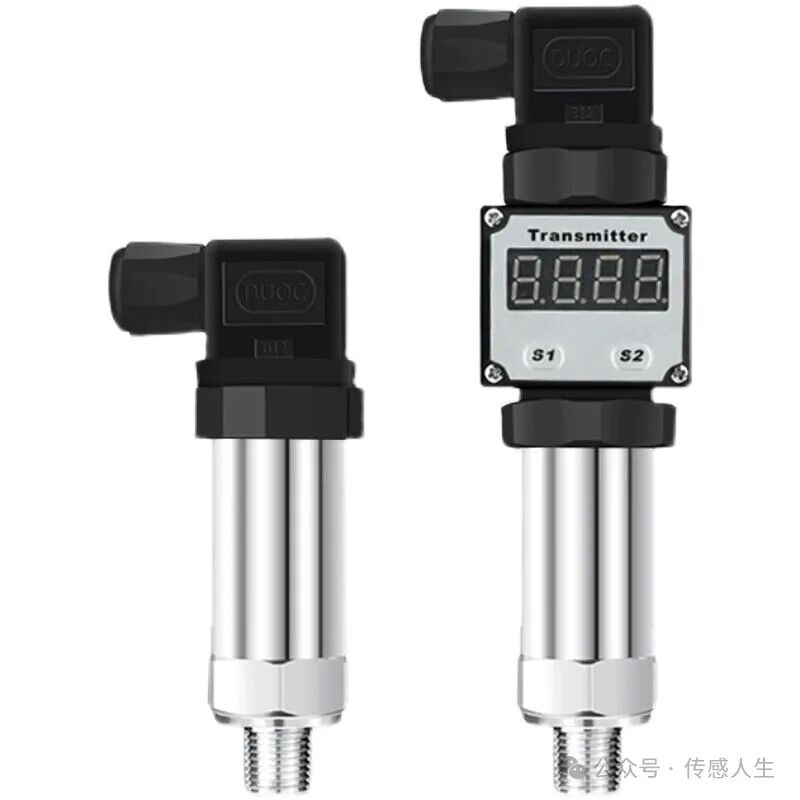
3. Integration Methods of Pressure Sensors in Water Meters
3.1 Integrated Design
Modern smart water meters directly integrate pressure sensors into the water meter, forming a compact integrated structure. This design typically includes:
· Tubes, electrodes, and excitation coils: Basic components for measuring water flow;
· Control acquisition circuit board: Contains microprocessors, power control circuits, communication circuits, etc.;
· Pressure acquisition circuit: Connected to the pressure sensor set on the tube, used to collect liquid pressure within the tube.
This highly integrated design allows the water meter to not only measure water usage but also monitor supply pressure simultaneously, greatly enhancing the functionality and data collection efficiency of the water meter.
3.2 Application of Dedicated Pressure Transmitters
Some high-end water meters use dedicated pressure transmitters, such as the PT124B-212 (IP68) model, which have undergone high-reliability amplification circuits and precise temperature compensation, utilizing exquisite packaging technology and complete assembly processes to ensure product quality and performance.

4. Key Functions and Application Value of Smart Water Meter Pressure Sensors
4.1 Leak Detection and Location
When a leak occurs in the water supply network, it leads to a local drop in pressure. The pressure sensors in smart water meters can capture these abnormal fluctuations and achieve leak location through the following methods:
· Anomaly detection: When the system detects abnormal flow or sudden pressure changes, it locates the leak area using GIS maps.
· Automatic alarms: Sends alarm information to management personnel via WeChat, SMS, email, etc.
· Maintenance work order generation: Automatically generates maintenance work orders and dispatches them to relevant personnel, ensuring timely repair of abnormal faults.
4.2 Water Quality Warnings and Emergency Response
Pressure changes can sometimes reflect water quality issues or pipeline contamination events. The smart water meter system integrates pressure data with other parameters to achieve:
· Water quality anomaly warnings: When pressure change patterns are abnormal, combined with water quality sensor data, the system can warn of potential water quality issues.
· Rapid emergency response: Once pressure anomalies are detected and water quality issues confirmed, the system can quickly locate the affected area and initiate emergency response mechanisms.
4.3 Pump Station Optimization and Energy-saving Operation
Pressure changes in the water supply network directly reflect the operational status of pump stations. Based on pressure sensor data, the system can achieve:
· Intelligent scheduling of pump stations: Remotely adjusts the start-stop and speed of pump groups based on real-time pressure data to achieve energy savings.
· Rapid control of anomalies: When pressure anomalies occur, the system can quickly adjust the operational status of the pump station to avoid equipment damage and water supply interruptions.
5. Practical Application Case: Smart Sensing Project of Guzhen Zhonghuan Water
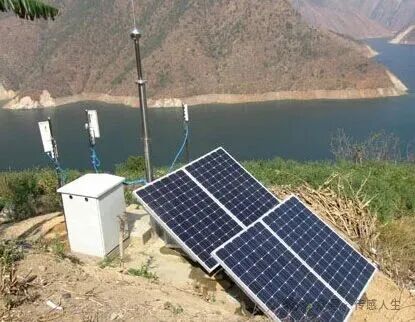
In September 2025, Guzhen Zhonghuan Water Co., Ltd. launched a research project for collaborative monitoring of smart sensing terminals in the water supply network. This project involves installing remote flow meters, remote pressure sensors, and solar power supply devices at various ports of the main water supply network to upload flow and pressure data to a platform for management and analysis.
The specific configuration of the project includes:
· Integrated flow meters: A total of 15 units of various calibers
· Pressure sensors: 20 units
· Solar power supply systems: 34 sets
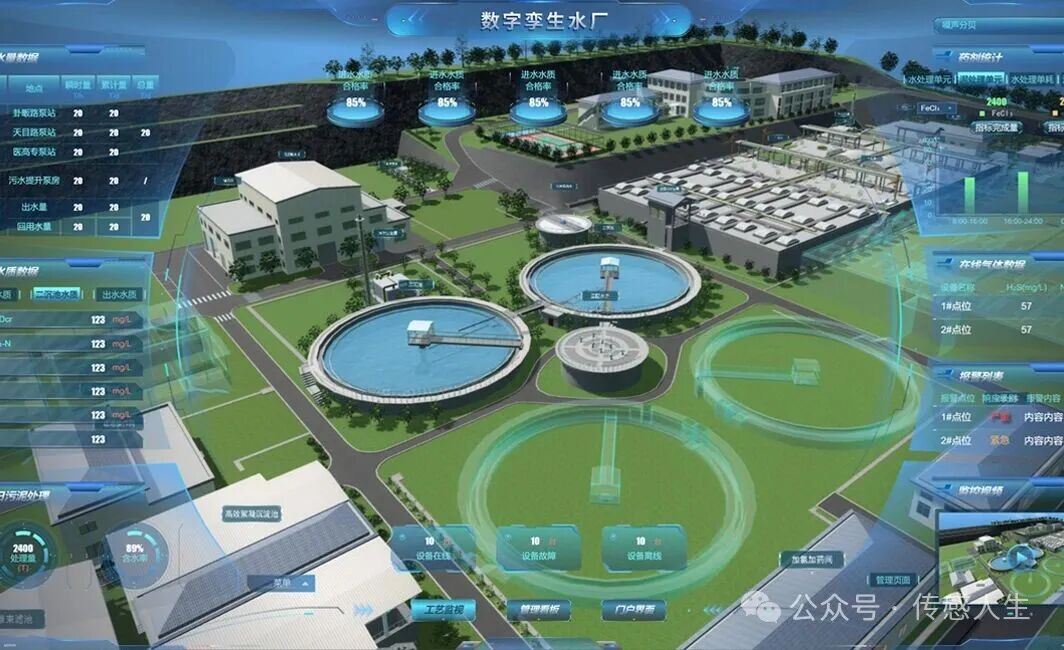
These devices provide data support for the subsequent software system launch, achieving unified management of water usage and loss within the jurisdiction.
6. Technological Development and Future Trends
6.1 Low Power Consumption and Long-lasting Design
The new generation of smart water meter pressure sensors focuses on low power consumption design, such as the 129CP series digital water pressure sensors launched by Sensata Technologies, which have extremely low power consumption, helping to optimize battery life and can be used in highly challenging environments with high humidity and impact for 10 to 15 years.
6.2 Digital Integration and Intelligent Communication
Modern pressure sensors are no longer just “reading tools” but are deeply integrated with the Internet of Things and big data platforms. These smart sensors can:
· Real-time transmit pressure data to management platforms via 5G/4G networks
· Support digital I2C output, directly integrated into the printed circuit board (PCB) of the instrument
· Analyze trends by combining historical data and pipeline models to predict potential failures
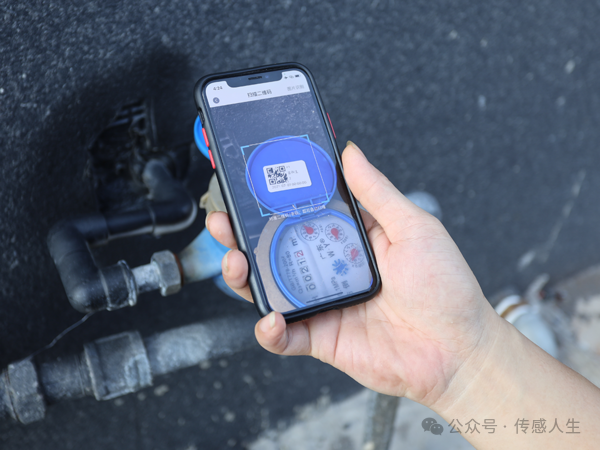
6.3 Multifunctional Integration and Collaborative Monitoring
Future smart water meters will further integrate various sensors to achieve collaborative monitoring. In addition to pressure sensing, this includes:
· Temperature acquisition circuits: Using thermistors and voltage dividers to directly sample with microprocessor AD pins, obtaining current temperature through program lookup, effectively warning of environmental temperature to prevent freezing of water meters and pipelines.
· Water quality monitoring modules: Real-time monitoring of water quality parameters (such as pH, residual chlorine, turbidity) at the inlet and outlet and at the end of the pipeline.
7. Challenges and Outlook
Despite significant progress in the application of pressure sensors in smart water meters, challenges remain: the complexity of the underground environment poses higher demands on sensor durability and accuracy; multi-source data fusion and analysis require more advanced algorithm support; and the cost-effectiveness balance of large-scale deployment needs optimization.
In the future, with the development of new materials, new processes, and artificial intelligence technologies, smart water meter pressure sensors will become more precise, durable, and intelligent, providing a more solid technical foundation for smart water management and helping water companies better address the challenges of sustainable water system management.