Living in Xili, Shenzhen, very close to the Tsinghua University Shenzhen Graduate School, Professor Wen is a good friend introduced to me by my friend Gao Zhi. Over the past year, we have met three times, and each time he has encouraged my research. Yesterday, Professor Wen sent me his latest research. A year ago, when we met, he introduced me to his research on multi-agent workflows. However, this is the first time he has applied his research to teaching Chinese and English.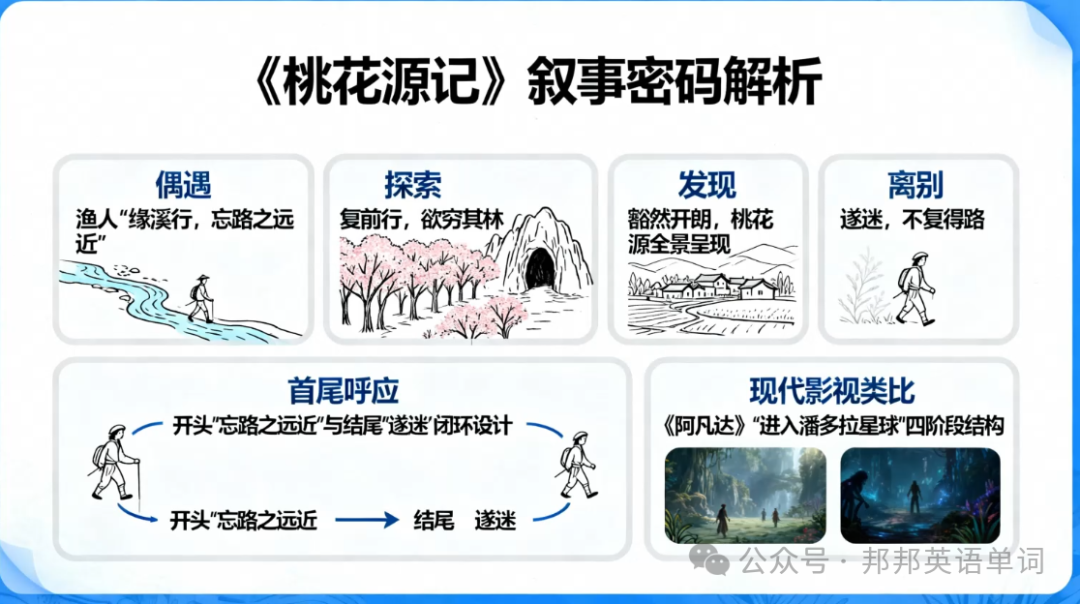 By mobilizing multiple agents, it can fully automate the interpretation of a Chinese text, generate teaching designs and teaching materials, and even autonomously export teaching videos to provide guidance and instruction to students. This is the remarkable aspect of Professor Wen’s research. Specifically, see the two videos below, each about 9 minutes long.The first two minutes of both videos are silent, showcasing the preparation process of the AI agents created by Professor Wen. Starting from the third minute, the AI agents begin to simulate teaching students.Professor Wen asked me to evaluate his research. I watched the teaching video he produced for the Foreign Language Teaching and Research Press version of the text The Best Medicine and felt that his vocabulary difficulty control was not as good as mine. This is because I have been training GPT, informing it of my preferred vocabulary range, such as words from the CEFR levels A1-B2. Additionally, since GPT has memory, the vocabulary it generates for me is quite friendly for my students. There are some factual errors in Professor Wen’s Chinese text teaching video, but the depth is excellent and very enlightening for frontline teachers learning text interpretation. Professor Wen’s research has its advantages; he mobilizes multiple agents to provide a comprehensive service that includes interpretation, teaching design, material production, simulated explanations, and personalized tutoring. This is what the multi-agent collaborative workflow in the title of this article refers to, simulating the mechanism of multiple experts in a project research team working together to solve a complex task or problem.