Empowering Robots with Touch: NYU Scholars Open Source 3D Printed Skin, Cost Drops by 99%!

Empowering Robots with Touch: NYU Scholars Open Source 3D Printed Skin, Cost Drops by 99%!

Why have tactile sensors not become widespread in the field of robotics, and why is this situation about to change? Amazon’s Vulcan is its first robot to utilize tactile sensing technology for fine manipulation. In tightly constrained grasping and placing scenarios, tactile sensing should be a disruptive key. While humans primarily rely on vision, we … Read more

Introduction to Humanoid Robot Sensors with Up to 60% Growth

Introduction to Humanoid Robot Sensors with Up to 60% Growth

Previously, we introduced the tactile sensors of humanoid robots. In fact, in addition to tactile sensors, robots require a total of four types of sensors: force sensors, tactile sensors, inertial measurement units, and visual sensors. Today, we will elaborate on these. Force Sensors Force sensors convert mechanical signals into electrical signals and are core to … Read more

RoboSense | Electronic Skin and Flexible Tactile Sensor Product Series

RoboSense | Electronic Skin and Flexible Tactile Sensor Product Series

01RoboSenseCompany OverviewRoboSense is headquartered in Singapore, with core members including foreign academicians, national specially-appointed experts, professors from Zhejiang University, and chief engineers from Fortune 500 companies.The core products are flexible tactile sensors and electronic skin, capable of sensing pressure, temperature, humidity, pain, etc. They have been recognized as “black technology” in robotics by Xinhua News … Read more

Robot Series V: An Overview of the Electronic Skin (Flexible Tactile Sensor) Industry Chain

Robot Series V: An Overview of the Electronic Skin (Flexible Tactile Sensor) Industry Chain

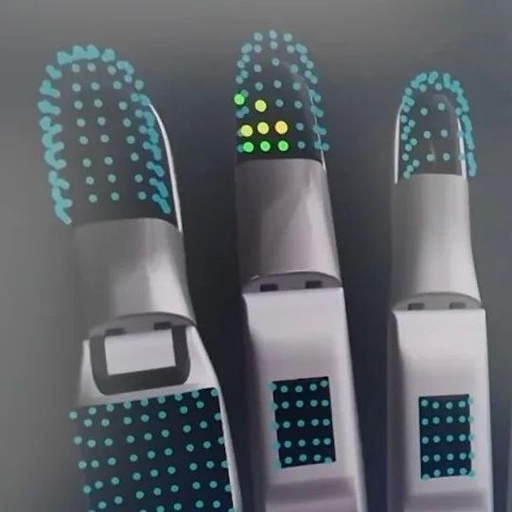
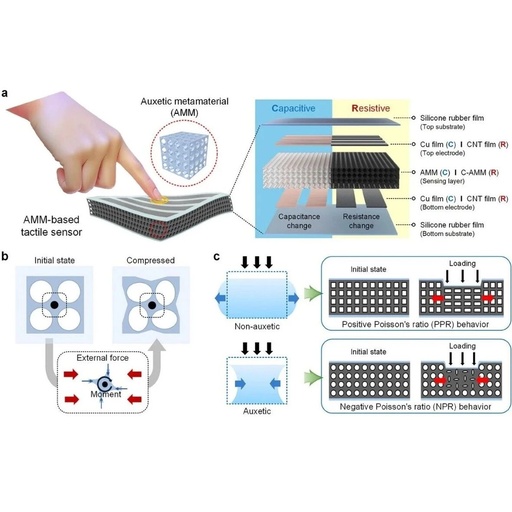
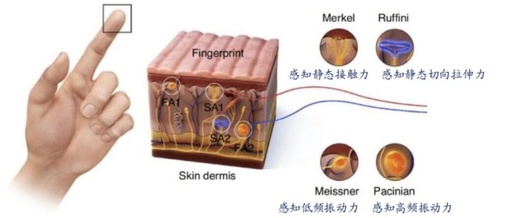
Core Logic: Electronic skin is a flexible tactile sensor that mimics the sensory capabilities of human skin, serving as a fundamental component for robots to perceive their environment and perform tasks.Currently, the application of electronic skin in humanoid robots mainly focuses on dexterous fingertips. In the future, as the trend of “humanization” evolves, it is … Read more