7.3.2 Pressure Sensors
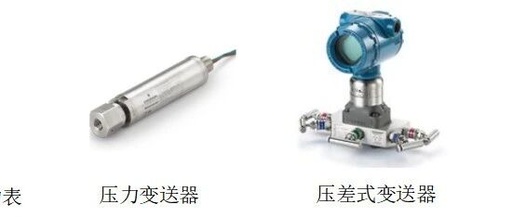
7.3.2 Pressure Sensors

7.3.2 Pressure Sensors (1) Concept A pressure sensor is a device that converts pressure signals (primarily the pressure of gases or liquids) into quantifiable electrical signals. Its working principle involves pressure acting directly or indirectly on the sensor’s pressure-sensitive element (such as piezoresistive, capacitive, or piezoelectric elements), causing changes in the electrical parameters (such as … Read more

Unveiling the Design of MEMS Pressure Sensor Chips: From Thin Films to Resistors, Key to 0.1% F.S. Accuracy

The barometer in your phone and the tire pressure monitoring system in your car are both powered by a “compact yet precise” MEMS pressure sensor. It operates based on the piezoresistive effect of silicon, measuring only in millimeters, yet it can accurately sense pressure changes. This design document from Wang Dajun’s team breaks down the … Read more

Main Technical Approaches of Flexible Tactile Sensors

Main Technical Approaches of Flexible Tactile Sensors

A tactile sensing array is a tactile sensor composed of multiple tactile sensing units. Each tactile sensing unit can measure the contact force at a single point, while the tactile sensing array, by integrating multiple sensing units, has the capability to detect distributed contact forces. Currently, there are various methods to implement tactile sensing, which … Read more

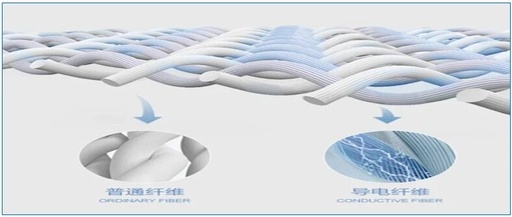
Applications of Conductive Fibers in Flexible Fabric Pressure Sensors

Applications of Conductive Fibers in Flexible Fabric Pressure Sensors

Platform URL https://eureka.zhihuiya.com/home?from=KOC_XianjinGNCL With the rapid development of the Internet of Things (IoT), wearable technology, and human-computer interaction interfaces, flexible electronic devices, especially fabric-based sensors, are becoming the focus of research and commercial applications. Conductive fibers, as the core material for constructing such devices, endow traditional textiles with the ability to perceive and respond to … Read more