Introduction to GPIO in STM32F1 Series

Introduction to GPIO in STM32F1 Series

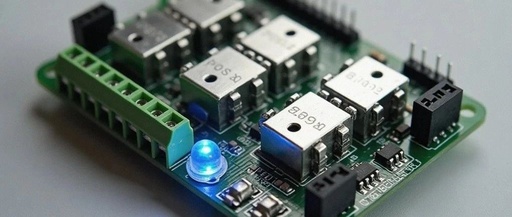
1. What is GPIO?GPIO stands for General Purpose Input Output, which means general input and output ports. For our usage, it is similar to the IO of the 51 microcontroller.Function: It is responsible for collecting information from external devices or controlling the operation of external devices, i.e., input and output.As shown in the figure below, … Read more
Fundamentals of ESP32 Peripheral Control: Detailed GPIO Applications and Input/Output Examples

Fundamentals of ESP32 Peripheral Control: Detailed GPIO Applications and Input/Output Examples

1. What is GPIO? GPIO (General Purpose Input Output) refers to “general-purpose input/output ports,” which are pins that can be flexibly configured as input or output through software. Typical applications in embedded development include: Controlling output devices such as LED lights, relays, and buzzers Detecting input devices such as buttons and dip switches Interacting with … Read more

Understanding 4-Wire SPI in One Article

Understanding 4-Wire SPI in One Article

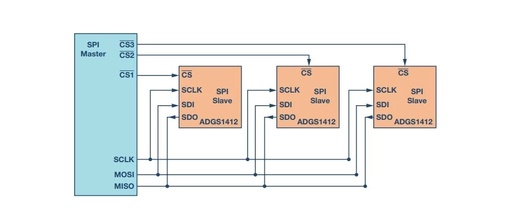
The Serial Peripheral Interface (SPI) is one of the most widely used interfaces between microcontrollers and peripheral ICs such as sensors, ADCs, DACs, shift registers, and SRAM. SPI is a synchronous, full-duplex, master-slave interface. Data from the master or slave is synchronized on the rising or falling edge of the clock. Both the master and … Read more

STM32 Peripheral Driver Module Three: Key Module

STM32 Peripheral Driver Module Three: Key Module

unsetunset1. Module Introductionunsetunset <span>Key</span> is a commonly used input control interface in STM32 embedded systems, widely used for human-computer interaction, state switching, and system debugging. In actual project development, the <span>key module</span> has the following typical uses: User input control (e.g., mode switching, start/stop commands) Embedded system debugging (triggering interrupts/testing responses) Multi-functional interface navigation (used … Read more

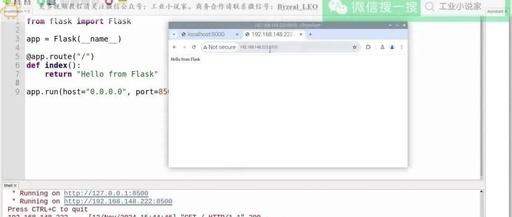
Raspberry Pi Beginner’s Guide – 14. Control GPIOs via Web

Raspberry Pi Beginner's Guide - 14. Control GPIOs via Web

Click the blue text to follow me Hello! I am glad to have youfollow the Industrial Novelist andwatch videos here. Our platform offers a variety of video tutorials, starting fromJuly 8, 2023, we have been updating every week on Mondays, Wednesdays, Fridays, Saturdays, and Sundays, aiming to provide more complete, systematic, and structured videos for … Read more

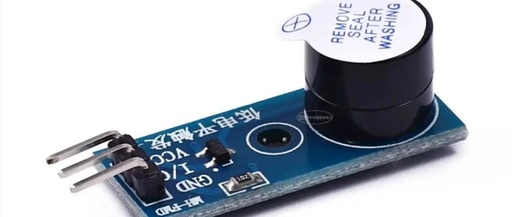
STM32 Peripheral Driver Module II: Buzzer Module

STM32 Peripheral Driver Module II: Buzzer Module

unsetunset1. Module Introductionunsetunset The buzzer is a sound output device commonly used in embedded systems, capable of emitting alert tones or alarms through simple level control. In STM32 development, using a buzzer can achieve functions such as: User interaction feedback (e.g., key sound effects) Abnormal state alarms (e.g., sensor failure) Power-on indication sound Sound output … Read more

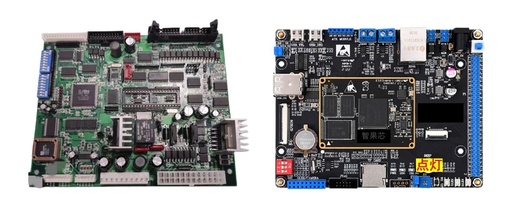
Embedded Linux Driver Development: Lighting an LED

Embedded Linux Driver Development: Lighting an LED

Today, we will light up an LED using driver development. Let’s see what the differences are between the two methods. 1. First, let’s look at the schematic First, we check the schematic to see which IO port the LED on our board is connected to. Now, from the schematic, we know that the LED is … Read more

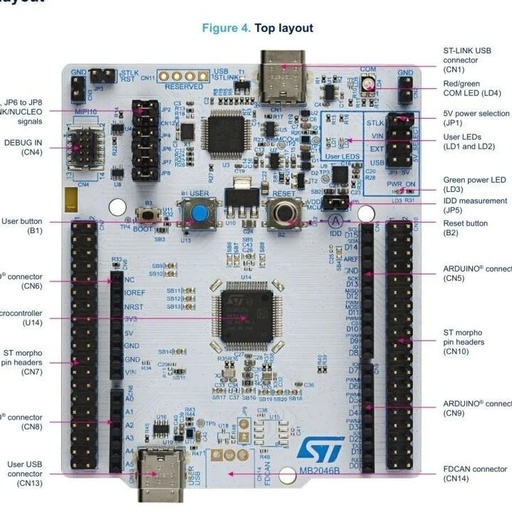
Comprehensive Review! Unveiling the Hidden Features of STM32C092RC【MCU Selection Issue 10】

Comprehensive Review! Unveiling the Hidden Features of STM32C092RC【MCU Selection Issue 10】

ST MCU Forum https://bbs.21ic.com/iclist-49-1.html *Reading Instructions: The following is a brief summary display, not ranked in any particular order. For detailed evaluation processes, source code, and materials, please click the original link to view. Review 1: 1. Setting Up the Development Environment https://bbs.21ic.com/icview-3452454-1-1.html To develop for a microcontroller, the first step is to set up … Read more

Microcontroller Programming Self-Learning Tutorial

Microcontroller Programming Self-Learning Tutorial

Click to follow “Stephen“, Set as “pinned or starred”, to receive valuable content immediately Table of Contents Microcontroller Basics Development Environment Setup Basic C Language GPIO Programming Timer Applications Interrupt System Serial Communication ADC Applications PWM Control Sensor Interfaces Comprehensive Projects Advanced Technologies Microcontroller Basics What is a Microcontroller? A microcontroller (Microcontroller Unit, MCU) is … Read more

I2C to 16-Channel GPIO Expansion Accessory Board: AirGPIO_1000

I2C to 16-Channel GPIO Expansion Accessory Board: AirGPIO_1000

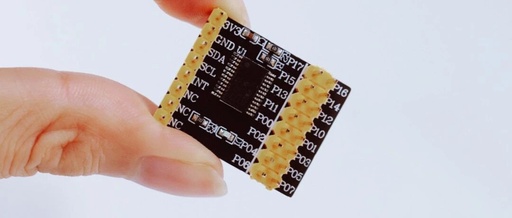
AirGPIO_1000——A GPIO expansion accessory board designed and produced by Hezhao, converting I2C to 16 channels, comes with 8 female-to-female DuPont wires. AirGPIO_1000 is used with the Air8101 core board, requiring no modification to the demo code; simply burn and run it to perform tests for GPIO output, input, and interrupt functionalities. ▼ Click to view … Read more