
After several challenging years, the biopharmaceutical industry may finally see an improvement in the deal-making environment. Integration and innovation have become key themes, and by 2025, deal activity is expected to shift significantly towards fewer but higher-value licensing deals, with mergers and acquisitions showing a similar trend. Recent major transactions, including Novo Nordisk’s acquisition of Akero, Pfizer’s victory over Novo Nordisk in the Metsera bidding war, and Merck’s acquisition of Verona, highlight the industry’s thirst for transformative assets in the fields of metabolic and respiratory diseases.
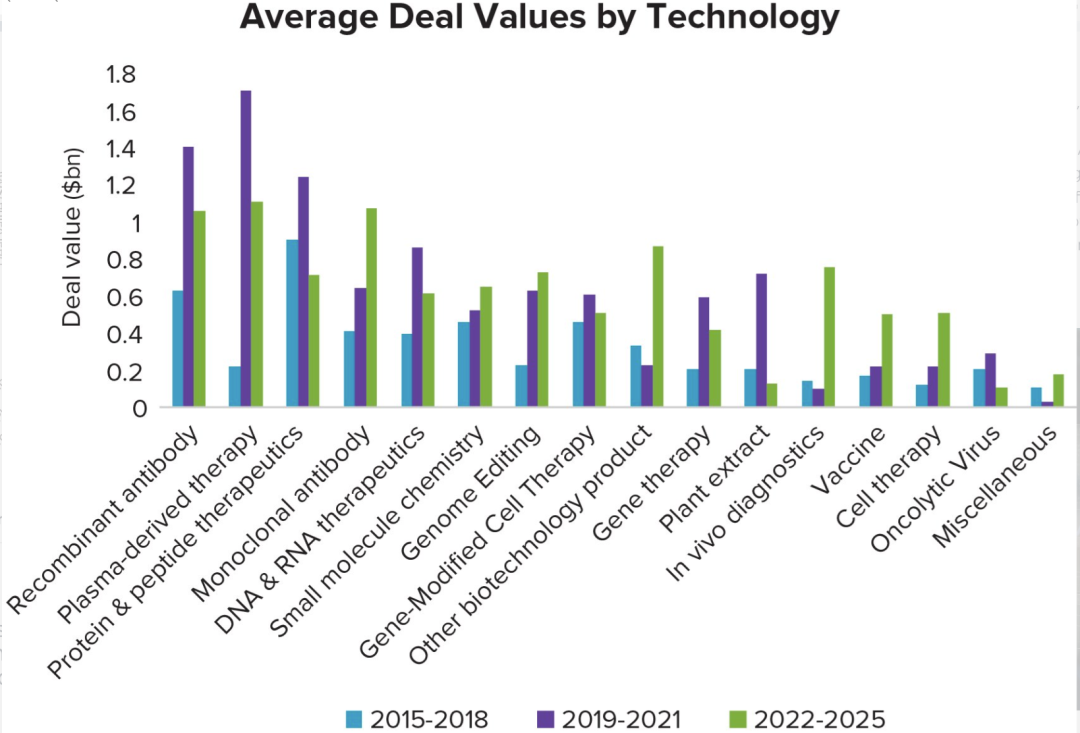
Figure 1: Average deal value by technology (Source: Evaluate Pharma)
Deal activity status shows, on one hand, a cautious optimism among participants regarding market conditions, while on the other hand, it provides clues for the next wave of technologies and models driving biopharmaceutical innovation. In recent years, GLP-1 receptor agonists and antibody-drug conjugates (ADCs) have led the growth, but Evaluate’s data suggests that these areas may be nearing their developmental peak. This raises the question: What will come next? Where will major pharmaceutical companies place their bets?
According to Evaluate Pharma’s recent report titled “How Pharma Dealmaking Can Reveal Tomorrow’s Therapies,”
-
Biologics and next-generation drugs dominate: The industry is doubling down on complex biologics, reflecting a shift towards targeted therapies with better efficacy and safety.
-
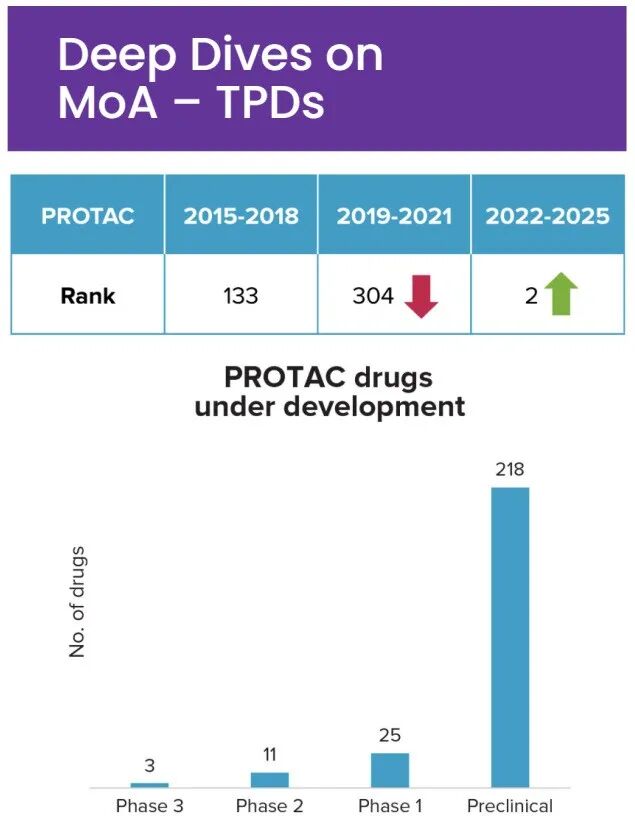
Emerging mechanisms of action (MoA) are rising: TL1A inhibitors, protein degraders, and PDE3/4 inhibitors are rapidly climbing the ranks in deals, marking a shift from symptomatic treatments to novel disease-modifying approaches.
-
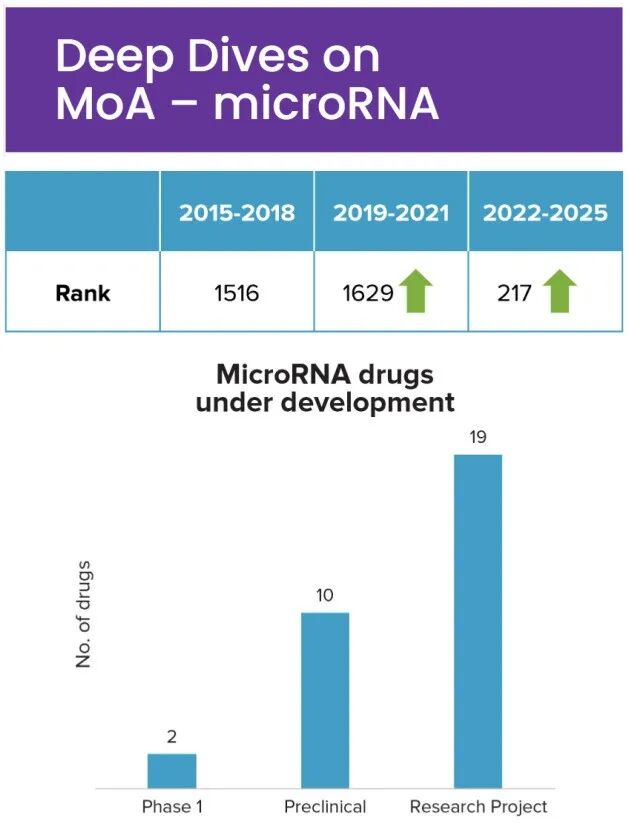
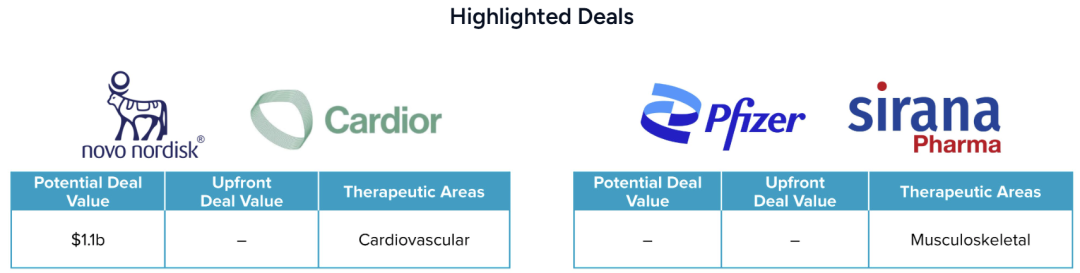
RNA technologies: Circular RNA (circRNA) and microRNA (miRNA) are gaining momentum, with Pfizer, Novo Nordisk, and Merck recently completing related deals.
-
Cell and gene therapies expand horizons: Regulatory T cell (Treg) therapies and gene-modified cell therapies are opening new frontiers, ushering in a new era of precision medicine and regenerative medicine.
From the perspective of mechanisms of action (MoAs), Evaluate has identified the top 10 mechanisms of action based on transaction volume and value, as well as global peak sales and net present value (NPV) metrics.
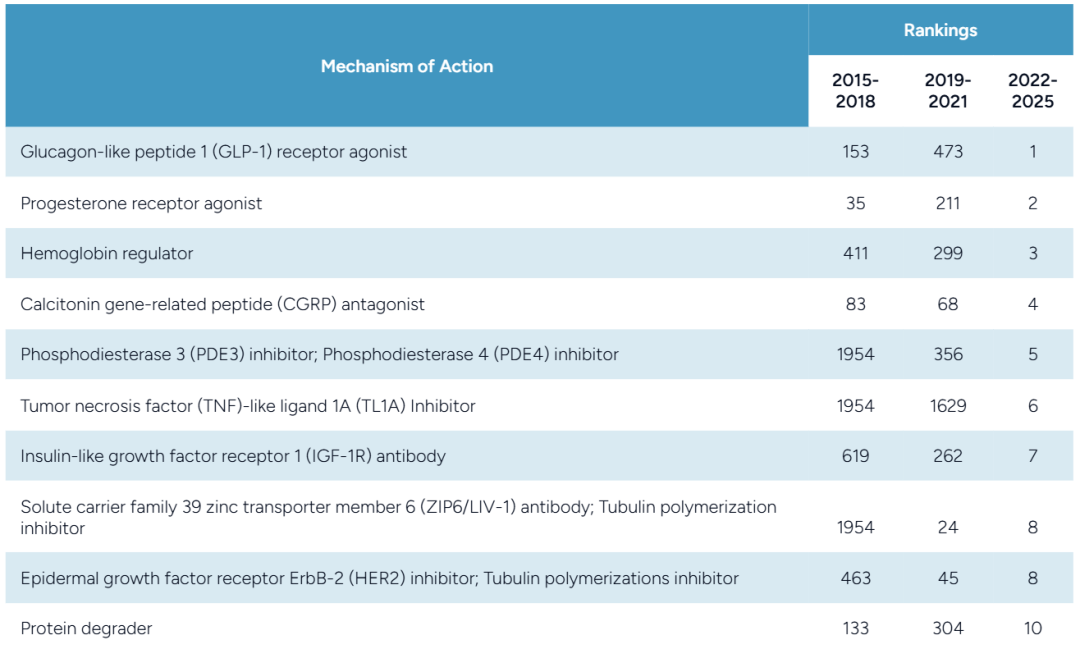
Figure 2: Top 10 mechanisms ranked by deal activity (Source: Evaluate Pharma)
Growth in the GLP-1 space continues, leading the analysis of deal activity. This is attributed to transactions as early as 2015, such as the collaboration between Eli Lilly and Hanmi Pharmaceutical. These mechanisms play a fundamental role in metabolic diseases, and deal activity reflects the market’s ongoing validation and high expectations as more indications open up.
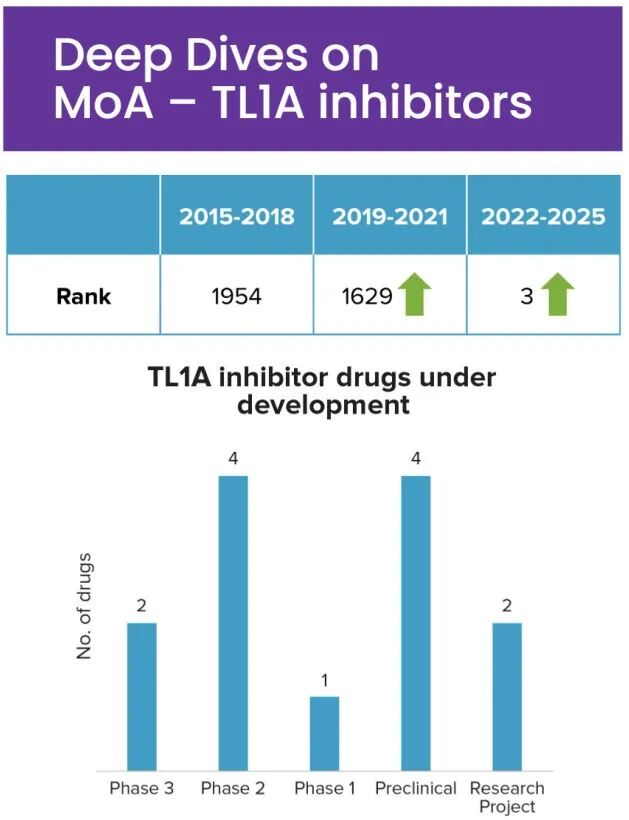
Emerging mechanisms such as TL1A inhibitors, protease inhibitors, and PDE3/PDE4 inhibitors are also noteworthy. Particularly, TL1A inhibitors have risen from obscurity to prominence, reflecting the growing interest in new approaches for gastrointestinal diseases.
Additionally, Evaluate has listed several emerging mechanisms worth noting. Among them, the most striking emerging mechanism is TL1A inhibitors, which have jumped from rank 1956 to 5, making it one of the fastest-rising emerging mechanisms in the Evaluate dataset. This reflects its strong clinical validation in inflammatory bowel disease, with multiple phase 3 projects currently underway.
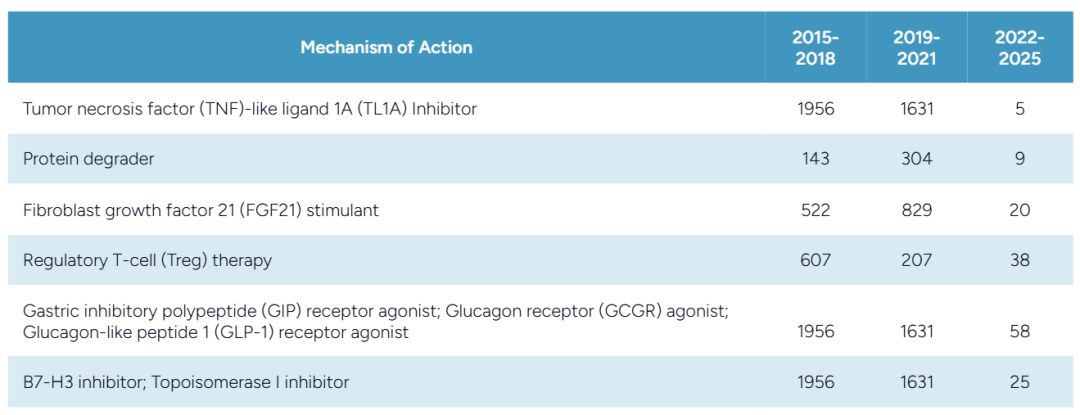
Figure 3: Key emerging mechanisms ranked by deal activity (Source: Evaluate Pharma)
Antibody-drug conjugates (ADCs) have been a hot area in recent years, with B7-H3/topoisomerase I ADCs representing the latest incarnation of them as the “next big thing.” This reflects the technological maturity of the field, allowing it to move beyond traditional HER2 applications into new solid tumor targets.
Regulatory T cell (Treg) therapies represent an expansion of cell therapies into the fields of immune tolerance and autoimmune diseases, with the potential to revolutionize treatment paradigms. Following the success of GLP-1s, triple gut incretin agonists offer enhanced metabolic coverage, building on the superiority of semaglutide.
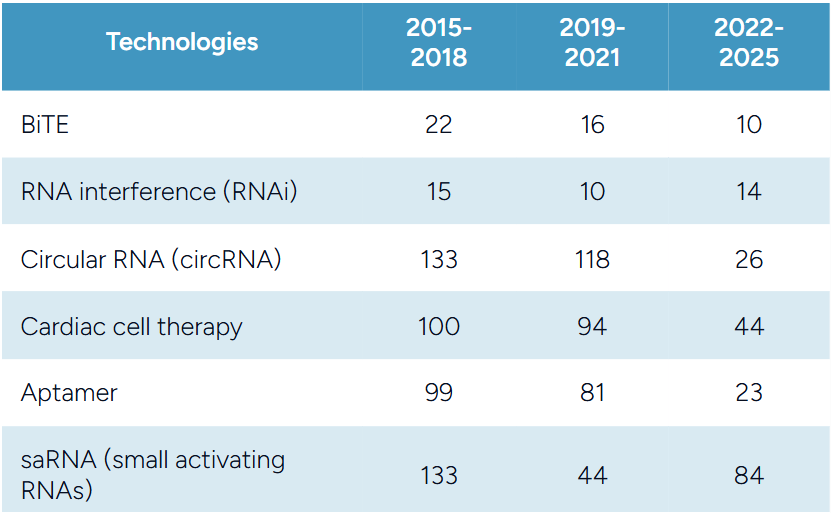
Figure 4: Emerging technology rankings (Source: Evaluate Pharma)
Continued market confidence in bispecific T cell engagers (BiTEs) indicates that even after the approval of Blincyto in June 2024, ready-to-use immunotherapy platforms still have clinically validated efficacy. This technology is expanding from hematologic malignancies to solid tumor applications, adopting next-generation half-life extending modalities.
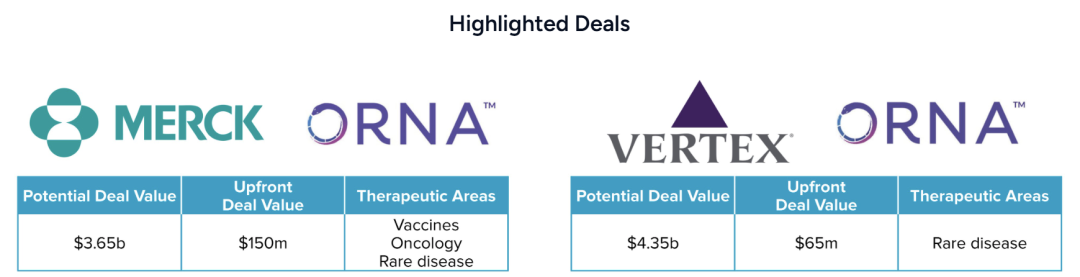
The emergence of circular RNA (circRNA) is also particularly noteworthy, being one of the fastest-rising emerging therapies in the Evaluate dataset. This is a result of the validation of mRNA vaccines, which demonstrate that circular structures have greater stability, lower immunogenicity, and sustained protein expression compared to linear mRNA, with the first clinical approvals expected between 2027 and 2029.
Included in the dataset of this report are nucleic acid aptamers, reflecting a renewed focus on oligonucleotide-based targeting molecules, which have advantages over antibodies due to their chemical synthesis, smaller size for superior tissue penetration, and dual therapeutic/diagnostic applications, with improved pharmacokinetic modifications addressing early renal clearance limitations.
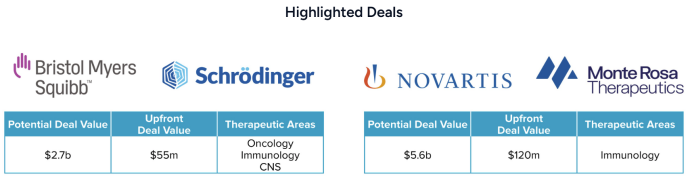
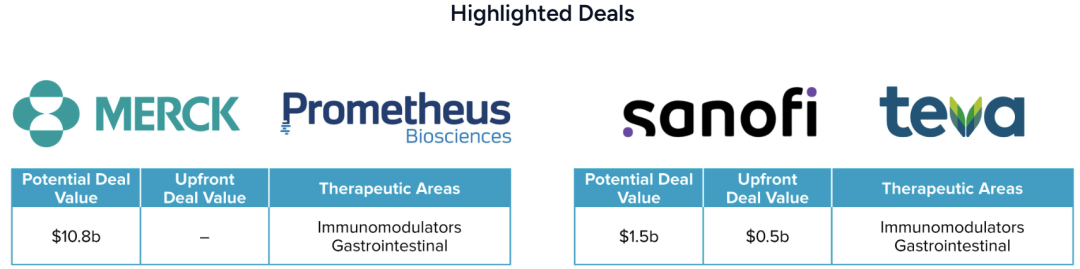
Here are the situations regarding TPDs, TL1A inhibitors, microRNA and circular RNA:
1. TPDs
2. TL1A inhibitors
3. microRNA
4. circRNA
References: How Pharma Dealmaking Can Reveal Tomorrow’s Therapies. Evaluate Pharma. November 19, 2025.
 Scan the WeChat QR code to add Yao Shikong editor Please indicate: Name + Research Direction!