At three o’clock in the morning, 26-year-old Xiao Li was once again awakened by the alarm of high blood sugar. She groped for the insulin pen on her bedside table—this was already her 3285th injection since being diagnosed with type 1 diabetes. “Mom, why do I have to get shots every day?” asked her five-year-old son, Tang Bao, looking up. His mother, holding the syringe with a trembling hand, had heard this question thousands of times but could never provide an answer that would bring a smile to her son’s face.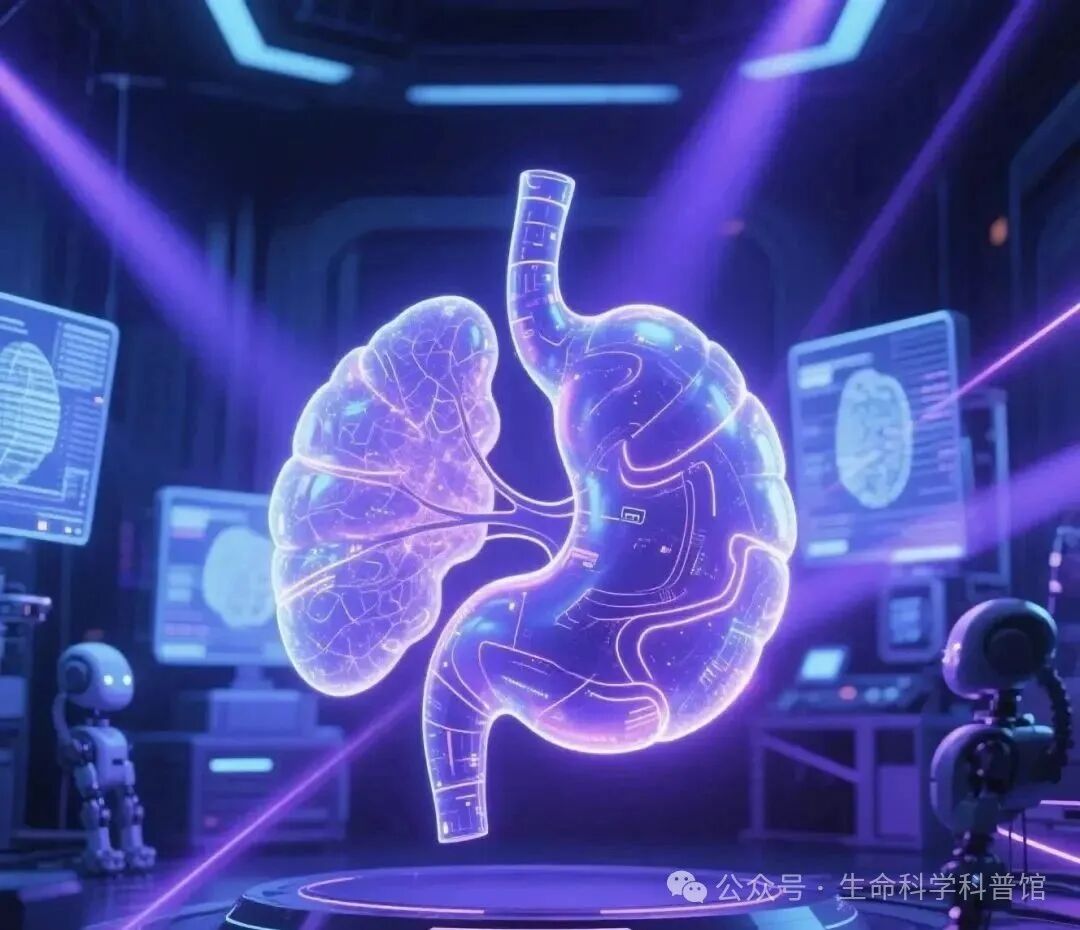
However, just last week, scientists provided a shocking global response: An international team led by Wake Forest University successfully manufactured fully functional human islets using 3D printing technology, showcasing this game-changing breakthrough at the 2025 European Organ Transplantation Society Conference.
PART 01The Miracle of Bioink: When Technology Meets LifeImagine if the ink sprayed by a printer was not ink but living cells capable of saving lives. The research team, with extraordinary creativity, cleverly mixed alginate with decellularized human pancreatic tissue to create a magical “bioink.” This ink not only carefully protects the cells like “natural glue” but also provides an excellent growth environment for the cells, akin to a “five-star home” for islet cells.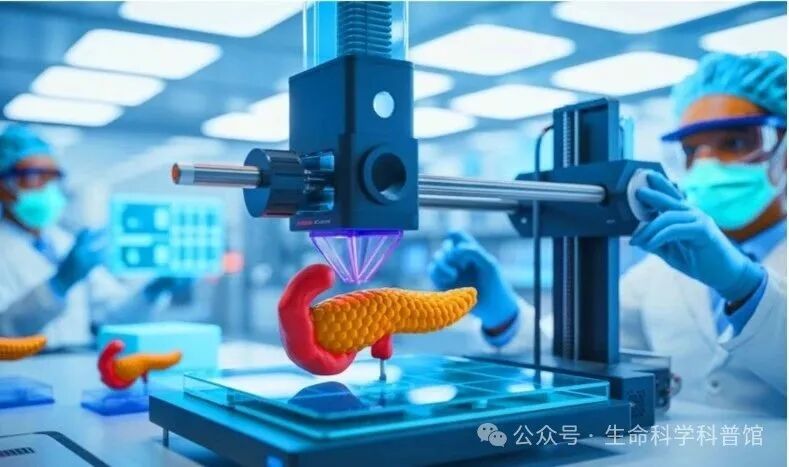
But the real challenge was: how to ensure that the fragile islet cells could withstand the “torture” of the printer? Scientists became “cell bodyguards,” adjusting the printing parameters to low pressure (30kPa) and slow speed (20mm/min), handling them as carefully as if they were infants. The results were encouraging—the survival rate exceeded 90%, and the cells not only survived but thrived.
PART 02
The ‘Breathing’ Islets: A Miracle of Life in the Laboratory
When researchers injected glucose into the petri dish, a stunning scene unfolded: these artificial islet cells immediately responded to blood sugar changes, precisely secreting insulin, with functionality even surpassing that of natural islets obtained through traditional methods. Even more astonishingly, after three weeks, the performance of these islet cells further improved, with enhanced sensitivity and response speed to blood sugar. The secret behind this exceptional performance lies in their ingenious structural design. The islets constructed using 3D printing technology feature a unique porous structure, resembling a miniature ventilation system that ensures the free flow of oxygen and nutrients. It is these tiny pores that lay a solid foundation for future angiogenesis after transplantation, allowing these printed islets to truly “take root” and grow within the human body, fulfilling their intended function. This groundbreaking advancement brings new hope for diabetes treatment, potentially providing diabetic patients with a more stable and efficient insulin supply, greatly improving their quality of life.PART 03
Goodbye Needles: Minimally Invasive Implants Change Millions of Lives
For the world’s460 million diabetes patients, the true blessing is the revolutionary change in treatment methods. Traditional islet transplantation requires complex surgery to inject into the liver, while the new technology only requires asmall incision under the skin, as simple as a minor cosmetic procedure.
“The goal is to rebuild the natural home of the pancreas,” described Dr. Perrier, the project leader. When the bioink constructs a supporting structure similar to the pancreas under the skin, the transplanted islets can receive ample nutrients and truly “live and thrive.”
What is most exciting is the prospect: In the future, perhaps only one implantation will be needed to say goodbye to lifelong insulin injections. Imagine a life without counting carbohydrates, without late-night pricks, and without worrying about hypoglycemic comas—this would be a rebirth for type 1 diabetes patients.
PART 04From Laboratory to Bedside: How Many Steps Away Are We?
Although dawn has appeared, scientists are still tackling the final fortress:→ Animal experiments are underway to verify transplantation effects→ Research on cryopreservation technologyis in progress to achieve “ready-to-use” solutions→ Exploringstem cell and pig isletalternatives to address the shortage of human donors
As thelargest diabetes country in the world (with over140 million patients), China is also racing ahead. Tsinghua University has developed a stepwise suspension 3D printing technology that can print myocardial tissue on complex vascular scaffolds, laying the foundation for organ printing.
PART 05When Bioprinting Reshapes Medicine The impact of this breakthrough extends far beyond diabetes treatment. It not only demonstrates humanity’s ability to repair the body but also heralds the possibility of “recreating” organs. With the dynamic interface printing technology developed by an Australian team being 350 times faster than traditional methods, and a Swiss company achieving the printing of a vascularized pancreatic model in just 30 seconds, the era of on-demand organ customization is rapidly approaching.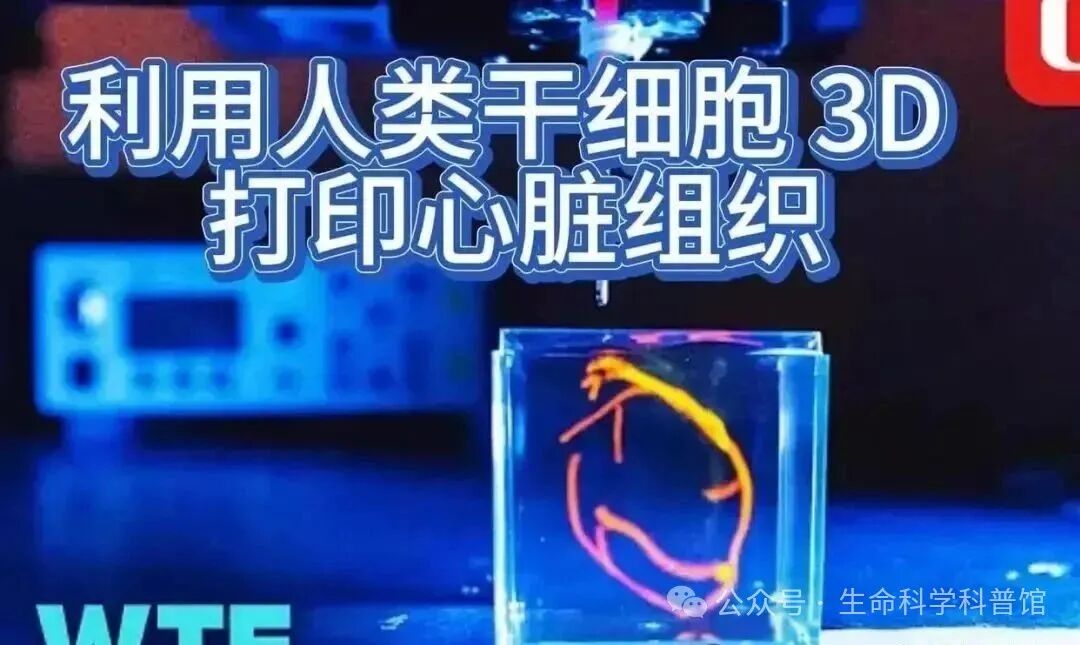
“In the past, diabetes was a lifelong dependency; in the future, it may become controllable by engineering,” an observer remarked. As medicine transitions from “repairing defects” to “recreating life, “the possibilities of life are being redefined.
In the late-night laboratory, the last researcher gently turned off the lights. In the incubator, those islet cells cultivated through 3D printing technology continued to operate quietly, constantly sensing changes in simulated blood sugar levels. They were unaware that they carried the earnest hopes of hundreds of millions of diabetes patients worldwide to escape the daily burden of injections. Dr. Perrier’s firm promise at the press conference echoed: “We are about to launch a revolutionary ‘ready-to-use’ diabetes therapy, which is expected to completely eliminate the need for insulin injections.” Perhaps in the near future, when five-year-old Tang Bao curiously asks again, “Why do I need to get shots?” his mother can smile with relief, pointing to the small mark on her child’s abdomen and answering, “Look, here we have installed a smart blood sugar manager for you.” From that moment on, blood sugar management will no longer rely on needles but on advanced 3D printing technology; health will no longer be dictated by fate but led by technological innovation.
I am Teacher Yu, working in regenerative medicine. If you want to learn more about cell information, feel free to leave a message in the comments!