In today’s world, where digital healthcare is increasingly permeating our lives, wearable molecular sensors are becoming a hot topic in global health management. They not only enable continuous tracking of biomarkers in non-traditional body fluids (such as interstitial fluid, sweat, tears, and breath), providing remote, real-time, personalized health data, but also open new avenues for precise diagnosis and treatment of chronic diseases, endocrine, and metabolic disorders. On September 8, 2025, the authoritative review published in the top international journal Nature Reviews Endocrinology systematically outlines five major technical challenges and innovative opportunities in this field, clearly stating that only by overcoming five barriers—understanding physiological mechanisms, technological hurdles, data intelligence analysis, clinical validation, and system integration—can wearable molecular sensors truly integrate into the future healthcare system, contributing to global health equity and high-quality living. This article will deeply interpret the core viewpoints, combining international policies, cutting-edge technologies, and humanistic reflections, showcasing how this transformation impacts individual health choices and the future of society.
The Burden of Chronic Diseases and the Demand for Digital Health Transformation
According to the World Health Organization (WHO) 2024 Global Health Report, the number of chronic disease patients worldwide has exceeded 1.5 billion, with diabetes, obesity, cardiovascular, and endocrine diseases becoming major threats.[1]Traditional diagnostic and treatment models rely on periodic hospital tests, which fail to capture physiological fluctuations and early disease signals in real life, leading to delayed treatment and fragmented health management. The United Nations’ 2030 Sustainable Development Goals (SDG 3) explicitly states the need to achieve “health for all” through innovative technologies, promoting disease prevention, precise diagnosis, and health equity.[2]In this context, wearable molecular sensors, with their low invasiveness, continuity, and remote capabilities, have become one of the key technologies for digital health transformation.
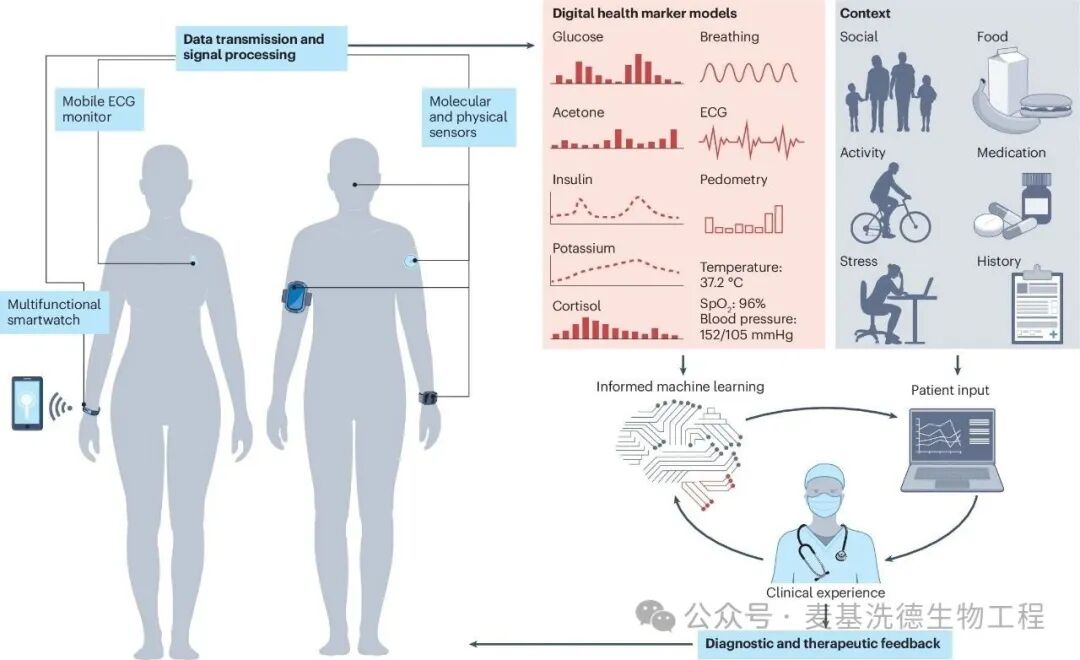
Figure 1 Vision of Patient-Centered Remote Digital Health Monitoring
Technical Principles and Innovative Breakthroughs: Multi-Fluid, Multi-Indicator, All-Weather Monitoring
Biomarker Collection from Non-Traditional Body Fluids
The paper points out that while blood is the mainstream for traditional testing, it is not the best carrier for all physiological information. Interstitial fluid better reflects the activity of hormones and metabolites at the tissue level, while sweat, tears, and breath provide continuous data on electrolytes, metabolic products, and volatile organic compounds.[3]For example, continuous glucose monitoring (CGM) has become a standard diagnostic tool for type 1 diabetes, achieving a closed-loop insulin delivery system through interstitial fluid detection, significantly improving patients’ quality of life.[4].
Diverse Sensing Strategies and Material Innovations
Current sensors encompass various principles, including electrochemical, biomolecular recognition (enzymes, antibodies, molecularly imprinted polymers, aptamers), nanomaterials, and optical methods. Research teams have developed microneedle collection, microfluidic sweat collection, smart glasses for tear detection, and various breath analysis devices to achieve precise detection from trace body fluids to large molecules.[5]For instance, molecularly imprinted polymers can selectively recognize cortisol, while aptamers are used for detecting the inflammatory factor IL-6, promoting the realization of multi-indicator, dynamic health profiling.
Intelligent Data Analysis and Personalized Health Modeling
The paper emphasizes that continuous health data provides a rich foundation for machine learning and personalized medicine, but high-dimensional, dynamic data also brings risks of spurious correlations. Only by integrating clinical knowledge, environmental factors, and user input can machine learning achieve reliable predictions and causal inferences.[6]For example, CGM data combined with dietary, exercise, and stress information can be used for automatic insulin adjustment and personalized risk assessment, promoting the development of “deep phenotyping” medicine.
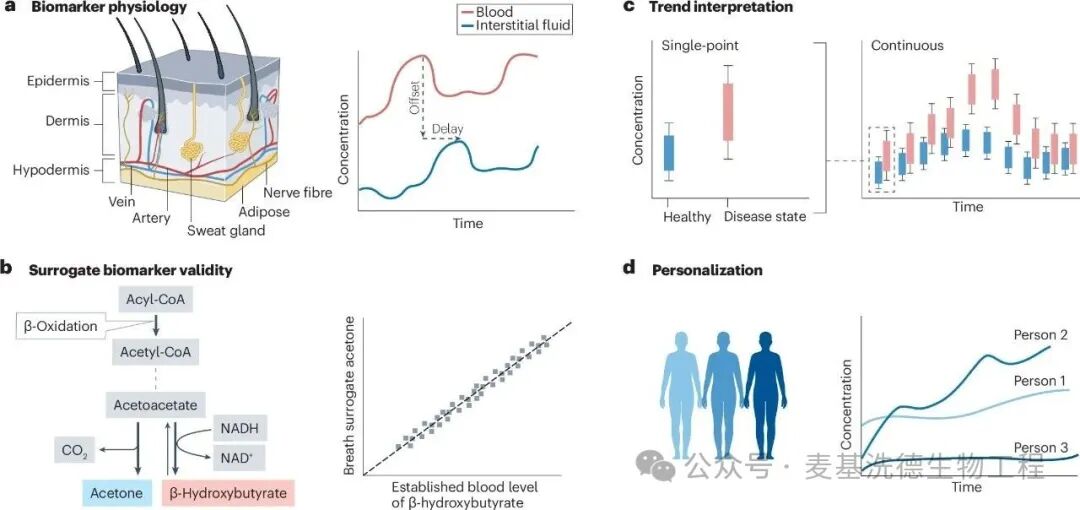
Figure 2 Challenges of Continuous Biomarker Monitoring in Non-Established Biological Matrices
Five Major Challenges and Solutions: From Laboratory to Real World
Understanding Physiological Mechanisms and Lack of Reference Standards
The concentrations and dynamics of biomarkers in non-traditional body fluids differ significantly from those in blood. The paper points out that hormone levels in interstitial fluid are usually much lower than in plasma, and only free hormones possess biological activity.[7]Analysis of sweat and breath is greatly influenced by environmental factors, diet, and individual differences, necessitating the establishment of fluid-specific reference ranges and dynamic standards. The International Diabetes Federation (IDF) emphasizes that only by integrating physiological rhythms and individual characteristics can early disease warning and precise intervention be achieved.[8].
Technological Barriers and Sensor Performance Bottlenecks
Currently, most molecular sensors are still in prototype or preclinical stages. Achieving high selectivity, stability, and reversibility in complex body fluids while avoiding biological contamination and environmental interference is a core technical challenge. For example, microneedle collection faces challenges of biocompatibility and continuous sampling, while nanomaterial sensors must overcome the impact of temperature and humidity changes on data accuracy.[9]OECD’s Health Technology Innovation Report suggests accelerating the development of material optimization, self-cleaning surfaces, and environmental compensation mechanisms to promote long-term stable operation of sensors.[10].
Intelligent Analysis and Data Security Challenges
High-frequency health data provides a vast training space for artificial intelligence but also increases the risk of privacy breaches and algorithmic bias. The paper proposes that clinical expert knowledge, patient input, and environmental data must be integrated into algorithm development to avoid spurious correlations and misjudgments.[11]UNESCO’s Universal Declaration on Bioethics and Human Rights warns that the application of health data must respect individual privacy and the right to informed consent, establishing a secure and transparent data governance system.[12].
Clinical Validation and Multi-Scenario Adaptability
Most wearable molecular sensors have not yet completed large-scale clinical validation, lacking diverse populations and long-term follow-up data. The paper suggests establishing a phased validation mechanism, gradually promoting from laboratory to community and home, ensuring that technology works stably across different ages, genders, and lifestyles.[13]WHO’s Digital Health Strategy points out that technology implementation must closely integrate with real-life scenarios to enhance user experience and compliance.[14].
System Integration and Health Pathway Embedding
Currently, most wearable devices are isolated products, lacking deep integration with healthcare systems, electronic health records, and user behavior data. The paper calls for future realization of device interconnectivity to form a multidimensional health ecosystem, promoting the implementation of intelligent diagnosis, remote intervention, and personalized health management.[15]World Bank’s Global Digital Health Report emphasizes that only through collaborative innovation at the policy, technology, and service levels can true health equity and inclusiveness be achieved.
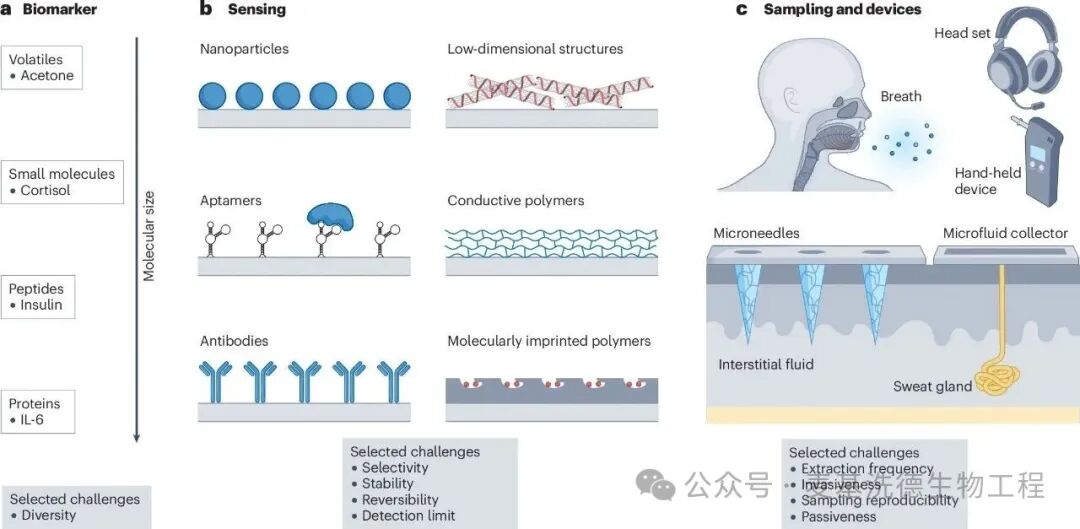
Figure 3 Aspects and Related Challenges of Molecular Sensing
Social Significance and Multidimensional Value: Health, Industry, Ethics, and International Impact
Health Promotion and Public Welfare
Wearable molecular sensors provide continuous, low-invasive health monitoring for chronic disease patients, the elderly, and sub-healthy populations, promising to detect disease risks early, optimize treatment plans, and enhance quality of life.[16]In China, with the aging population and high incidence of chronic diseases, the demand for digital health management is growing. The National Health Commission’s Healthy China Action (2020-2030) explicitly states the need to promote the popularization of smart health devices to improve the health level of the entire population.[17].
Technological Innovation and Industrial Upgrading
Breakthroughs in this field are driving the collaborative development of biomaterials, sensor manufacturing, medical big data, and artificial intelligence across multiple industries. According to McKinsey Global Institute’s 2024 report, the digital health industry is expected to have an average annual growth rate of over 15% in the next five years, with wearable molecular sensors likely becoming a new growth point in medical devices, health insurance, and smart elderly care.[18].
Ethical Governance and Social Equity
The paper emphasizes that the collection and application of health data must balance privacy protection, fair distribution, and cultural diversity. Habermas’s “Theory of Communicative Action” reminds us that technological innovation should serve human dignity and social justice, avoiding data monopolies and algorithmic discrimination.[19]On the international cooperation level, the EU’s Digital Health Community Program and China’s Digital Health Development Strategy both advocate for shared technical standards, data mutual recognition, and global health equity.
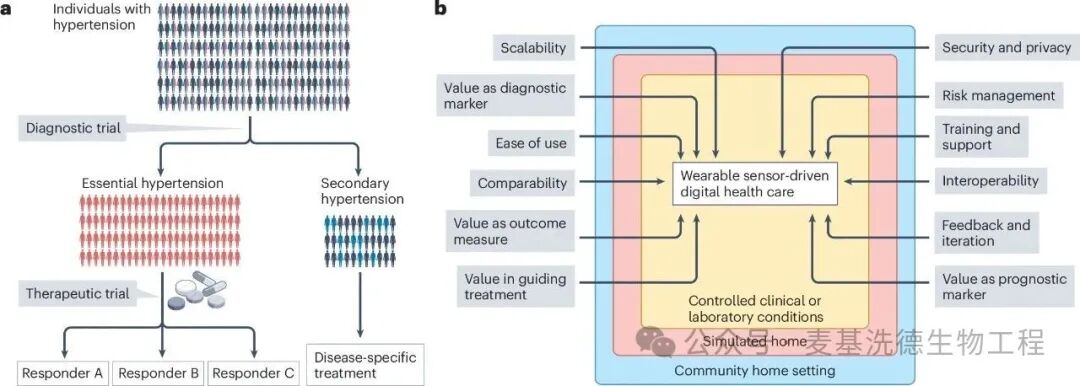
Figure 4 Example Research Design and Incubator Path for Wearable Sensor Technology
Future Outlook: Development Trends and Challenges in the Next Three to Five Years
Multi-Fluid, Multi-Indicator Comprehensive Health Profiling
In the future, wearable molecular sensors will achieve integration of multiple body fluids and indicators, forming dynamic, comprehensive health profiles. By combining genomic, proteomic, and environmental data, they will promote precision medicine and personalized health management.
Deep Integration of Intelligent Algorithms and Clinical Decision-Making
Artificial intelligence will deeply integrate with clinical knowledge and user behavior data, achieving disease risk prediction, intelligent treatment plan formulation, and automation of health interventions, promoting a shift from “disease treatment” to “health maintenance”.
Collaborative Innovation in Industrial Ecosystems and International Standards
The global digital health industry will accelerate standardization, interoperability, and collaborative innovation across the industrial chain. International organizations, governments, and enterprises will jointly promote policy innovation, technology dissemination, and capacity building to achieve global health equity and sustainable development.
Ethical Governance and Enhancement of Social Adaptability
Health data governance will place greater emphasis on privacy protection, user participation, and cultural adaptability. Technological innovation and humanistic care will be equally prioritized, promoting the social acceptance and fairness of health management.
Conclusion: The Deep Resonance of Technological Innovation and Human Health
The forward-looking review published in Nature Reviews Endocrinology not only reveals the technological breakthroughs and challenges of wearable molecular sensors in the field of endocrine and metabolic health but also provides new ideas for global health governance, industrial upgrading, and the pursuit of human values. As emphasized by the ancient Chinese concept of “preventing disease before it occurs,” health management should focus on individual differences and dynamic changes. In the future, technological innovation and humanistic care will jointly promote the realization of healthy living, injecting new vitality and hope into human society.
References
[1] World Health Organization, “Global Health Report 2024,” 2024, p.23
[2] United Nations, “2030 Sustainable Development Goals,” 2015, SDG 3
[3] Güntner AT et al., “Challenges and opportunities of wearable molecular sensors in endocrinology and metabolism,” Nature Reviews Endocrinology, 2025, 21(8):1-20
[4] International Diabetes Federation, “IDF Diabetes Atlas,” 2023, p.45
[5] Dittrich PS et al., “Microfluidic devices for sweat analysis,” Lab Chip, 2022, 22(5):845-862
[6] Topol E, “Deep medicine: How artificial intelligence can make healthcare human again,” Basic Books, 2019, p.122
[7] Gerber PA et al., “Interstitial fluid as a matrix for continuous hormone monitoring,” Trends Endocrinol Metab, 2024, 35(4):321-332
[8] International Diabetes Federation, “Continuous glucose monitoring and diabetes care,” 2022, p.31
[9] Serra N et al., “Wearable biosensors: Materials and challenges,” Adv Mater, 2024, 36(12):2208790
[10] OECD, “Health Technology Innovation Report,” 2023, p.47
[11] Puhan MA et al., “Machine learning in digital health,” Lancet Digital Health, 2023, 5(7):e410-e420
[12] UNESCO, “Universal Declaration on Bioethics and Human Rights,” 2021, Article 5
[13] Beuschlein F et al., “Multistage validation of wearable sensors in endocrinology,” Nature Reviews Endocrinology, 2025, 21(8):13-15
[14] World Health Organization, “Global Digital Health Strategy 2023,” 2023, p.62
[15] World Bank, “Global Digital Health Report,” 2022, p.55
[16] National Health Commission of China, “Healthy China Action (2020-2030),” 2020, p.18
[17] Dittrich PS et al., “Wearable sensors and personalized health,” Trends Biotechnol, 2024, 42(6):590-601
[18] McKinsey Global Institute, “Digital Health Industry Outlook Report 2024,” 2024, p.77
[19] Habermas J, “The Theory of Communicative Action,” Polity Press, 1984, p.219
The article is an objective analysis and interpretation by the expert team of the R&D center of McGee Shide Bioengineering Co., Ltd., based on recently published literature in international authoritative journals, aimed at promoting academic exchange and industry insights. The charts and data cited in the text are derived from original literature, and the copyright belongs to the original authors and publishers. If there are any copyright issues, please contact us promptly, and we will address them as soon as possible.