 The Earth is a miracleTravel | GlobalSet National Geographic’s Chinese website as a favorite to receive normal updates
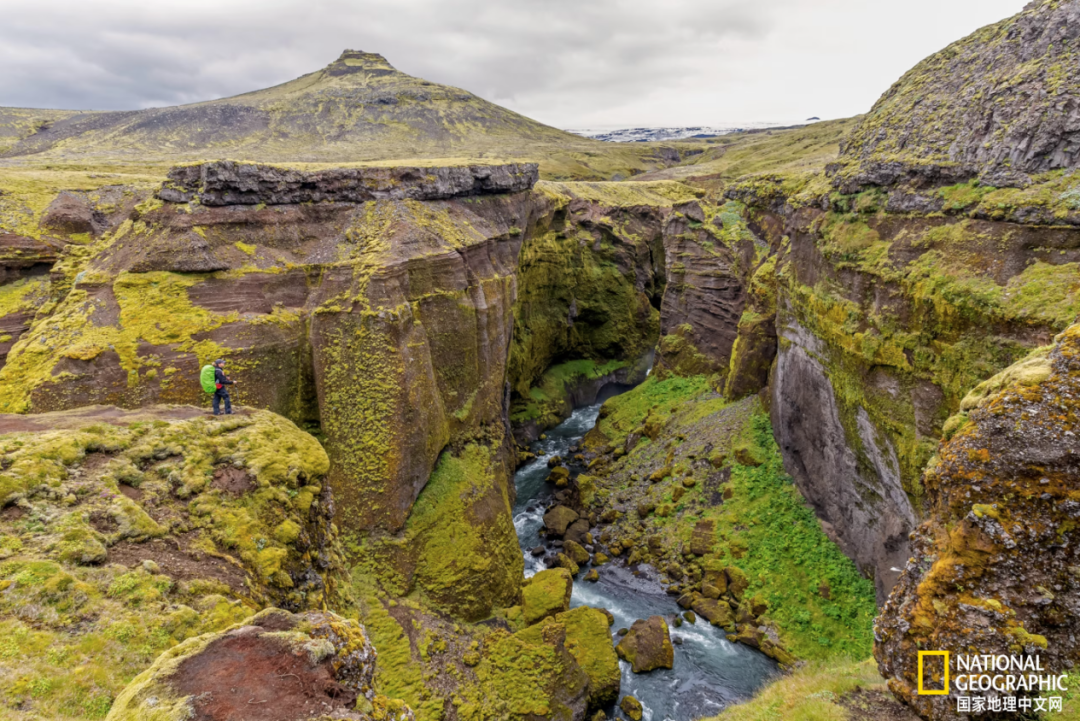 The Laugavegur Trail in Iceland starts at Landmannalaugar, known for its hot springs—these springs nestle beside alien-like green mountains, creating a unique landscape. | National Geographic
Nowadays, Wi-Fi coverage is ubiquitous. Regardless of the pros and cons, even in the most remote corners of the Earth, people can still stay connected. This makes it particularly difficult to achieve a “complete disconnection“—even if you yearn for a journey that allows you to escape all distractions.
But as long as you find the right places, Wi-Fi free havens still exist. Stepping into such places allows you to break free from the endless temptation of scrolling, the obsession with social trends, and the pressure to handle work even while on vacation.
“Intrepid Travel” Americas President Leigh Barnes admits:“Most of us have long forgotten the true feeling of‘living in the moment’. Choosing to disconnect, even for just a few days, is one of the most precious gifts you can give yourself.” The benefits of disconnection extend beyond this.
Kaiser Permanente psychiatrist Christina Lee points out:“Disconnecting from the internet can help us break the cycle of constant notifications and information overload, giving our brains space to‘reset’.
She further explains that disconnection can enhance focus, increase life satisfaction, spark creativity, and alleviate depression and anxiety.
Super runner Stefán Pálsson deeply resonates with this—he often hikes the Laugavegur Trail in Iceland, which has no Wi-Fi coverage throughout. He says, “To be honest, I truly hope there will never be internet here. Knowing that there are places in the world that force you to disconnect, focus on the present, and fully immerse yourself in nature feels particularly good.”
Serian Camps
Many safari camps in sub-Saharan Africa now have Wi-Fi coverage, but the Serian Camps in Kenya and Tanzania take the opposite approach—the operators intentionally keep the camps offline.
Serian Camps private guide Andrew van den Broeck states:“Safari should be, and always should be, a highly personal experience.”He explains:“Safari is a rare opportunity to immerse yourself in an ecosystem that is neither deliberately disguised nor overly accommodating.
However, once the thought of‘sharing the sights with those not present’ arises, this multi-sensory immersive experience can easily be disrupted.” Many visitors choose Serian Camps precisely for the ability to truly disconnect.
Interestingly, at the original Serian Camp in Kenya’s Masai Mara, there was a quirky little story: staff would take guests looking forWi-Fi to meet the camp’s adorable dog named“Wi-Fi”. Van den Broeck says that while the dog is no longer there, the philosophy of“staying offline at Serian Camps” remains unchanged.
Pamir Plateau
The Pamir Plateau in eastern Tajikistan boasts towering peaks, brilliant blue lakes, vast valleys, and small semi-nomadic communities scattered along the ancient Silk Road. The only passage through this area is the M-41 highway, more commonly known as the“Pamir Highway.”
With its unique cultural and historical value and stunning natural scenery, this highway is regarded by many travelers as one of the“world’s top road trip routes”—“Wild Frontier” founder James Willcox is one of them.
Upon reaching this remote area, you can see ancient ruins, pristine natural landscapes, and find yourself in a vast Wi-Fi free zone.
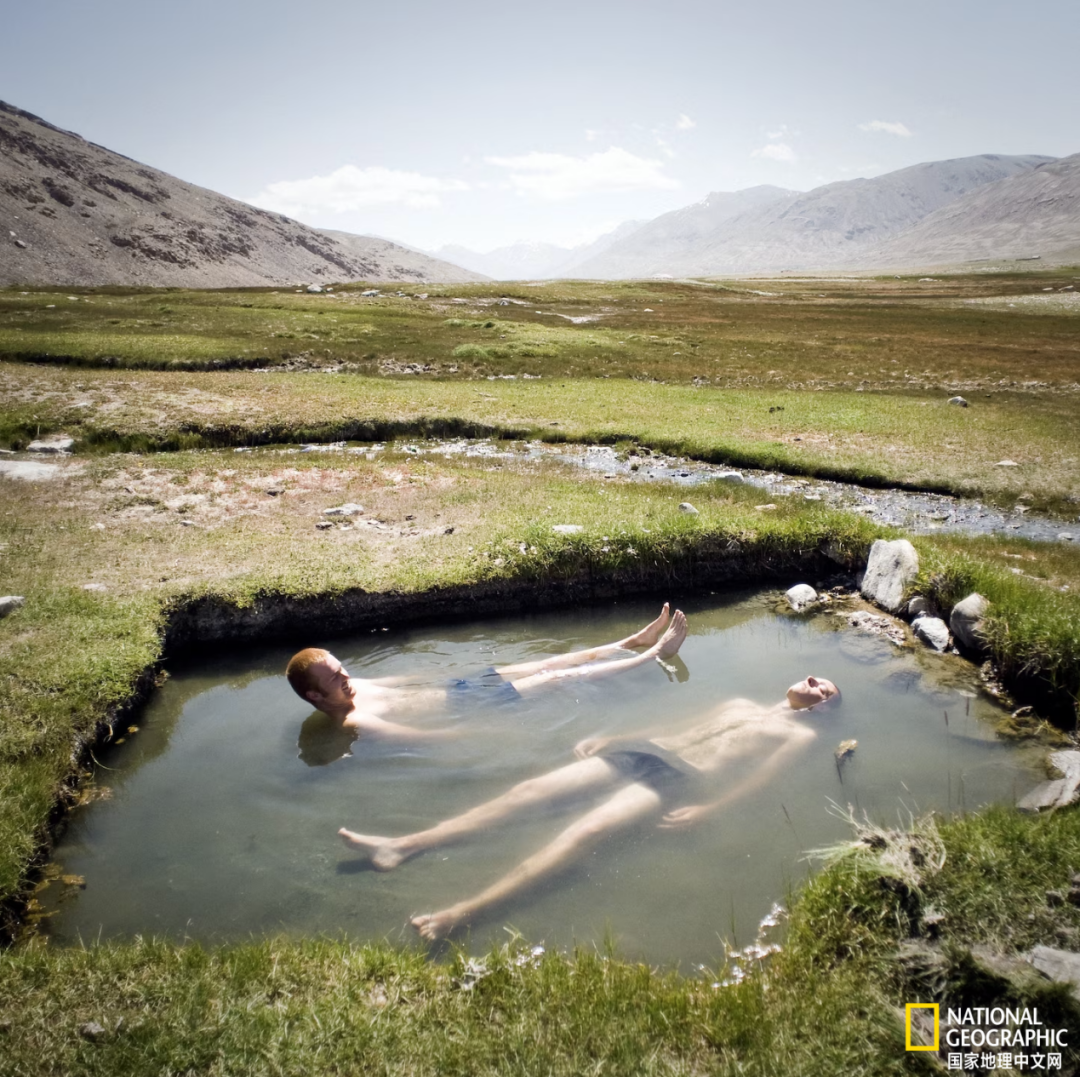 In the Pamir Plateau of eastern Tajikistan, Wi-Fi signals are hard to find. | National Geographic Image Collection
American Great Plains Reserve
The American Great Plains Reserve is located in the rural area of Montana, several hours’ drive from the nearest major city. This reserve covers over 500,000 acres, featuring vast pristine natural landscapes where you can find suitable spots for hiking, biking, or fishing.
In the reserve, you can see wildlife freely roaming, such as bison and pronghorns. At night, lying on a blanket and gazing at the starry sky is an excellent experience—there is almost no light pollution, and the Milky Way is particularly clear.
Throughout the reserve, only the small Antelope Creek Camp at the edge has Wi-Fi. If you want to completely disconnect, you can book other“base camps” in the reserve or bring your own tent to camp almost anywhere in the reserve.
To reach the American Great Plains Reserve, you need to fly to Bozeman, Billings, or Great Falls in Montana, and then drive several hours to get there. Accommodation must be booked in advance through the reserve’s official website, and there are no food vendors in the reserve, so it is recommended to stock up on supplies in the entrance community of“American Great Plains” before heading in.
Dana Biosphere Reserve Trail
Wi-Fi signals along the Jordan Trail are already scarce, and even in areas with signals, the network is unstable.With proper planning, you can completely avoid Wi-Fi throughout your journey.“Intrepid Travel” Jordan guide Mohammad Ayasrah often takes tourists hiking here, and he says the Dana Biosphere Reserve Trail is the most popular Wi-Fi free section of the Jordan Trail.
The Dana Biosphere Reserve Trail is popular because it passes through the core area of the Dana Biosphere Reserve, ultimately leading to the ancient city of Petra—the legendary city carved into the red sandstone mountains.
As you walk along the trail, you will traverse canyons, hills, and valleys, with constantly changing landscapes, each featuring unique terrain and wildlife. Many who hike this trail also choose to stay a while longer in Jordan, heading to the Wi-Fi free camps in the Wadi Rum desert to continue their disconnection journey.
Corbett Tiger Reserve
Once you step out of the gates of Jim Corbett National Park in northern India, Wi-Fi signals will completely disappear. The park is a vast tiger reserve with a diverse range of wildlife.
Without the interference of the internet, you might see elephants wandering through the forest, encounter black bears, or even hear the roar of a Bengal tiger in the distance. The reserve also features the 66-foot-high Corbett Waterfall and the historic Garjiya Devi Temple.
Visitors can stay at the “Forest Rest House,” which was built during the British colonial period in India and has a historical feel. Alternatively, you can choose the “Vanghat” eco-lodge, which is located on a secluded riverbank along the Sitaram Ganga River, offering a tranquil environment. The park’s cafeteria serves simple vegetarian meals, and the lodge also provides dining services.
Laugavegur Trail
The Laugavegur Trail(Laugavegur Trail) crosses the Þjórsárdalur valley in Iceland’s southern highlands. Pálsson explains:“This trail is hidden deep in the highlands, which we Icelanders call‘the core of the country’s uninhabited area.’”The trail begins at Landmannalaugar, famous for its hot springs, surrounded by pink-green mountains with a landscape that resembles an alien scene.
As you continue, you will enter a vast black lava field, with not a tree in sight, creating a spectacular view.Finally, hikers will descend into Þórsmörk—a lush valley filled with birch trees. Pálsson describes:“It feels like suddenly stepping into another world.”
The valley features glaciers, rivers, and volcanic craters, and you can see wildlife such as arctic foxes and reindeer. Except for the trail’s starting and ending points, there is no Wi-Fi along the way. Hikers can book mountain huts along the trail or camp at designated campsites.
Most huts sell simple food, but many prefer to bring their own supplies. The Langa Hotel is about a two-hour drive from the trailhead and about an hour from the endpoint, and the hotel can help visitors plan their hiking routes.
Written by:Jamie Davis SmithTranslated by: Arvin