“ In the wave of AI smart hardware, finding your own position is more important than blind innovation.”
By 2025, the AI hardware landscape will present a scene of prosperity intertwined with chaos.
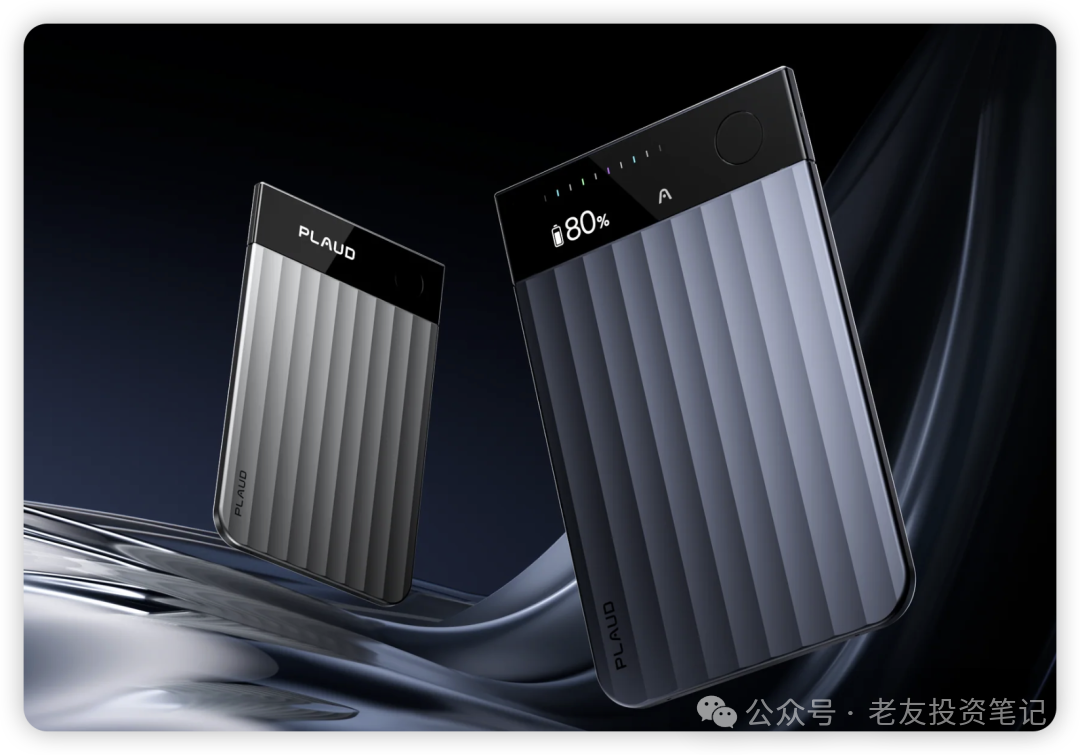
On one side, there are new factions like Plaud, which sold over a million AI recording cards globally, with an expected annual revenue of up to $250 million; on the other side, many AI glasses manufacturers are facing high return rates, with some platforms experiencing return rates as high as 40%.
In this context, various experts (entrepreneurs) face a fundamental question: What kind of faction (business model) should they choose?
Looking at the current successful AI hardware companies, they can be roughly divided into three different schools:
-
Learn from DJI (Shaolin) – Technology-driven, you need to have the patience of ten years to sharpen a sword and a strong technical research and development gene, suitable for tackling high-end “hard bones”.
-
Learn from Xiaomi (Beggar’s Sect) – Ecological platform, you need to have strong resource integration and supply chain management capabilities, suitable for waging a large-scale “people’s war”.
-
Learn from Anker (Tomb Sect) – Category deep cultivation, you need to have keen user insights and brand building capabilities, suitable for becoming an “invisible champion” in niche markets.
01 DJI (Shaolin School)
“Hardcore self-research, technology suppresses the crowd”
DJI is a model of the technology-driven approach.
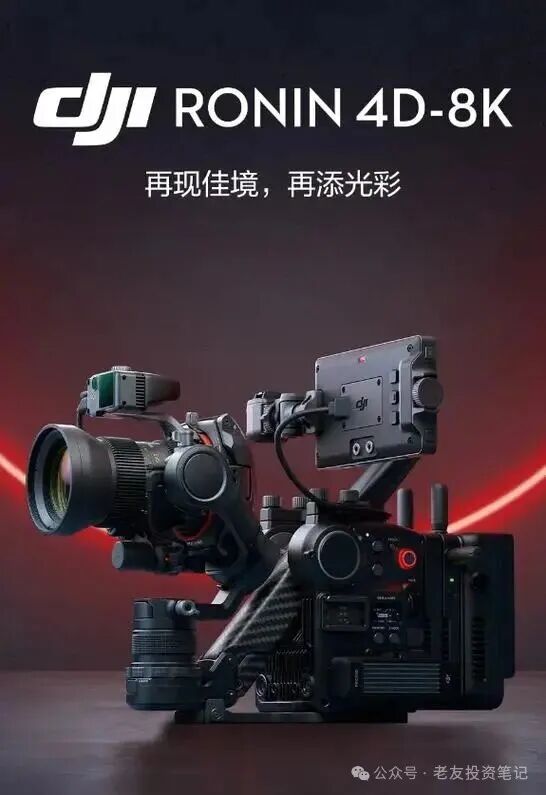
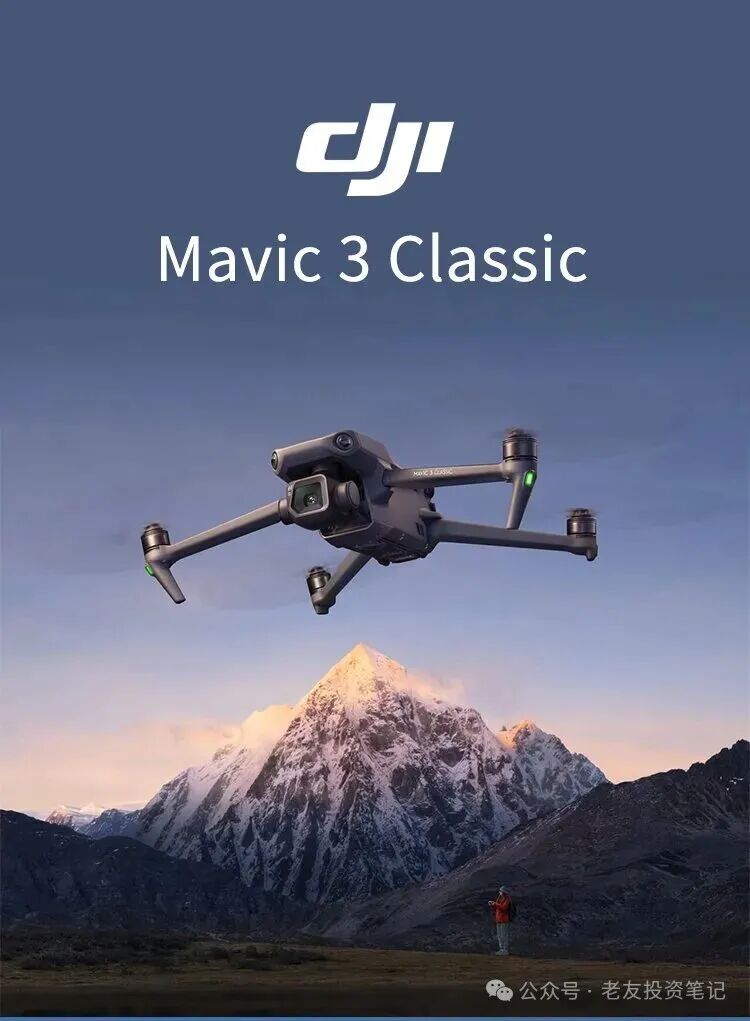
Just as the Shaolin School leads the martial arts world with its seventy-two unique skills and profound internal strength, DJI follows the path of technology-driven. It aims to master all core aspects from flight control, image transmission to visual algorithms through full-stack self-research, building a high technical barrier. Just like Shaolin Kung Fu requires decades of relentless practice, this path requires significant investment and a long cycle, but once mastered, it can define industry standards with absolute technical advantages, making it difficult for competitors to catch up. Therefore, investment institutions should linger at the gates of the sky city; perhaps a certain monk sweeping the floor could create a “little DJI”.

From occupying an absolute monopoly share of the global drone market to the continuous growth of its action camera share, and rapidly capturing the GoPro market alongside Insta360. By 2025, it plans to launch a panoramic camera and a thumb camera, directly attacking Insta360’s base. (Note: Third-party institutions, specific data may vary due to different standards, suspected of being paid for services, it is recommended to refer to the company’s official statements). DJI’s success stems from its continuous investment in core technologies and an uncompromising spirit of innovation.
DJI’s technical gene is not merely in “flight” but originates from its constructed underlying technology stack – flight control and video stabilization, visual processing and intelligent algorithms, image aesthetics and color science.
These technical capabilities enable DJI to continuously expand its product boundaries, from drones to handheld gimbals, action cameras, and panoramic cameras, “laying eggs along the way”, creating storms in every track.

The core of the technology-driven model lies in “technology reuse”.
The key to the success of DJI’s action camera lies in the software reuse of its drone gimbal stabilization algorithm, providing top-notch image stability. The ROMO series of robotic vacuum cleaners reused its dual-vision obstacle avoidance algorithm and path planning technology from the drone field.
Entrepreneurial Insight: Technology-driven entrepreneurship requires long-term investment in core technology research and development, building its own “technology middle platform”, and finding scenarios for technology reuse. This path has a high threshold and long cycle, but once successful, the moat is extremely deep. This path is more suitable for teams with cutting-edge technology or those determined to tackle technical challenges.
02 Xiaomi (Beggar’s Sect)
“Ecological synergy, scale wins”
Xiaomi is a representative of the ecological platform model.
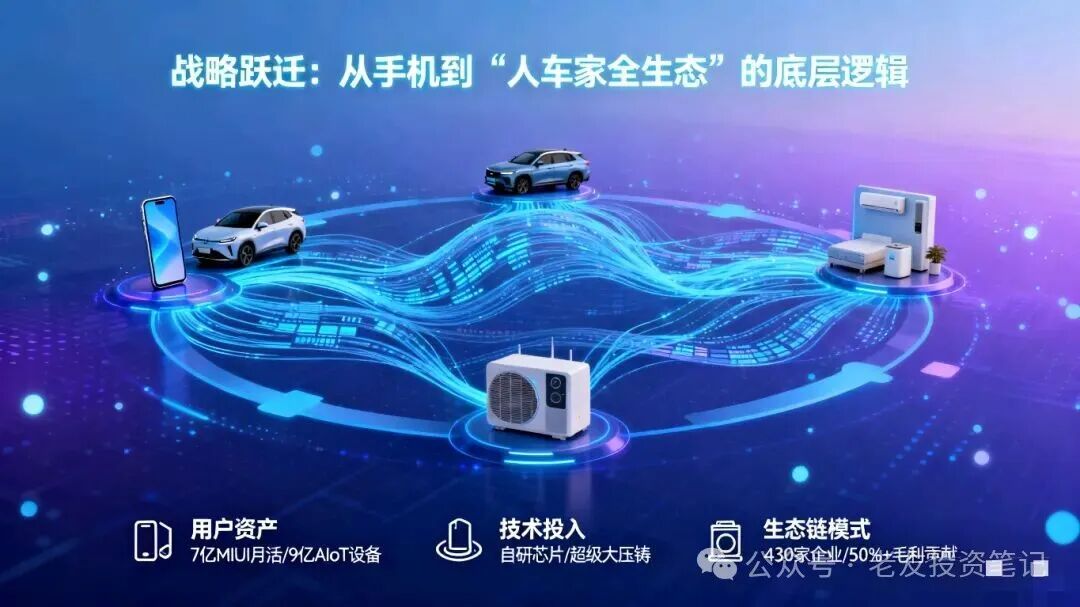
Xiaomi’s model is very similar to the Beggar’s Sect. The Beggar’s Sect does not require every disciple to be a top master, but relies on millions of people and a tight organization to become the number one sect in the world. Xiaomi has built a large “hardware beggar’s sect” through an ecological chain model of “investment + incubation”. It integrates numerous ecological chain enterprises, using mobile phones as the “dog-beating stick”, relying on extreme cost performance and large-scale effects, to expand its territory in the smart home battlefield. The core of this path lies in “the more people, the more power”, achieving wide market coverage through ecological synergy and channel advantages.

By investing in numerous smart hardware companies, connecting a vast array of devices centered around mobile phones, forming a closed loop of “people, vehicles, and homes”, winning through scale effects and ecological synergy.
In the AI hardware field, Xiaomi continues to adopt this strategy.
Xiaomi’s AI glasses leveraged a “1999 yuan price blade” to pry open the mass market, with the first batch of 100,000 units selling out in 74 seconds. This low-price, rapid market capture strategy is a typical tactic of Xiaomi’s ecological model.
Xiaomi’s ecological chain enterprises, such as Roborock Technology, have already secured a place in the robotic vacuum cleaner market through technological accumulation and supply chain advantages.
The core of the ecological platform model lies in “scale effects”.
By leveraging strong supply chain integration capabilities and brand premiums, products are quickly pushed to market, reducing costs through scale, and further expanding scale through low costs, forming a positive cycle. Consumer electronics is a fast-growing and fast-dying industry, where R&D efficiency and hardware costs directly affect the brand’s survival.
Entrepreneurial Insight: Ecological platform entrepreneurship requires strong resource integration and supply chain management capabilities, capable of quickly achieving scale. This path is suitable for entrepreneurs with supply chain backgrounds and resource integration capabilities.
03 Anker (Tomb Sect)
“Category champion, precise breakthrough”
Anker Innovation is a model of category deep cultivation.
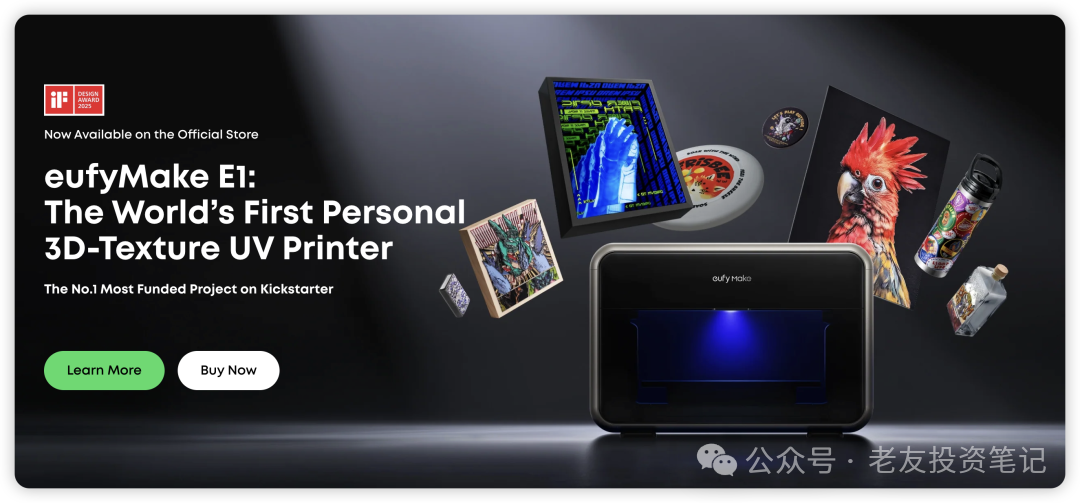
Anker Innovation resembles the reclusive Tomb Sect. It does not seek to dominate the entire martial arts world but aims to practice a skill to perfection in specific fields (such as charging and audio), akin to the Tomb Sect’s Jade Maiden Heart Sutra. Anker is a model of “category deep cultivation”, precisely selecting categories like charging and smart home, creating multiple leading brands in vertical fields (such as Anker, eufy) through profound user insights and excellent brand marketing. This path does not seek breadth but depth, with the core being “overcoming strength with skill”, establishing a solid fortress in niche markets that giants overlook or do not perform well in.

Its core strategy focuses on charging, smart home, and other medium-scale “shallow sea” categories, creating multiple leading brands in vertical fields through profound user insights and category innovation.
In the AI hardware field, Plaud is a typical case of category deep cultivation.
Plaud targets the niche scene of recording transcription, launching a card-style AI recording device, tapping into demand in a track that “big companies overlook and small companies cannot handle”, achieving sales of 1 million units in less than two years.
Plaud CEO Mo Zihao emphasizes: “We do not pursue the largest market share, but hope to become the best brand.” This philosophy of achieving excellence in niche categories is the core of the category deep cultivation model.

The core of the category deep cultivation model lies in “precise positioning”.
Finding a niche market with sufficient demand that is not fully met, establishing brand recognition through quality products, and becoming synonymous with that category.
Entrepreneurial Insight: Category deep cultivation entrepreneurship requires keen user insight, capable of identifying those “overlooked by big companies and unmanageable by small companies” niche markets (also referred to as the previously mentioned “shallow sea strategy”), and establishing brand advantages through product strength. This path is more suitable for resource-limited startups.
04 The Jianghu is perilous, entrepreneurship is challenging
Is AI hardware entrepreneurship a learning secret or a self-created faction?
For AI hardware experts (entrepreneurs), which faction to choose depends on their core capabilities and resource endowments.
Assess whether your skeleton is extraordinary (core capabilities).
If you have a technical background and R&D capabilities, consider the Shaolin technology-driven path, building a moat through core technologies. For example, Zhifang Company, with its forward-looking layout in VLA technology, has become a potential unicorn in the field of embodied intelligence.
If you excel in supply chain management and resource integration, the Beggar’s Sect ecological platform model may be more suitable. A typical successful representative is Xiaomi’s ecological chain enterprise “Roborock Technology.” It started from the technical entry point of laser radar navigation algorithms, but its explosive growth key lies in fully integrating into Xiaomi’s ecological platform. Xiaomi provided it with brand endorsement, channel traffic, a mature supply chain system, and crucial initial funding, allowing it to focus on product R&D and technology iteration, quickly occupying the high ground of cost and scale in the red ocean market of robotic vacuum cleaners.
If you possess profound user insights and brand building capabilities, the Tomb Sect’s category deep cultivation model is worth considering. For instance, Maiyue Technology, leveraging Guangxi’s geographical advantages, developed AI translation cards and achieved success in the ASEAN market.

Beware of going astray.
Technology-driven entrepreneurship must avoid technical self-indulgence and neglecting user experience. The AI glasses industry generally faces the issue of manufacturers pursuing technical parameters while ignoring basic experience refinement, leading to high return rates.
Ecological platform entrepreneurship must prevent blind expansion, leading to resource dispersion. The founders of Chasing Technology and Roborock Technology, Chang Jing, have both ventured into the automotive field, where the complexity of the supply chain increases exponentially. Especially for Chasing Technology, from public information, their ambitions are vast, and we will see how they develop in the future.
Category deep cultivation entrepreneurship must be cautious of category ceilings, limiting growth. Plaud faced the reality of low willingness to pay for software among domestic users, forcing it to adjust its pricing strategy. Anker, after achieving revenues of 20-30 billion, has also begun to transition from a follower to a creator.

Build your unique skills (competitive advantage).
No matter which path you choose, you need to build your competitive advantage.
For technology-driven, the advantage comes from core technology barriers and continuous innovation capabilities. DJI builds its core technology middle platform departments for flight control, perception, navigation, power, battery, structure, image transmission, audio, imaging, gimbal, and machine learning, enabling it to quickly reuse core technologies across different product lines.
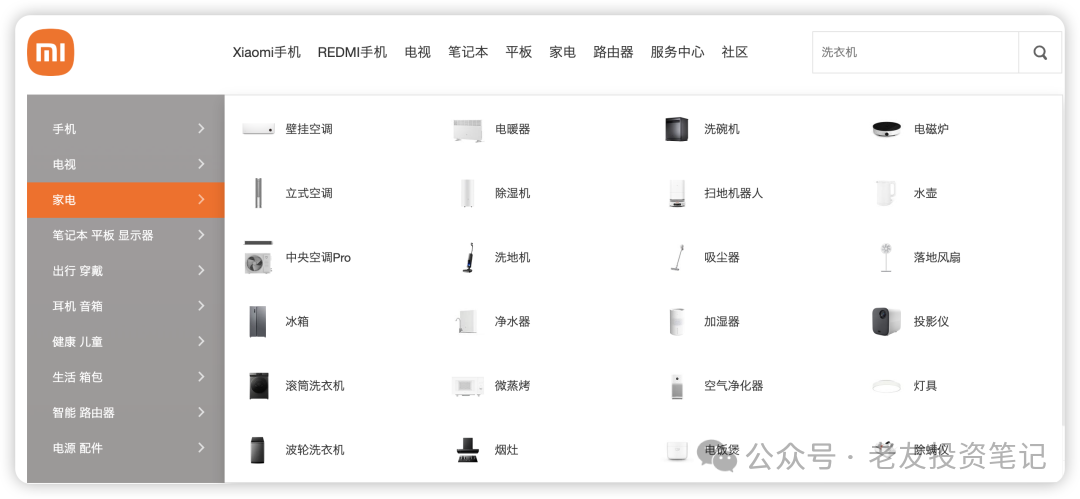
For ecological platform, the advantage lies in scale effects and ecological synergy. Xiaomi quickly lays out multiple AIoT fields through its ecological chain model, forming a large product matrix. Its TVs, air conditioners, robotic vacuum cleaners, tablets, headphones, speakers, and other multi-category products quickly enter the market, gaining user recognition.
For category deep cultivation, the advantage is in brand recognition and user loyalty. Anker Innovation establishes leadership positions in various vertical fields through multiple sub-brands. Anker mobile power, Eufy smart home, Soundcore, Solix, etc., have all achieved good revenue profits.
05 Jianghu disputes, heroes rise
Stay tuned for the next installment
AI hardware entrepreneurship is a brutal hardware adventure, but it also nurtures infinite possibilities.
In the wave of AI hardware, finding your own position is more important than blind innovation.
Further Reading:
DJI’s “kill list” adds another member: from Tuozhu to Insta360, survivors under the guns of giants
Run, Radish, the world’s number oneOne vote veto, China’s rare earth advantage is not big enough, it can be biggerNational-level grand strategy and Chongqing’s historical mission