“A good-looking board must be functional!” This is a statement made to me by a hardware engineer.
In circuit design, not only is extensive professional knowledge required, but it is also essential to consider the manufacturability of the circuit board during the design process, as the final design needs to be produced and used. I previously attended a training session on circuit board DFM, and I would like to share it with everyone now.
I will explain the concept of DFM in circuit boards from the following aspects:
1: What is circuit board DFM?
2: Some design cases of DFM.
3: How to implement DFM?
First, let me explain what DFM is.
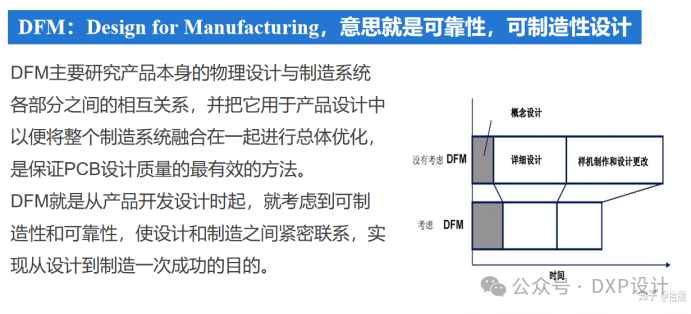
DFM stands for Design for Manufacturability. It refers to considering the feasibility, cost, and efficiency of manufacturing processes during the circuit board design phase. By optimizing the design, we can avoid production risks and improve product yield and reliability. The core objectives include:
Cost reduction and efficiency improvement: Reducing rework, material waste, and shortening production cycles (e.g., by optimizing stack design to reduce material loss).
Quality assurance: Preventing soldering defects, impedance mismatches, and other issues to enhance product lifespan.
Technical compatibility: Matching the manufacturing limits of the manufacturer.
So, what is the importance of DFM?
1. Cost control and resource optimization
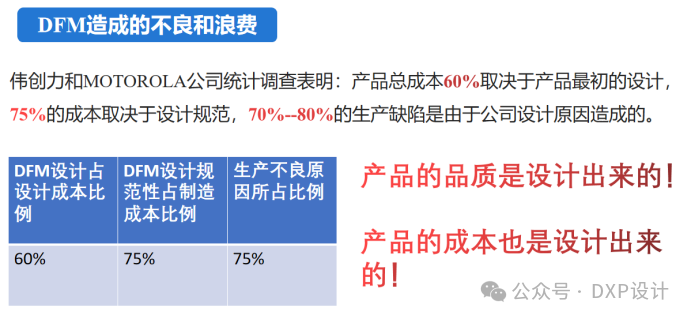
Reduction of material waste: Through layer optimization and copper foil balancing design, the material utilization rate can be improved by 20-30% (e.g., a certain smart car main control board project saved costs by 18%).
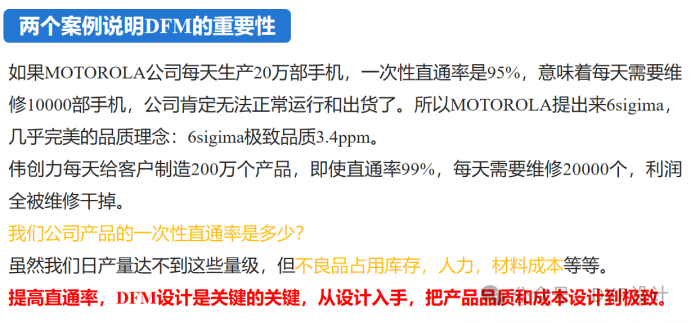
Reduction of rework rate: Preventing soldering defects, impedance mismatches, and other issues can improve mass production yield to 99.5% or higher (aerospace-grade PCB requirements are > 99.99%).
Process compatibility: Matching the extreme parameters of manufacturers (e.g., 2025 HDI board laser drilling accuracy reaching 20μm), avoiding additional costs due to design exceeding specifications.
2. Significant improvement in product reliability
Thermodynamic stability: By controlling copper distribution (30-70%) and designing heat dissipation systems (e.g., microchannels + thermal via arrays), temperature rise can be reduced by 40%.
Signal integrity assurance: Impedance control accuracy improved from ±10% to ±5% (5G millimeter-wave requirements), with delay jitter reduced by 30%.
Mechanical strength optimization: Symmetrical stacking structure (e.g., 6 layer board 2+2+2 design) keeps warpage < 0.7%, suitable for extreme environments (automotive electronics -40~150℃ conditions).
3. Compression of production cycles
First-time design success rate: Virtual trial production technology (digital twin + AI simulation) reduces the number of trial productions from 3-5 times to 1 time, shortening the development cycle by 40%.
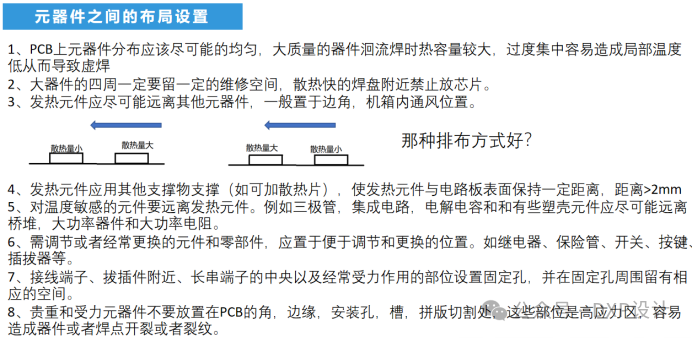
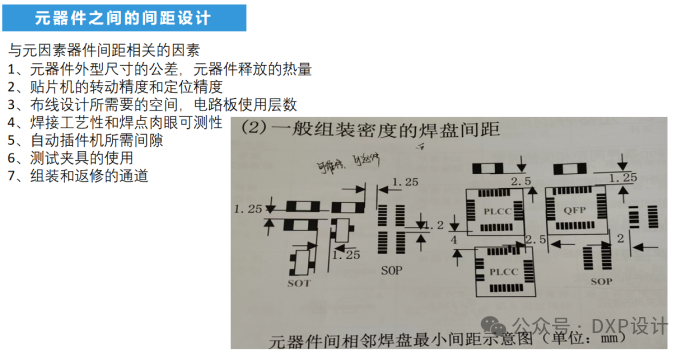
Automation compatibility: Nozzle avoidance area (≥2mm), component layout rules (distance from board edge ≥0.5mm) are compatible with high-speed pick-and-place machines (2025 mainstream equipment speed 150,000 CPH).
4. Adaptability to technological iterations
Integration of advanced processes: Supporting LDS laser forming (3D circuits), 3D printed electronics (10μm accuracy), and other new technologies, with a design redundancy reserved of 10%.
Environmental compliance: Biodegradable substrates (PLA substrates degrade in < 1 year) and lead-free process compatibility design.
5. Full lifecycle management
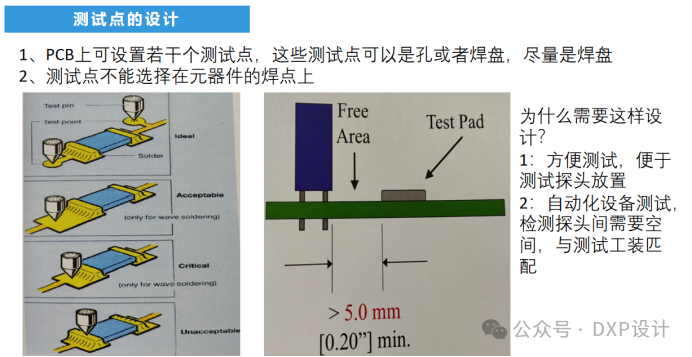
Testability design: Intelligent deployment of test points (spacing ≥1.27mm) improves fault location efficiency by 50%.
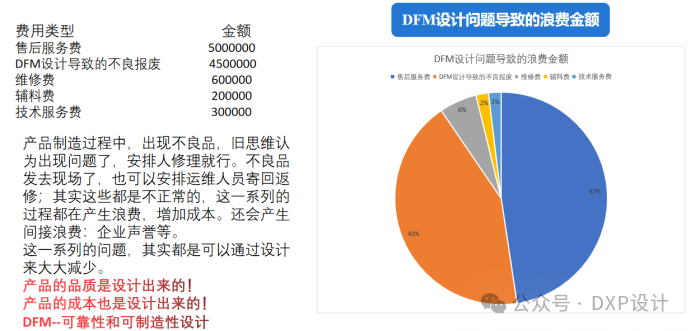
Maintainability optimization: Reserved maintenance channels (> 5mm space) reduce after-sales costs, with MTBF (Mean Time Between Failures) increasing from 50,000 hours to 80,000 hours.
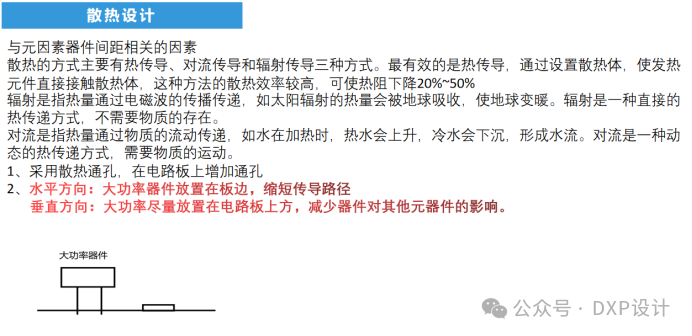
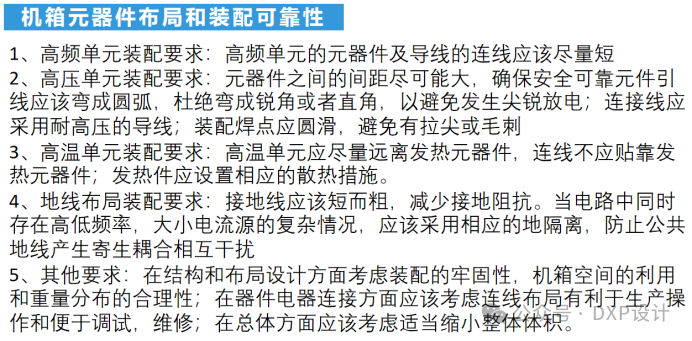
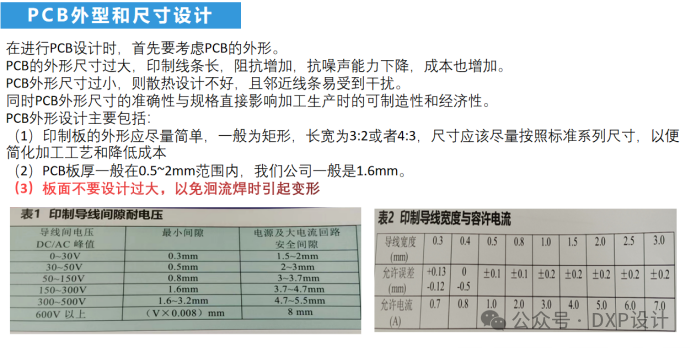
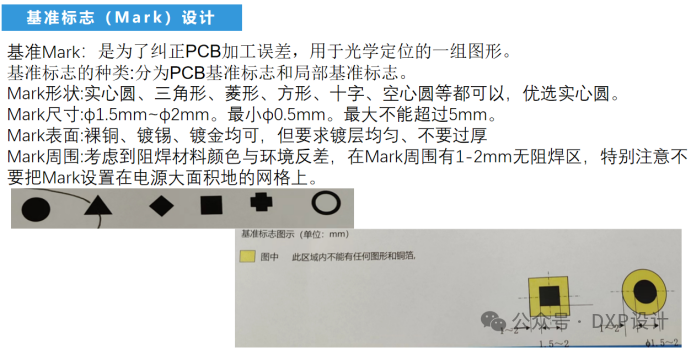
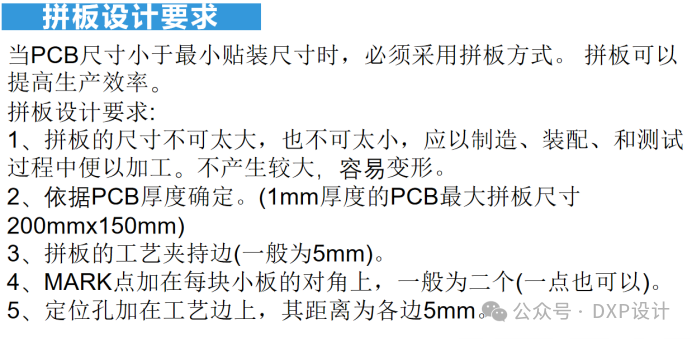
Next, I will provide examples of some DFM instances in circuit boards.
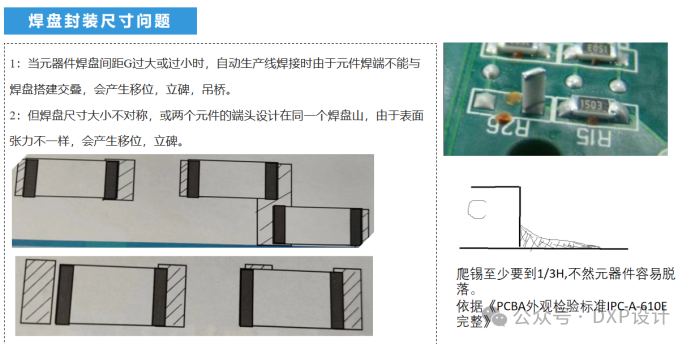
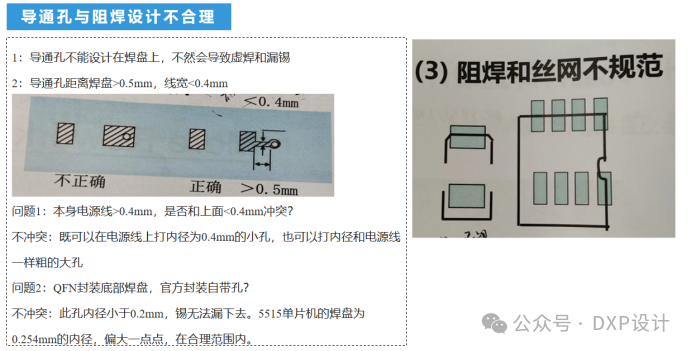
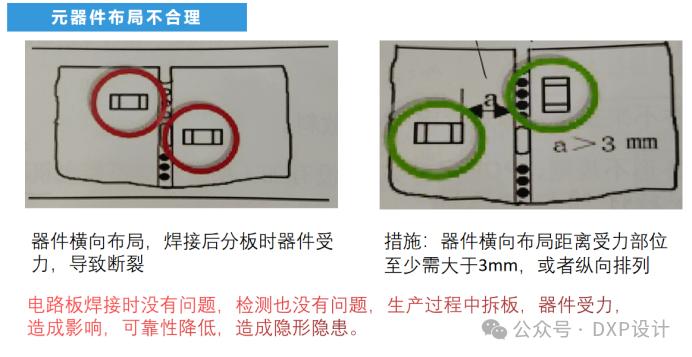
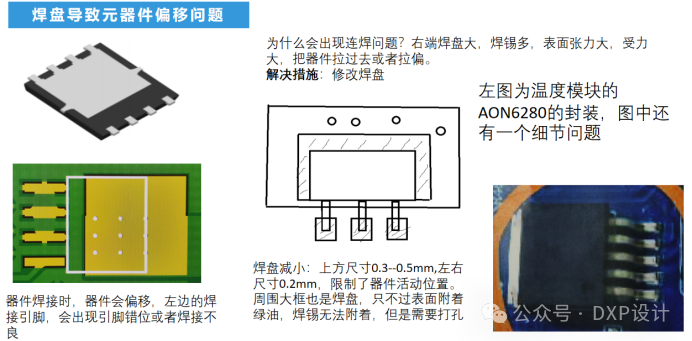
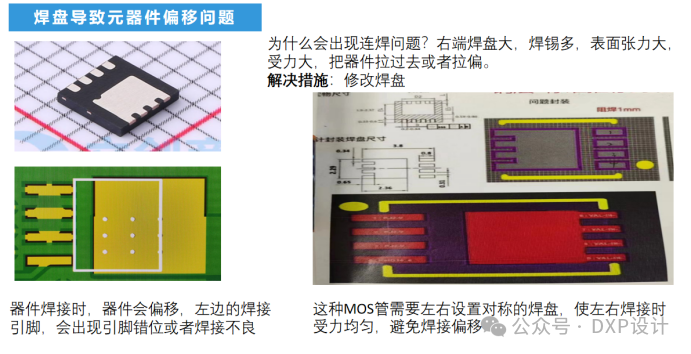
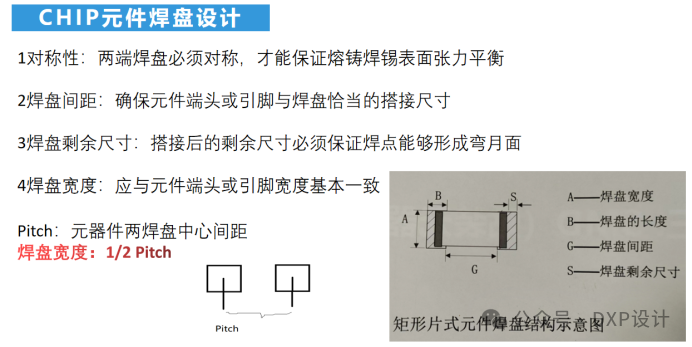
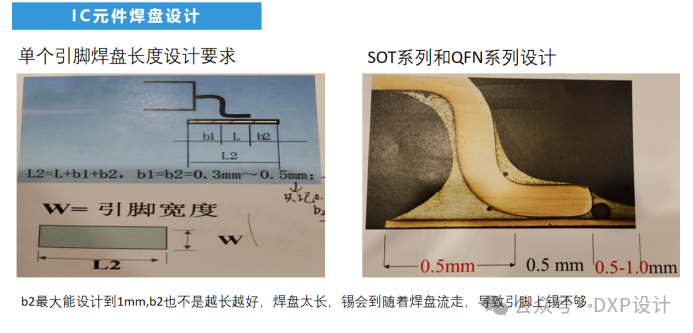
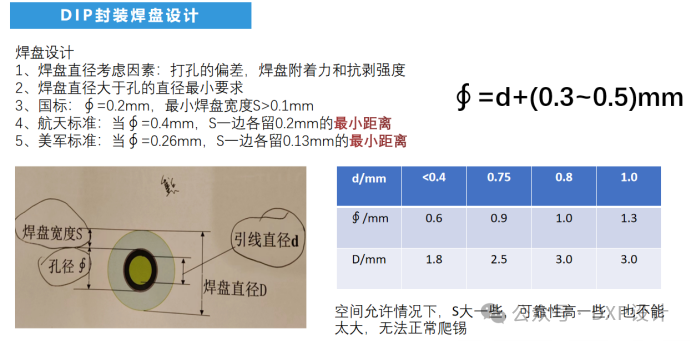
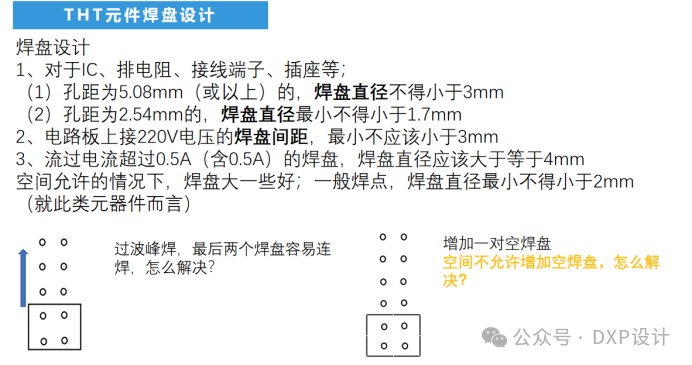
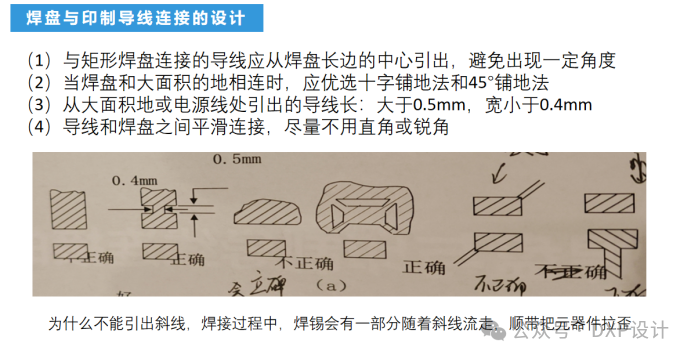
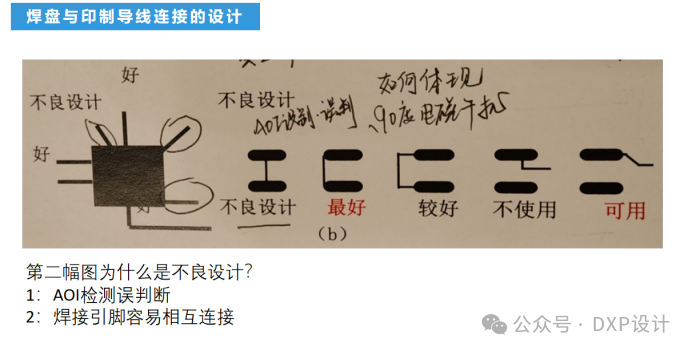
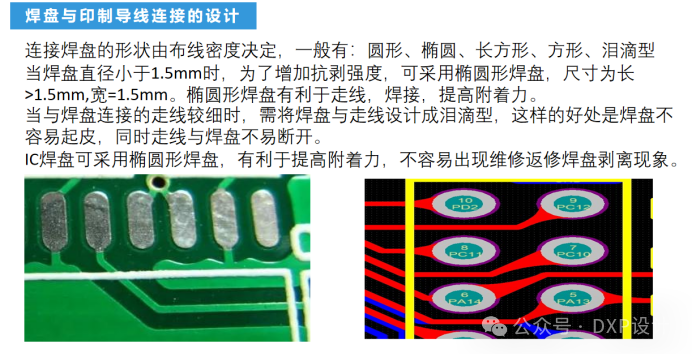
Finally, how to implement DFM?
A journey of a thousand miles begins with a single step; this needs to be done step by step. Here are some of my personal thoughts:
(1)Develop some DFM design specifications and review standards in conjunction with the company, and ensure that the circuit board is reviewed according to the specifications before processing.
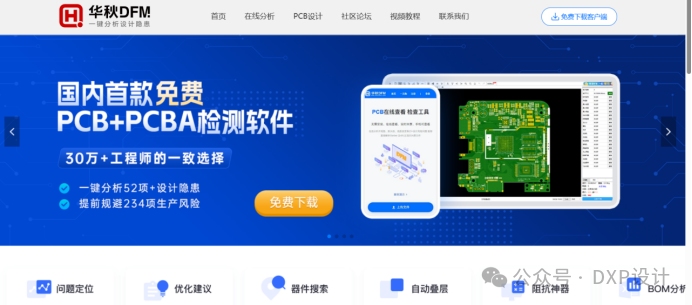
(2)Utilize some DFM design tools to evaluate the circuit board for DFM, such as Huachiu DFM
(3) Ultimately, build a set of DFM systems suitable for the company.
Note: The above content is partially sourced from the internet and partially organized by the editor, intended for educational purposes. If there is any infringement, please contact for removal. Thank you!