The technology of photo-theranostics can be traced back to the fundamental discoveries at the end of the 19th century. In 1896, Niels·Ryborg·Finsen used red and blue light to treat skin tuberculosis, revealing the potential of phototherapy and laying the foundation for modern photomedicine. With the development of laser technology and optical engineering, key optical parameters such as wavelength, intensity, and irradiation time can be precisely controlled, promoting non-invasive, spatially controllable, and multifunctional biomedical applications. The theoretical basis lies in photophysical mechanisms such as photo-induced electron excitation, intersystem crossing, and thermal dissipation, which together achieve the energy conversion process required for imaging and therapy. On this basis, over the past decade, photo-theranostics has gradually developed into a core pillar of precision medicine by integrating real-time diagnosis and targeted therapy into a single light-activated platform. In this review, unless otherwise specified, the term “theranostics” refers to clinical applications encompassing diagnosis and/or treatment.
Nanomaterials, due to their tunable physicochemical properties and diverse biological functions, have become a key driving force for photo-theranostics. Compared to traditional therapeutic agents, nanostructures possess unique advantages such as targeted surface functionalization, controlled drug release through porous structures, and size-dependent tissue penetration, which are particularly important for precision medicine. Light-responsive nanoparticles can convert light energy into reactive oxygen species, thermal energy, electrons, or fluorescent signals, aiding applications such as photodynamic therapy, photothermal therapy, optoelectronic conversion, and diagnostic imaging. Representative materials include noble metal nanoparticles (gold, silver, etc.), inorganic semiconductors, metal-organic frameworks, and organic-inorganic hybrid nanocomposites. By rationally designing energy dissipation pathways and modulating electronic structures, the generation of reactive oxygen species can be enhanced, optimizing photothermal conversion efficiency, and utilizing phenomena such as aggregation-induced emission. Such strategies not only enhance therapeutic efficacy but also avoid drug resistance, exhibit broad-spectrum antibacterial activity, and enable rapid high-sensitivity diagnostics, making light-responsive nanoplatforms a powerful alternative to traditional treatment modalities.
As nanomedicine has achieved success in the fields of tumors and inflammatory diseases, its applications are gradually expanding to oral medicine. Light-induced diagnostic and therapeutic modalities are being specifically employed to address challenges in oral health. In this context, photo-theranostics has expanded from its initial antibacterial applications to multiple functions such as disease detection, teeth whitening, and light-curing repair materials. These strategies have been used to treat various oral diseases, including microbial infections, allergic reactions, and hard and soft tissue defects, with biofilm-related infections being a key therapeutic target.Oral biofilms are complex microbial communities that not only cause local diseases such as caries, pulpitis, and periodontitis but are also associated with systemic diseases such as cardiovascular diseases, diabetes, and immune disorders. Their structural, metabolic, and compositional diversity makes it difficult for traditional single-mechanism therapies to completely eliminate biofilms. Current clinical practices mainly rely on antibiotics and mechanical debridement, but due to limited drug penetration, rising drug resistance, and the complexity of oral anatomical structures, achieving ideal outcomes is often challenging. Microstructures such as root canals, periodontal pockets, and alveolar bone cavities, which are difficult to access, further complicate the implementation of treatment and the assessment of efficacy. The complexity of these deep-seated hidden lesions also hinders early diagnosis of diseases. These challenges urgently require the development of advanced multifunctional nanotherapeutic platforms to overcome physical and biological barriers in the oral environment, achieving precise, localized, and effective diagnosis and treatment.
To address the unique challenges of the oral microenvironment, nanomaterial-based photo-theranostics provides highly adaptable and targeted solutions. By finely tuning structural, chemical, and surface properties, researchers have designed nanoplatforms with enhanced antibacterial efficacy, stimulus-responsive drug release, selective interaction with oral metabolites, and mechanical flexibility required to penetrate complex restricted oral areas. Multifunctional nanocomposites capable of integrating various therapeutic modalities (such as photodynamic and photothermal therapies) can produce synergistic therapeutic effects, particularly suitable for combating biofilm-related and drug-resistant infections. At the same time, the combination of oral wearable devices and diagnostic strategies based on endogenous gases or biomolecules from the oral cavity opens new avenues for disease detection. Notably, near-infrared responsive nanomaterials can achieve deeper tissue penetration and localized activation. These systems utilize rational design principles such as plasmonic tuning, photosensitizer optimization, and bandgap engineering to customize light absorption and conversion characteristics, thereby enhancing therapeutic performance in hard-to-reach oral sites.
This review comprehensively elaborates on the latest advancements in photo-theranostic technologies for oral diseases. It first introduces the photonic principles involved in light-activated nanomedicines, core concepts of materials science, and key elements of oral biology; then systematically classifies photo-theranostic strategies based on material composition and structural characteristics, focusing on their biomedical applications; it analyzes the photophysical and photochemical properties of materials, as well as performance design considerations for specific oral microenvironments; by comparing light-triggered systems with other stimulus-responsive nanotechnologies, it clarifies their respective advantages, limitations, and potential complementarities; finally, it points out the challenges faced in the clinical translation of oral photo-theranostics and future development directions. By integrating diverse perspectives from nanotechnology, photomedicine, and oral science, this review aims to construct a conceptual and practical framework to guide future research and promote the clinical application of photo-theranostic nanomaterials in oral health.
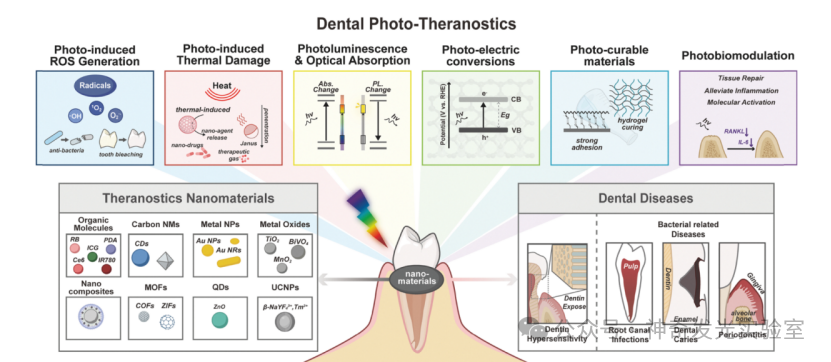
Figure 1: Overview of light-responsive nanomaterials and their applications in dental phototherapy.
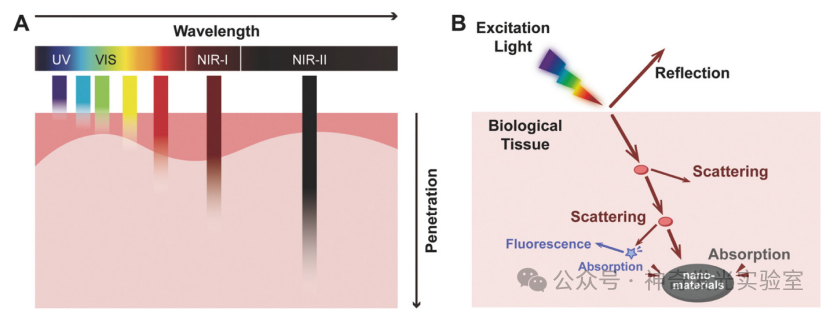
Figure 2: Photon penetration and tissue propagation in nanomedicine.
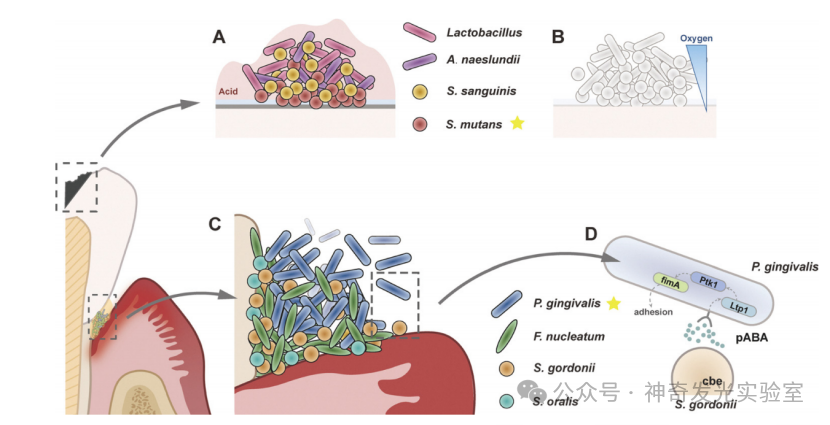
Figure 3: Biogeographical distribution and colonization of oral microbiomes in different habitats.
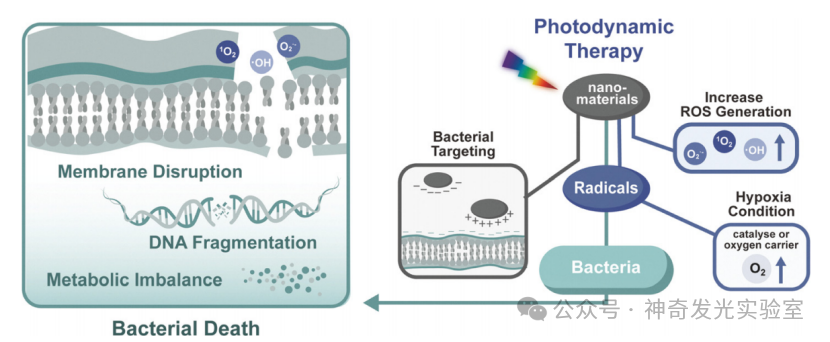
Figure 4: Multiple antibacterial mechanisms of aPDT.
[Reference Details] Yujia Shi, Xiaolin Sun, Jiao Fang, Chunyan Li, Biao Dong, Manlin Qi and Lin Wang. Multifunctional nanomaterials for dental photo-theranostics. Chem. Soc. Rev., 2025, https://doi.org/10.1039/D5CS00825E