Introduction
Reading
Have you ever experienced this? After staying up late, you feel enveloped by an indescribable “greasy feeling” and a “decayed smell”.
This is not your illusion!
Scientific evidence shows that this is a real physiological phenomenon known as “night owl odor”. It is a chemical distress signal emitted by your body’s internal systems after being overworked.
Today, these signals are being captured and analyzed by high-sensitivity sensors, translating your body’s protests into cold, objective data.
01
Where Does “Night Owl Odor” Come From?
Winsen
When the brain and body remain active late at night, the normal metabolic rhythm of the body is disrupted. This “odor” is essentially a chemical byproduct of metabolic and physiological disturbances.
Nighttime is typically an efficient period for the liver to self-repair and detoxify. Staying up late forces it to “work overtime”, leading to a decrease in its ability to convert ammonia. Ammonia, which should be converted into urea and excreted, instead enters the bloodstream and is eventually released through breath and sweat. This substance has a strong, irritating odor and is a significant component of “night owl odor”.

At the same time, the gut microbiota may also become imbalanced due to disrupted routines, producing more substances like skatole, further exacerbating bad breath and body odor.
On the other hand, lack of sleep increases the level of the stress hormone “cortisol” in the body, which stimulates your sebaceous glands excessively. The large amounts of oil secreted oxidize on the skin’s surface and combine with bacteria (such as Propionibacterium and Staphylococcus) present on the skin, leading to the breakdown of oils and the production of unsaturated aldehydes like isovaleric acid, which emit a rancid smell reminiscent of old cooking oil, cheese, or old clothes. This is the root cause of the oily sheen on the face and flat hair accompanied by unpleasant odors after staying up late.

Staying up late also activates the apocrine glands located mainly in the armpits. The sweat secreted by these glands is rich in proteins and lipids, which, when broken down by bacteria, produce sulfurous and onion-like pungent odor molecules, significantly worsening armpit odor after staying up late.
02
How Do Sensors “Smell” That You Stayed Up Late?
Winsen
Among various sensors, gas sensors act like “electronic noses”, accurately detecting the unique chemical signals emitted by the body after staying up late to assess fatigue and metabolic status.
Metal oxide semiconductor sensors are the mainstay for detecting “night owl odor”. Their core is a layer of metal oxide film (such as tin dioxide) that is sensitive to gases. When it comes into contact with ammonia that the exhausted liver cannot process, ammonia molecules react with the oxygen on the film’s surface, resulting in a significant decrease in the film’s resistance. This change in resistance is converted by the sensor into an ammonia concentration value; the higher the concentration, the greater the metabolic stress on the liver.
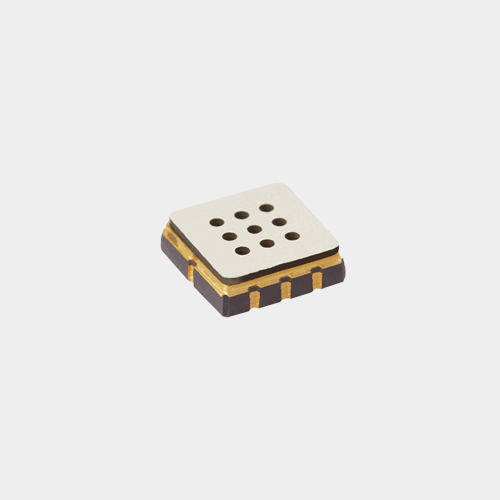
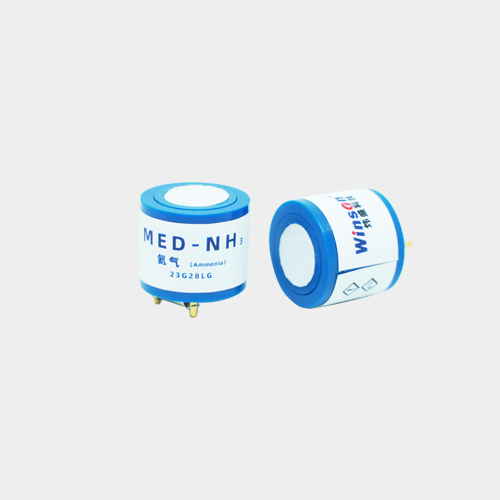
For another characteristic gas—hydrogen sulfide—electrochemical sensors are commonly used. They generate an electrical signal proportional to the gas concentration through specific redox reactions occurring between electrodes. These sensors have good selectivity and extremely high sensitivity, capable of capturing even trace amounts of “decayed” odors.
Additionally, specific gas sensors can analyze the concentration of acetone, a byproduct of the body’s extensive fat breakdown after staying up late, to determine whether the body is burning fat in large quantities, indirectly proving that the body is in a state of energy depletion and providing further evidence of “staying up late”.
Of course, the judgments made by gas sensors will be cross-verified with data from other sensors to form a more complete evidence chain:
-
The heart rate variability sensor provides key physiological evidence of autonomic nervous system imbalance and significant stress.
-
The sebaceous sensor confirms that your endocrine system is indeed disrupted due to staying up late.
03
The Future of Health Management Based on Perceptual Data
Winsen
When sensors capture these bodily signals, the fusion of multi-source data will drive health management from passive recording to active management.
⏩Providing personalized lifestyle guidance, such as immediate hydration reminders and dietary suggestions;
⏩Early disease screening, long-term monitoring of subtle trend changes in these gas and physiological data, providing a new, non-invasive screening approach for early detection of certain metabolic diseases (such as fatty liver and diabetes);
⏩Environmental intelligence linkage, seamlessly connecting health data with smart home systems to adjust suitable environmental temperature, lighting, and ambient music based on physical conditions.
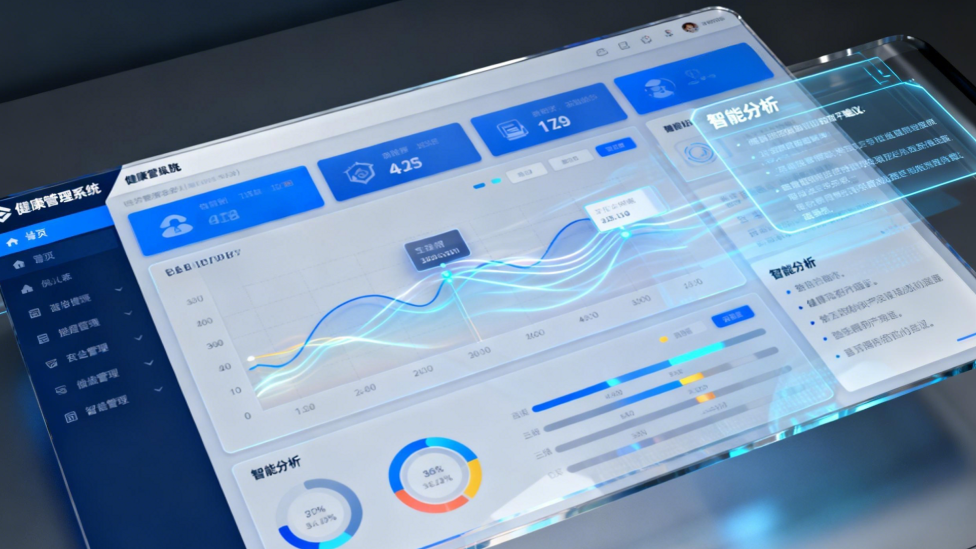
At this point, precise sensors are no longer just silent recorders but rather health managers that understand your physical condition better, which is the most valuable future of health technology.
“Night owl odor” is the oldest and most direct way for the body to protest, while modern sensor technology provides us with a “translator” to understand this protest. They all remind us in their own ways: your body deserves to be treated well!
END
|
|||
|
|||
|
|||
|

✦
Discover more exciting content on our platform
✦