Human exploration of nature has never ceased. From observing celestial phenomena to deciphering the genetic code, each mastery of natural laws injects new possibilities into life.
As the internet weaves into a global “information superhighway” and sensors transform into the “digital tentacles” of the world, a seemingly simple idea quietly emerges: what if we allow all things to “communicate over the network,” enabling data to flow automatically and facilitate intelligent decision-making? How would life evolve? This marks the starting point of the Internet of Things, a technological revolution that begins with “connection” but is reshaping human civilization.

In 1965, on the battlefield of Vietnam, the U.S. military found itself mired in the quagmire of war, struggling to extricate itself.
As the war dragged on, U.S. casualties continued to rise, reaching 7,000, and the situation became increasingly unfavorable for the U.S. military. To turn the tide and accelerate the war effort, the U.S. military focused on the strategic artery of North Vietnam—the Ho Chi Minh Trail—attempting to conduct larger-scale bombings and blockades to cut off North Vietnam’s supply lines.
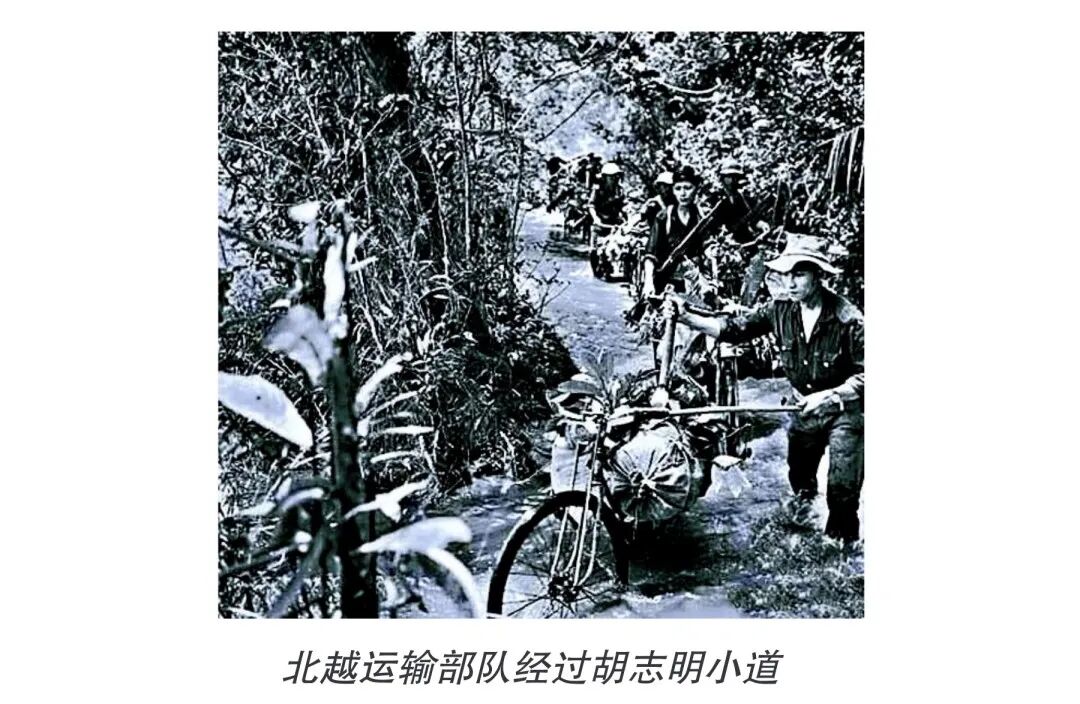
The Ho Chi Minh Trail, a winding transportation route through the jungle mountains, was the lifeline of the North Vietnamese army, responsible for transporting personnel, weapons, and strategic supplies. The U.S. military was well aware of its importance and had previously bombed it multiple times, but with little effect. The North Vietnamese army, leveraging its familiarity with the terrain and flexible tactics, cleverly evaded U.S. airstrikes, keeping the Ho Chi Minh Trail open.
Just as the U.S. military was at a loss, a bold and innovative proposal was put forth by the Jason Group, a think tank. They designed sensors that could perfectly disguise themselves as leaves, branches, and natural objects, deploying them along the Ho Chi Minh Trail under the operation code name “Operation Igloo White.” These seismic and acoustic sensors acted like hidden “eyes” and “ears,” capable of detecting the movements of North Vietnamese soldiers through vibrations and sound waves, providing precise bombing targets and intelligence on the timing and routes of North Vietnamese supply convoys.
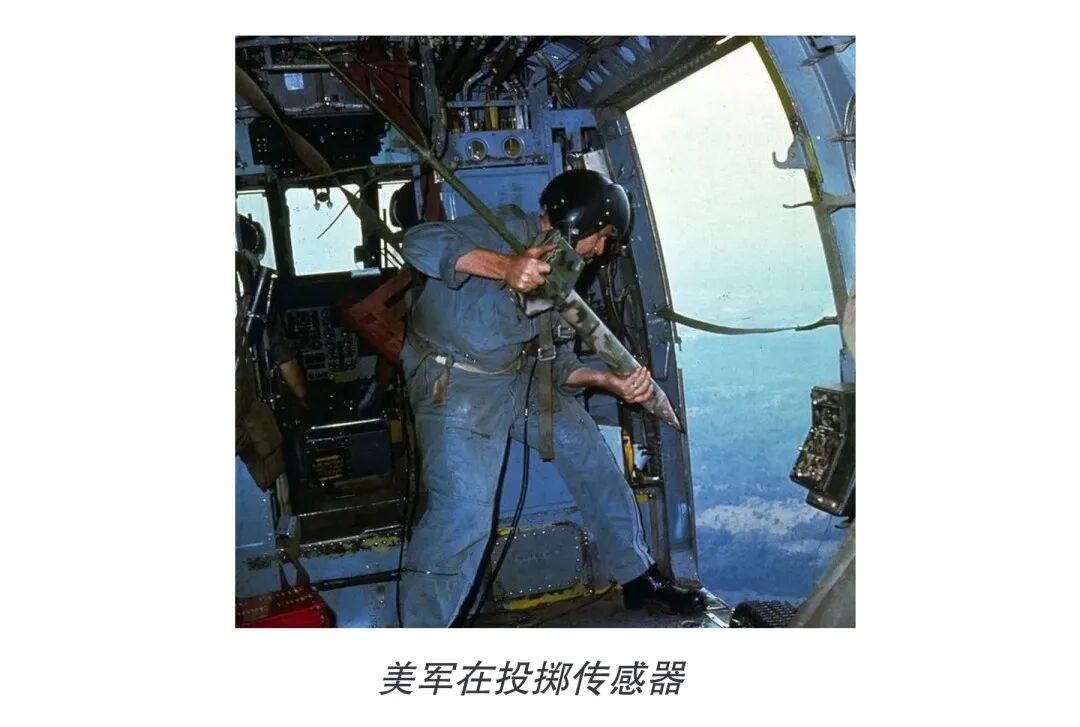
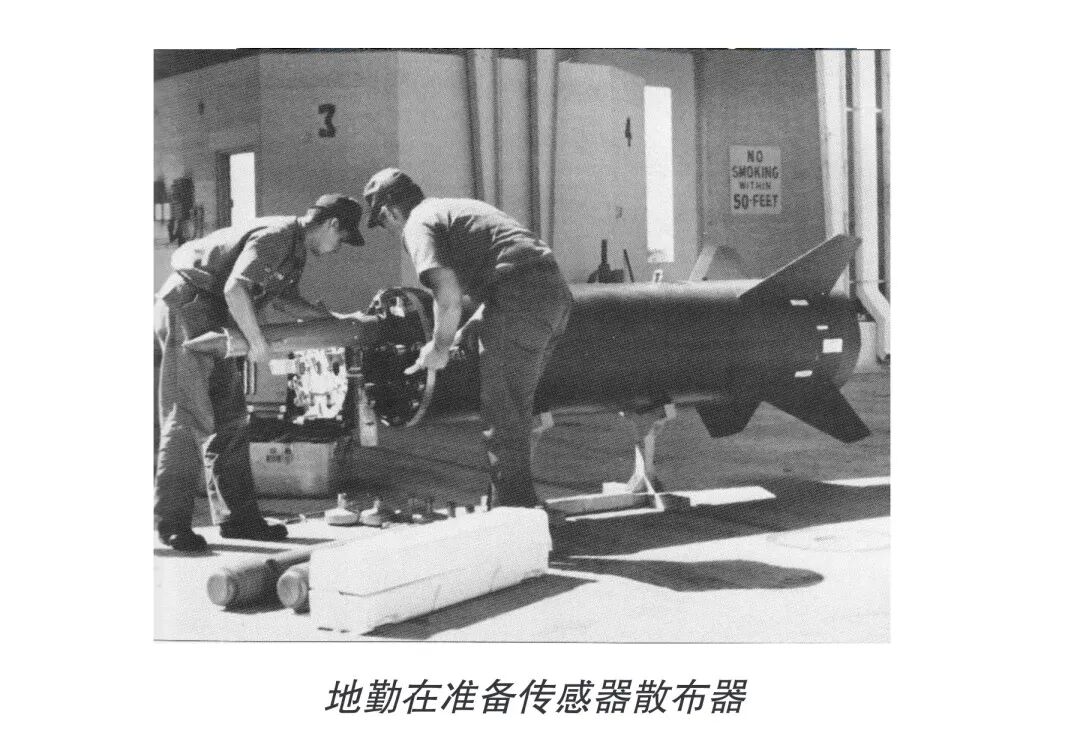
There were many types of sensors deployed along the Ho Chi Minh Trail, which could be airdropped from planes and helicopters or launched from 81 mm mortars. However, the very precise sensor group control unit (GSID) had to be installed by soldiers in the dense forest for area control and long-distance signal transmission, typically carried out by the Marine Corps and special forces. These sensors had a control panel that could set operational modes, identification codes, sensitivity, etc., before installation. The GSID had an internal detector but could also connect to an external detector via cable.
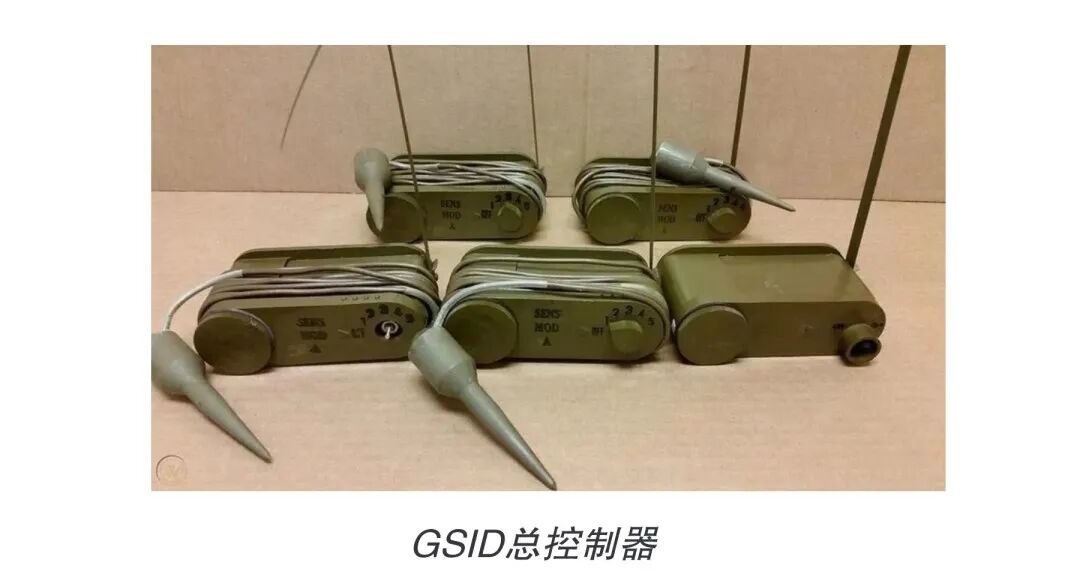
The GSID would control various sensors in a designated area: seismic detectors (SID), magnetic detectors (MAGID), and various acoustic detectors, which were generally deployed via airdrop.
Initially, the Americans disguised the sensors as 10 cm long dog feces, calling them “Tardsid.”
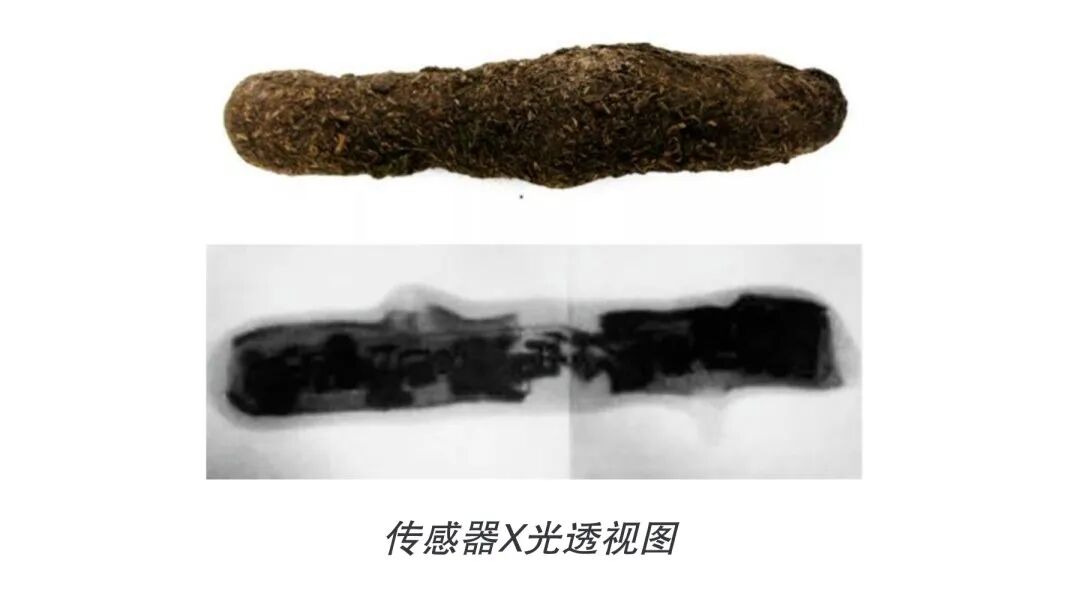
However, they soon realized this was a major mistake—there were no dogs on the Ho Chi Minh Trail, and subsequent sensors were redesigned to resemble plants to confuse the North Vietnamese army.
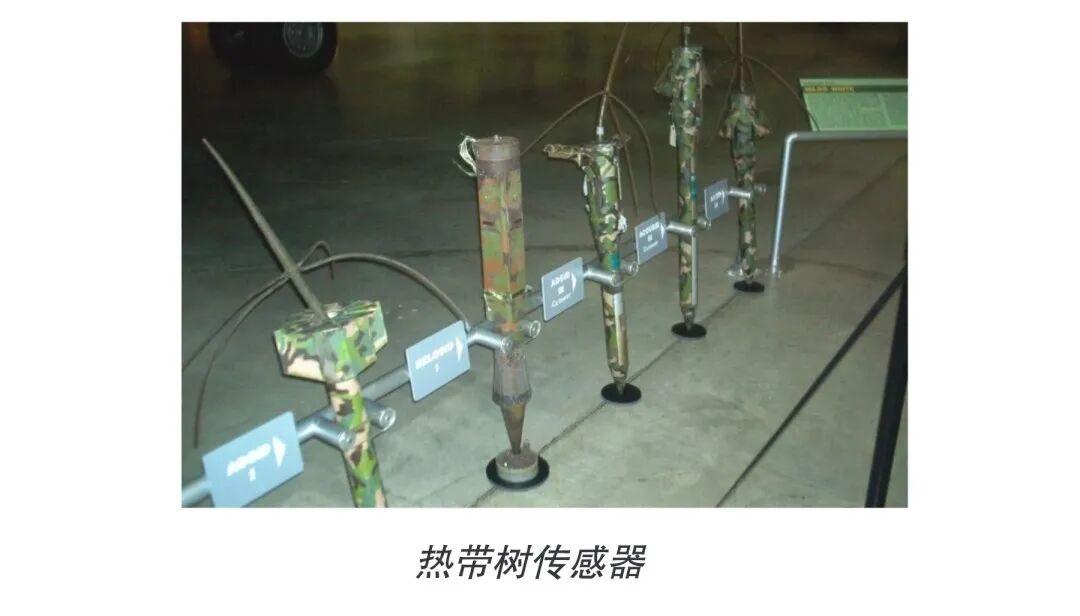
The deployment of sensors was divided into four phases:
In the first phase, a metal camouflage box containing the GSID was manually placed at the center of the detection area, equipped with a battery and a radio transmitter. They operated in continuous mode, with the battery lasting for 30 days.
The second phase involved airdropping acoustic detectors with parachutes.
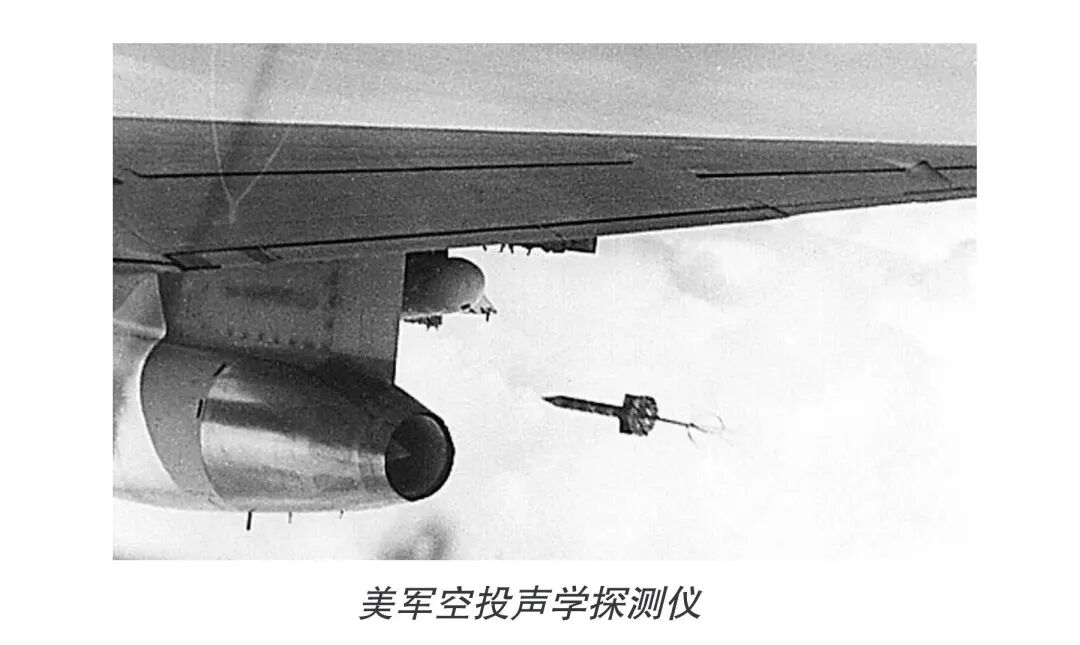
The third phase involved airdropping seismic detectors, which were pointed cylindrical sensors with plant-shaped antennas. They were dropped from a height of 60 to 150 m, allowing the pointed end to penetrate the ground. Once operational, the sensors could detect vertical vibrations caused by vehicle movements.
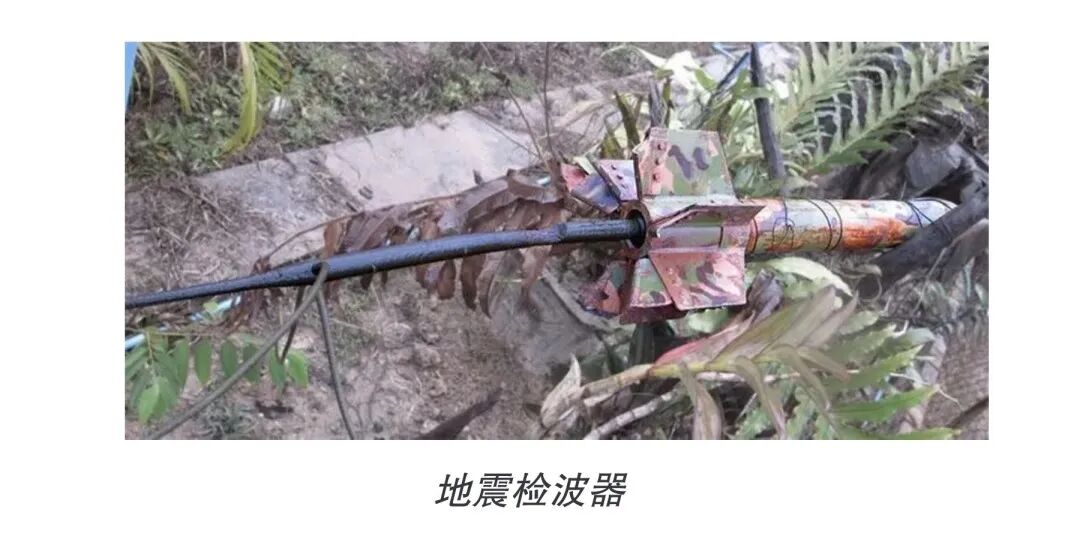
The final phase was the integrated detection system, equipped with two types of sensors and three operational modes: continuous, sound-activated, and remote-activated. They could record information and transmit it upon request from relay aircraft. The sensors could not only distinguish between different signals from helicopters and cars, providing precise references for personnel in the rear, but also determine the correct orientation of the Ho Chi Minh Trail, recording the activity patterns of personnel along the route. This allowed for the analysis of rest and refueling points for North Vietnamese troops or the daily schedules of transport convoys. Statistics show that between 1971 and 1972, the sensors recorded up to 20,000 truck passages.
Due to the limited transmission range of the sensors, aircraft had to be stationed overhead for relay transmission. Above the Ho Chi Minh Trail, the U.S. military’s OP-2E “Neptune” electronic reconnaissance aircraft maintained constant patrols, equipped with new radar systems, thermal imaging devices, and indicators for airdrop equipment, with these sensors installed in the bomb bay and underwing mounts. Once a signal was received from the sensors, the reconnaissance aircraft could quickly determine the precise location of North Vietnamese soldiers and immediately call in bombers for targeted strikes. In no time, the skies over the Ho Chi Minh Trail were filled with roaring aircraft, and bombs fell like rain, delivering a significant blow to the North Vietnamese army’s supply transport.
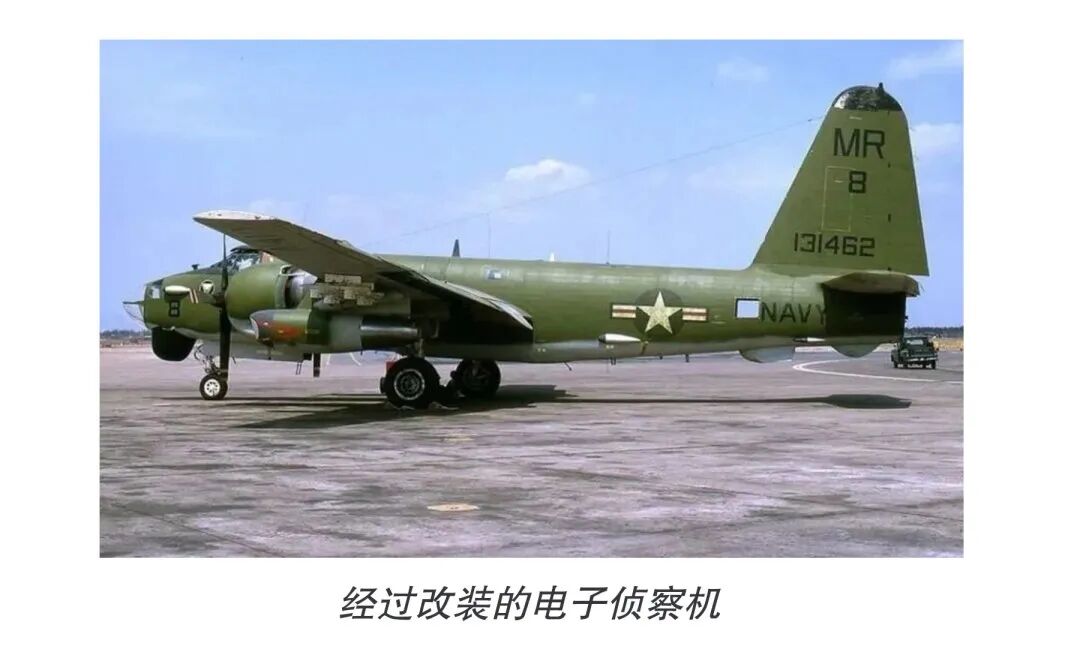
In addition to the Ho Chi Minh Trail, the U.S. military needed to lay mines around the perimeter for early warning and area denial. During the actual deployment, they also had to worry about North Vietnamese night mine-laying and countermeasures to harm U.S. engineers, necessitating early warnings and detailed routes of North Vietnamese movements.
To this end, the U.S. military established a minefield defense line, consisting of three subsystems: deployed detectors, relay aircraft patrolling nearby to collect signals, and an information processing and situation control center established in Thailand in 1967.
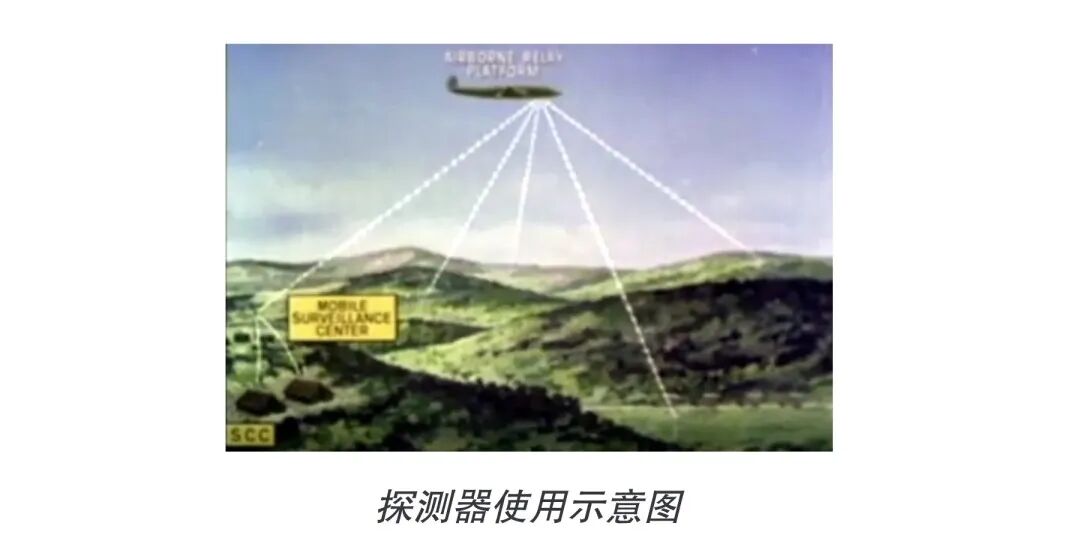
The sensors in the minefield helped detect movement and determine mine explosions. When the North Vietnamese army besieged the U.S. base at Khe Sanh in early 1968, unused sensors were immediately sent there, with 316 sensors deployed in 44 batches by aircraft. The U.S. military estimated that these sensors detected at least 40% of enemy activity, providing invaluable early warning.
Although these sensors were used in warfare, they inadvertently opened the door to the world of sensor networks. Their powerful information collection and transmission capabilities showcased the immense potential of sensor technology in both military and civilian fields. Both military and civilian sectors keenly captured this technological trend, investing substantial resources into the research and development of sensor technology.
In a sense, this sensor network born on the battlefield of Vietnam can be regarded as one of the earliest models of the Internet of Things. It was like a seed, taking root and sprouting in the soil of war, laying a solid foundation for the subsequent flourishing development of the Internet of Things.
It made people realize that by connecting various sensors to form a vast information network, real-time perception and intelligent control of the physical world could be achieved. This concept, like a spark, quickly spread globally, leading humanity into a new information age.
END


Editor of this issue: Zhang Yukun
Proofreader: Wang Huan