
The robotic arm moves precisely within the gaps of the bones,
while the doctor monitors various parameters on the system screen—
this scene is becoming a reality in the operating room of Xi’an International Medical Center.

An elderly man in his seventies, suffering from knee pain for over a decade and having difficulty walking, underwent a robot-assisted knee replacement surgery at Xi’an International Medical Center. After inputting preoperative CT scan data, the AI system quickly generated a surgical plan, controlling the bone cutting error to within 0.5 millimeters, far below the error range of manual operations.
1
Human-Machine Collaboration: AI Planning is More Comprehensive

“AI preoperative planning can provide a more detailed and thoughtful surgical plan,” said Yan Tiansheng, director of the orthopedic department at Xi’an International Medical Center.
By comparing AI designs with those created by doctors, Yan Tiansheng found: “AI thinks a bit more comprehensively than you do, providing a more detailed plan.”
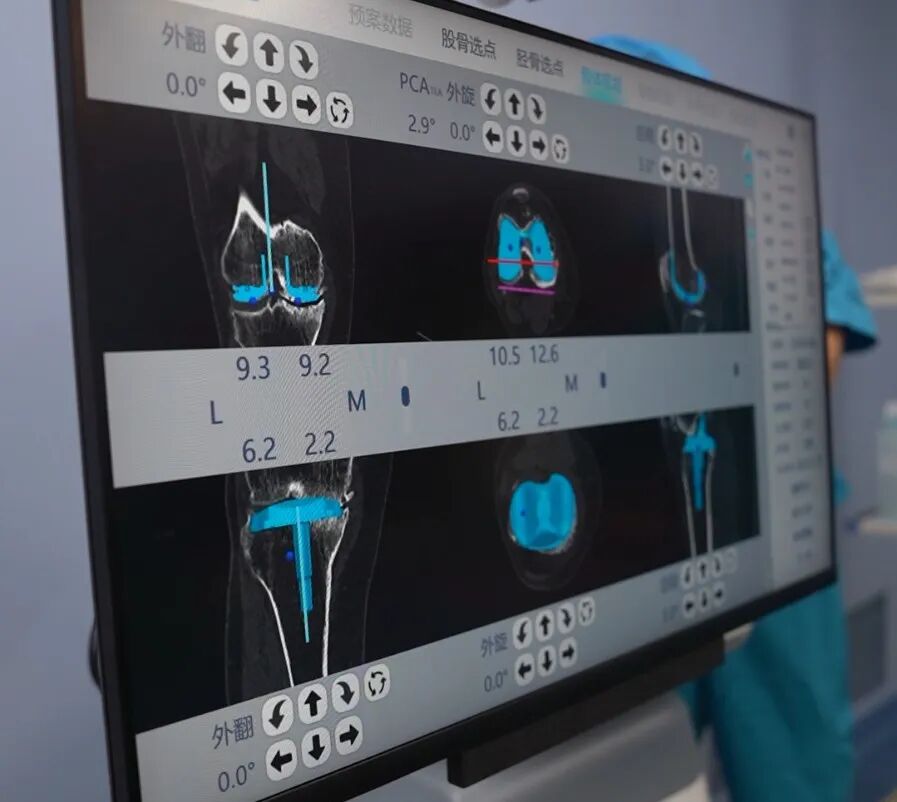
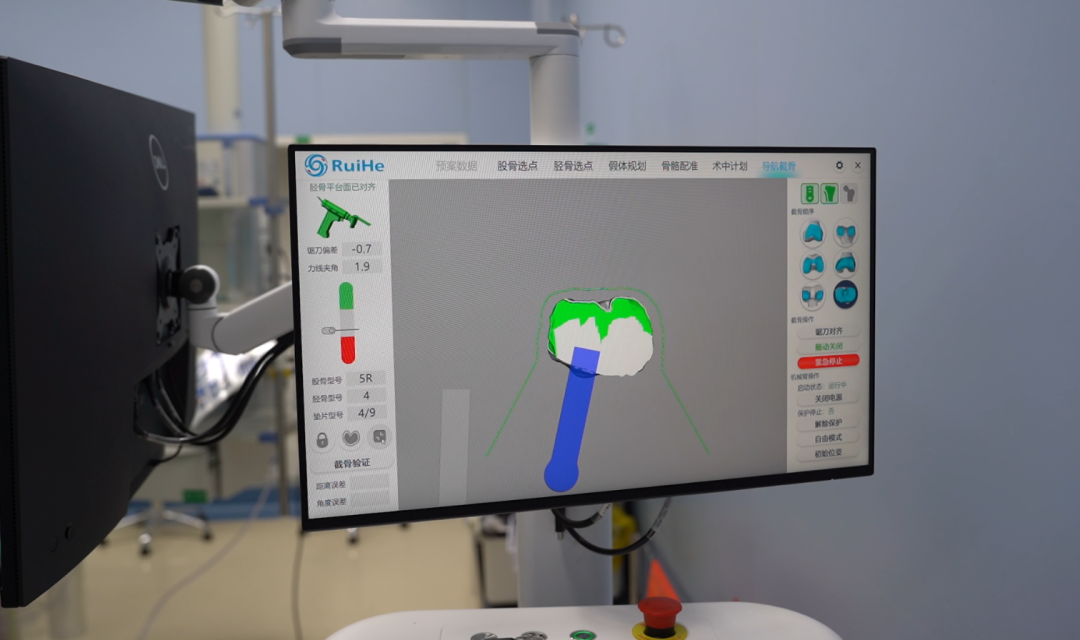
In knee replacement surgery, it is necessary to cut the bones to match the structure of the artificial prosthesis perfectly. The precision of robotic bone cutting is significantly higher than that of traditional guide systems. “We are reducing the surgical error rate and increasing precision.”
2
Precision Control: From Millimeter to Micrometer

The improvement in robotic precision directly enhances surgical outcomes. Yan Tiansheng pointed out that the robot’s capabilities are “incomparable” to manual methods, transforming surgeries with millimeter-level errors into those with micrometer-level precision, even achieving indistinguishable results.
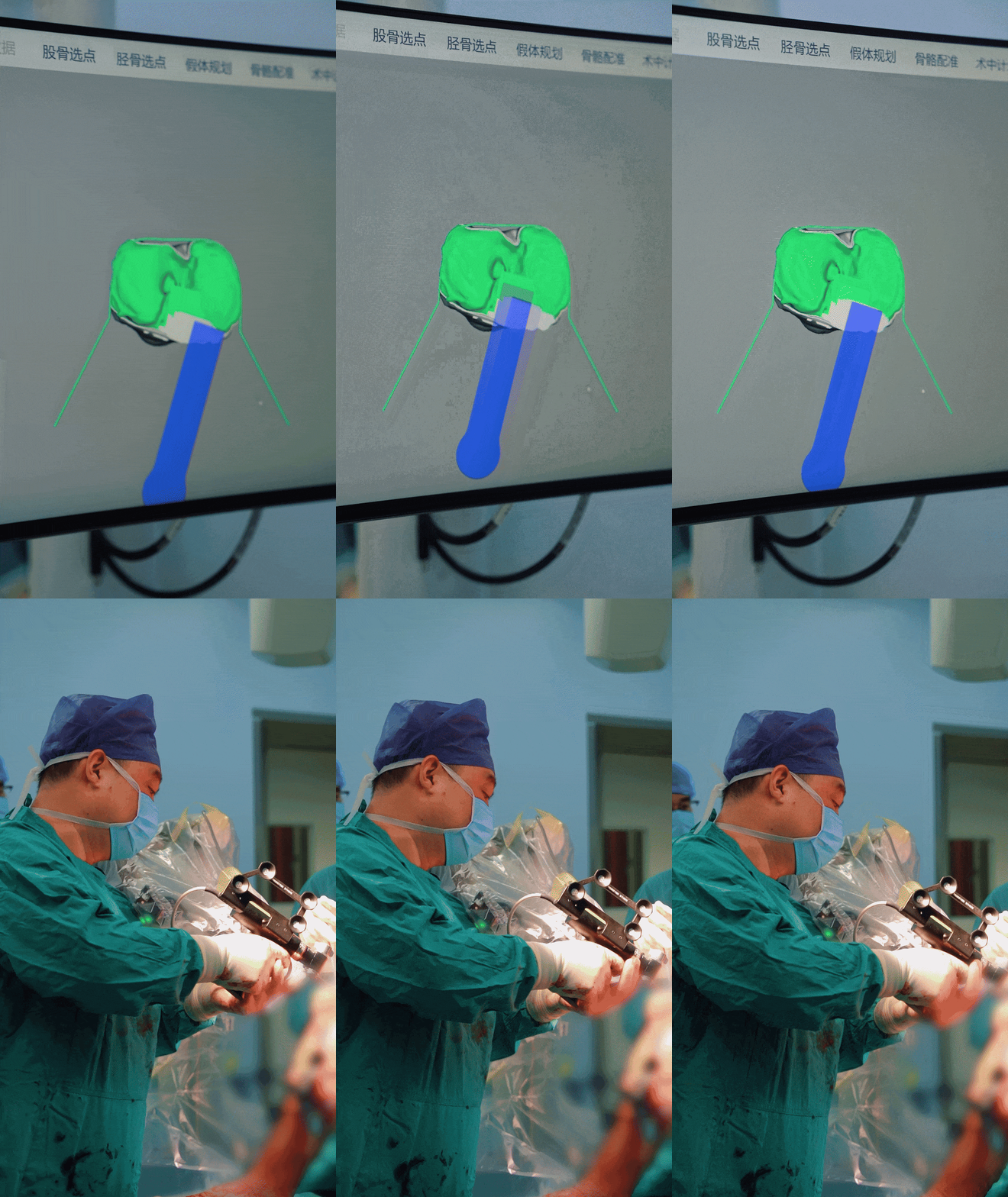
This advancement directly impacts surgical quality: “The matching degree between the prosthesis and the patient’s bones, the stability of the prosthesis post-surgery, especially the mechanical requirements in total knee replacements, have all significantly improved.”
In terms of mechanical control, bone cutting accuracy, prosthesis matching, and stability, the results of AI preoperative planning combined with robot-assisted bone cutting outperform traditional manual surgeries.
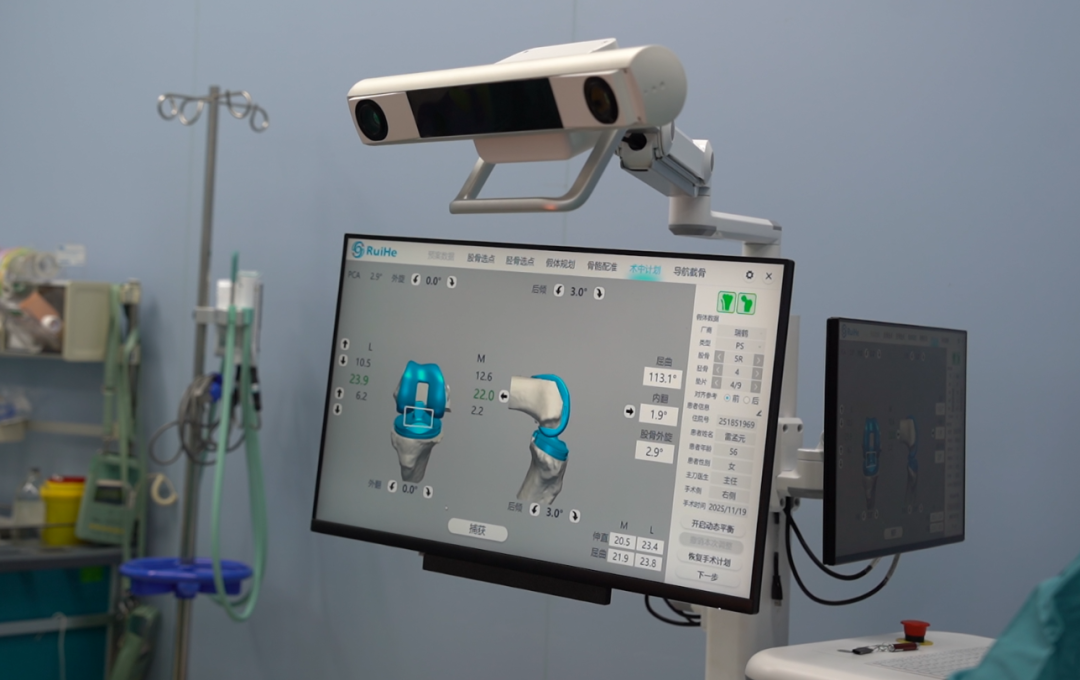
3
Clinical Application: Robot Surgery Takes Root in Xi’an

Xi’an International Medical Center has performed four robot-assisted joint surgeries. A patient in his sixties, after suffering from knee pain for many years, underwent robot-assisted surgery.
During the surgery, the doctor did not use a tourniquet, managing bleeding through controlled hypotension. “The robot provides precise visual feedback, allowing us to view the video while cutting the bone.” Postoperative assessments showed that the flatness of the bone cutting surface fully met expectations.
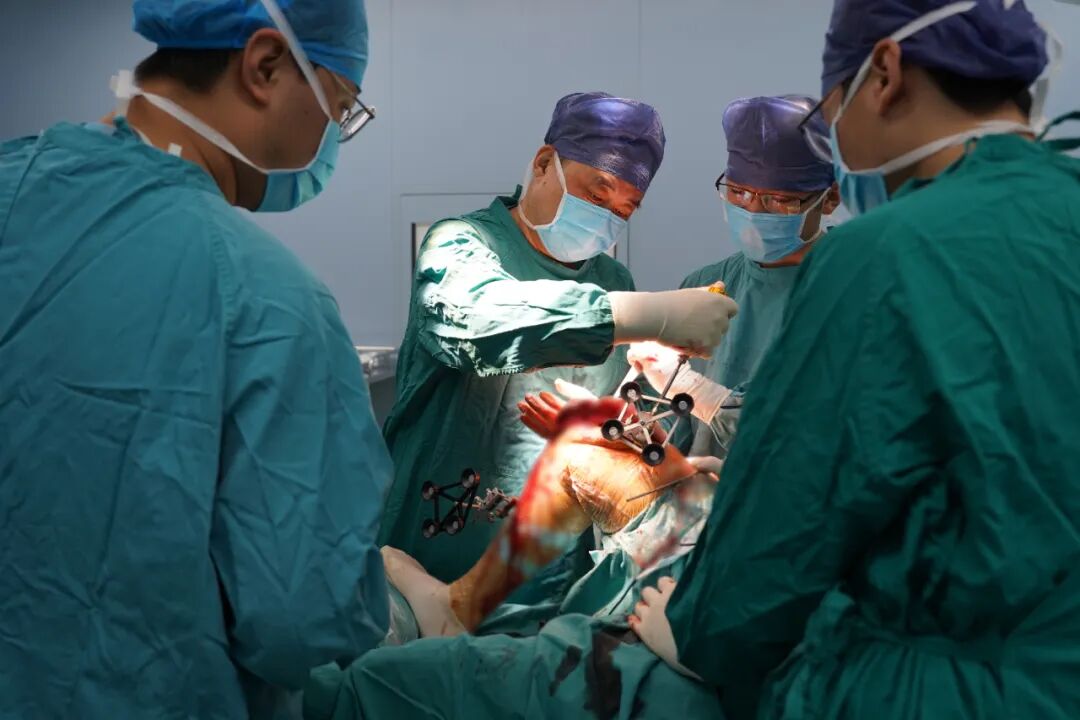
The surgical process includes: determining the surgical plan, performing CT scans from the hip joint to the ankle joint to obtain all mechanical imaging data of the lower limbs, and then using software for AI planning to determine the amount of bone to be cut, the size of the cut, and the alignment of the force lines.
4
Human-Machine Coordination: Doctor-Led

Despite the clear advantages of robot-assisted surgery, close cooperation between doctors and machines is still required. Yan Tiansheng admitted that the current system is not yet at a level of complete reliance.
“The success rate of the robot in executing commands is higher than that of humans, but it does not have the capability to optimize surgical methods; these still require human judgment.”
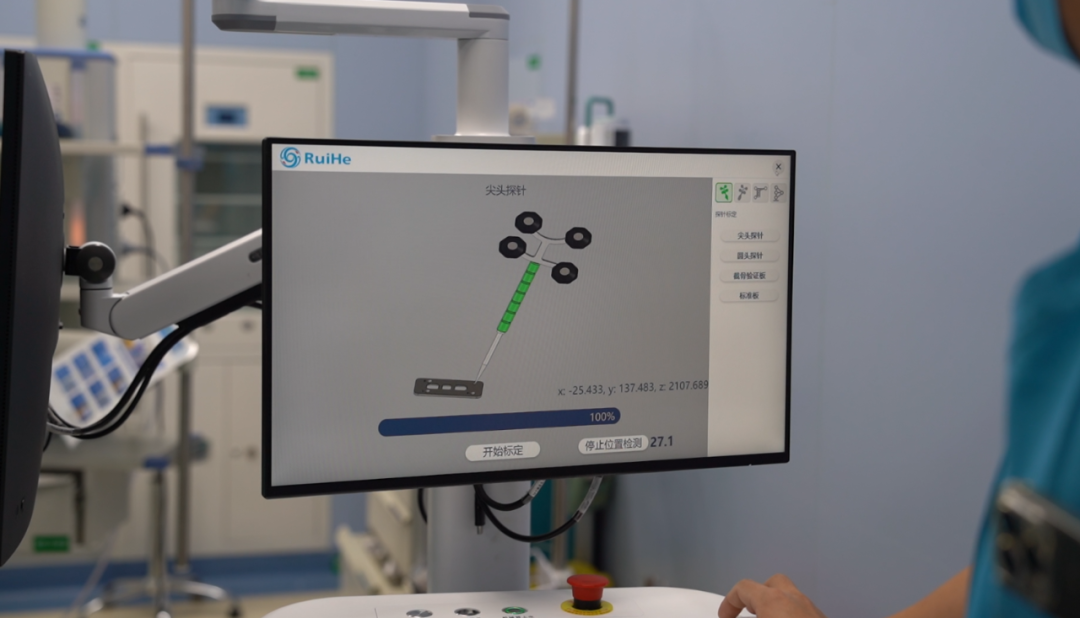
When there is a discrepancy between the robot’s plan and the doctor’s judgment, “I still take the lead; we cannot rely on the machine,” Yan Tiansheng stated, adding that the system is continuously being optimized and will better align with doctors’ thinking in the future.
5
Future Prospects: A Medical Revolution Where 1+1>2

“Just like students using AI to assist in learning, once they stabilize their performance from 60 to 90 points, they can no longer do without AI assistance,” experts liken the future of robot-assisted surgery.
The combination of mature surgical skills and AI-assisted technology can achieve an effect of “1+1>2.” “Ultimately, the beneficiaries are the patients, as they receive more precise outcomes.”
China is the country with the most orthopedic robot manufacturers in the world, and Yan Tiansheng emphasized the need to make good use of this advantage: “If we do not utilize it well, we may fall behind in 3-5 years.”
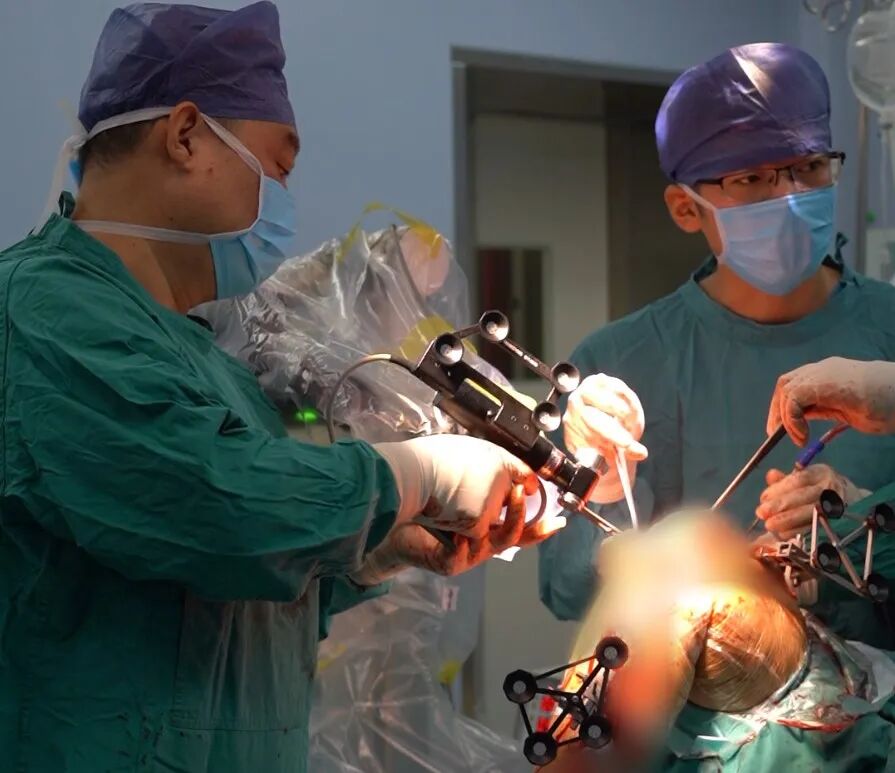
The human-machine collaboration model being explored by Xi’an International Medical Center represents the future direction of orthopedic surgery. Yan Tiansheng envisions:
“The era of human-machine integration is one where humans and AI participate and think together to complete a surgery; the surgeries at that time should be close to perfect.”
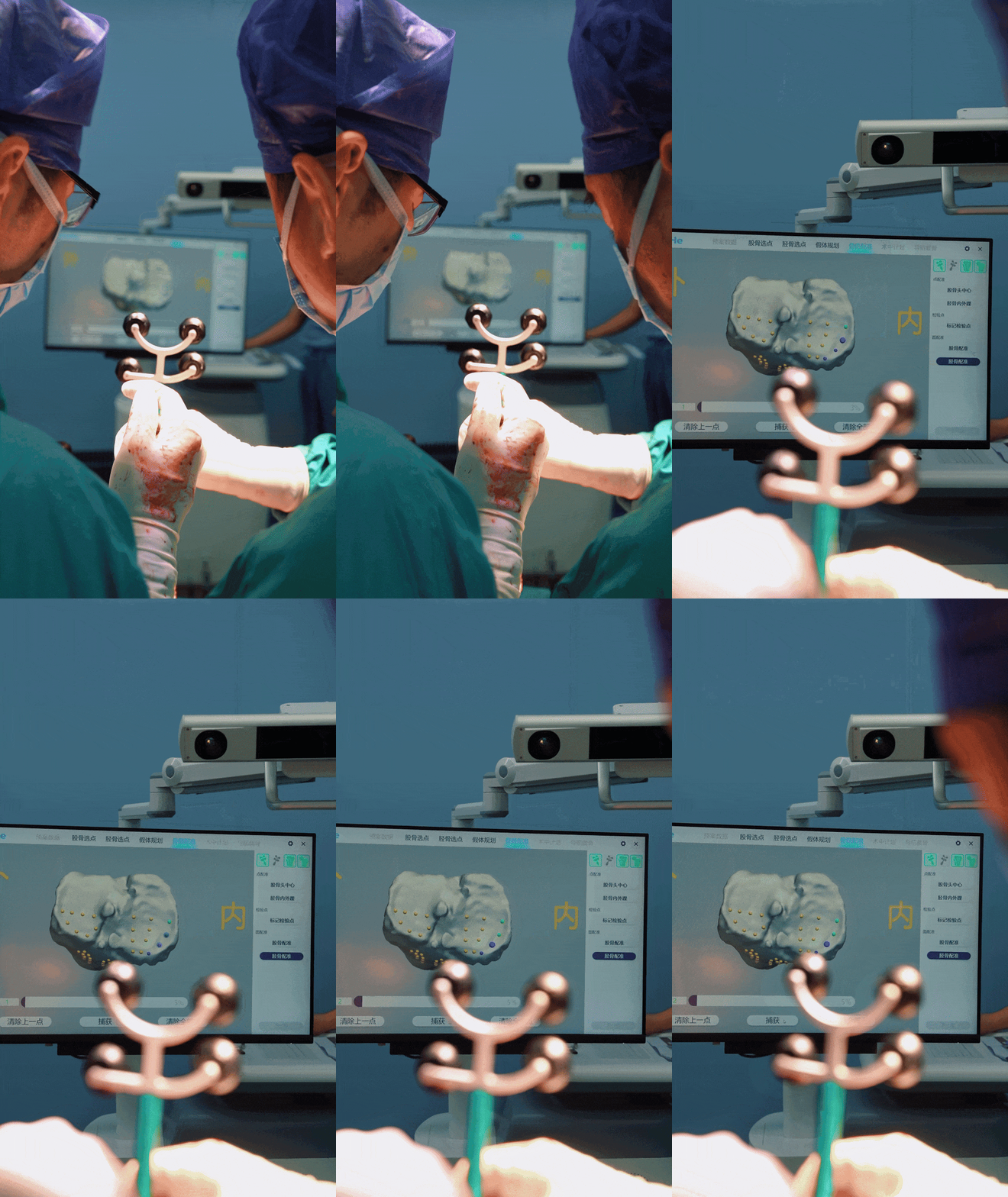
From “human touch” to “human-machine integration,” patients will benefit from longer prosthesis lifespans and higher quality medical experiences.
 Text: Wang Bei Images/Videos: Li Jie Layout: Shao Hua