 Click the blue text above to subscribe with one click.

Generally, the high sensitivity and wide detection range of pressure sensors cannot be achieved simultaneously. For example, introducing layered microstructures on the surface of flexible materials can effectively enhance the sensitivity of pressure sensors, but due to the limited compressibility of microstructures, high sensitivity can only be achieved within a lower pressure range. Therefore, developing a flexible pressure sensor with high sensitivity across a wide pressure range is a significant challenge.
In light of this,Associate Professor Song Shiqiang from Shanghai University of Engineering Science and his graduate student Zhang Cuifen, based on research in the field of stress-strain sensors (J. Mater. Chem. A, 2021, 9, 3931; J. Mater. Chem. C, 2021, 9, 15337; Eur. Polym. J., 2022, 164: 110980), inspired by gecko toes and human skeletal structures, designed and fabricated a layered gradient structure that can simultaneously enhance sensitivity and broaden the working pressure range while ensuring signal stability during prolonged use.This sensor features a hemispherical array and a gradient pore structure, allowing it to undergo significant deformation from small to high pressure regions, thereby significantly improving the sensor’s sensitivity within the deformation pressure range.The sensor can achieve a sensitivity of up to 102.3 kPa−1 in the pressure range of 0~1.9 kPa, with a pressure detection range of 0~400 kPa, and has rapid response (35 ms) and good signal stability(>5000) among other features. The high sensitivity and wide working pressure range of the pressure sensor were achieved through simple fabrication methods and structural design, making it widely applicable.Typically, the change in resistance, current, or capacitance of a pressure sensor under pressure is a key factor directly affecting its sensitivity. However, the soft materials or porous polymers used to manufacture pressure sensors are incompressible or have limited compressibility, thus limiting the improvement in pressure working range and sensitivity. In this study, the authors simultaneously introduced layered and gradient porous structures into one sensor, enabling the sensor to undergo compressive deformation within a wide pressure range (0~400 kPa); additionally, introducing hemispherical micropore structures on its surface allows the sensor to maintain high sensitivity under low stress and contributes to sensitivity improvement across a wider pressure range.
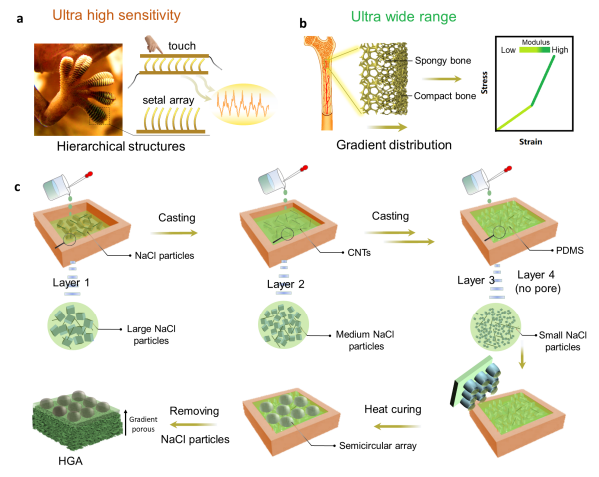
Figure1 Material design principles and preparation process
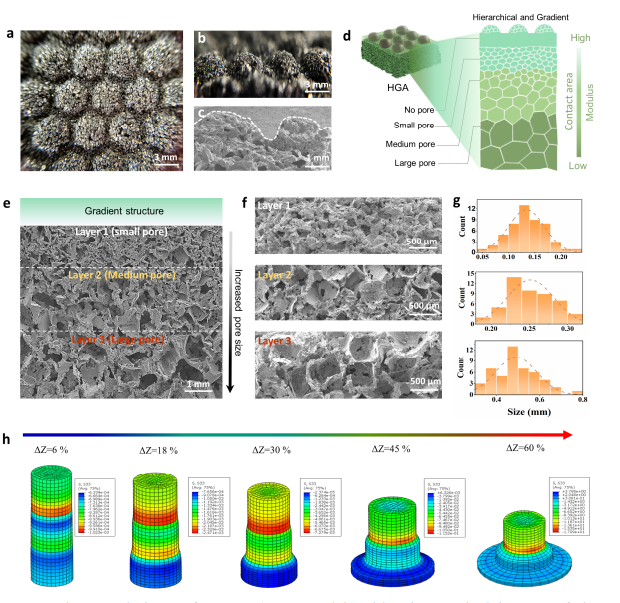
Figure2 Morphology and data simulation of HGA
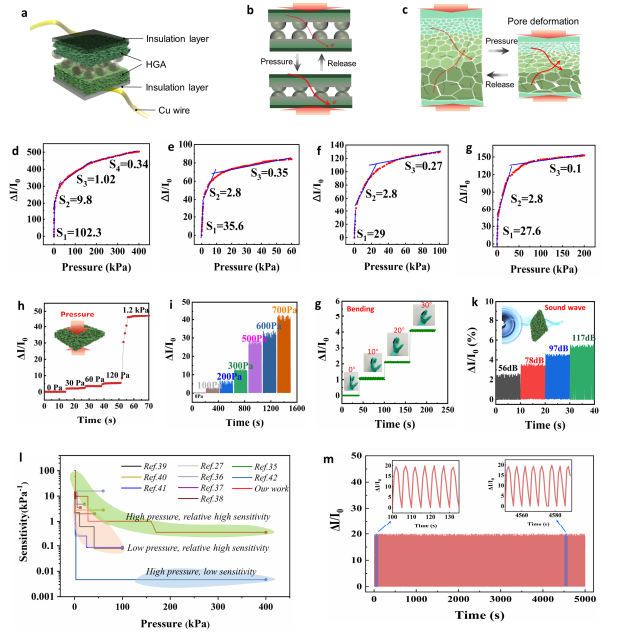
Figure3 Sensor performance testing and comparison
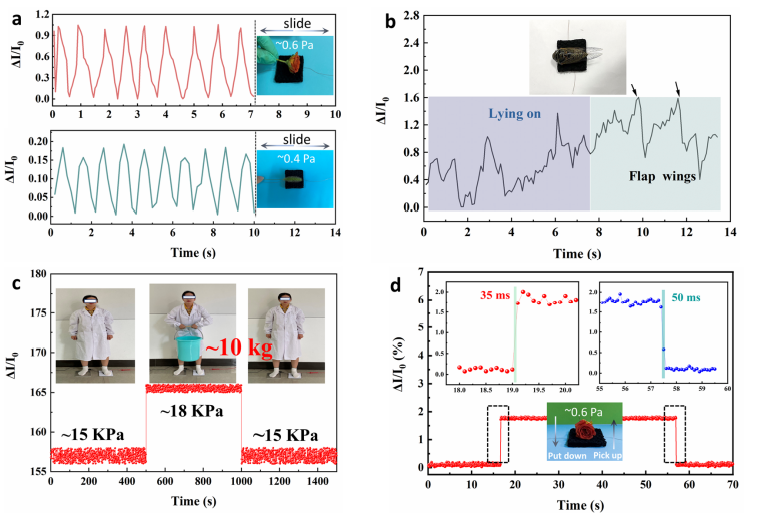
Figure4 Sensor perception signals for different pressures The related work titled “Bioinspired Engineering of Gradient and Hierarchical Architecture into Pressure Sensors toward High Sensitivity within Ultra-broad Working Range” was published in the internationally renowned journal Nano Energy (impact factor 19.069). This research was supported by the National Natural Science Foundation of China Youth Fund (52003151).
Original link:
https://www.sciencedirect.com/science/article/pii/S2211285522005900
Related progress
Professor Zhou Shaobing and Associate Professor Xiang Tao’s team from Southwest Jiaotong University published in ACS AMI: Fatigue-resistant + bionic microstructure hydrogels for strain/pressure sensors
Professor Liu Nishuang’s team from Huazhong University of Science and Technology published in ACS Nano: MXene/BC film sound detectors based on pressure sensing principles
Professor Li Jian and Huang Zhengyong’s research group from Chongqing University published in Nano Energy: Laser-induced graphene (LIG) pressure sensors and triboelectric nanogenerators for self-powered measurement and control systems
Professor Lu Nanshu’s team from UT-Austin published a review article in ACS Nano: Flexible capacitive pressure sensors – trends, challenges, and outlook

This is an original article from Polymer Science and Technology. Personal sharing and forwarding are welcome. For reprints by publications or media, please contact: [email protected]


Call for Papers
Experts and scholars are welcome to submit manuscripts (papers, project introductions, new technologies, academic exchanges, unit news, conference information, recruitment, and admissions, etc.) to [email protected], and please indicate detailed contact information. Polymer Science and Technology® will promptly push and publish on the China Polymer website.
Join Our WeChat Group To meet the needs of colleagues in the field of polymer industry-university-research, we have opened dozens of special discussion groups, including a group for polymer experts and scholars, covering polymer industry technology, entrepreneurs, PhDs, graduate students, media journals, conference associations, etc. Currently, we have gathered over ten thousand top experts, scholars, technicians, and entrepreneurs from domestic and foreign universities and research institutes.
To apply for group entry, please first add the WeChat ID PolymerChina (or long press the QR code below), and please indicate: polymer + name + unit + title (or degree) + field (or industry), otherwise, it will not be processed. Qualification will be reviewed before entering the relevant professional group.

Click
here to “read the original text” for more information.