 Source: This article is adapted from Reference News, Editor: Zhao Yupeng; Design: Huanyu. Edited again by Wei Yimin, Images: AI-generatedClick the blue text to follow us
Shanghai has launched an AI dining plan, aiming to establish a smart development hub by 2028.
In the future, when you enter a restaurant in Shanghai, it may not be a chef cooking your meal, but a robot.
The Hong Kong South China Morning Post recently reported that Shanghai has released a groundbreaking plan for the intelligent development of the dining industry, aiming to deeply integrate artificial intelligence technology with traditional dining services.
According to the plan, Shanghai has set clear goals: by the end of 2028, it aims to build a “nationally leading, internationally first-class” smart development hub for the dining industry.
This blueprint indicates that AI-operated restaurants, automated kitchens, robotic waiters, and data-driven menus will reshape the dining landscape of this international metropolis.
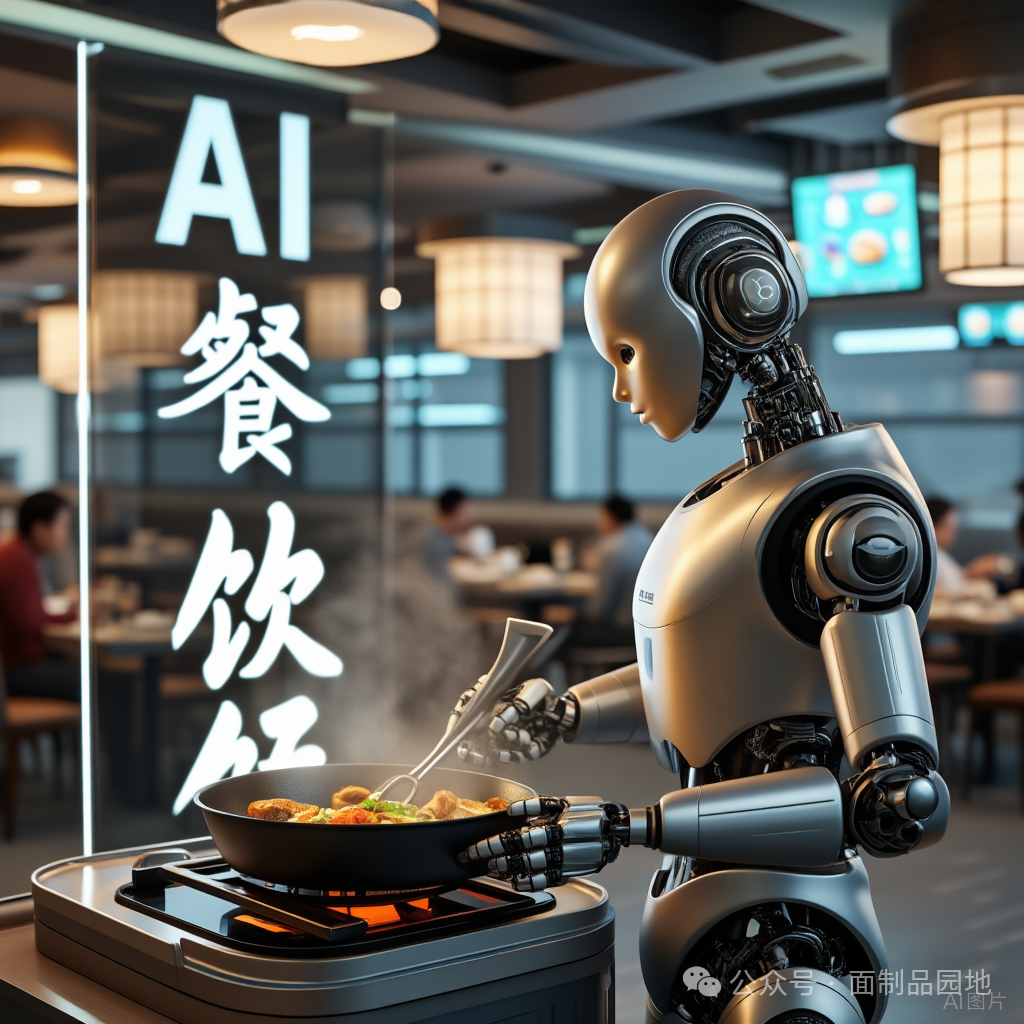
Figure 1: Stir-frying robot in an AI restaurant (AI-generated, Wei Yimin, 2025)
01 Comprehensive Intelligent Layout
The Shanghai Municipal Commission of Commerce, in collaboration with the Municipal Economic and Information Commission, the Finance Bureau, the Market Supervision Administration, and the Greening and City Appearance Administration, officially issued the “Shanghai Action Plan for Promoting Intelligent Layout in the Dining Industry (2026-2028)” in November 2025.
This action plan is considered the first provincial-level intelligent development plan for dining scenarios in the country, aiming to empower the human experience with technology.
The plan sets multiple specific goals: by the end of 2028, the intelligent penetration rate of the entire chain for group meals, fast food, and tea and coffee enterprises will exceed 70%, the intelligent application rate of key links in formal dining enterprises will exceed 50%, and the coverage rate of intelligent supply chain management will exceed 60%.
02 Intelligent Technology Application Scenarios
The action plan aims to apply intelligent technology across the entire chain of the dining industry.
In the formal dining service sector, it will encourage the development and application of AI nutritional meal advisors to provide personalized dish pairing suggestions based on customer health data.
For the highly focused cafeteria scenario, the plan requires a comprehensive promotion of the “smart cafeteria” model, supporting the establishment of online reservation platforms that guide and precisely prepare meals based on system reservation data, thereby reducing waste from the source.
The action plan also proposes some futuristic scenarios, such as encouraging the introduction of AI nutrition analysts to automatically generate nutritionally balanced weekly meal plans based on the characteristics of the dining group.
More notably, the plan proposes to teach AI to cook Chinese dishes—”using sensors, the Internet of Things, and AI learning technologies to collect, analyze, and model data on key cooking processes such as heat control, knife skills, stir-frying, and seasoning, forming reusable digital process packages.”
03 Popularization of Intelligent Dining Equipment
As the degree of chain operation and standardization requirements in the dining industry continue to rise, intelligent dining equipment has become increasingly popular nationwide.
The tea brand Heytea, which often faces “order congestion,” has formed an intelligent equipment R&D team since 2021 and has successively launched a complete set of intelligent tea-making equipment.
Self-developed intelligent devices such as smart tea dispensers, smart electronic scales, and tea-making assistants have been fully implemented in Heytea stores, improving efficiency in various stages such as fresh fruit preparation and tea mixing.
“Peeling a basket of green grapes manually takes 15 minutes, while the automatic peeling machine only takes 1 minute,” said a relevant person in charge at Heytea.
Stir-frying robots are also becoming increasingly popular in the dining industry.
The cafeteria of China Eastern Airlines, which serves thousands of diners daily, previously faced slow service during peak dining hours. After using stir-frying robots, the service time has been reduced by 50% to 70%, and AI intelligent recognition calculations have also reduced food waste.
04 Industry Transformation and Impact
With the development of large models, artificial intelligence, and even simulation robots, intelligent applications in dining are evolving beyond just stir-frying and coffee-making, continuously progressing towards digitization and intelligence.
In this trend, more and more large enterprises are joining the intelligent dining race.
According to public information such as prospectuses, over 380 restaurants of Laoxiangji are using stir-frying robots, smart steam cabinets, and smart soup pots; Xiaocaiyuan began using stir-frying robots in 2023, currently covering nearly 200 stores.
In July 2025, JD Group announced plans to build 10,000 Qixian Xiaochu restaurants within three years, characterized by only offering takeout and not dine-in, primarily using stir-frying robots for cooking and conducting online live broadcasts.
Industry expert He Qing, who has been focusing on intelligent dining for over a decade, stated: “The intelligent dining industry is at a turning point from ‘blue ocean’ to ‘red ocean.’ With the entry of large enterprises, the supply chain of the intelligent dining industry is rapidly maturing, accelerating cost reduction and efficiency improvement, and the level of popularization will continue to rise.”
05 Heritage and Challenges
The plan also aims to inherit and innovate cooking skills amid the automation wave, supporting time-honored dining enterprises to collaborate with research institutions and equipment manufacturers to carry out the “Digitalization of Master Chefs’ Skills” project.
In a country where diners cherish the “wok flavor” and regard it as the soul of cuisine, the promotion of robotic dining may provoke differing opinions.
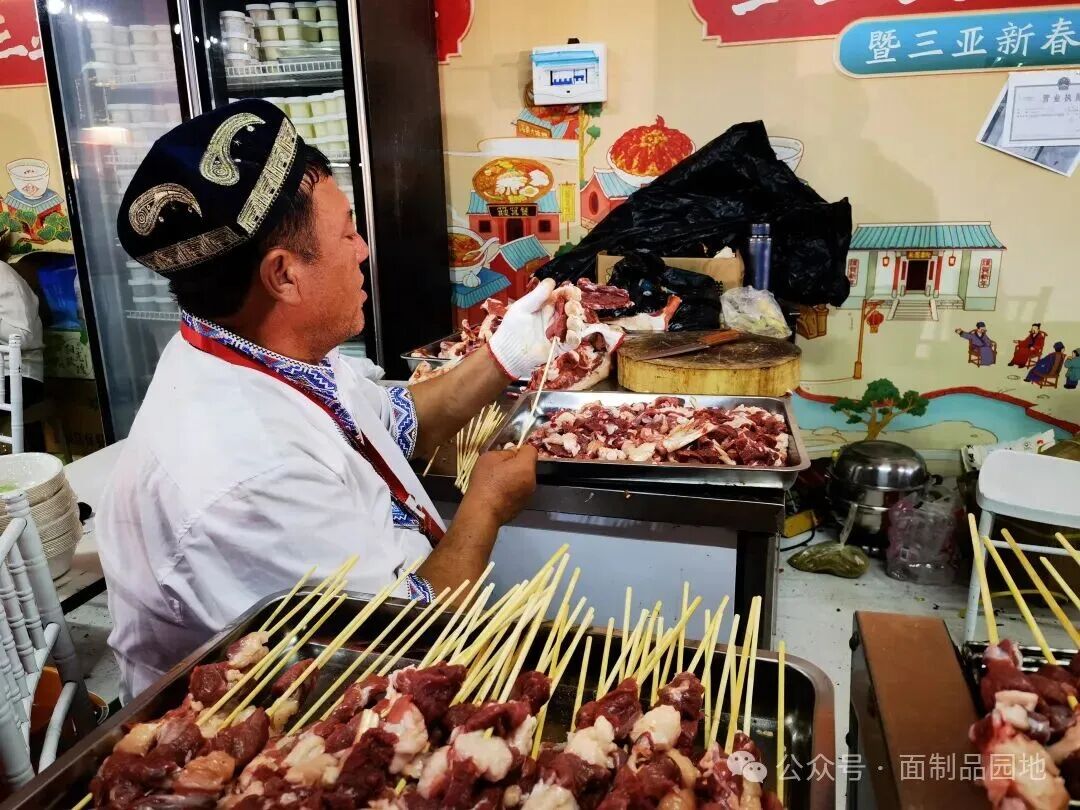
Figure 3: Xinjiang grilled lamb skewers, photographed by Wei Yimin, 2023
Li Yingtao, a partner at Shanghai Jiashi Marketing Consulting Co., believes that as restaurants introduce AI solutions and kitchen robots, customer experience will be key.
Zhao Zhijiang, a researcher at Anbang Think Tank, believes that given Shanghai’s status as an important innovation center, the plan may aim to build a more efficient dining ecosystem that can eventually be promoted nationwide.
AI nutritionists customizing recipes for you, stir-frying robots accurately replicating master chefs’ skills, and intelligent supply chains minimizing food waste—this is the near future that Shanghai envisions for the dining industry.
As large models and artificial intelligence technologies empower dining scenarios, Shanghai’s title as an international culinary capital will be imbued with new technological connotations.
Disclaimer: The “Food Biotechnology and Health” WeChat public account reprints this article for the purpose of conveying more information, and does not represent the views of this platform. The copyright of the shared content belongs to the original author or publishing organization. All content is obtained through public channels for reasonable citation, and due to limitations, there may be original images or texts without signatures. If any related content infringes your rights, please contact us promptly, and we will correct or delete it in a timely manner.