By Elite EDA (A learning resource for excellent chip IC layout design, packaging PKG design, and PCB design in the full EDA design chain, conveying EDA design information from a professional perspective)
WeChat ID: EDA_Hunter
Follow me to learn more about EDA design technology. For questions or suggestions, please add WeChat (Lavidlee) to contact.

Author: Chen Xi
Mainly sharing learning resources for EDA design, interview skills, workplace phenomena, quickly understanding the EDA design industry, helping those who want to change careers, advance, or beginners grow into advanced EDA engineers.
If you find this public account helpful, feel free to recommend it to others…



Thank you for taking the time

.

.

Read this article
In the world of electronic products, circuit boards (PCBs) play the role of fixing components and connecting signals, serving as the urban planning blueprint, while the substrate is the foundational land for constructing this “city.” Different substrates determine the performance, reliability, and applicable scenarios of the circuit board.
Whether for smartphones, automotive electronics, or aerospace equipment, choosing the right PCB substrate is crucial. Most EDA professionals are familiar with FR4, but there are many other substrate materials besides FR4. Today, we will delve into several commonly used substrates in circuit boards.
1
Paper-based boards: XPC, FR-1, FR-2, PE-3, 94V0, 94HB
Paper-based boards, also known as phenolic PCB paper substrates, are composed of materials such as pulp and wood pulp, with the main component being wood pulp fiber paper, synthesized under pressure with phenolic resin.
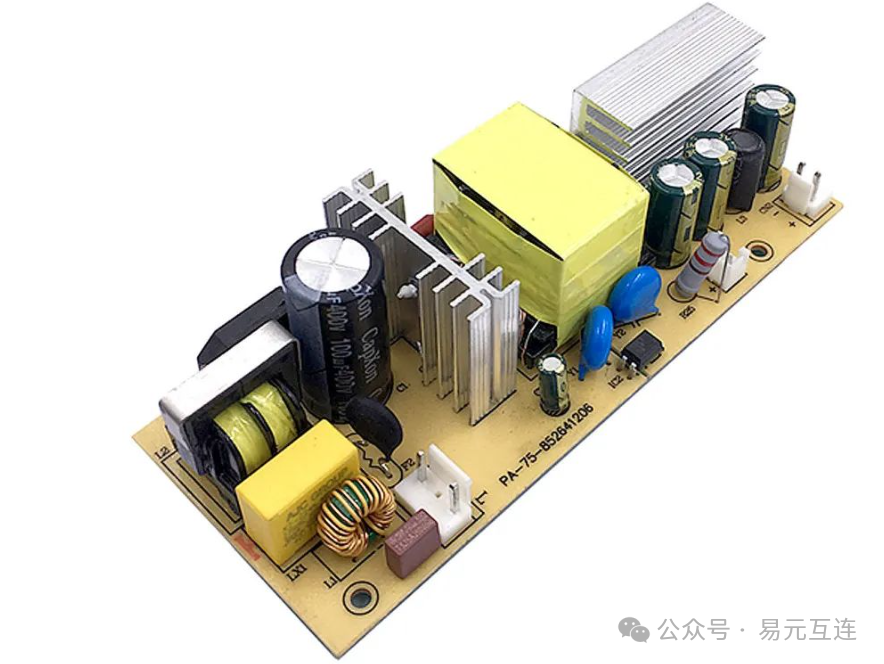
Most paper-based boards are used to makesingle-sided boards. Their advantages include: low cost, inexpensive, relatively low density, and the ability to be punched. They are commonly used in low-end power boards, such as power modules for LED lights.
Common materials for paper-based boards include:XPC, FR-1, FR-2, FE-3, 94V0, 94HB, etc. Because the main component is paper, most paper-based materials have the disadvantage ofnot being fireproof. However, among paper-based boards, there is one type,94V0, which is a flame-retardant paperboard, which can be fireproof, so it is important to pay attention when selectingpaper-based materials.
2
Composite PCB substrates: CEM-1, CEM-3
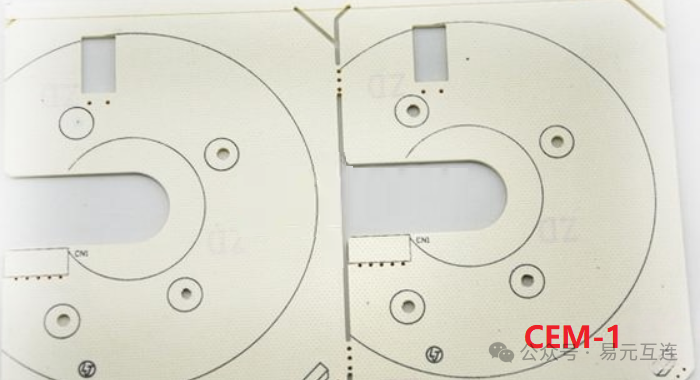
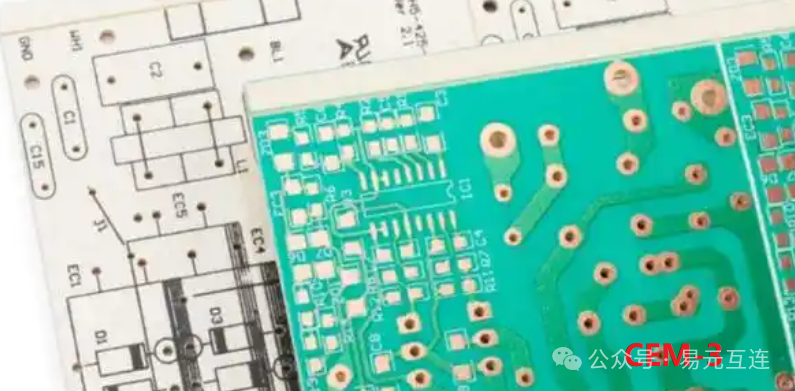
Composite PCB substrates, also known as powder boards, use wood pulp fiber paper or cotton pulp fiber paper as reinforcement material, along with glass fiber cloth as surface reinforcement material, made with flame-retardant epoxy resin.
There are single-sided semi-glass fiber 22F, CEM-1, and double-sided semi-glass fiber boards CEM-3, among which CEM-1 and CEM-3 are currently the most common composite copper-clad boards..
3
FR-4: The “Standard” Configuration in the Industry
FR-4 (Flame Retardant Type 4) is also known as epoxy board, glass fiber board, FR4, fiber board, etc. It is undoubtedly the most common type of PCB substrate, with this glass fiber reinforced epoxy resin laminate occupying a significant share of the general PCB market.
It uses epoxy resin as the adhesive and glass fiber cloth as the reinforcement material. This type of circuit board operates at relatively high temperatures, is minimally affected by the environment, and is frequently used in double-sided PCBs, but it is relatively more expensive than composite PCB substrates, commonly with a thickness of 1.6MM. This substrate is suitable for various power boards and high-layer circuit boards, widely used in computers and peripheral devices, communication equipment, etc.
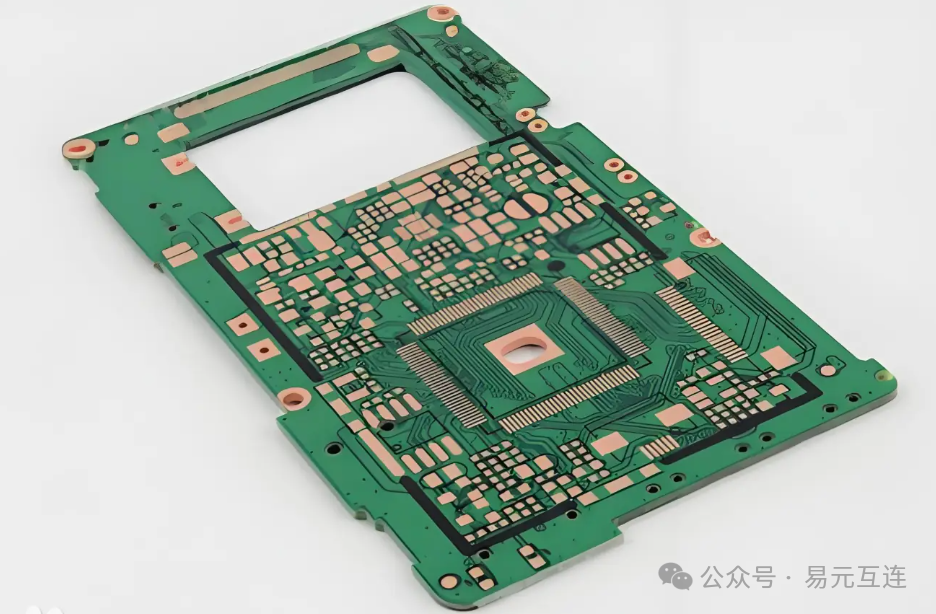
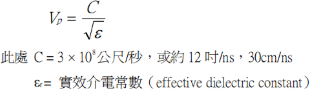
The dielectric constant of FR-4 material ranges from 3.8 to 4.7, generally considered to be 4, which is also the origin of the name FR-4. The relationship between dielectric constant, signal speed, and the speed of light is as follows: when the dielectric constant of FR-4 is 4, the signal propagation speed can be calculated as half the speed of light. In high-speed circuits, the defined signal propagation speed is 6mil/ps, and the two are basically equal.
4 High-temperature boards: High TG value
High-temperature boards are primarily made from polyimide materials, which have high thermal resistance and chemical stability, capable of withstanding temperatures up to 300°C, widely used in the manufacturing of electronic components in high-temperature environments. Due to the special processing technology and high cost of high-temperature boards, they are mainly used in military, aerospace, and aviation fields. High-temperature boards are designed to meet different temperatures based on TG values, with the general TG value corresponding to the temperature value; the ordinary FR-4 board has a TG value around 130, with a maximum operating temperature of 130 degrees.
5
High-frequency boards: The “Highway” of the 5G Era
When the signal frequency reaches the GHz level, the limitations of ordinary FR-4 become apparent. High-frequency substrates are specifically designed for high-frequency and high-speed applications.
Common types:
-
PTFE (Polytetrafluoroethylene) substrates: such as Rogers’ RO4000 series
-
Hydrocarbon ceramic substrates
-
Modified polyphenylene ether (PPO) substrates
Characteristics:
-
Low dielectric constant (Dk) and low loss factor (Df)
-
Low signal transmission loss, high integrity
-
Stable electrical performance with minimal variation with frequency
-
However, they are relatively expensive and difficult to process
Application fields:5G communication devices, microwave equipment, satellite communication, automotive radar systems, and other high-frequency applications.
6
Ceramic boards: High insulation
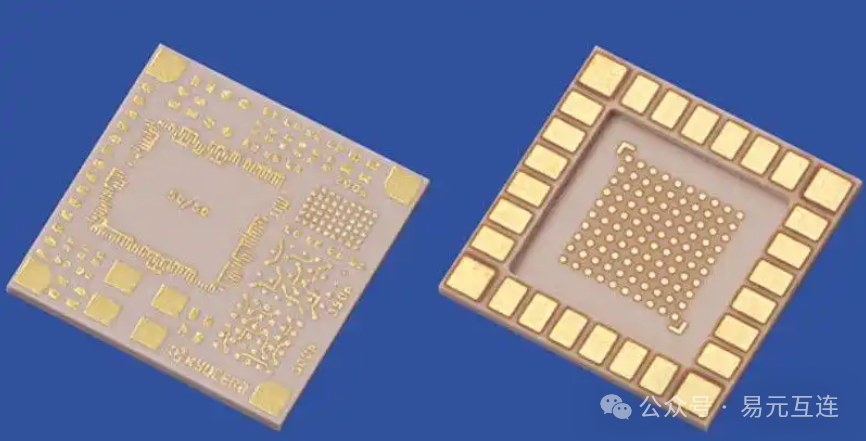
Ceramic boards are made from ceramic materials, which have very high insulation performance and chemical stability, and can withstand high frequencies and high power electrical signals, making them widely used in wireless communication, radar, microwave, and other high-frequency electronic device manufacturing.
7
Metal-based boards: High thermal conductivity, commonly aluminum-based boards
Metal-based boards are a type of PCB structure where the circuit layer is directly laid on a metal substrate. Metal-based boards are PCBs made from aluminum, copper, tungsten, and other metals, featuring excellent heat dissipation performance, suitable for high-power and high-temperature applications, such as LED lighting and power circuits, and suitable for high-density layouts.
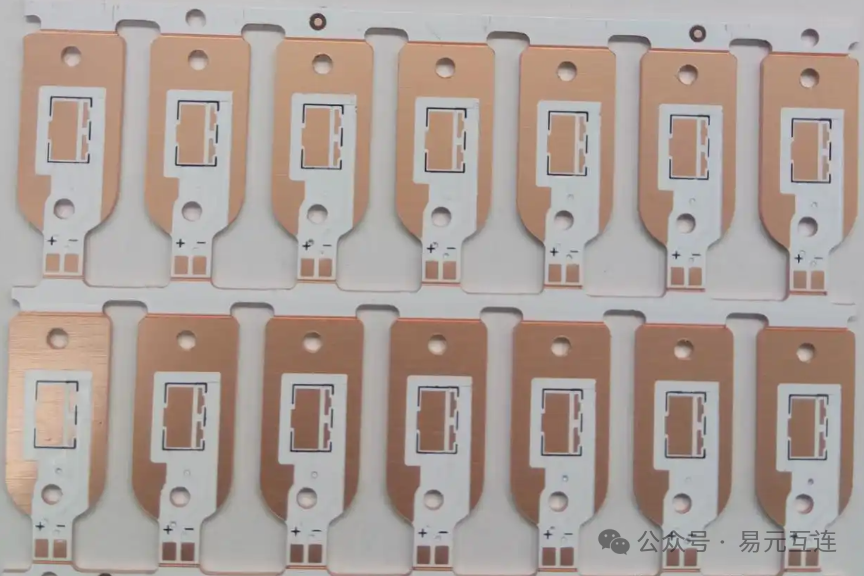
Commonly, aluminum-based boards consist of aluminum base material and an insulating layer.Aluminum-based boards have high thermal conductivity and reliability, widely used in electronic products that require heat dissipation, such as LED lights and amplifiers.
Metal-based boards are generally limited to single-layer layouts and routing, suitable only for fewer routing connections, and cannot be used for multilayer boards. Metal-based boards dissipate heat through large exposed metal areas.
8
FPC: Flexible Printed Circuit
FPC is the abbreviation for Flexible Printed Circuit, which is made from polyimide or polyester film as the substrate, featuring high wiring density, lightweight, thin thickness, and good bendability, making it a flexible printed circuit board.FPC is a type of flexible PCB, referred to as soft boards, while PCBs are hard boards. It has extremely high flexibility and corrosion resistance, suitable for circuit boards with complex shapes, can be bent and folded, and is used in electronic devices where space and weight are critical, commonly found in mobile devices such as smartphones and tablets. However, it has lower mechanical strength and is not suitable for high-power circuits.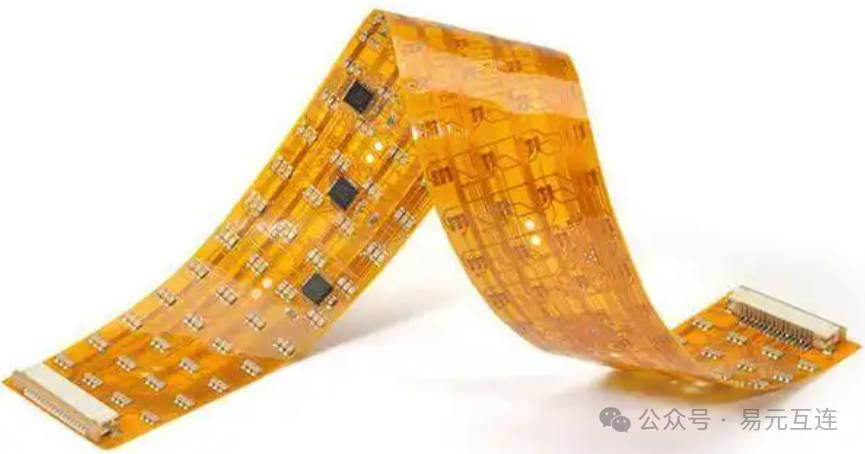
The production process of FPC differs from that of PCB, with each layer of wiring applied layer by layer with glue, requiring the creation of fixtures for shaping. This difference in process allows FPC to have an odd number of layers, for example, FPC can have 5 layers, while PCB cannot.
Choosing PCB substrates is an art of balance, requiring finding the best balance between performance, reliability, and cost. With the continuous development of electronic technology, new types of substrates are constantly emerging, such as modified liquid crystal polymers suitable for higher frequencies and composite substrates with better thermal management capabilities.
Understanding the characteristics of various substrates and making informed choices based on specific application needs is the first step in designing high-performance, high-reliability electronic products. Just as buildings require a solid foundation, excellent electronic design begins with selecting the right PCB substrate.
I hope this article provides some reference for you when choosing PCB substrates. If you have specific application scenario questions, feel free to leave a comment for discussion!
Original Statement:This article is originally written by an engineer with over 20 years of PCB design experience. Please indicate the source when reprinting.
Interactive Benefits:The highest number of likes in the comments will receive a free e-book written by the author, “Cadence High-Speed Circuit Design – Case Analysis and Implementation Based on Advanced Mobile Phone Boards”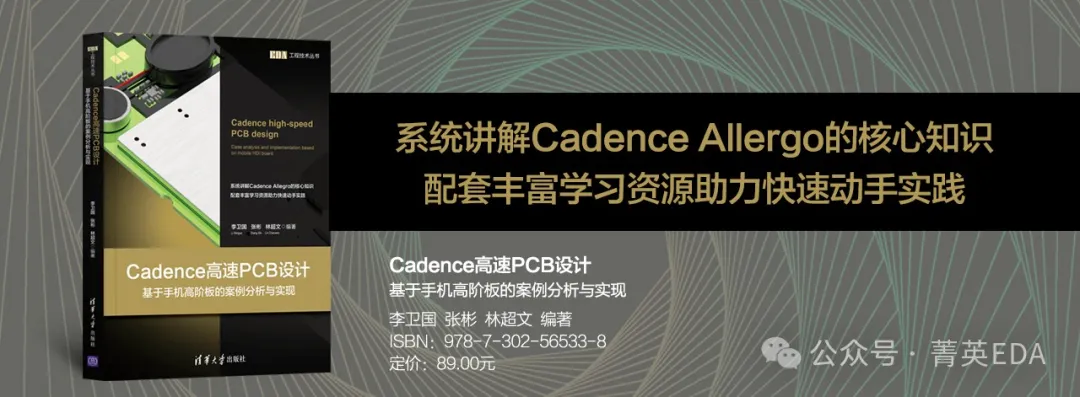
Follow us to unlock more hardcore knowledge about PCB design! Have you encountered difficulties in PCB design? Feel free to share practical cases in the comments!

Previous Articles Review:
【1】Enrollment for the 2025 EDA Advanced Design Employment Class is open, starting in November (specific time will be notified in the WeChat group), hurry to grab a seat!
【2】The online platform for EDA design learning has been completed, please enter here to watch
【3】Introducing several commonly used download resources for component libraries: schematic libraries, PCB libraries, and 3D libraries websites
【4】Discussing the four “No” principles for placing silk screens in circuit board design【5】How to handle bending areas, reinforcement areas, adhesive areas, cracking areas, copper leakage areas, as well as silver paste areas, silver mesh areas, and silver film areas in FPC design?【6】What is the “sandwich” stacking architecture? Why are mobile phone motherboards keen on the “sandwich” architecture?【7】What is gold wire positioning? Why are high-density boards keen on gold wire positioning?【8】Discussing the holes used in HDI advanced circuit boards【9】How to perform thermal treatment on individual pads in Cadence design【10】The US 3D991 ban has struck! The entire chain of China’s semiconductor industry is facing a crisis, this time, we aim to win not only by substitution but also by surpassing.